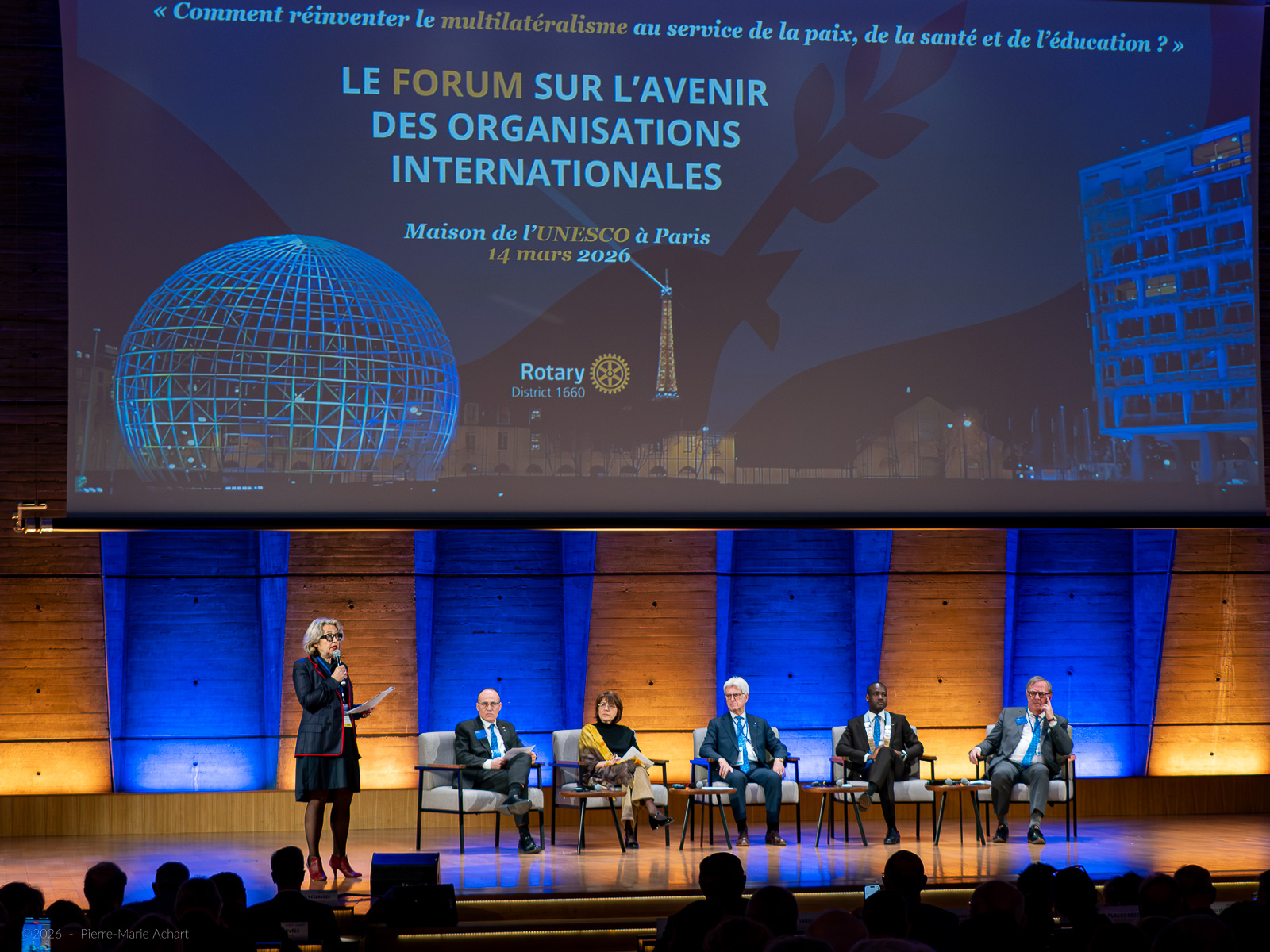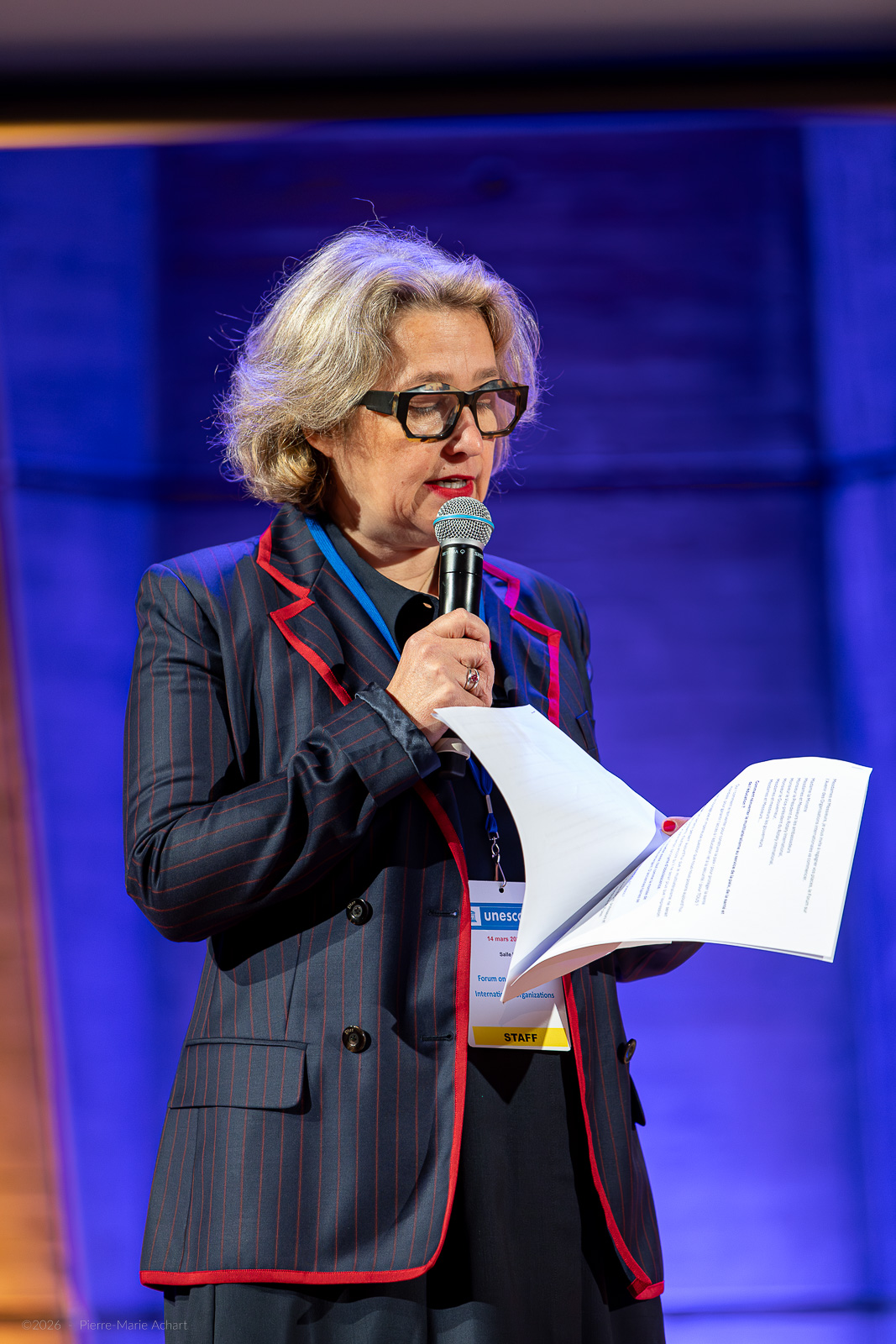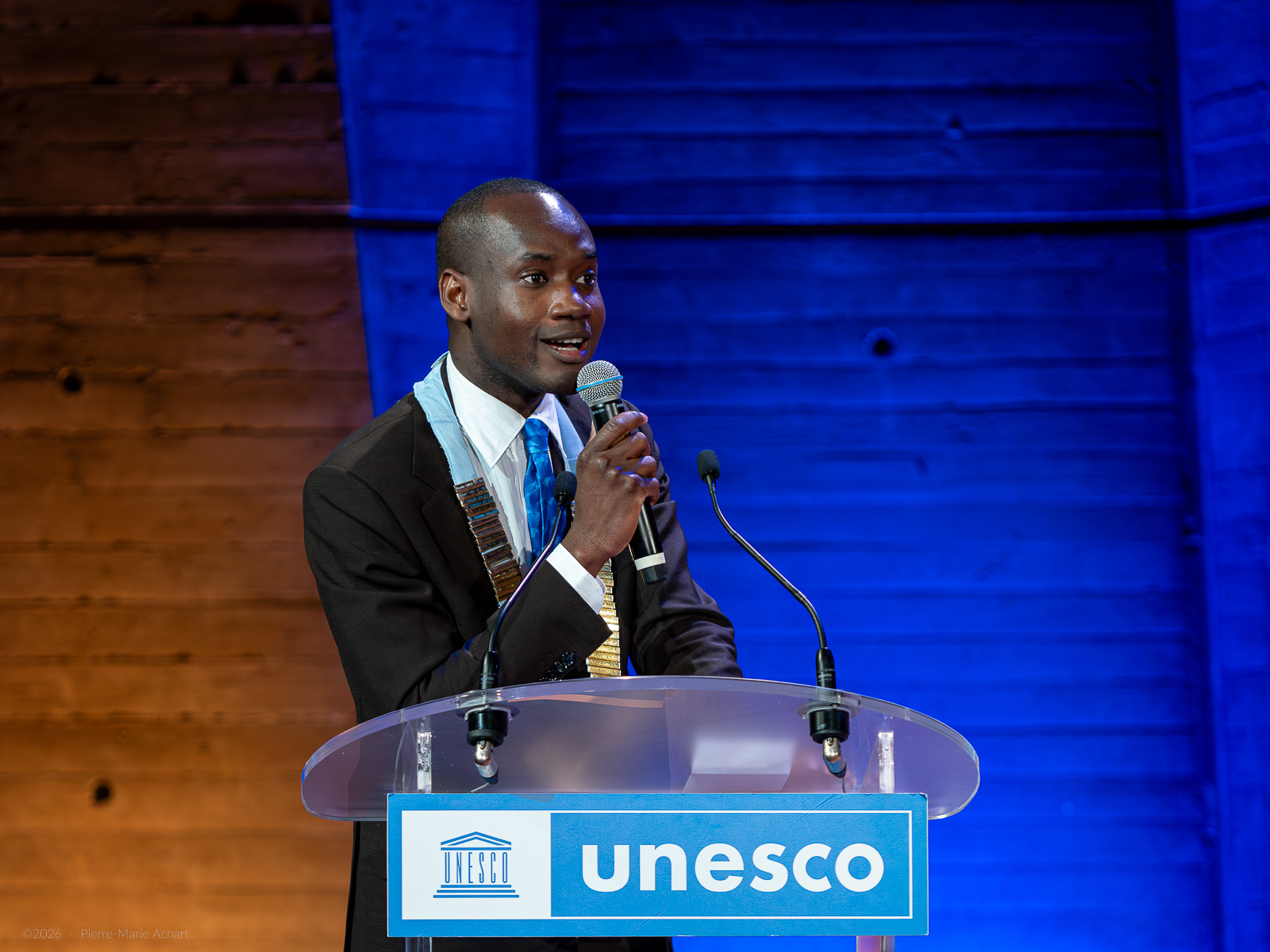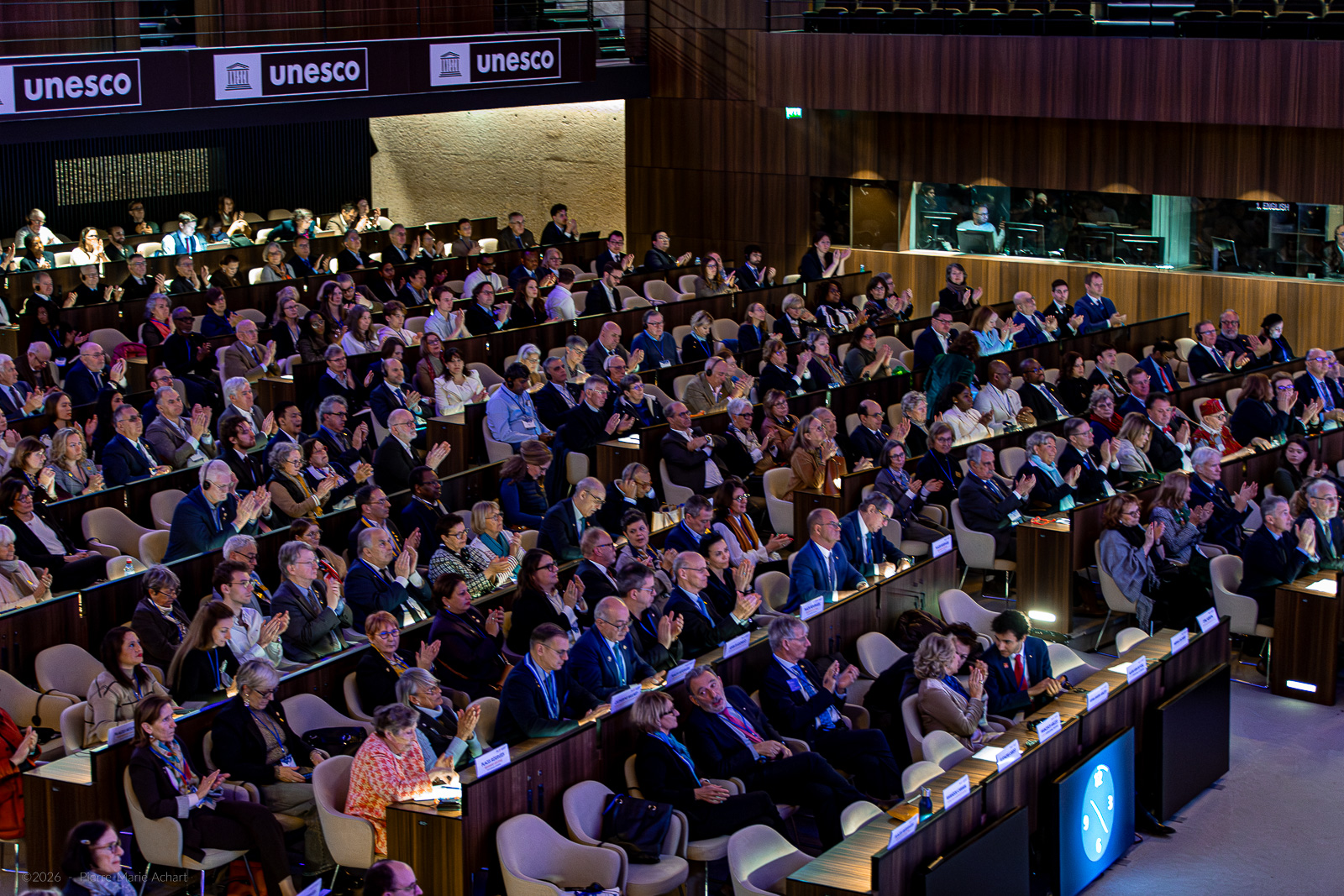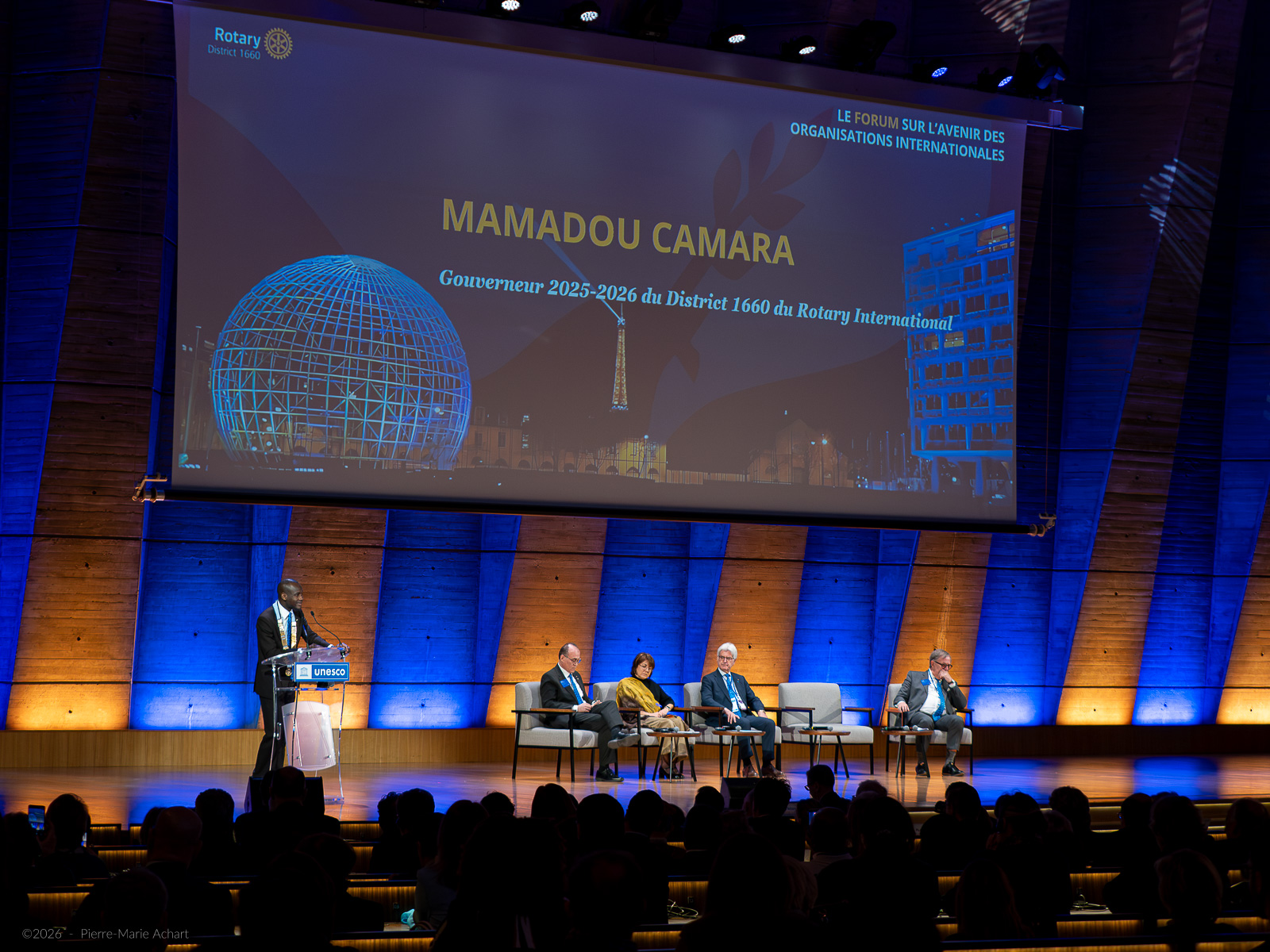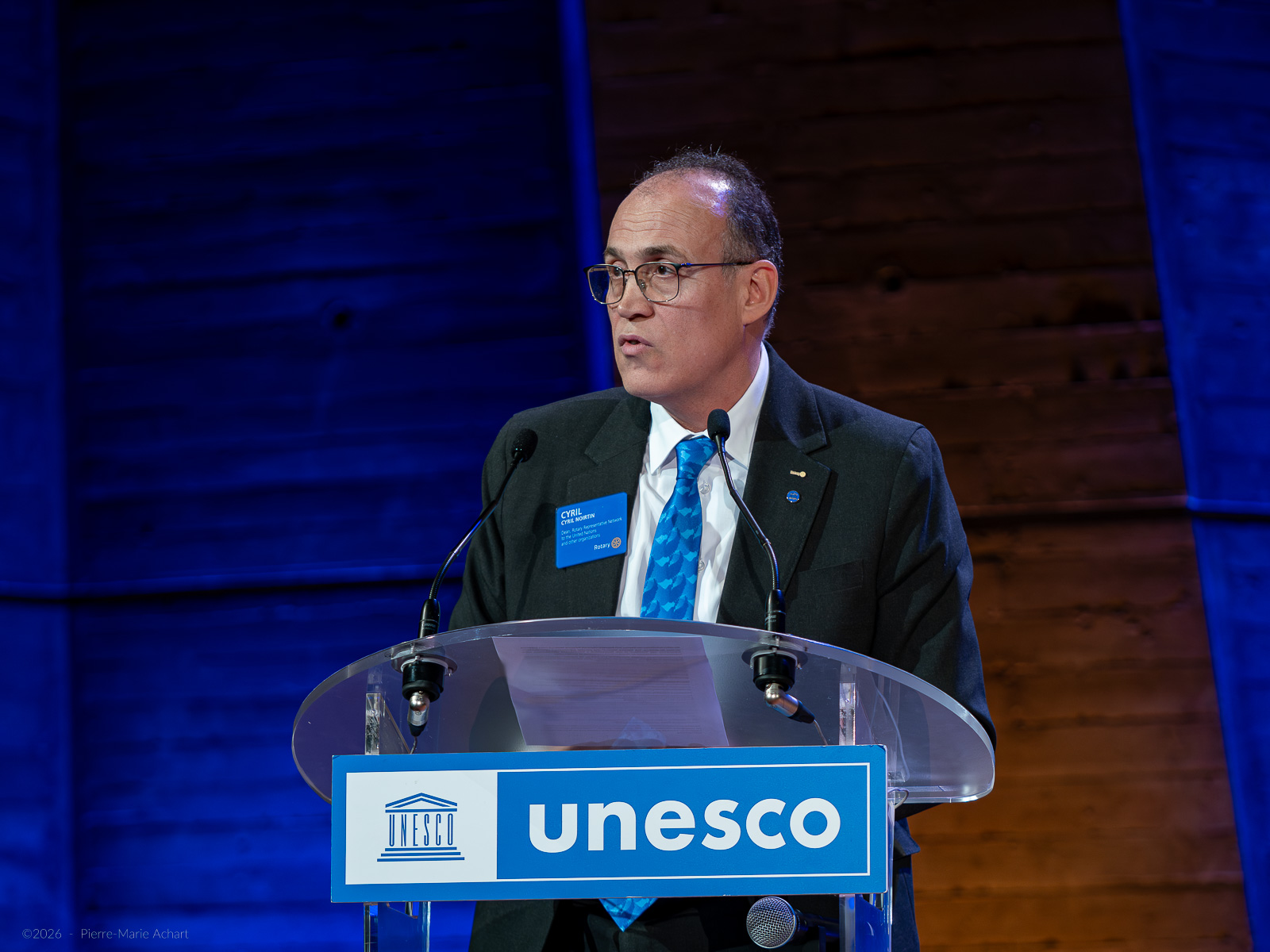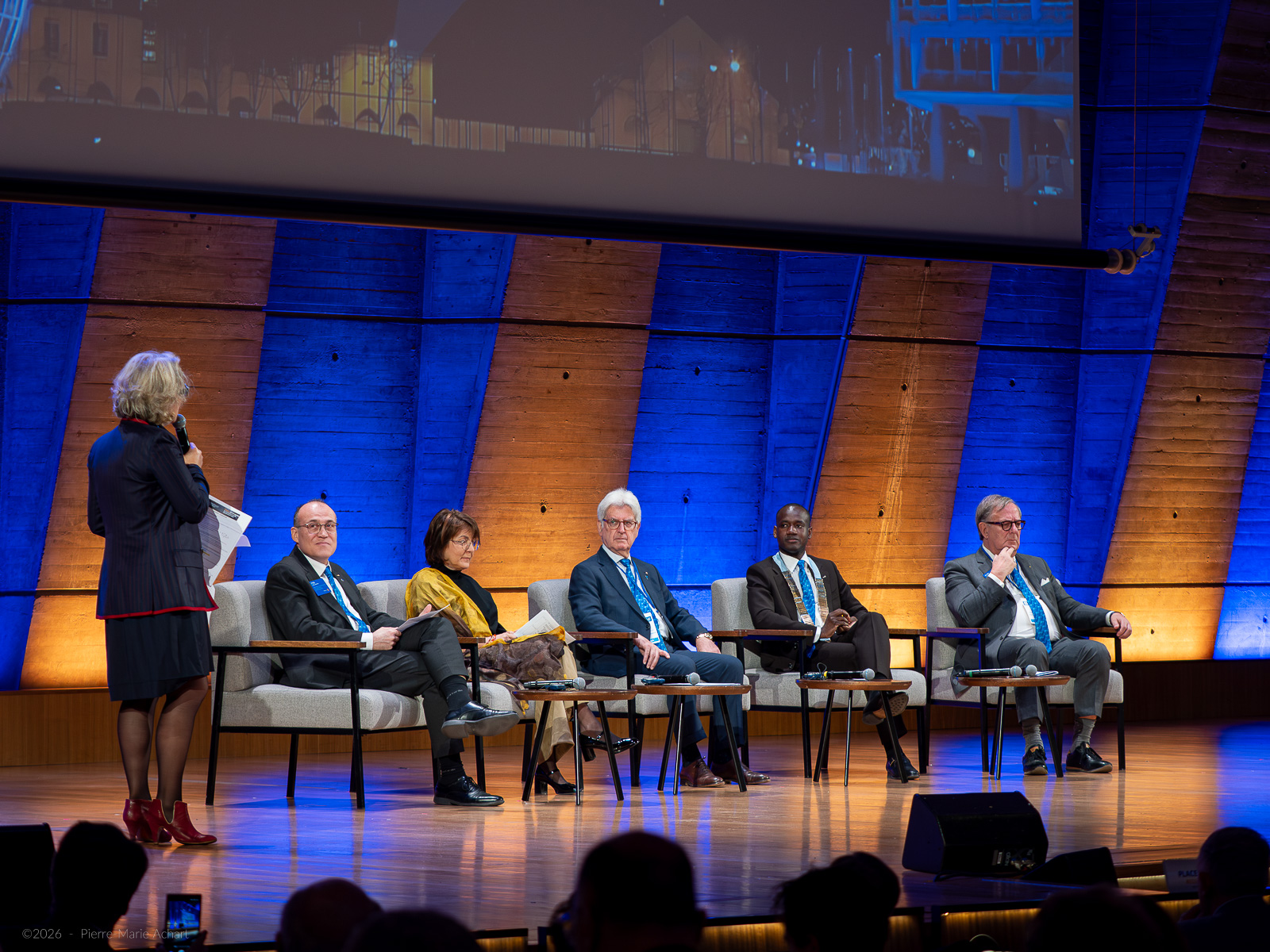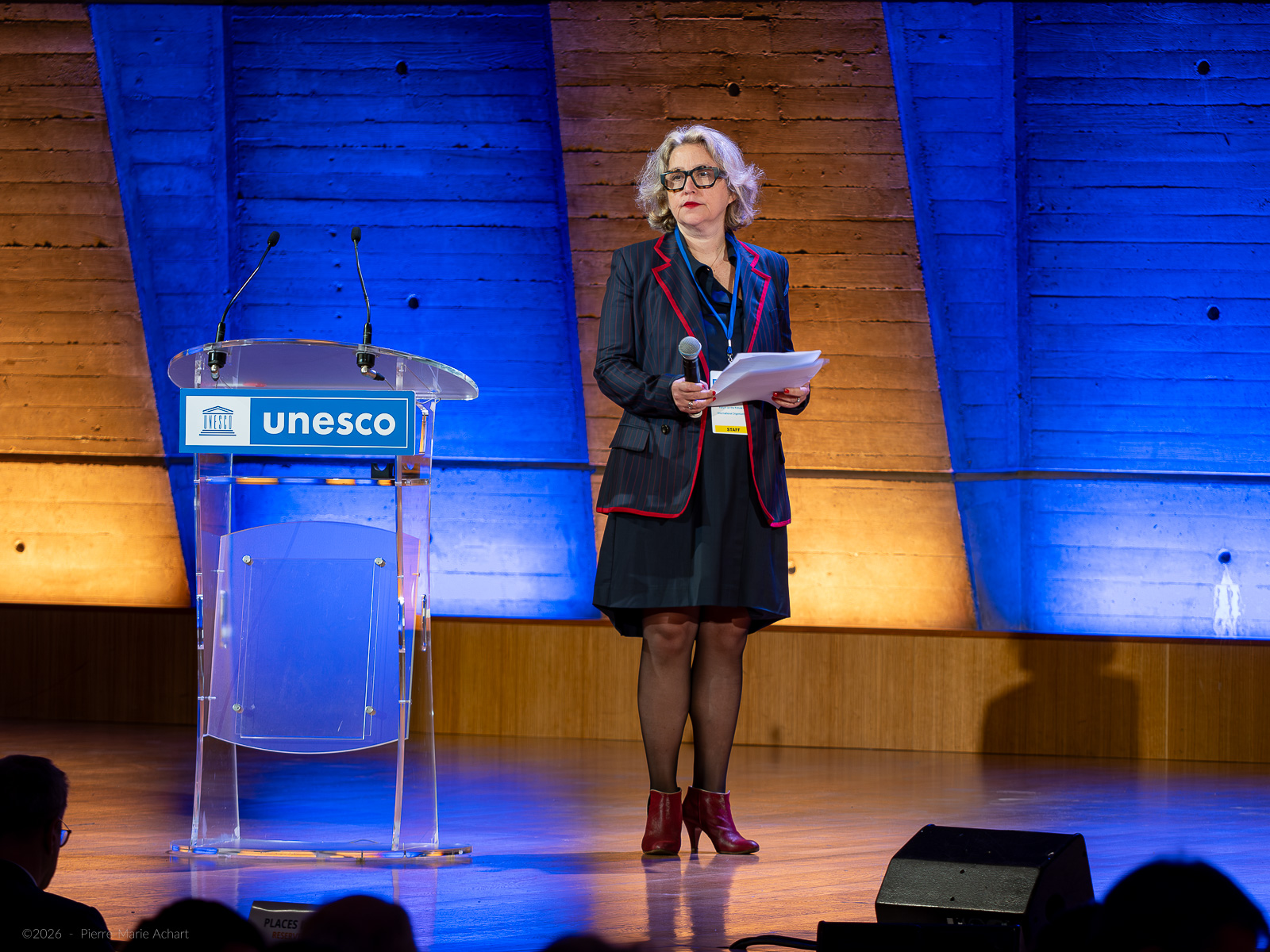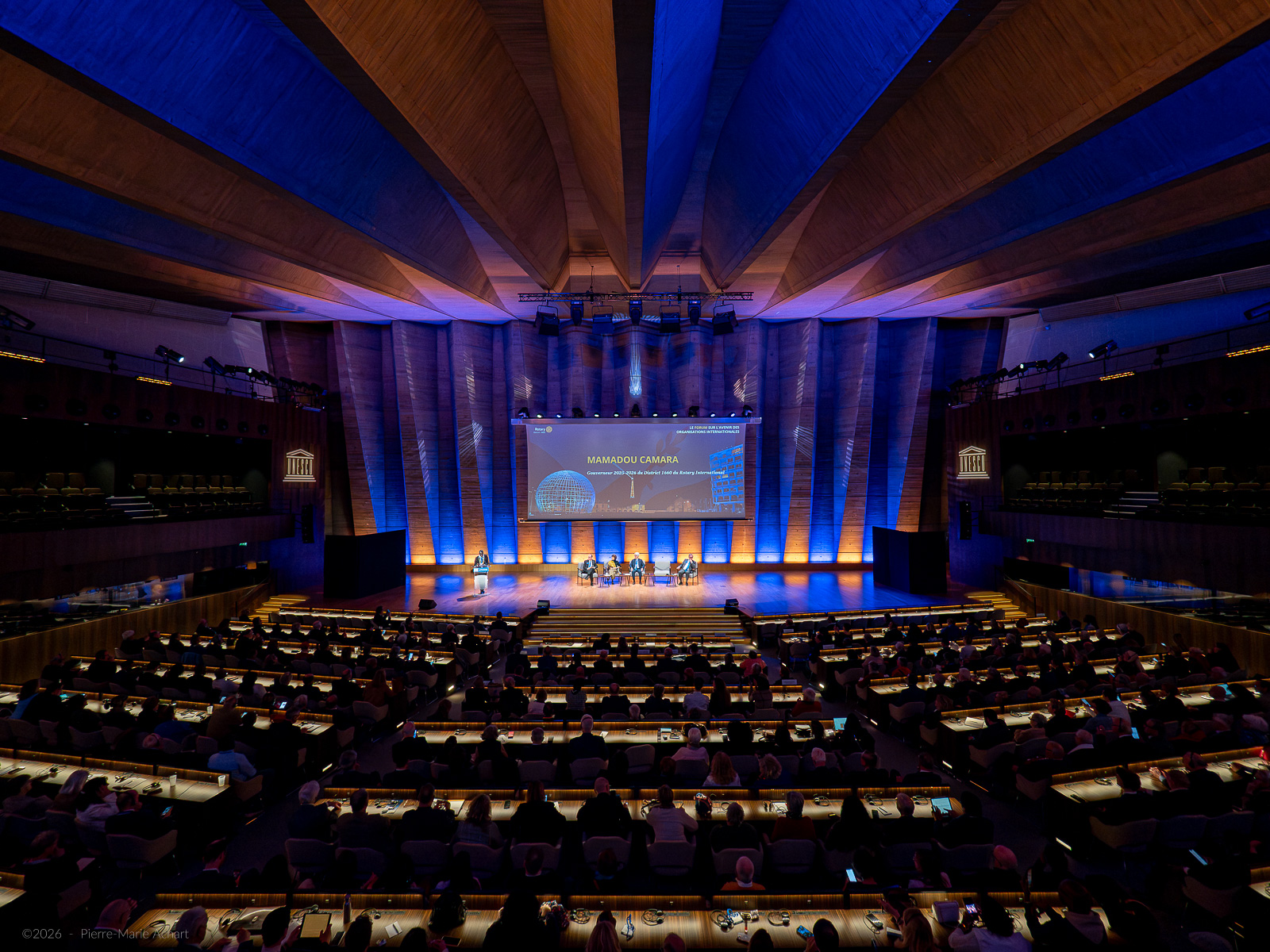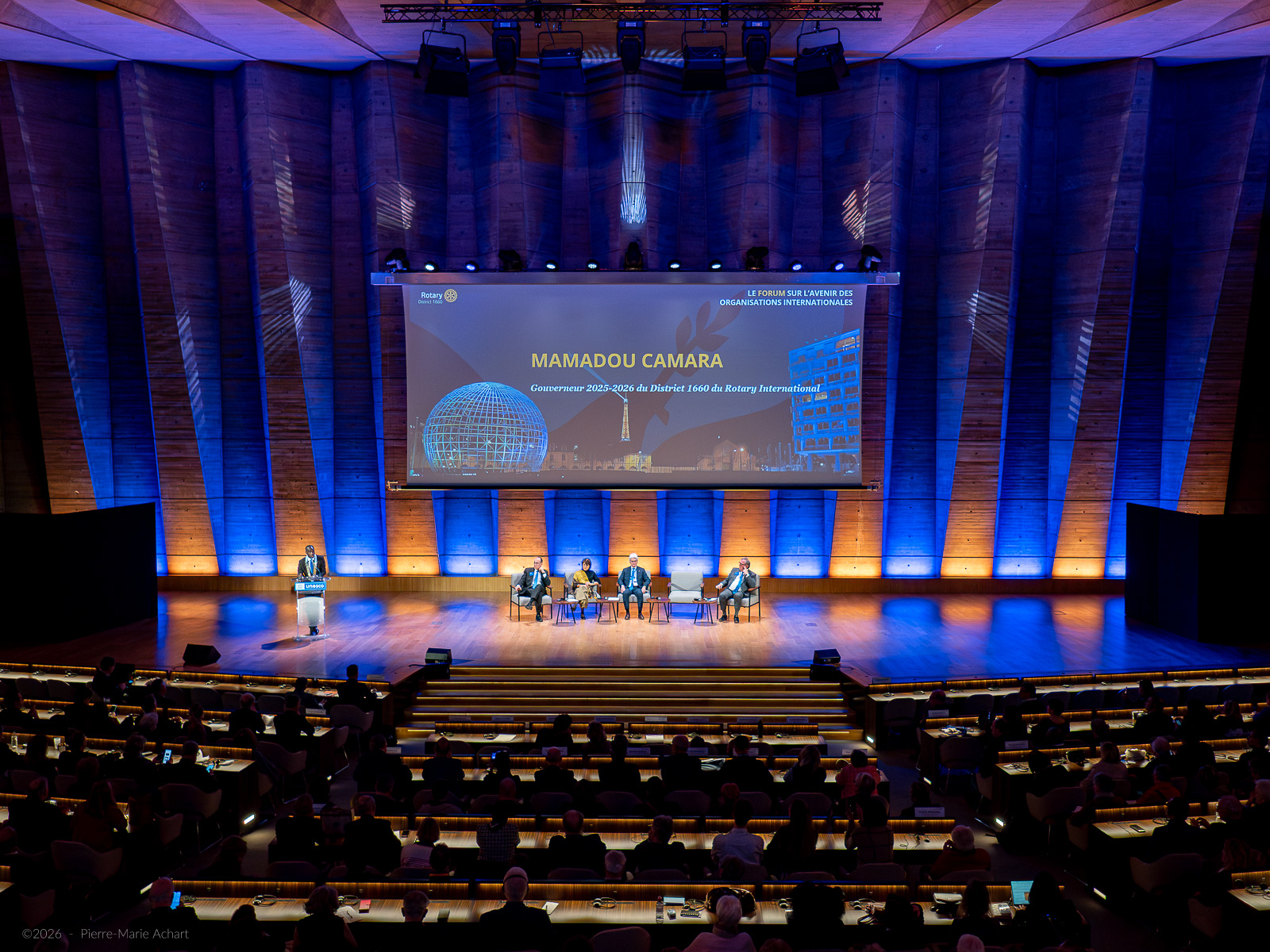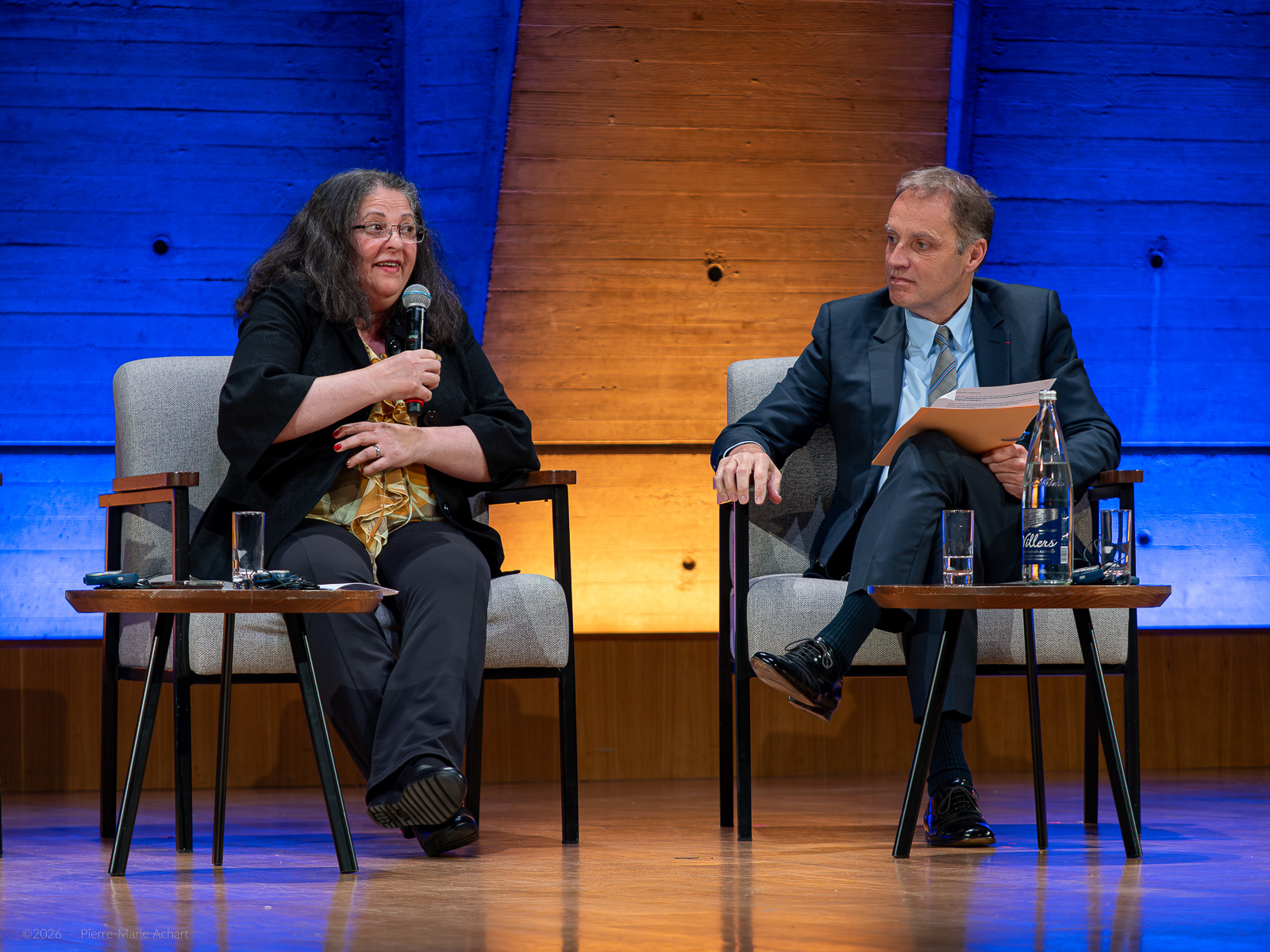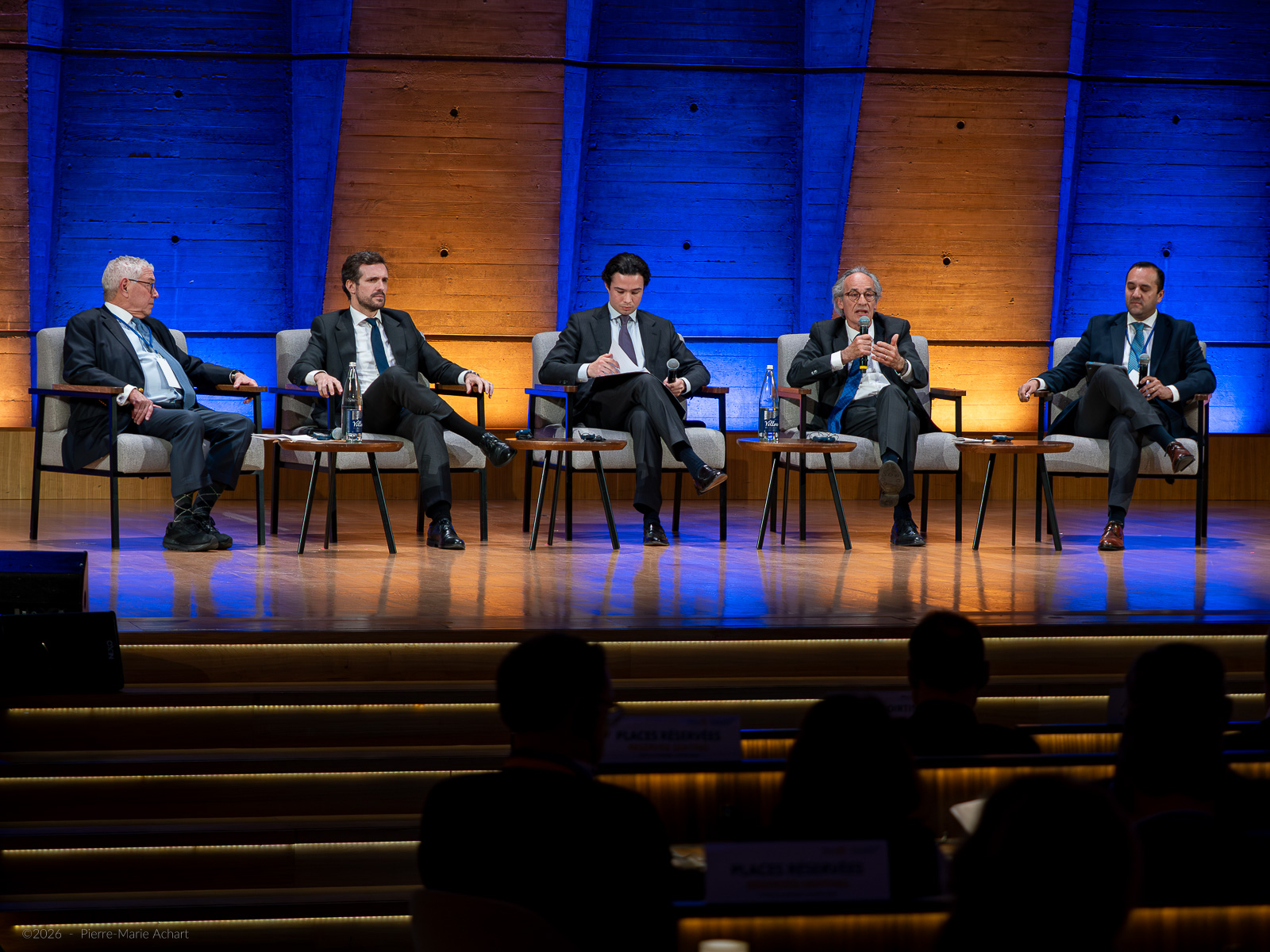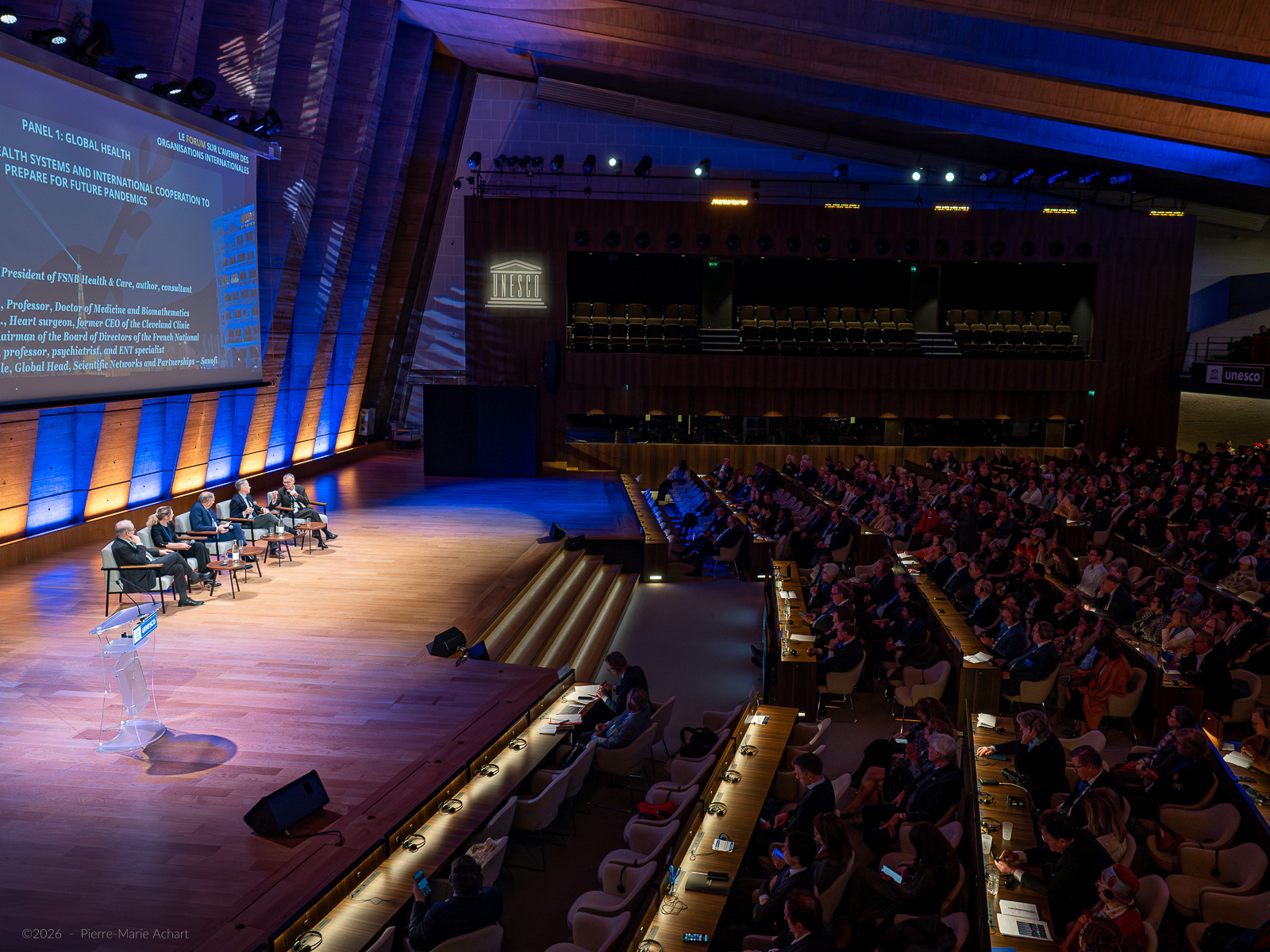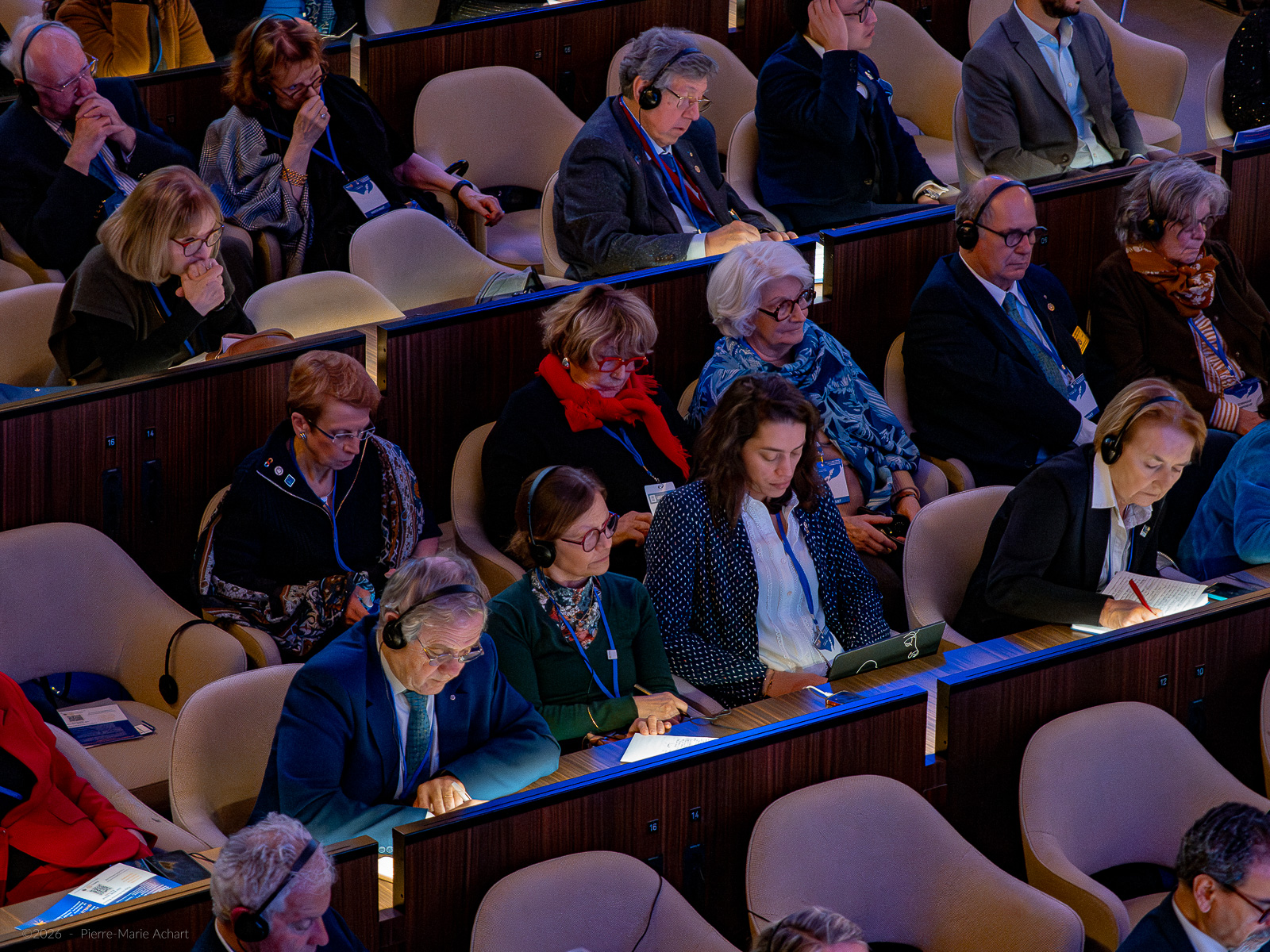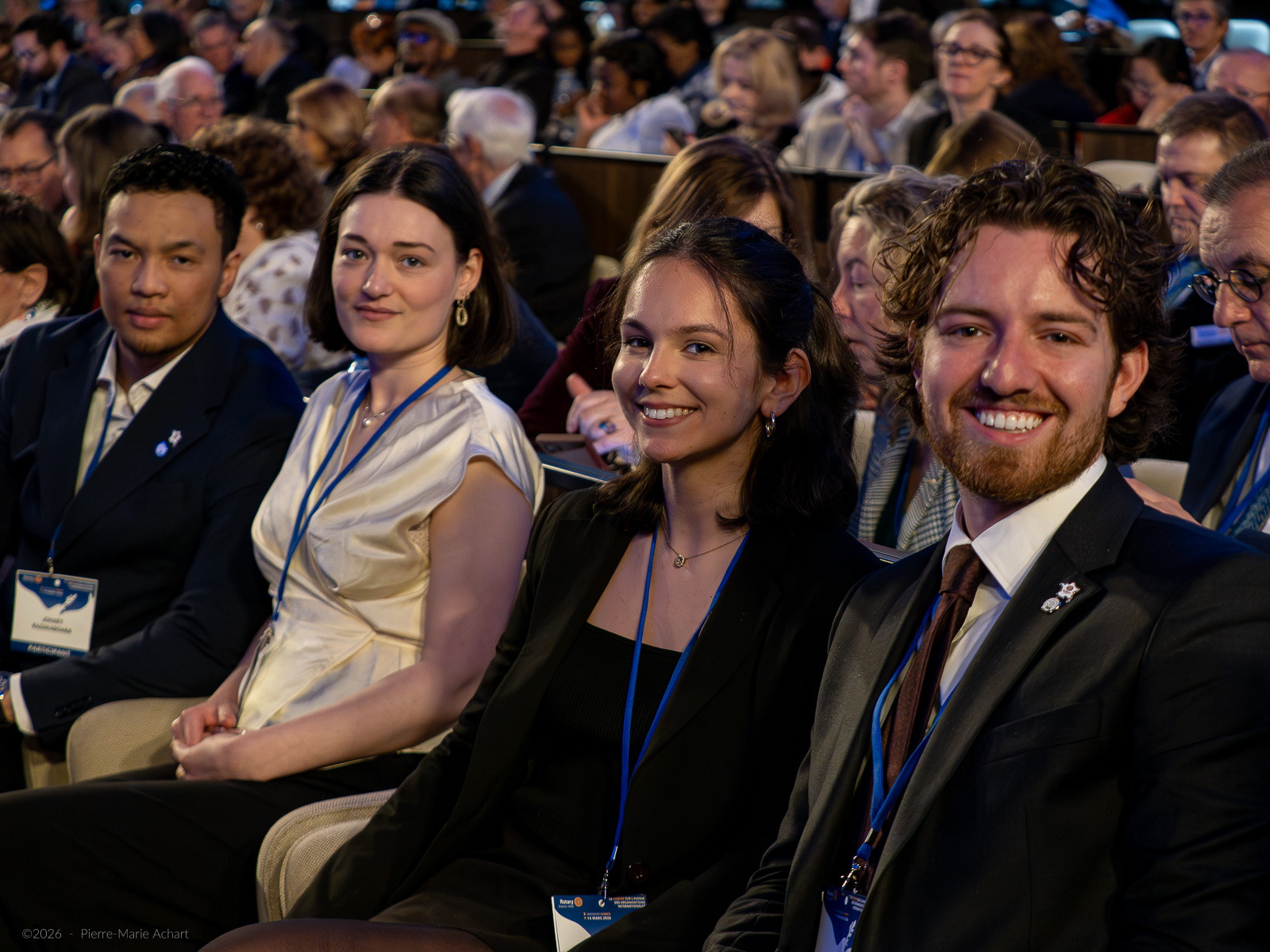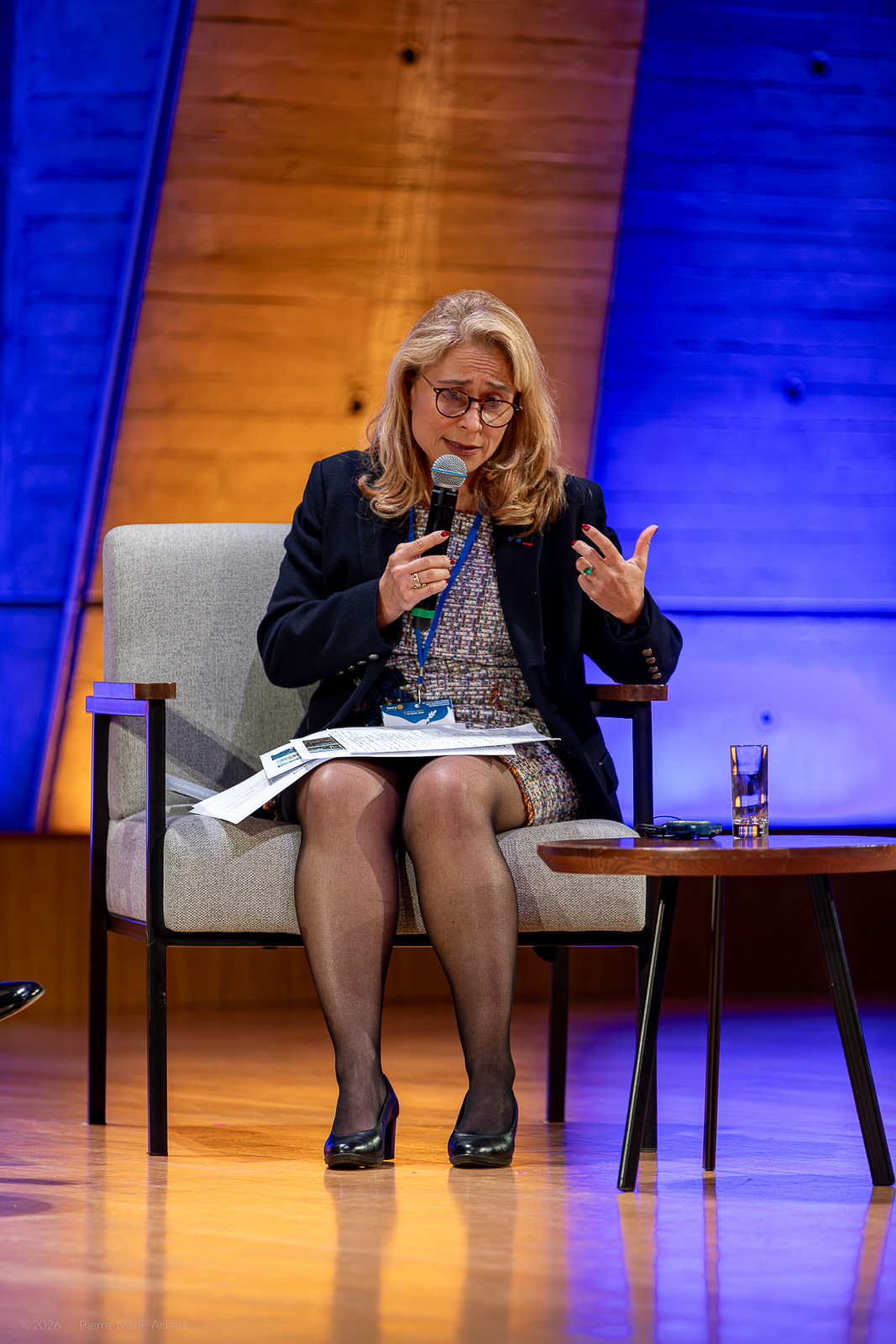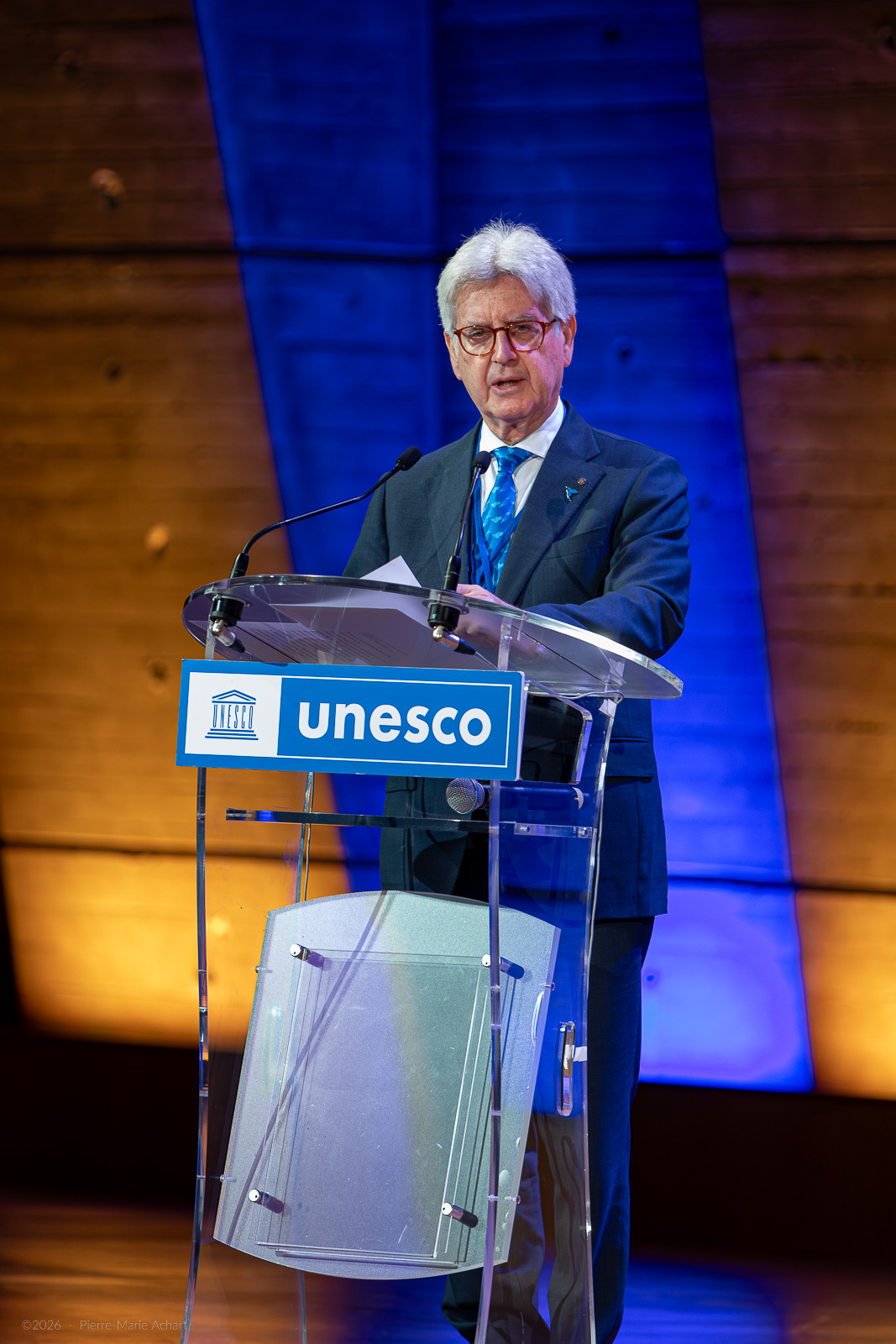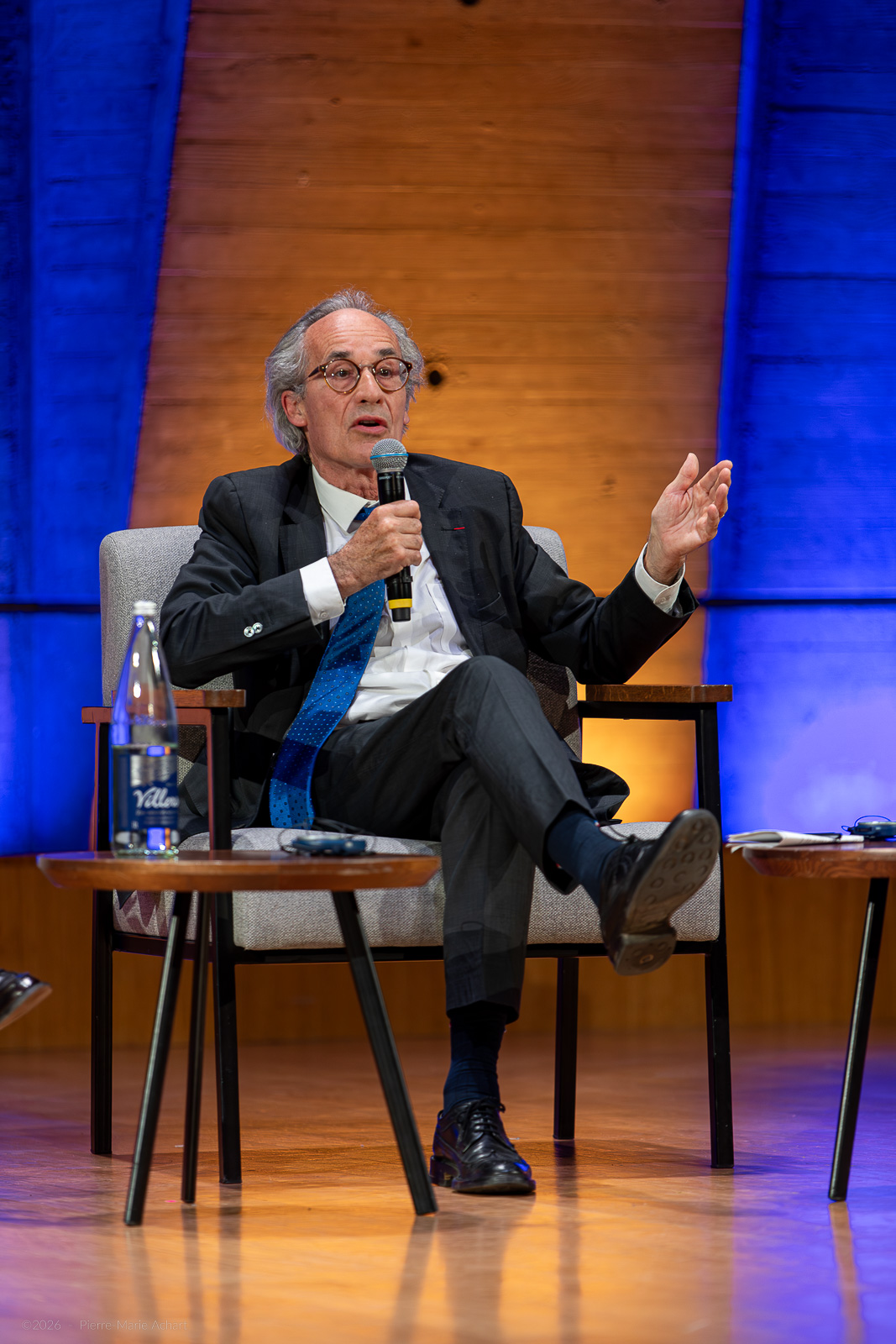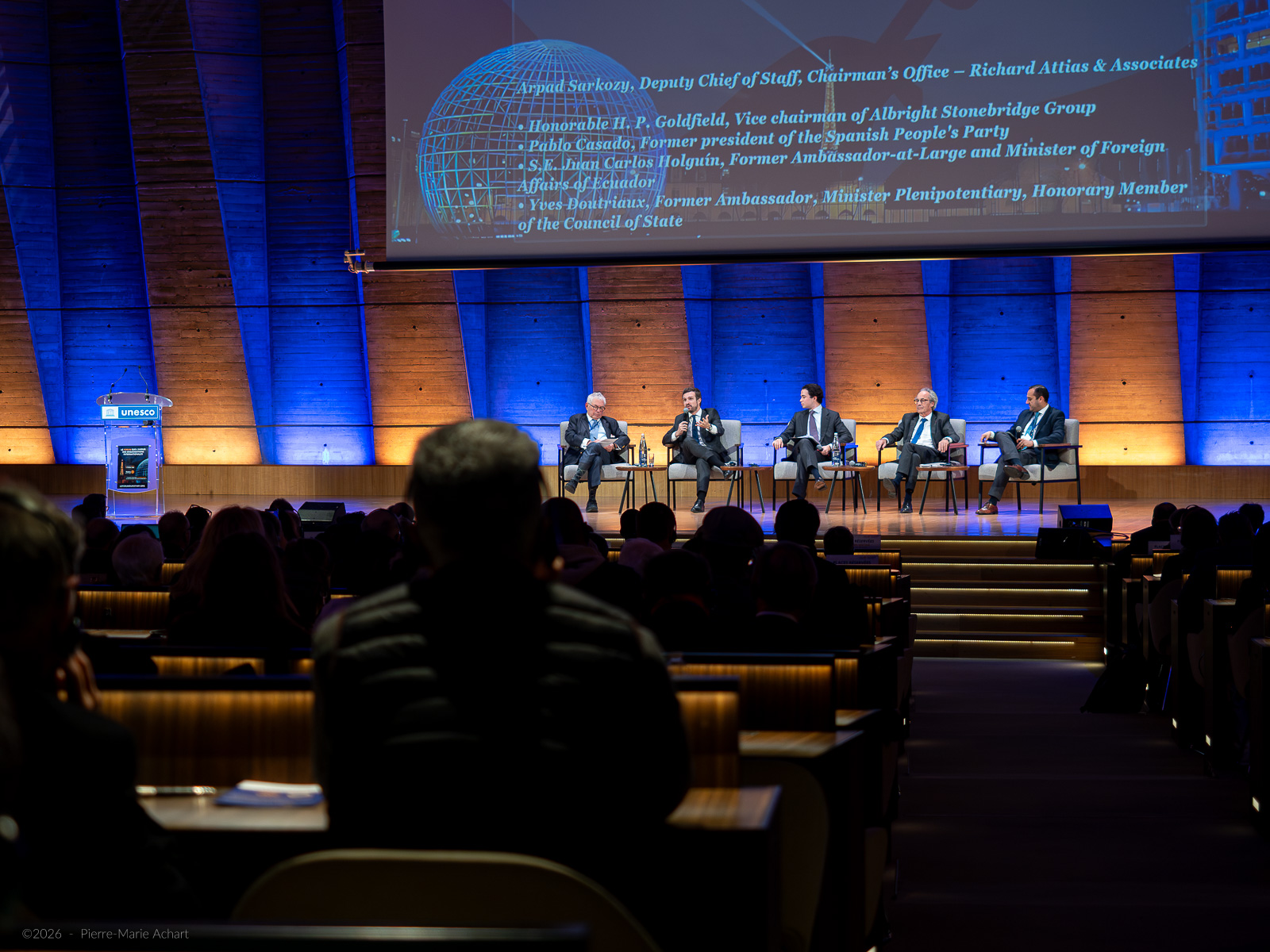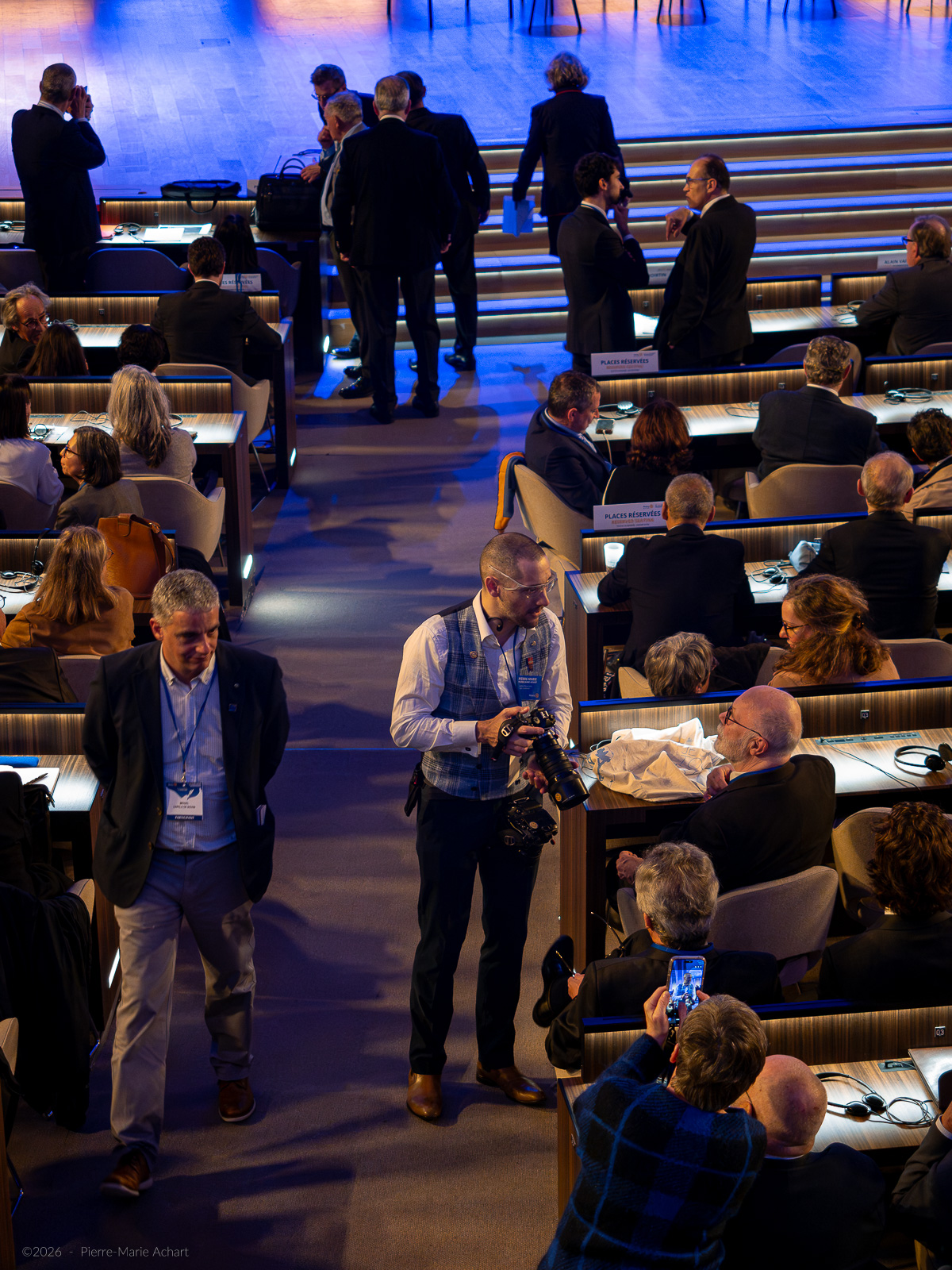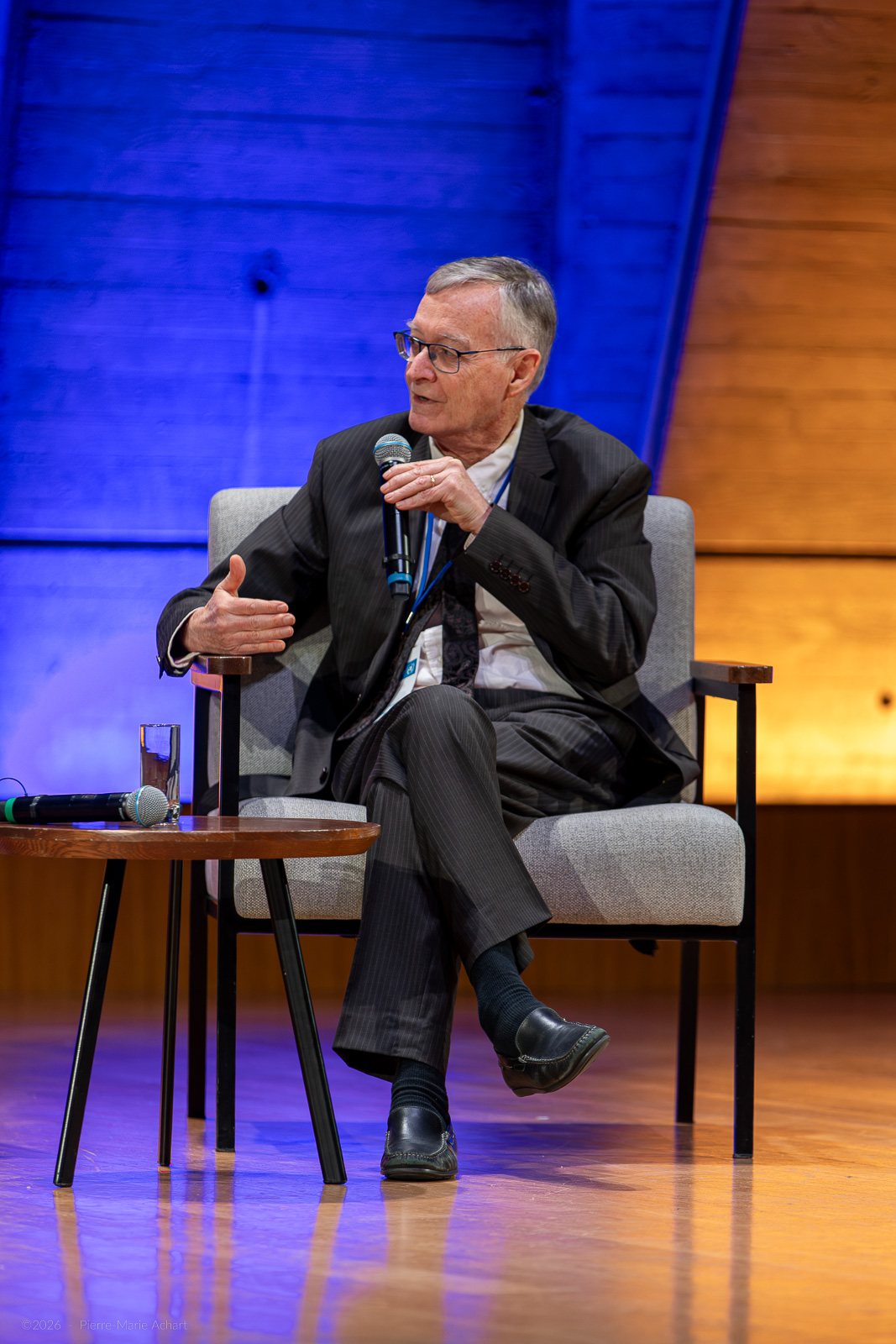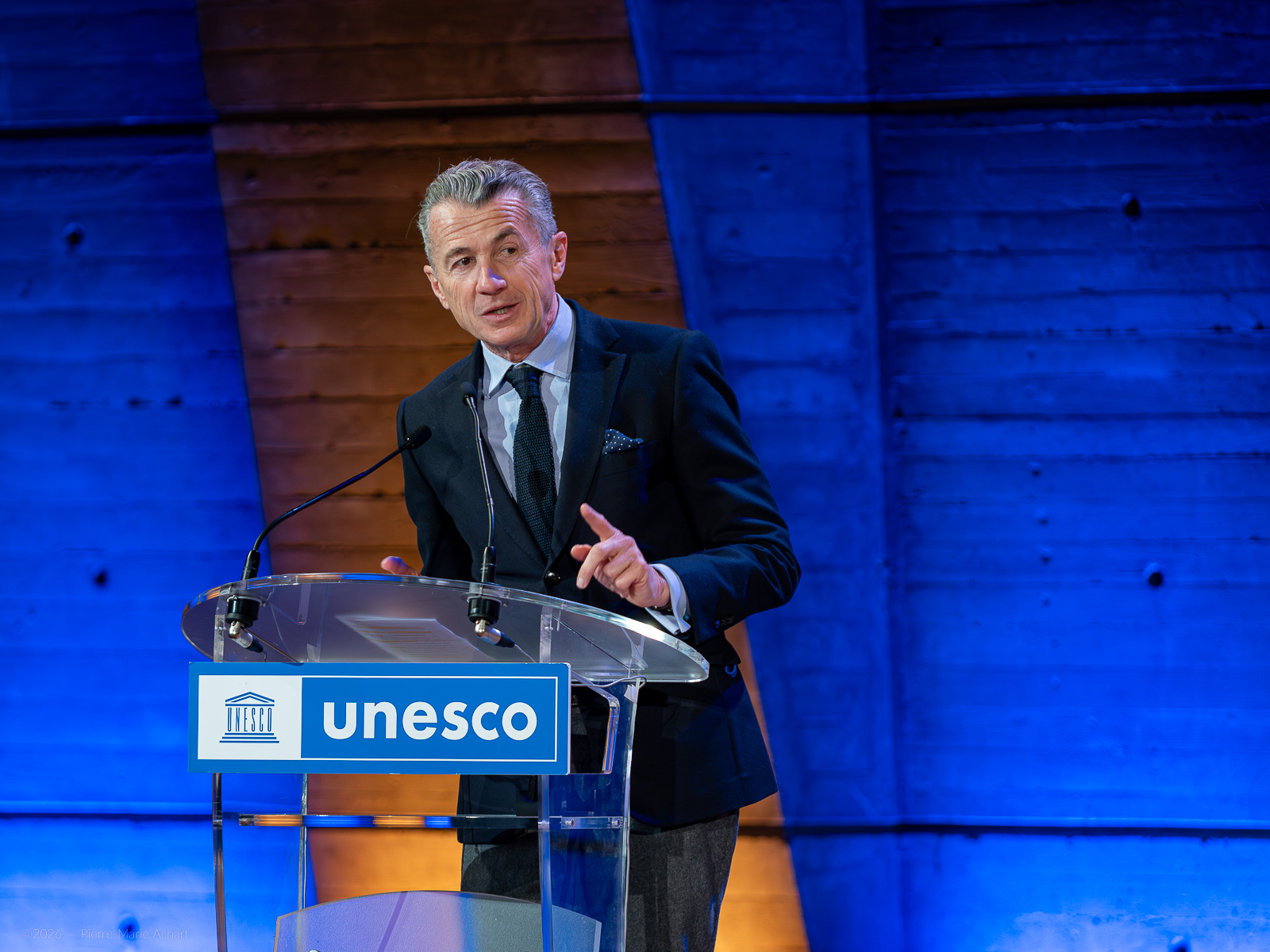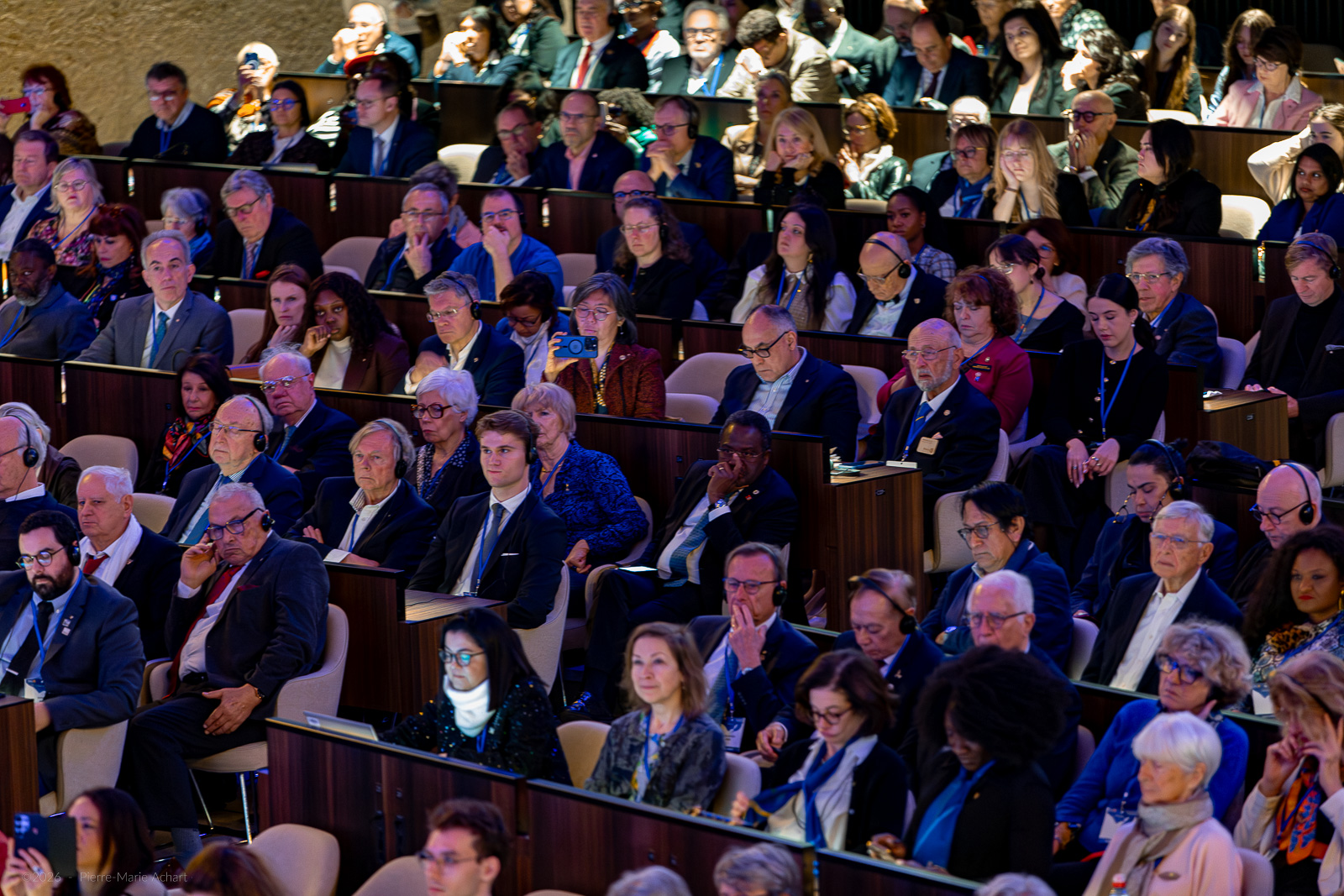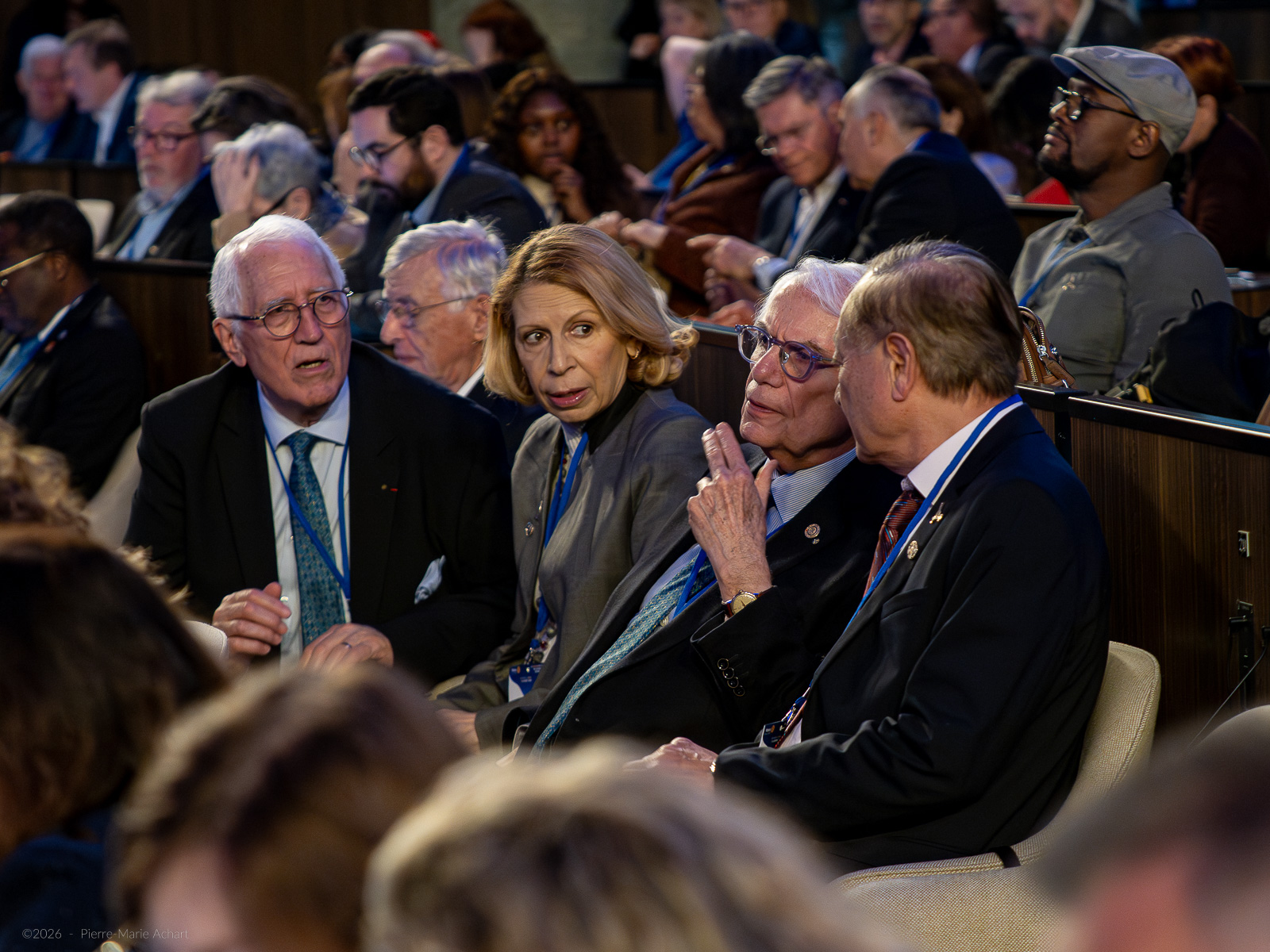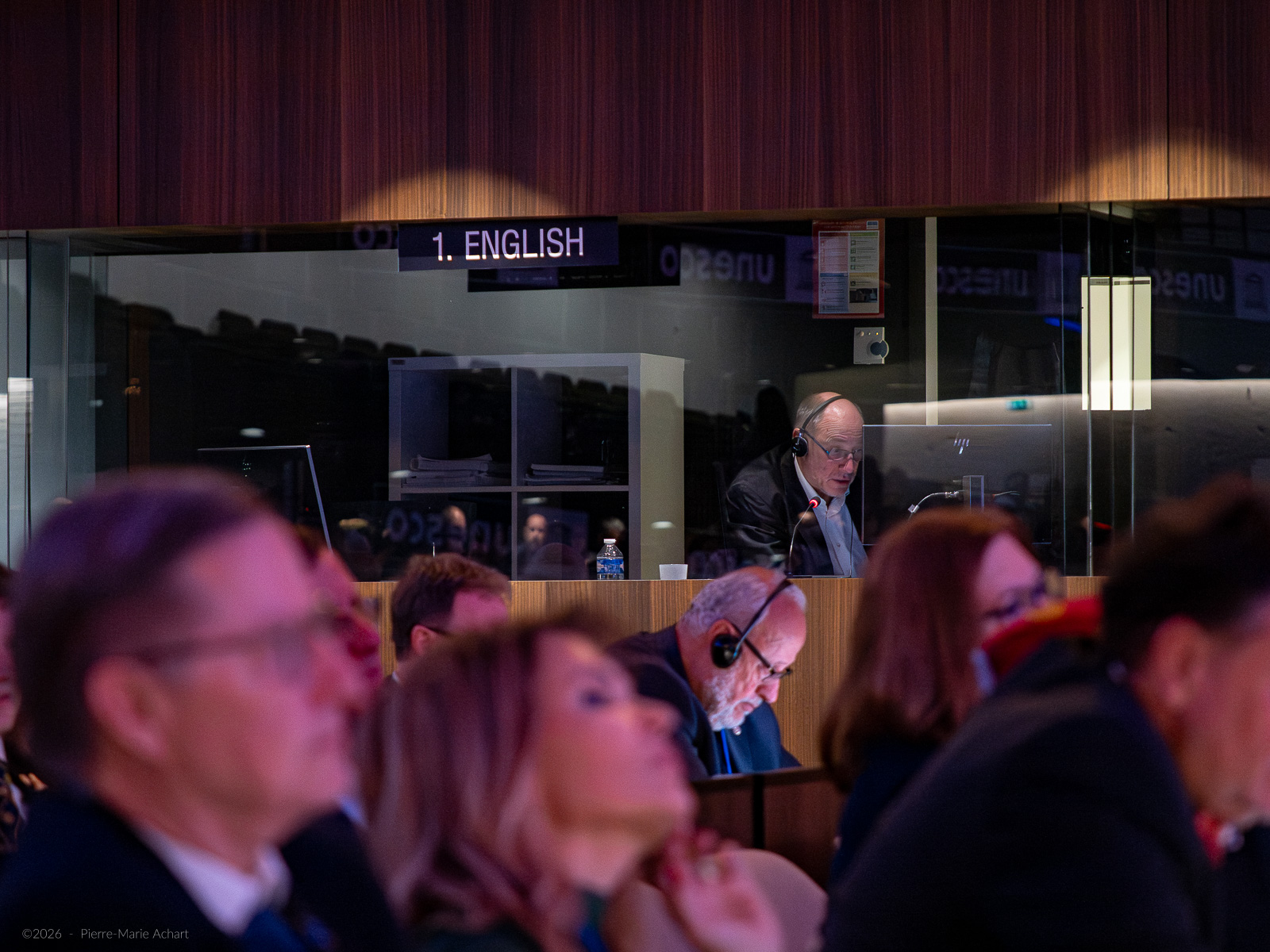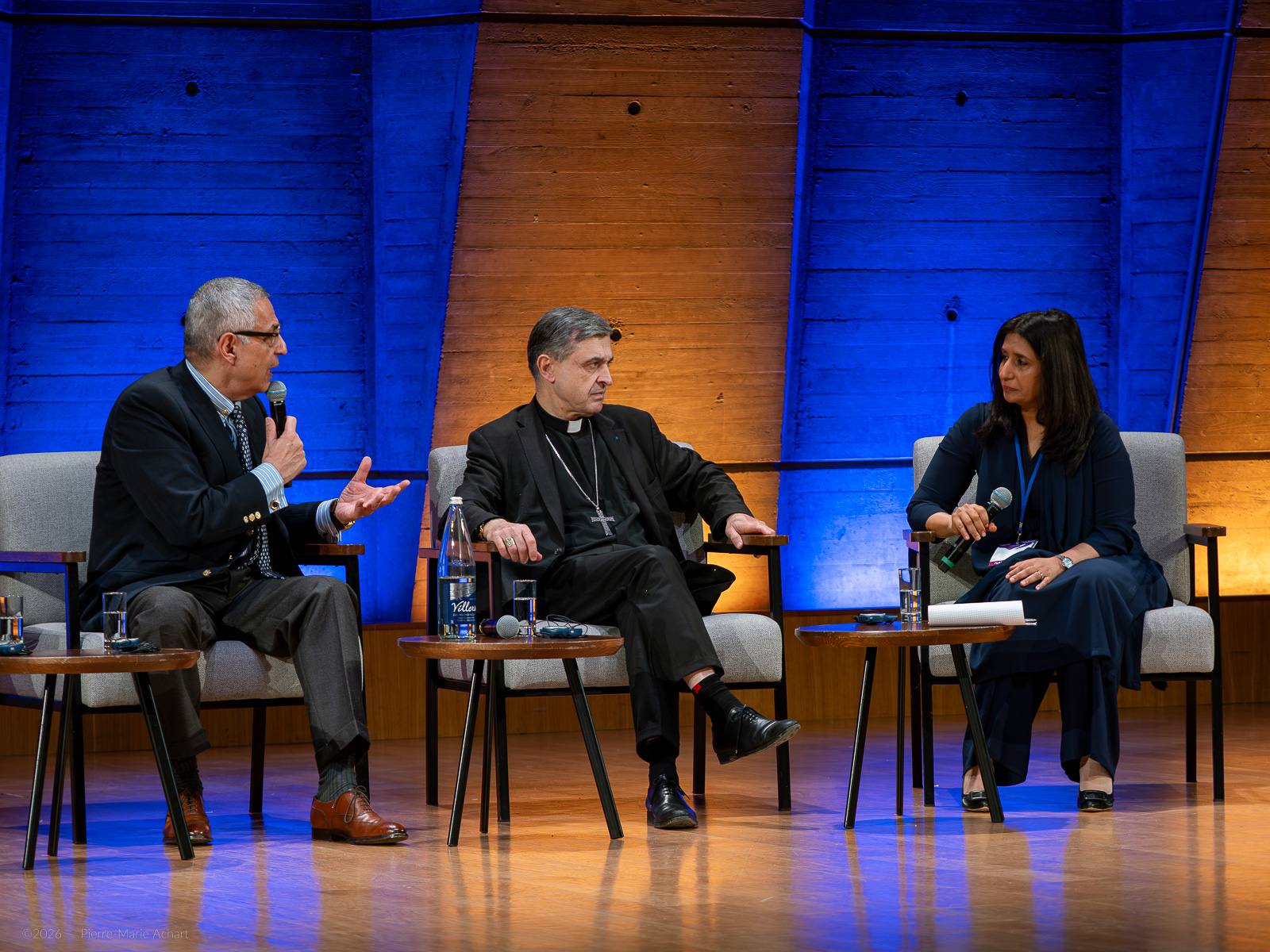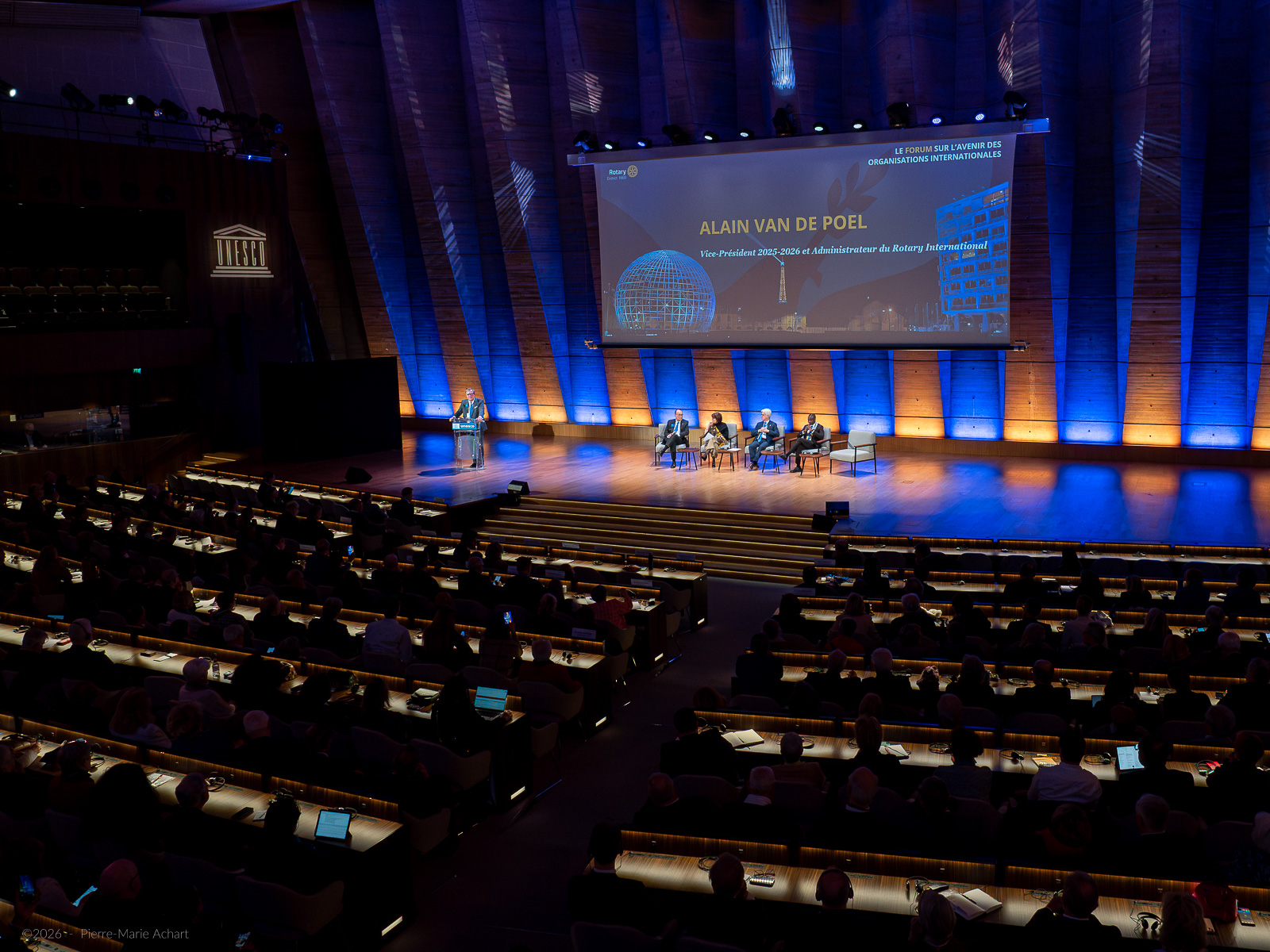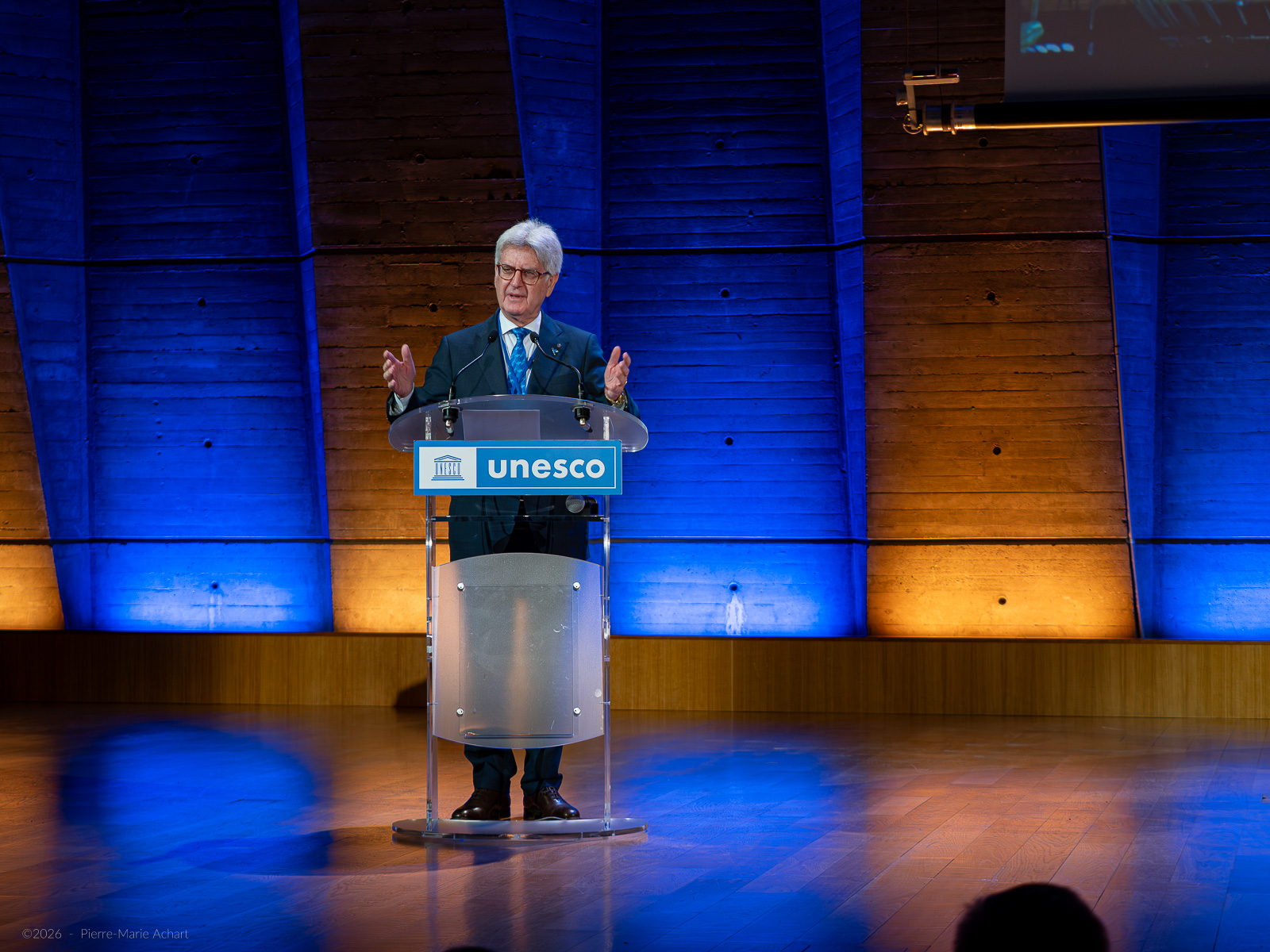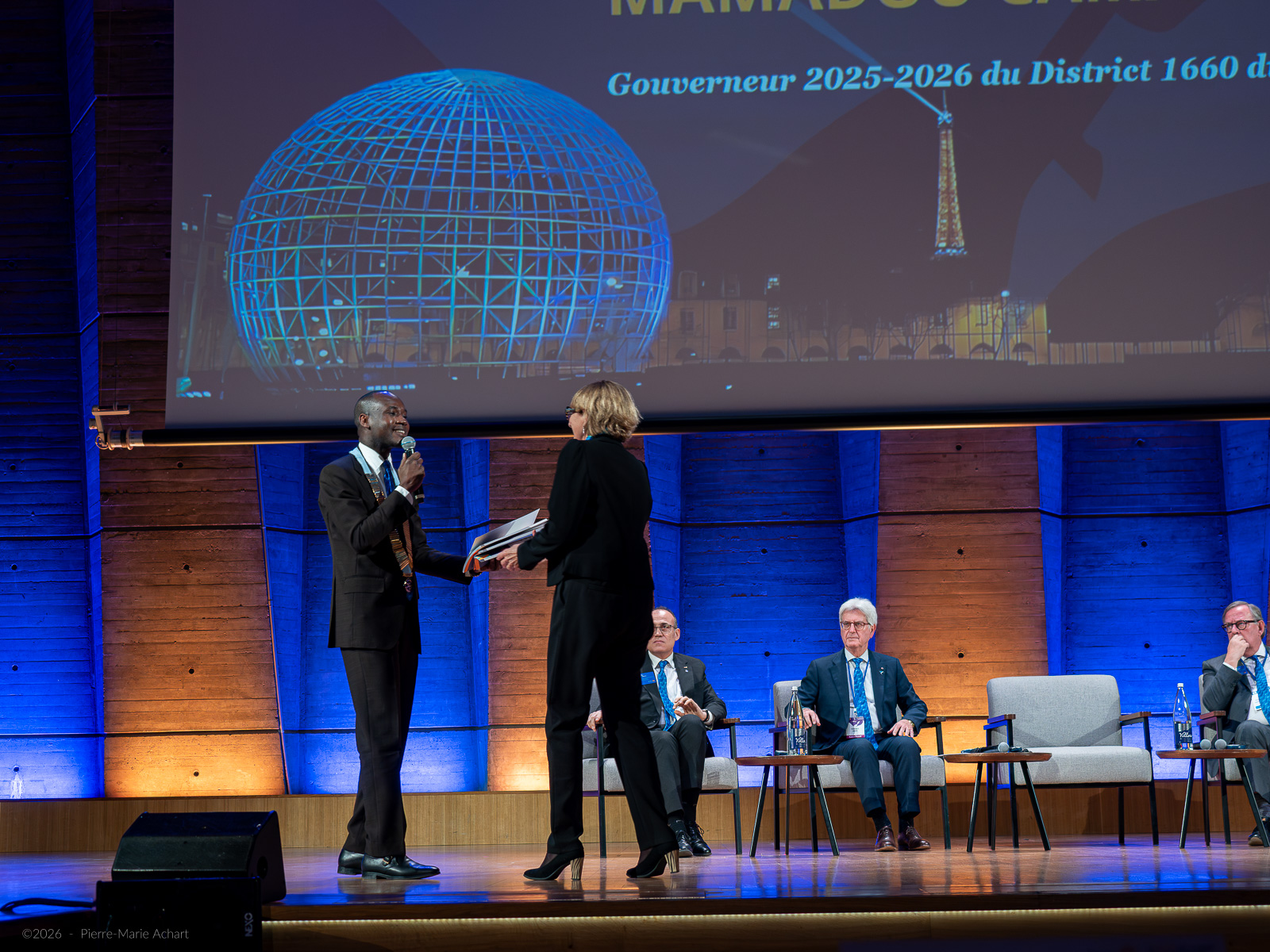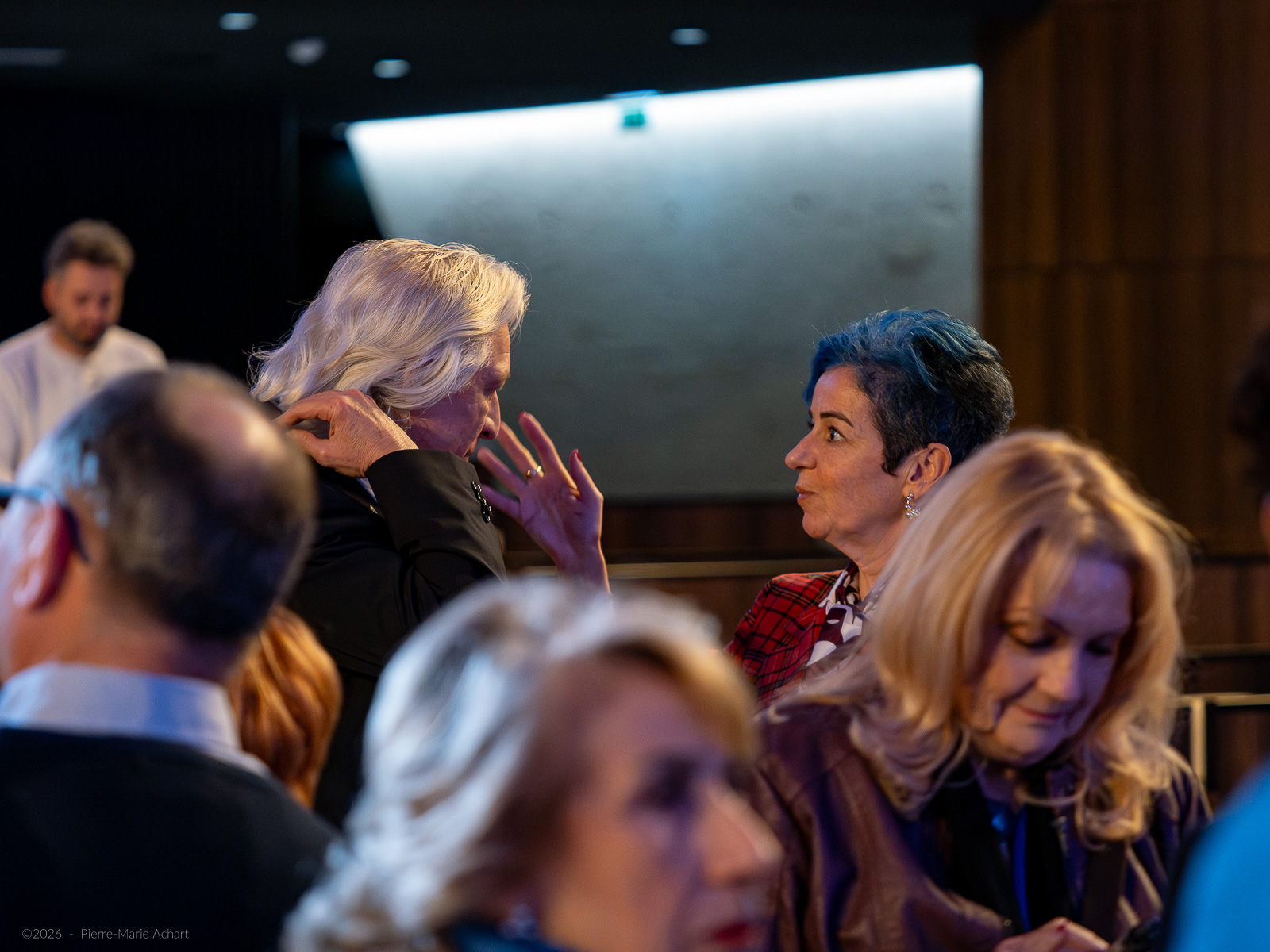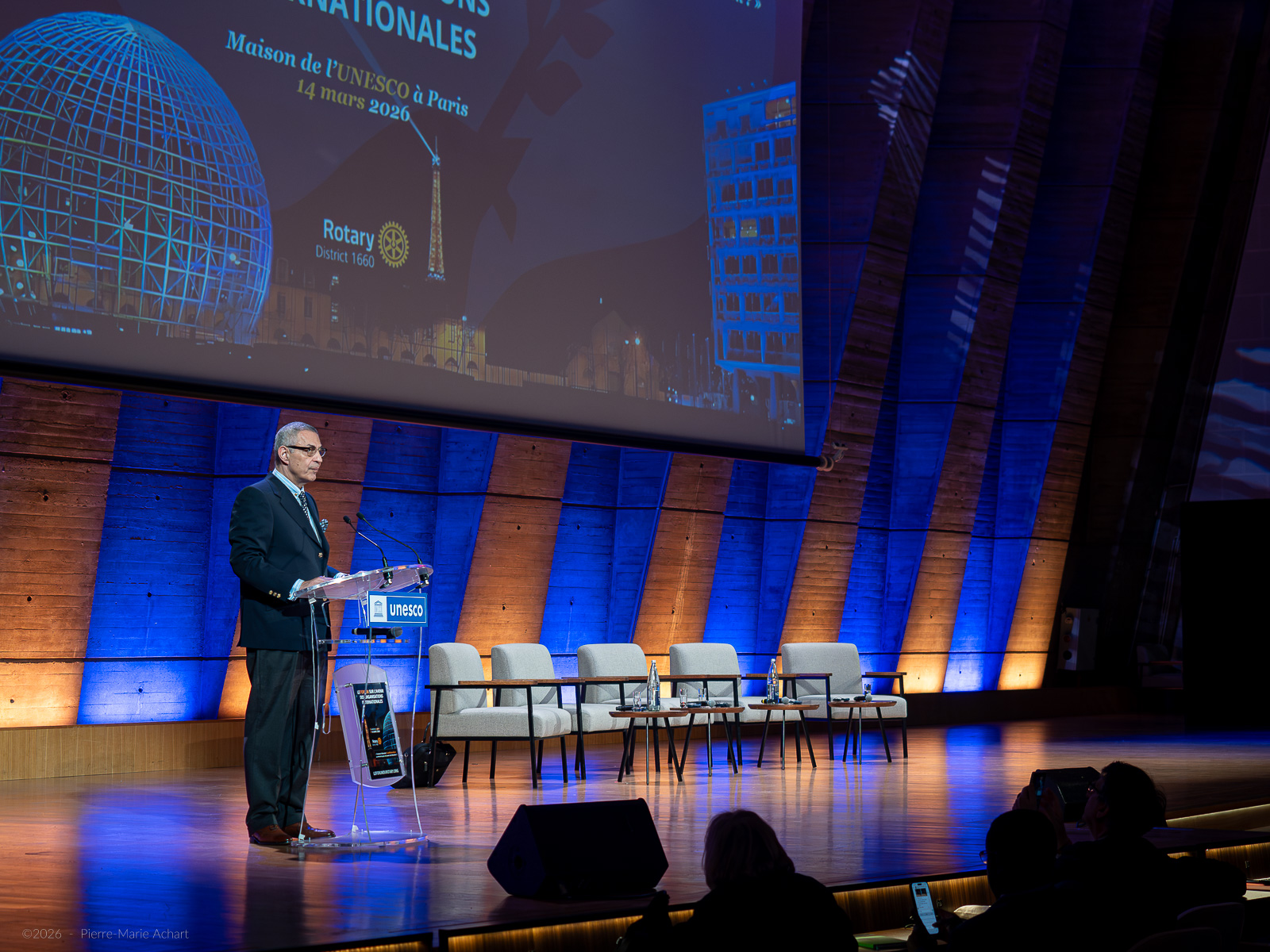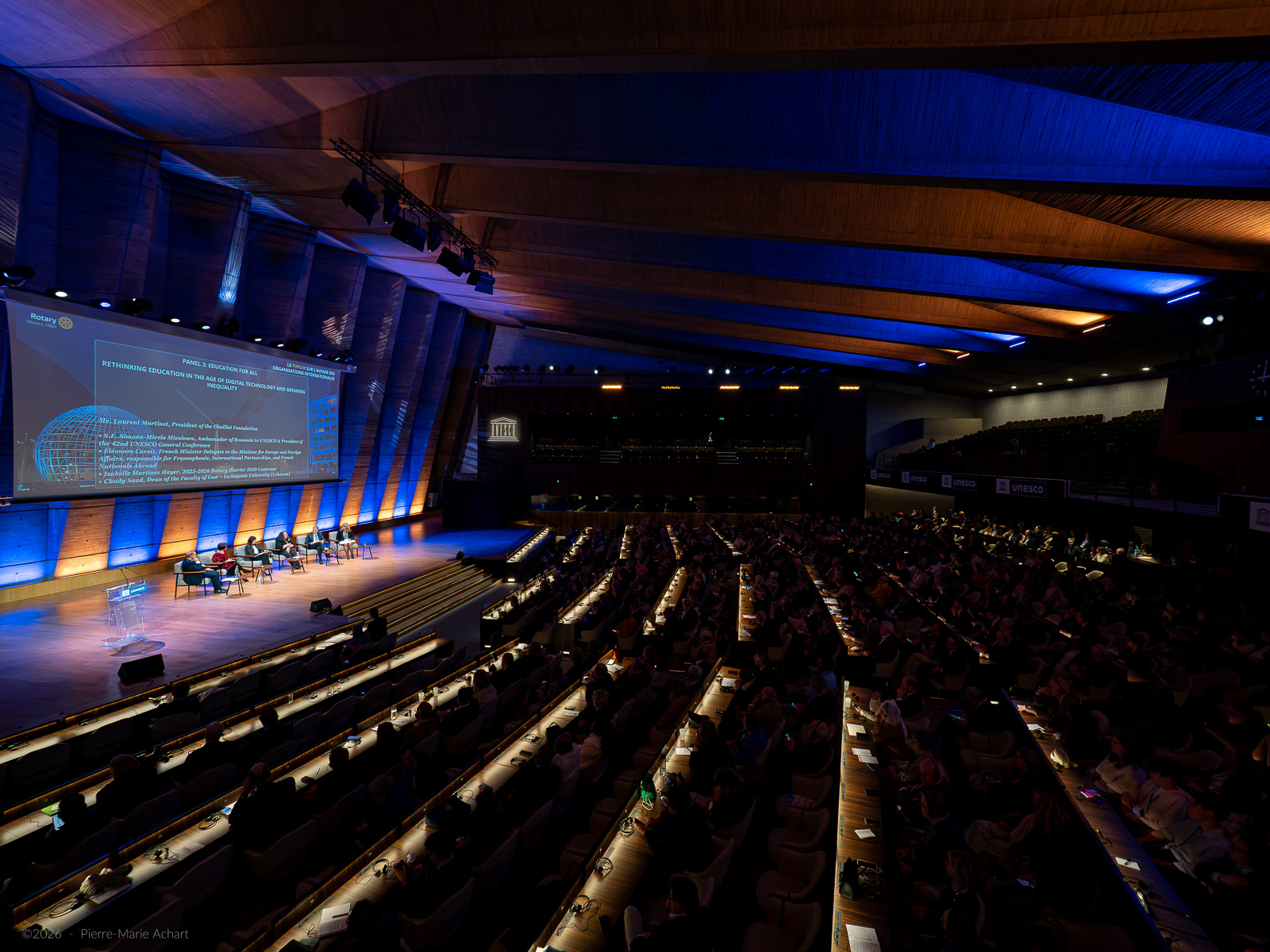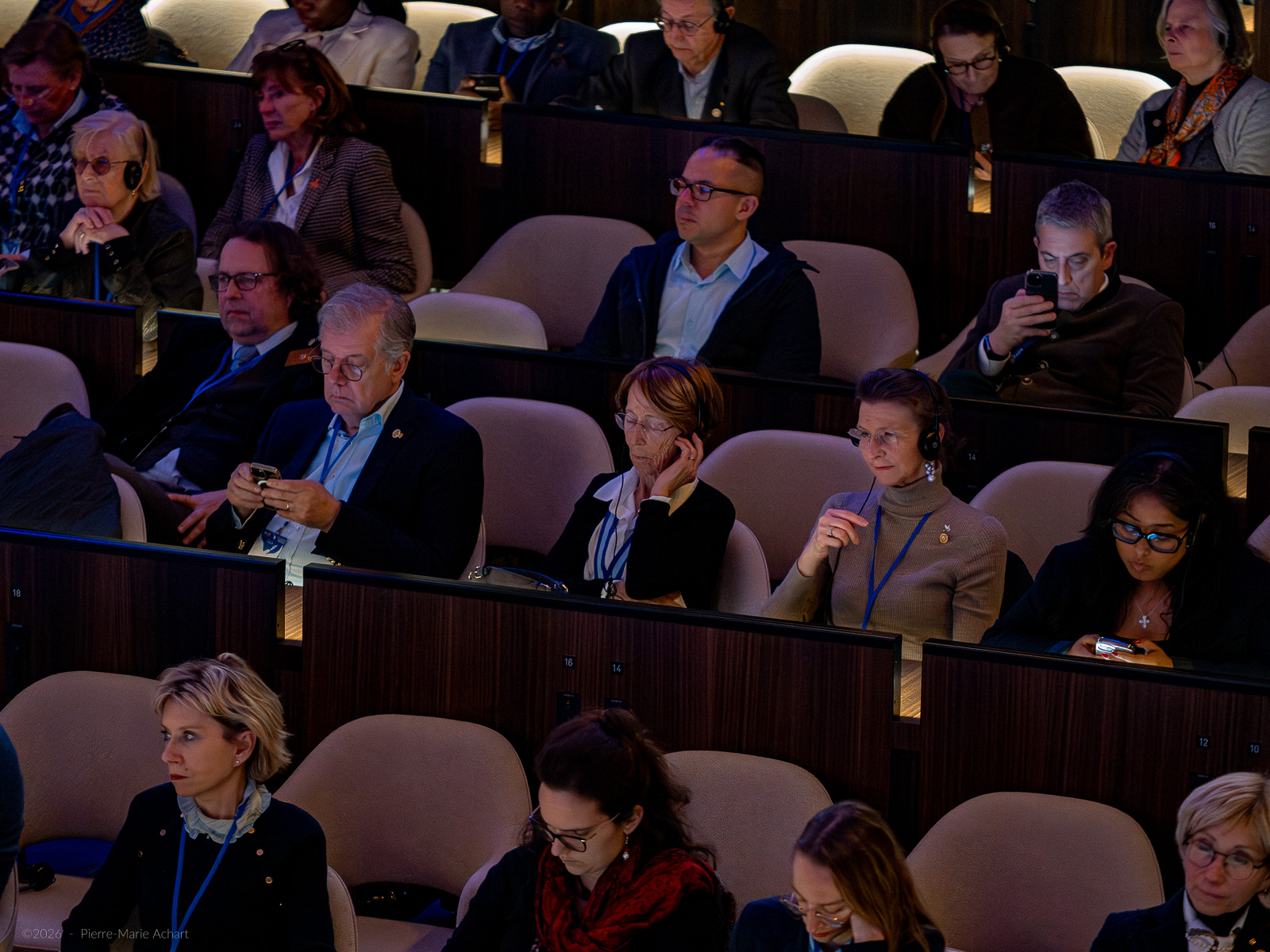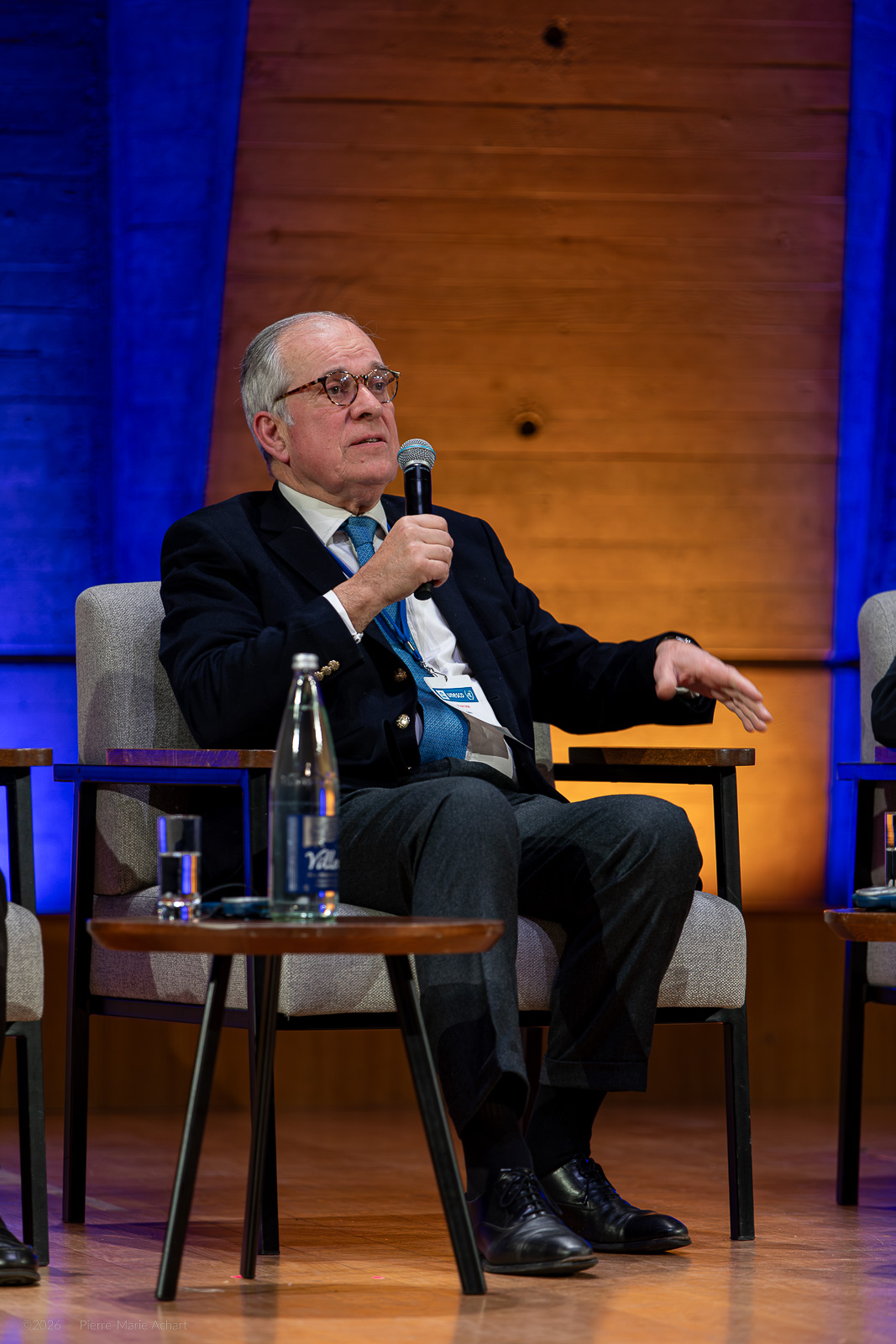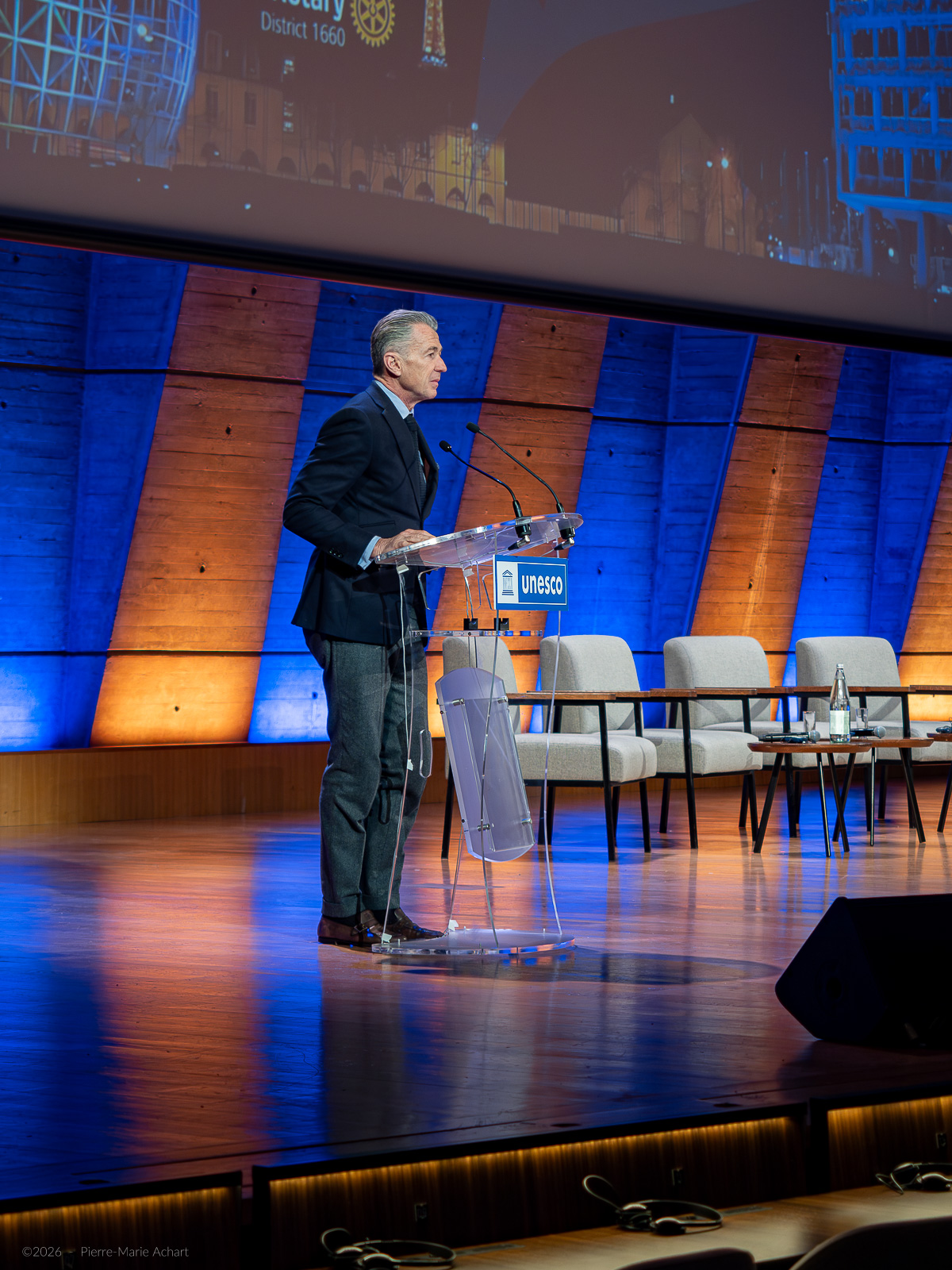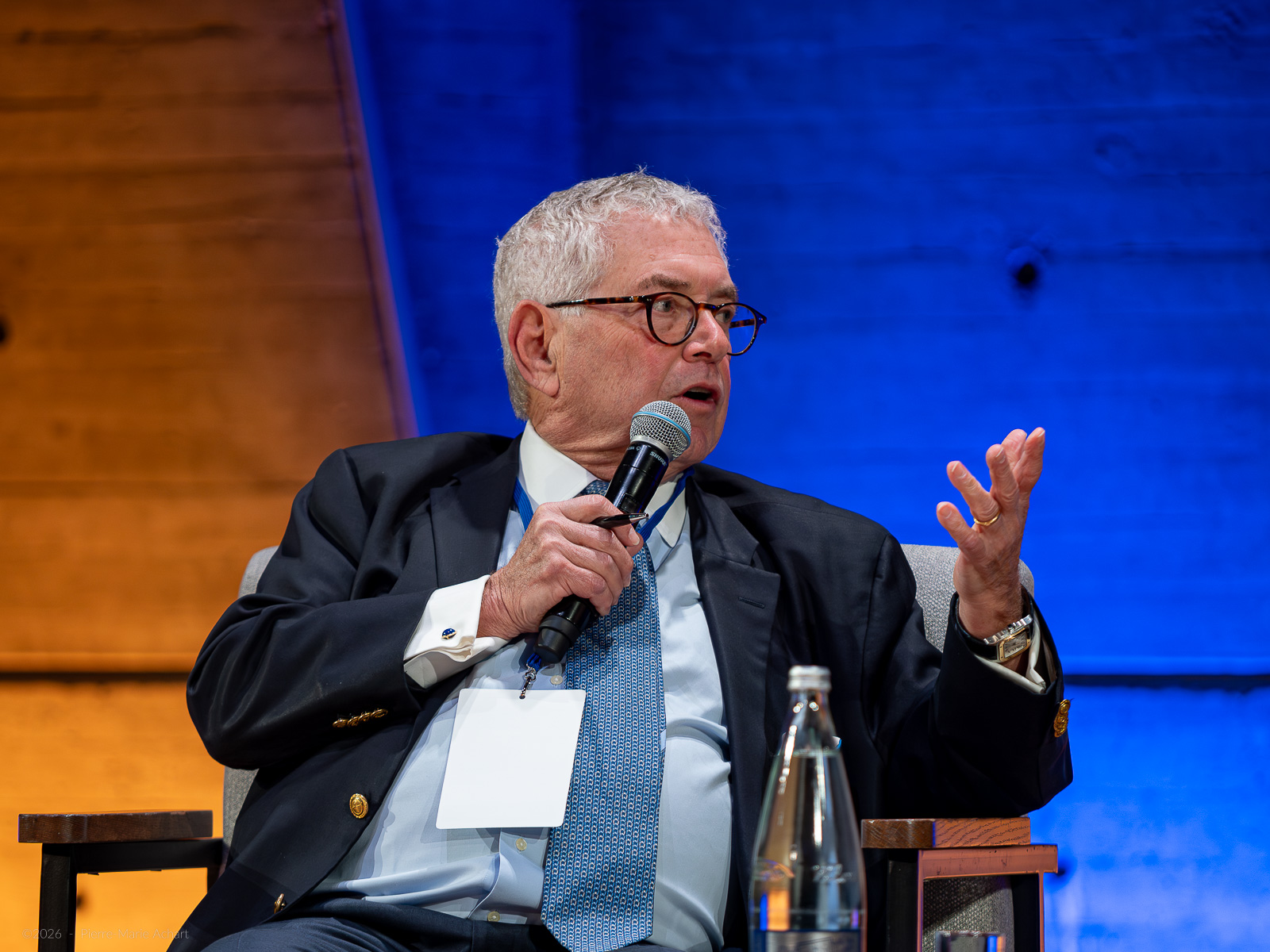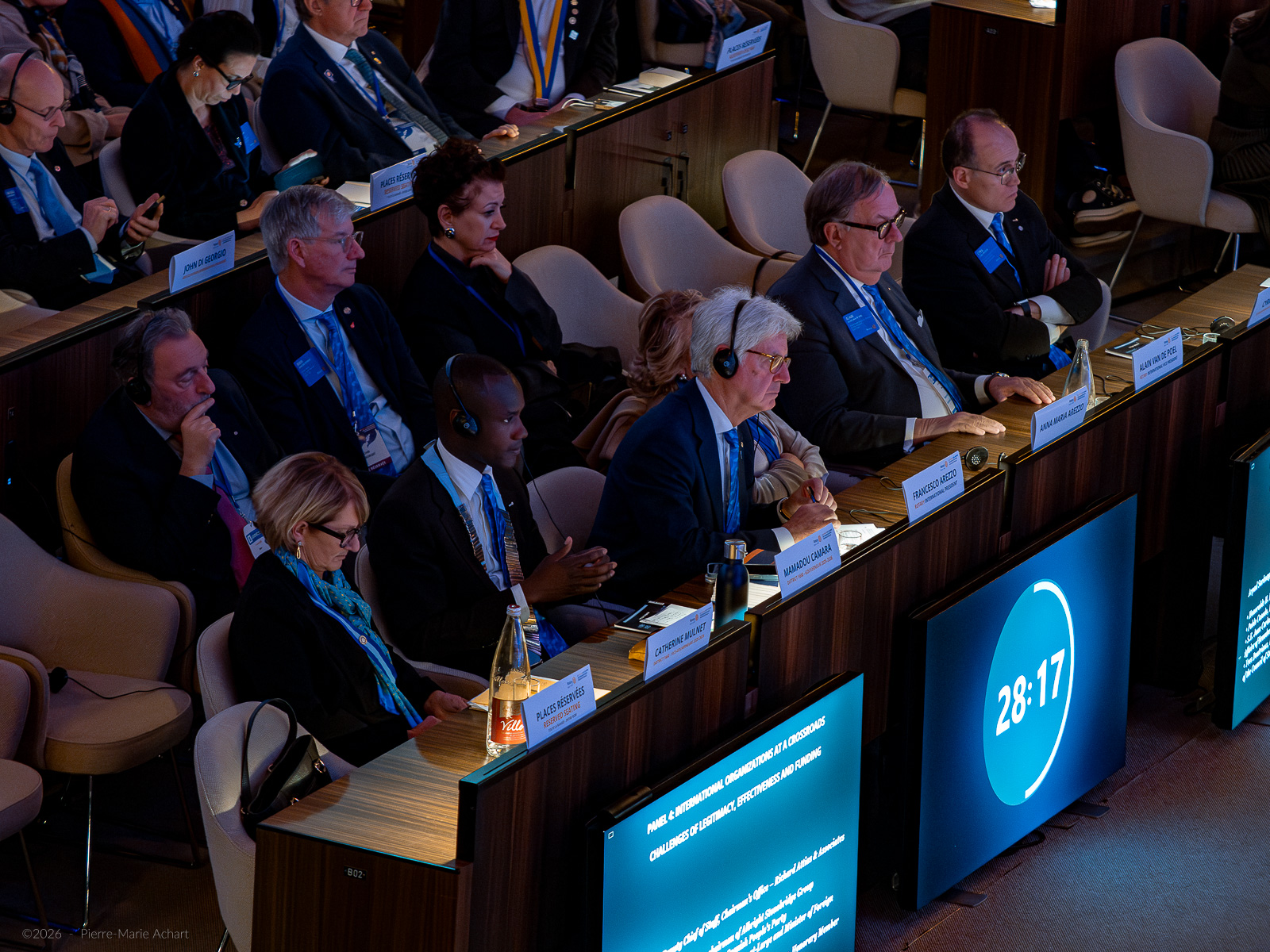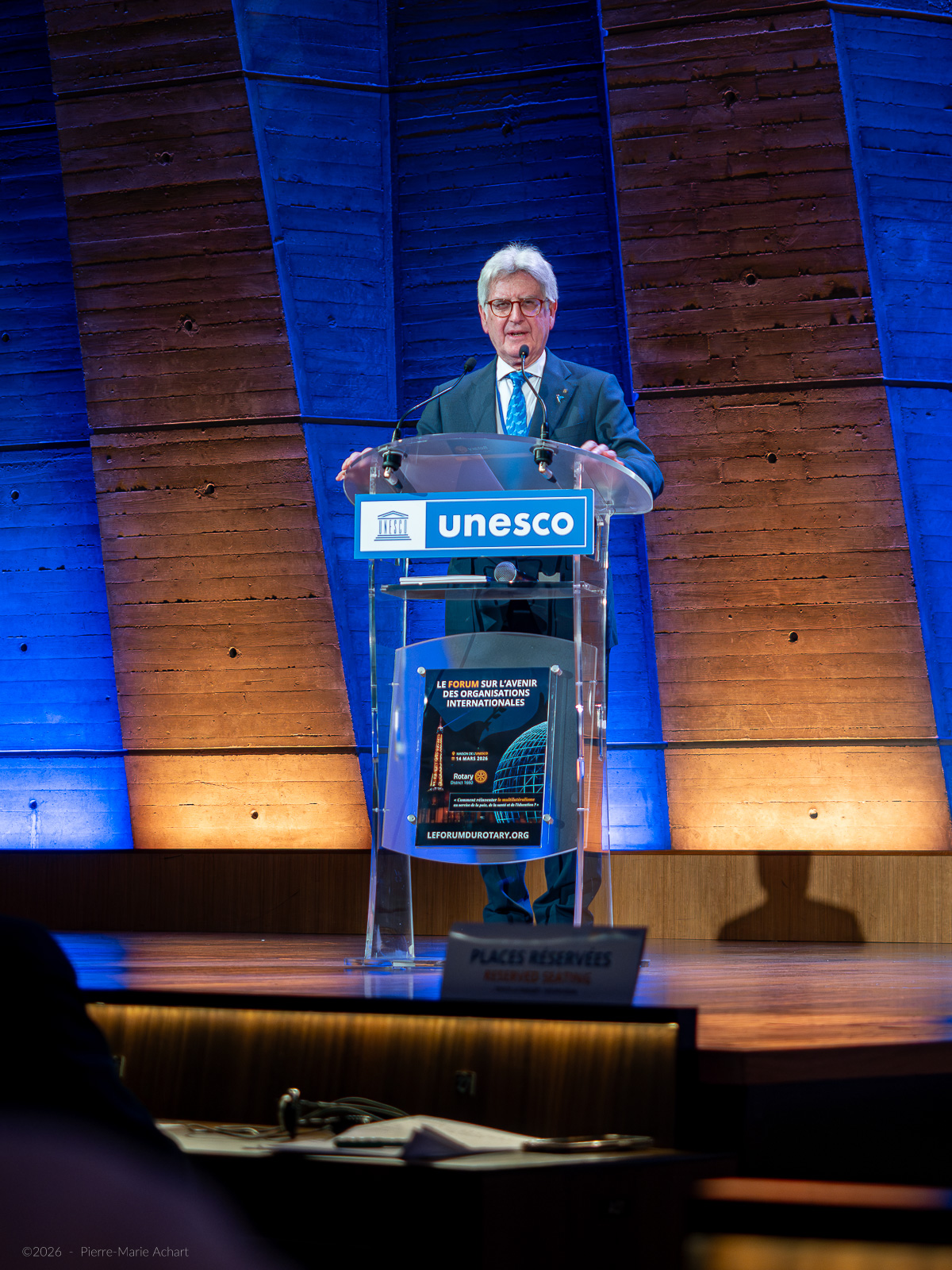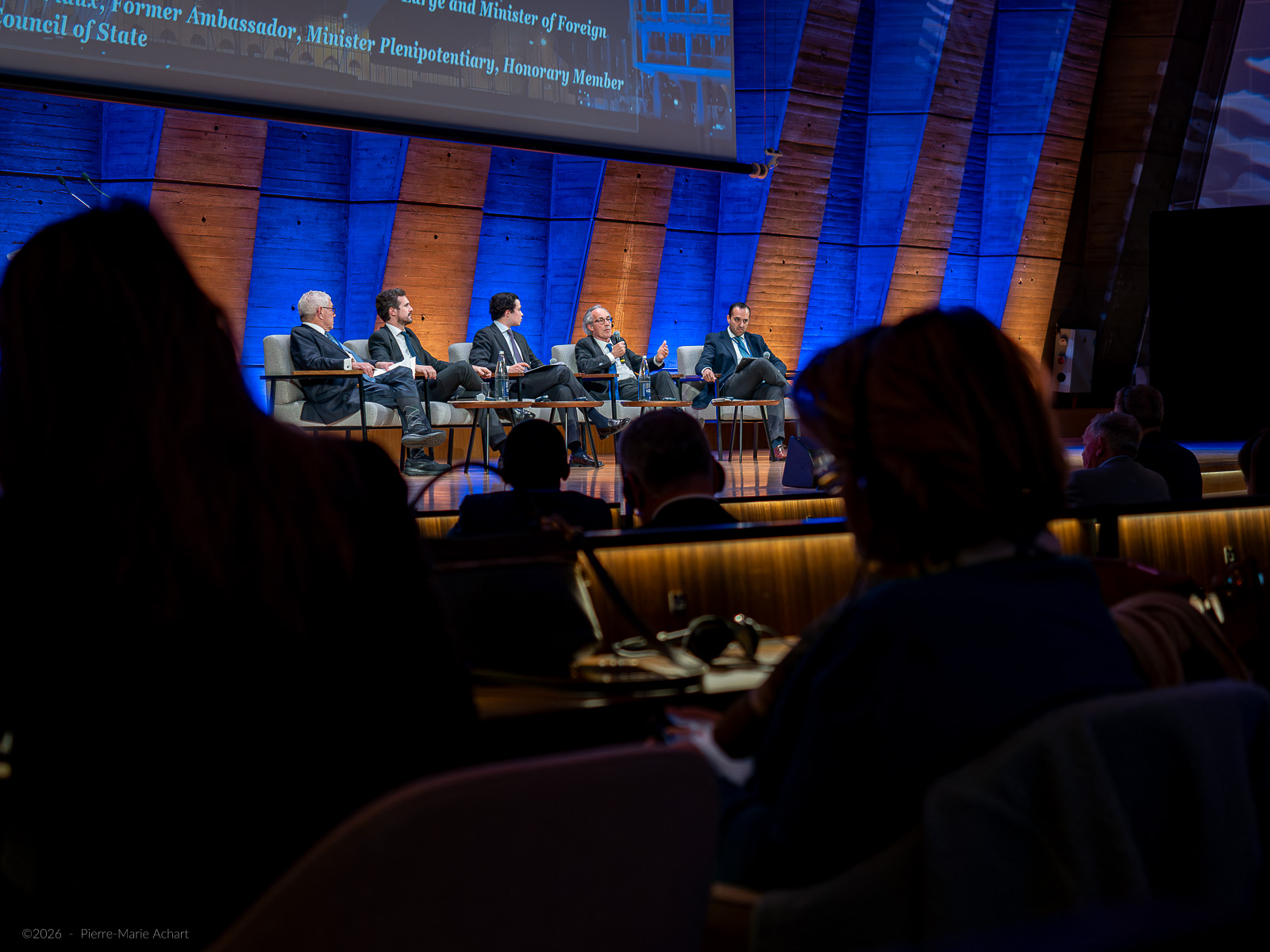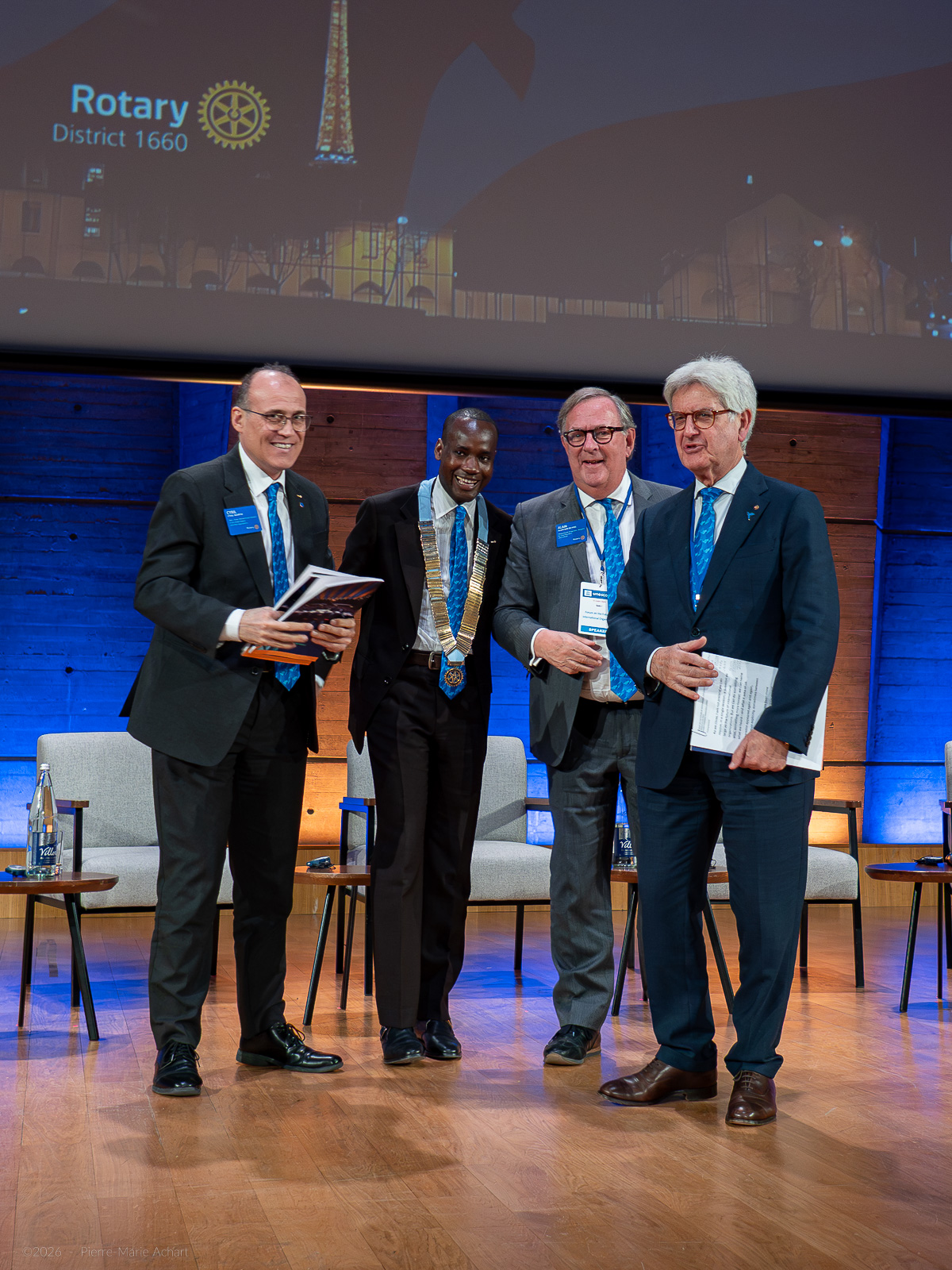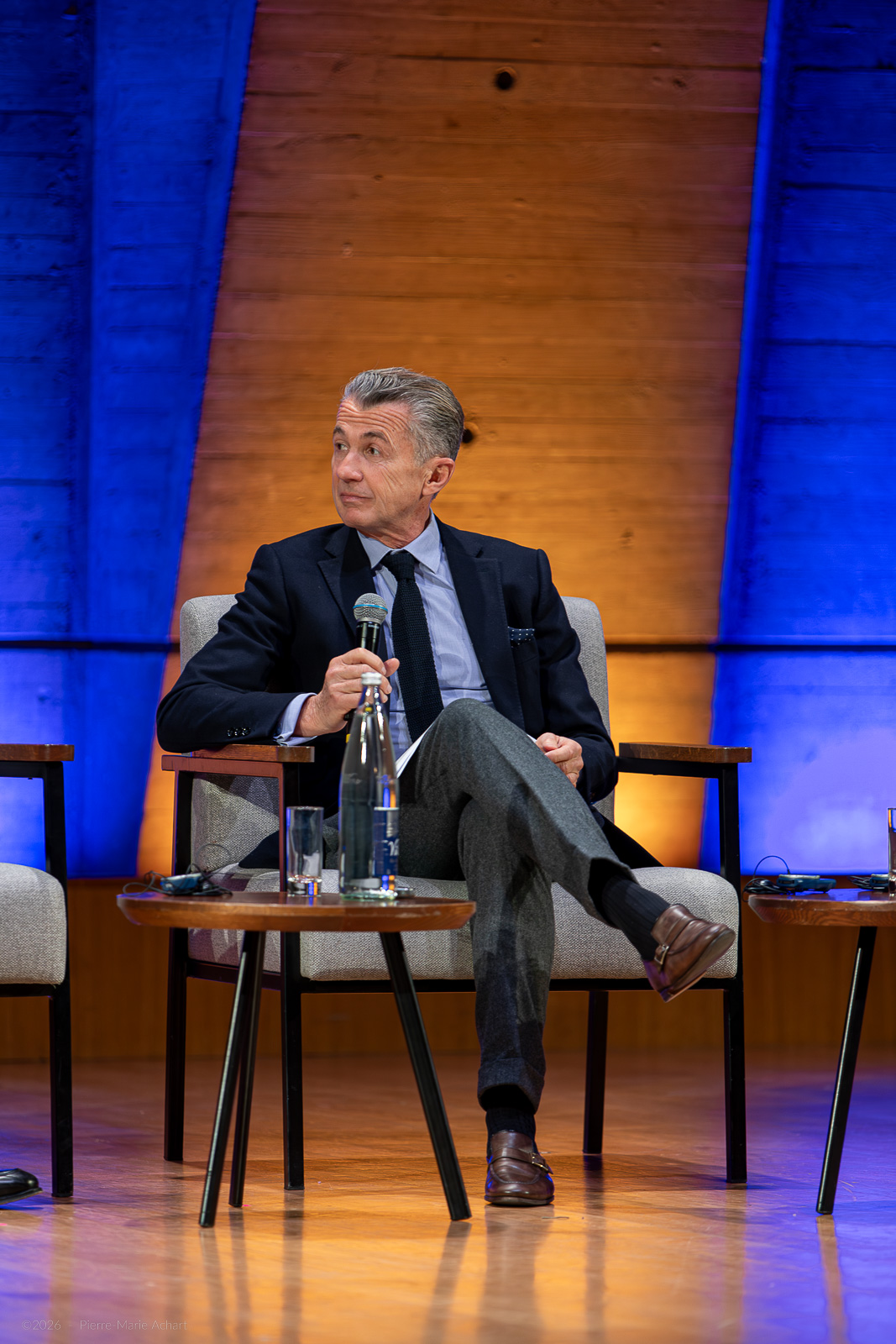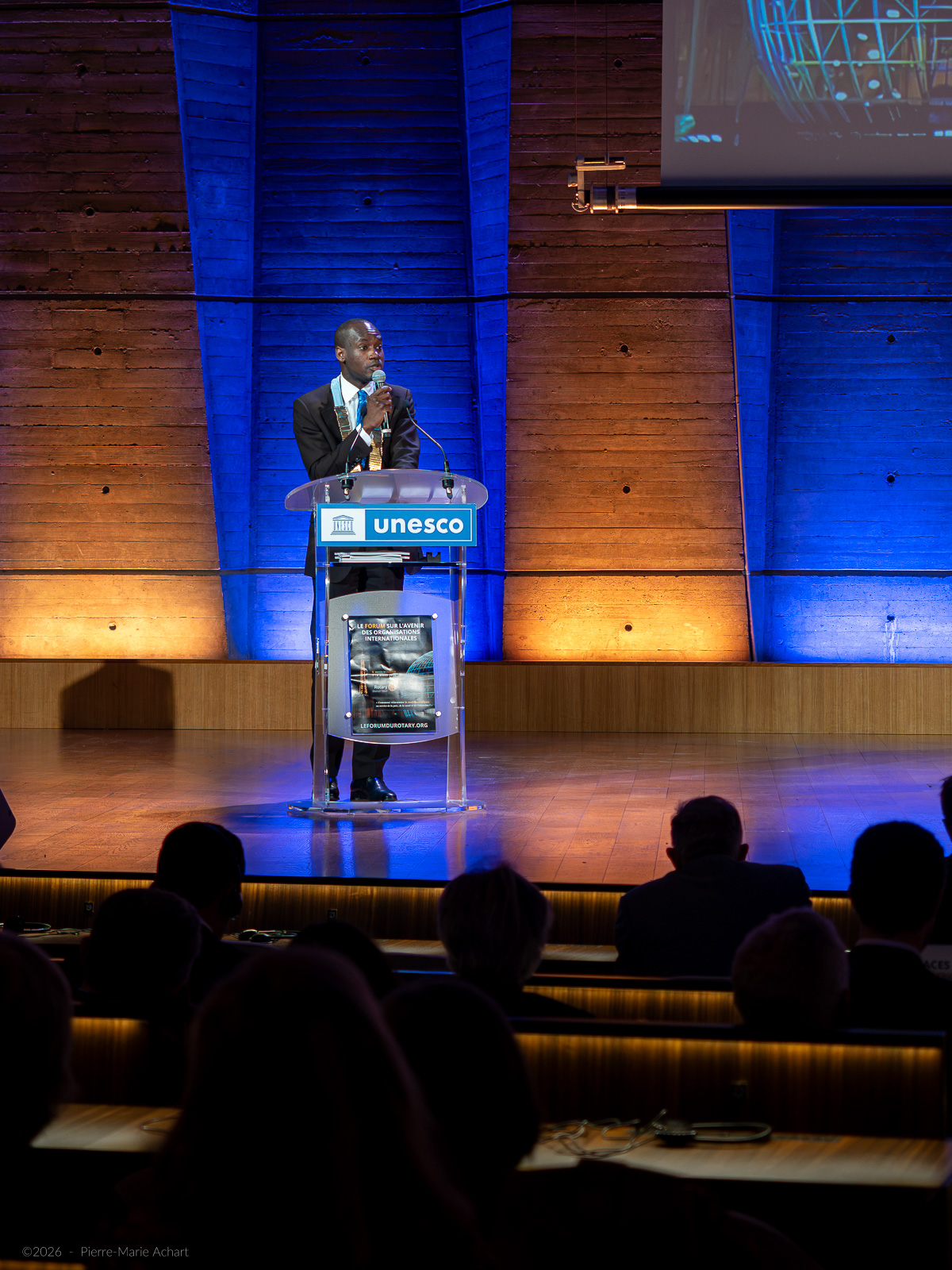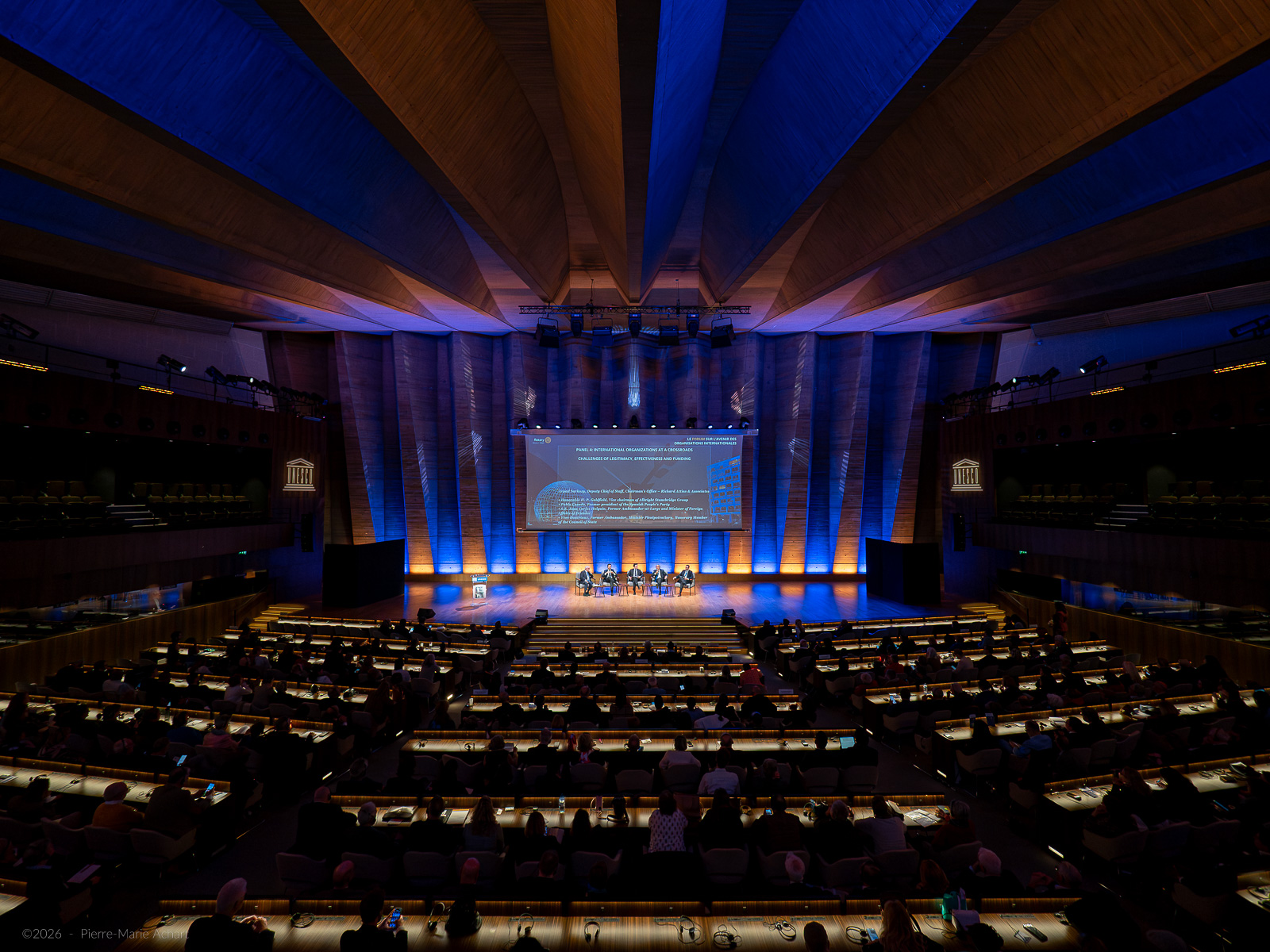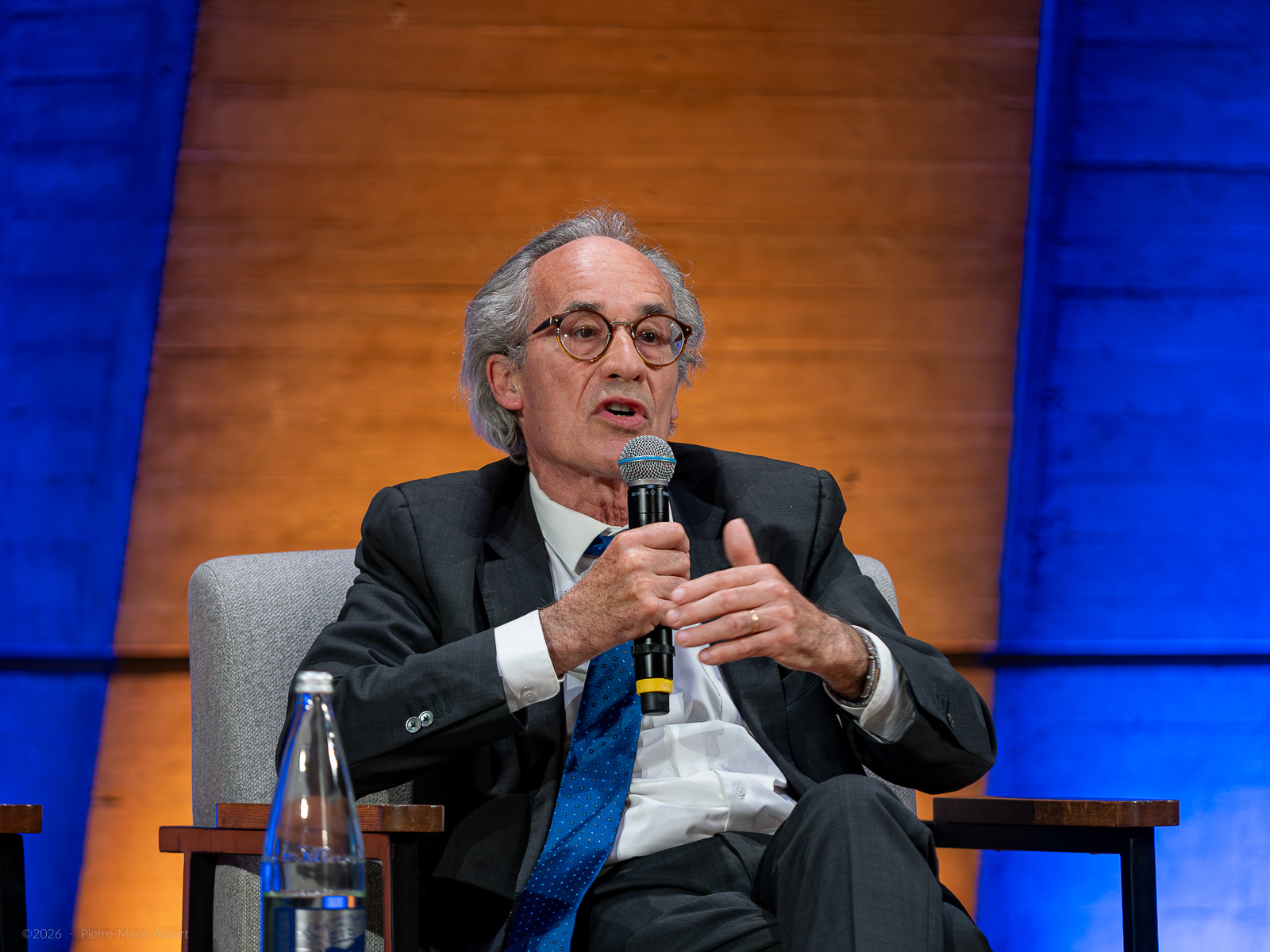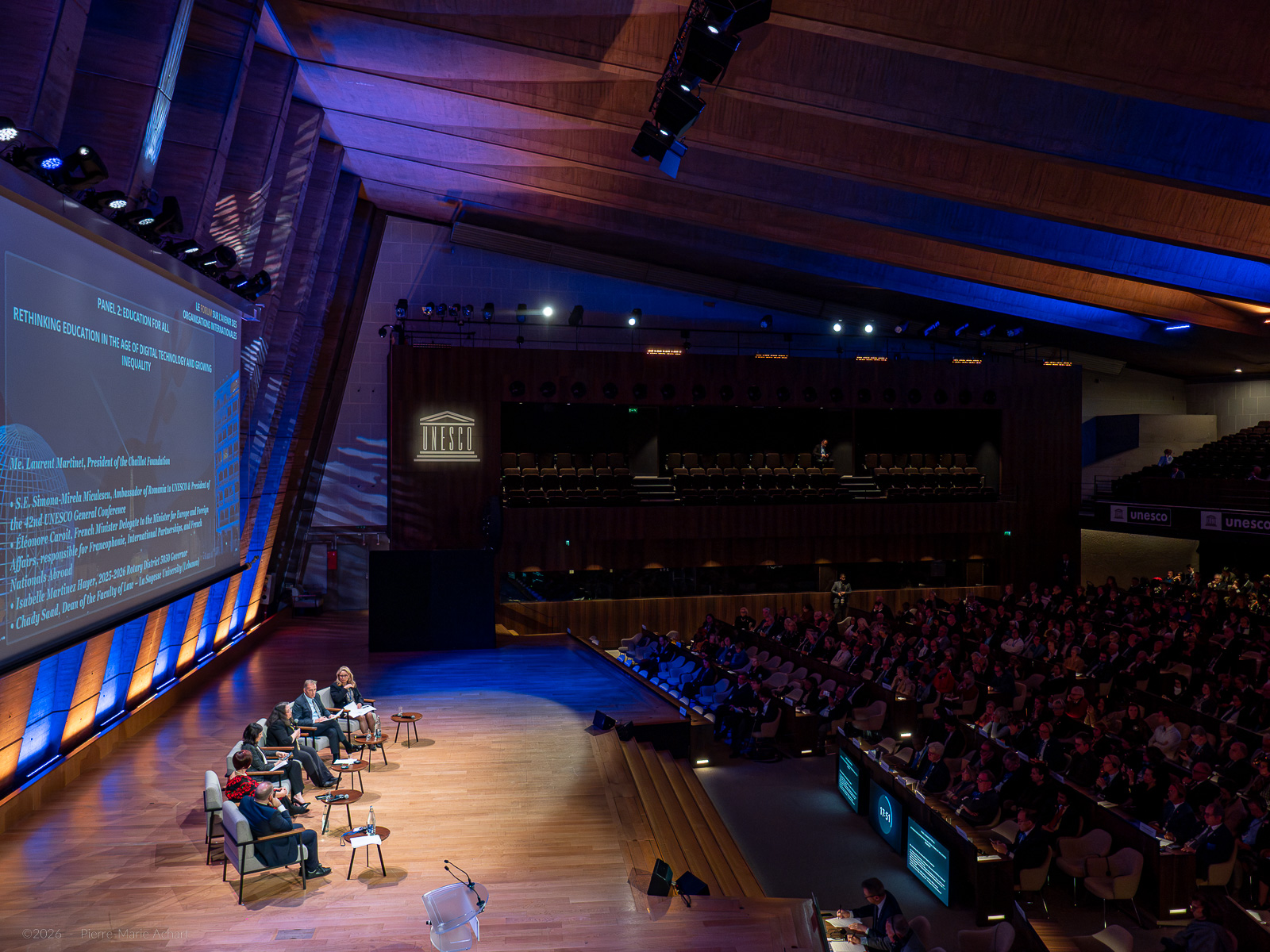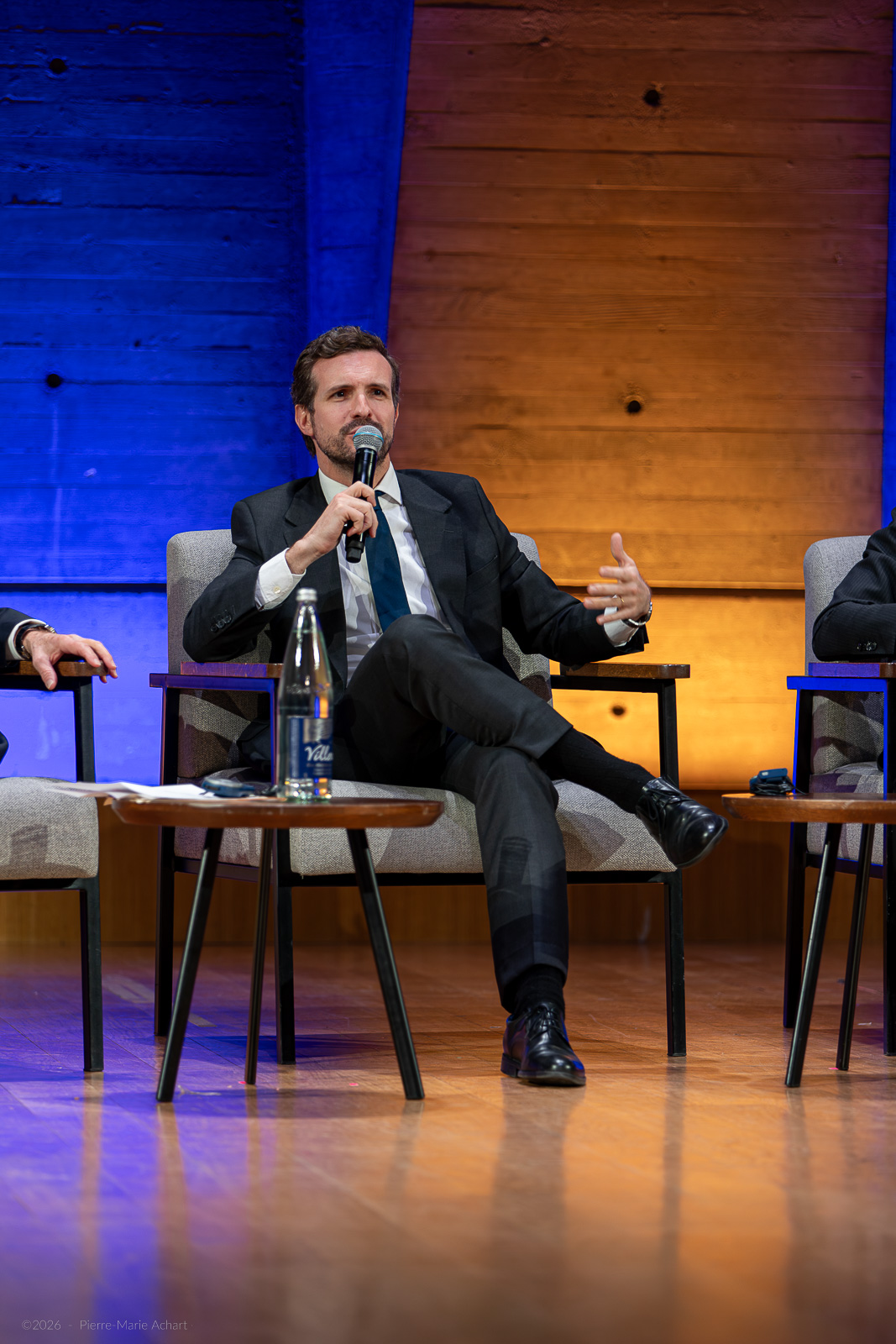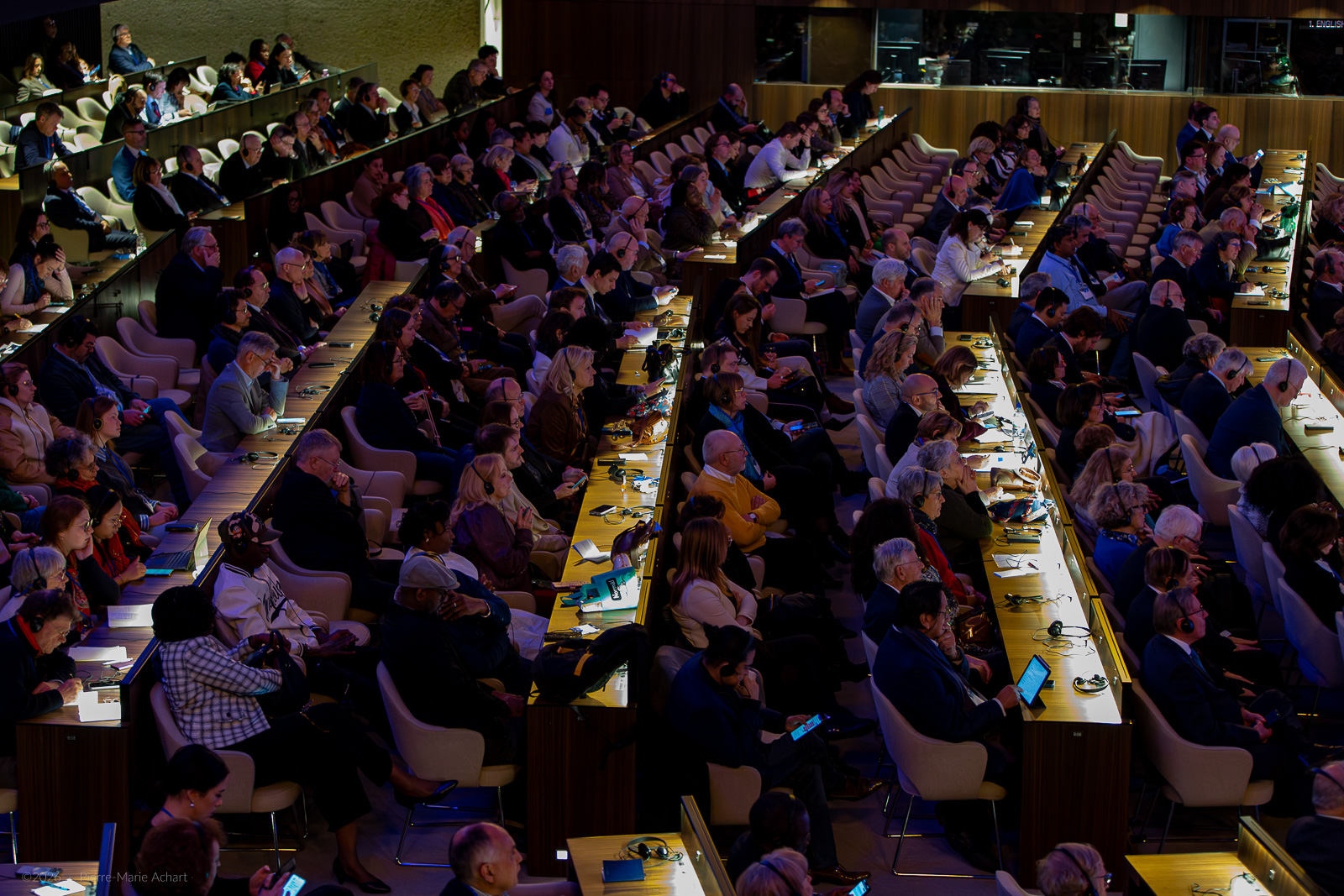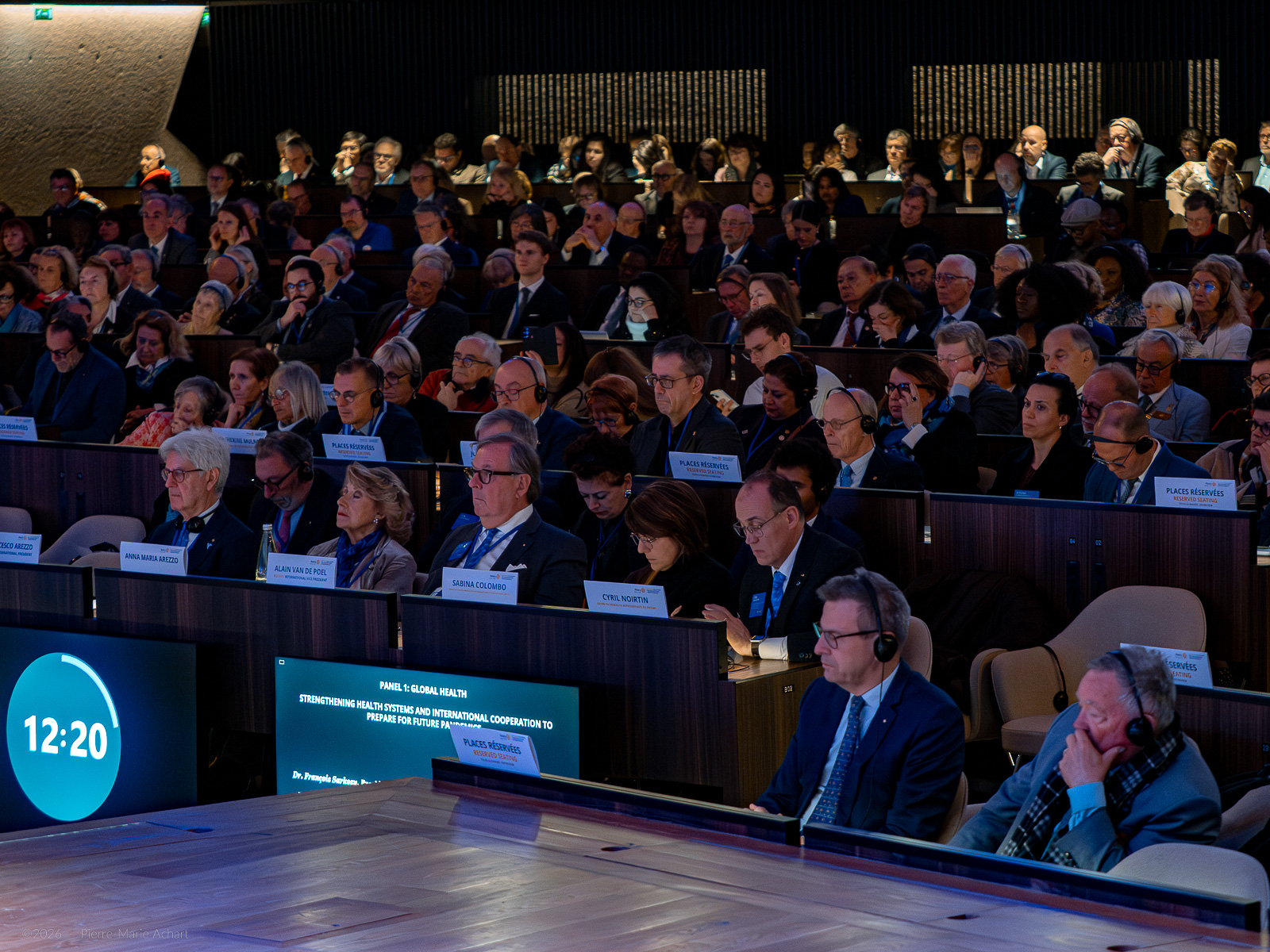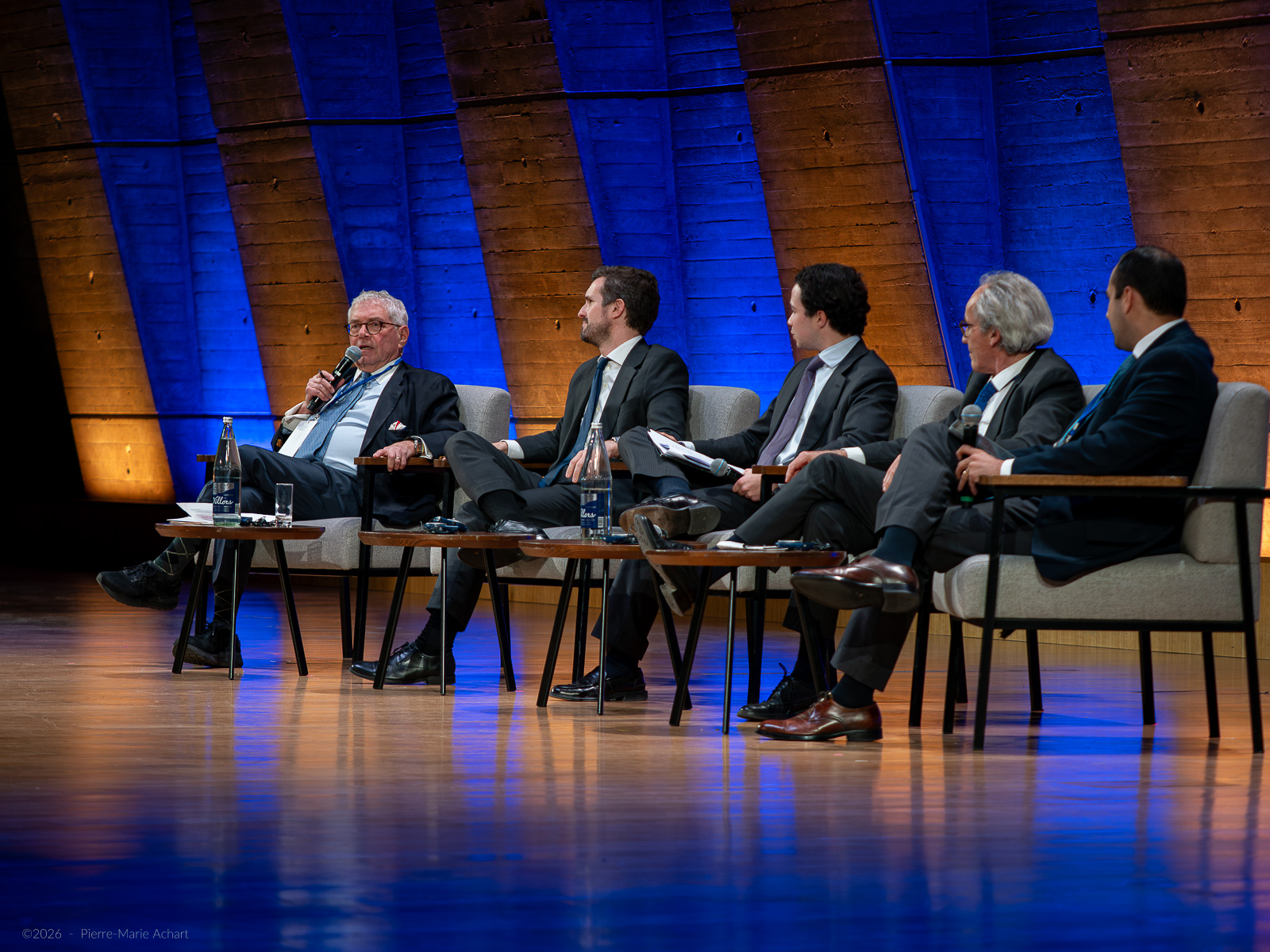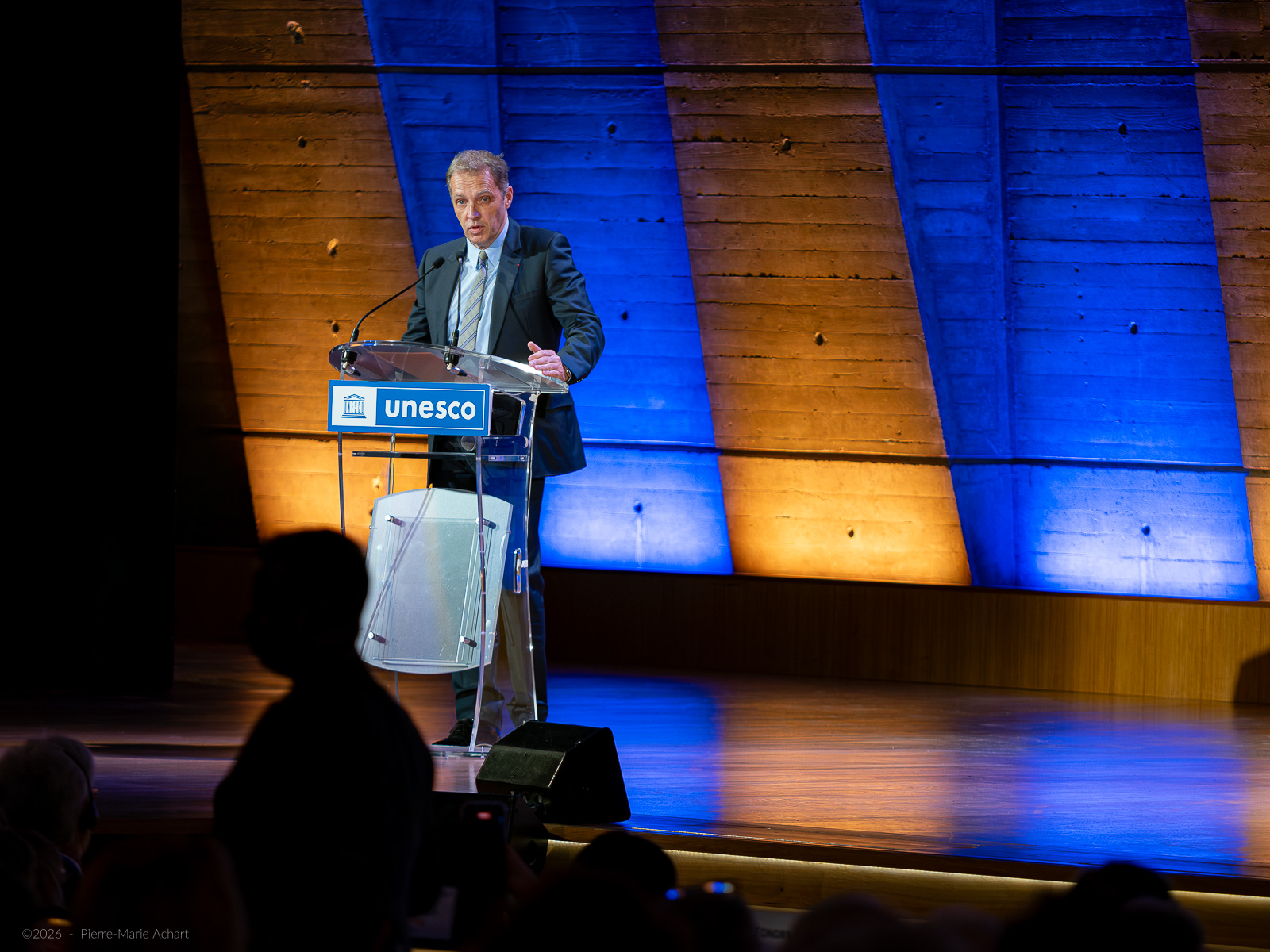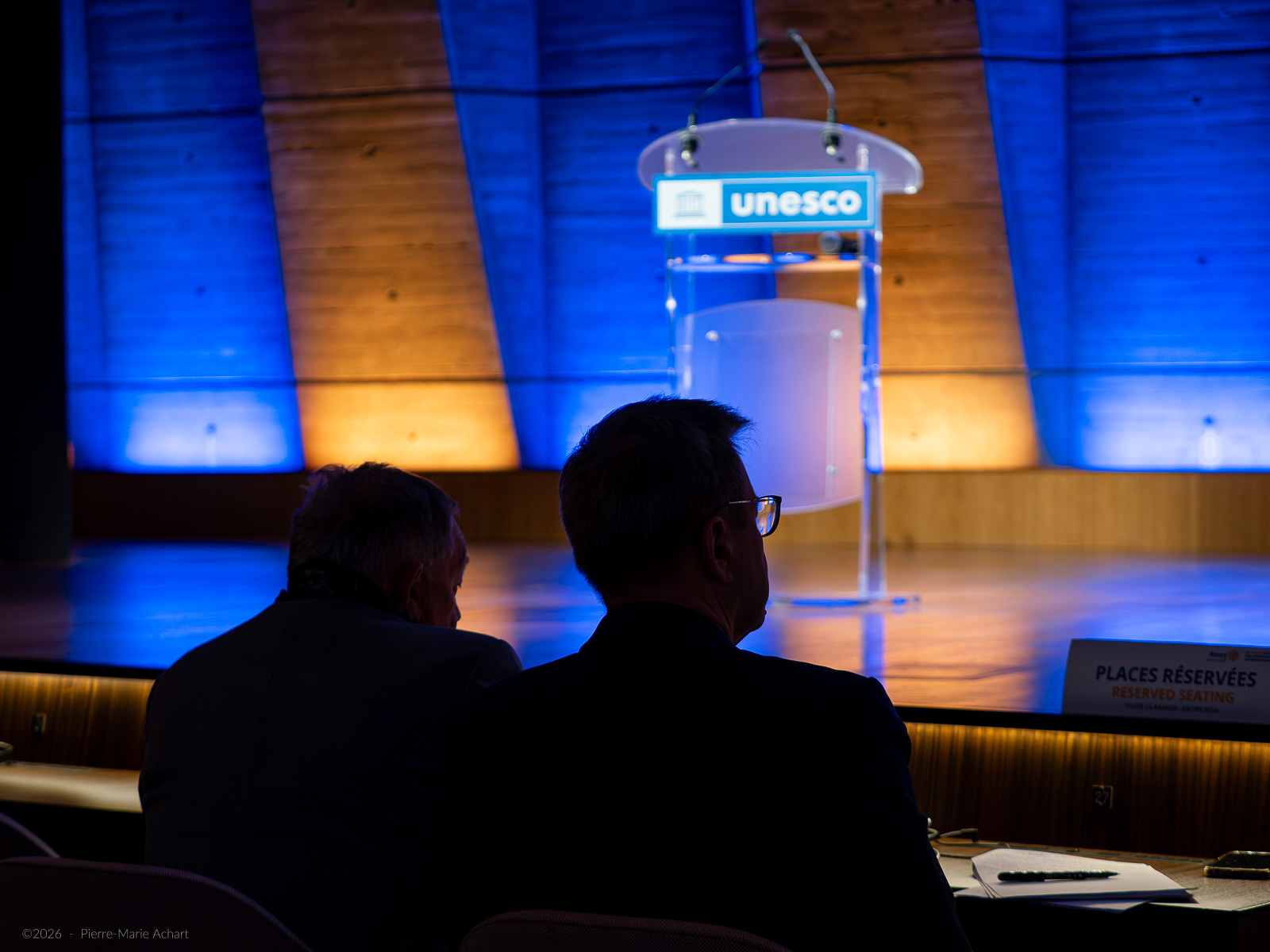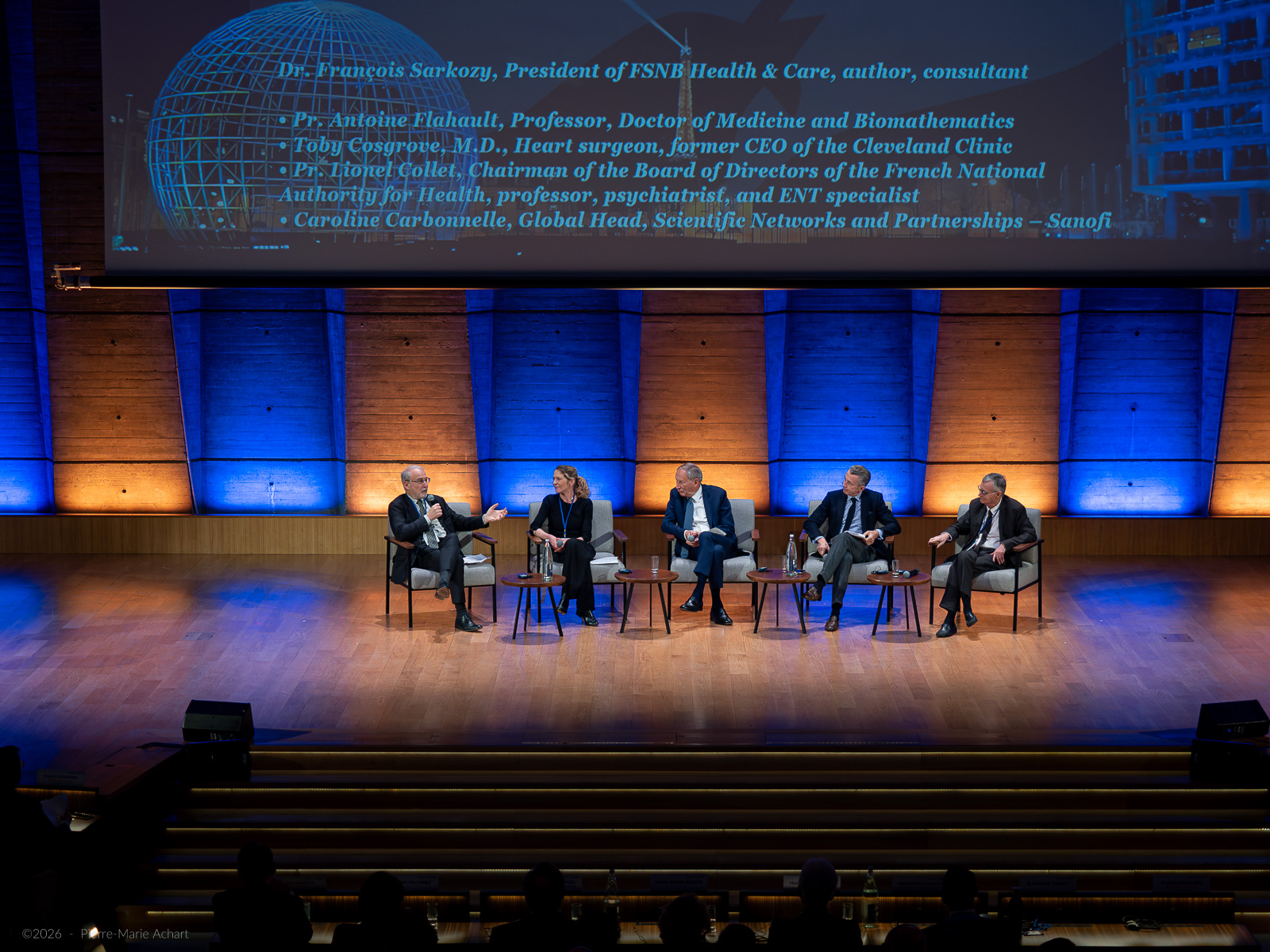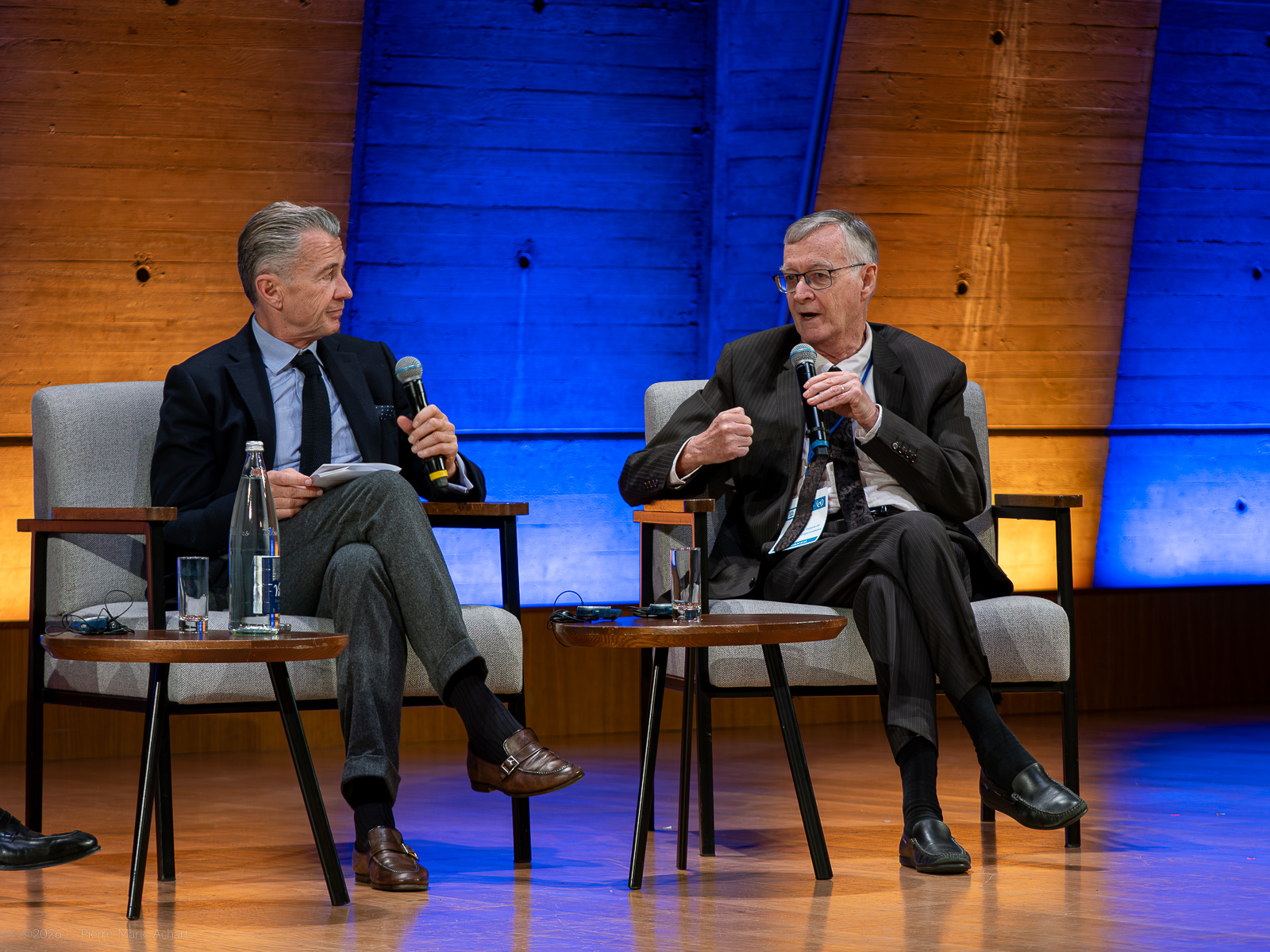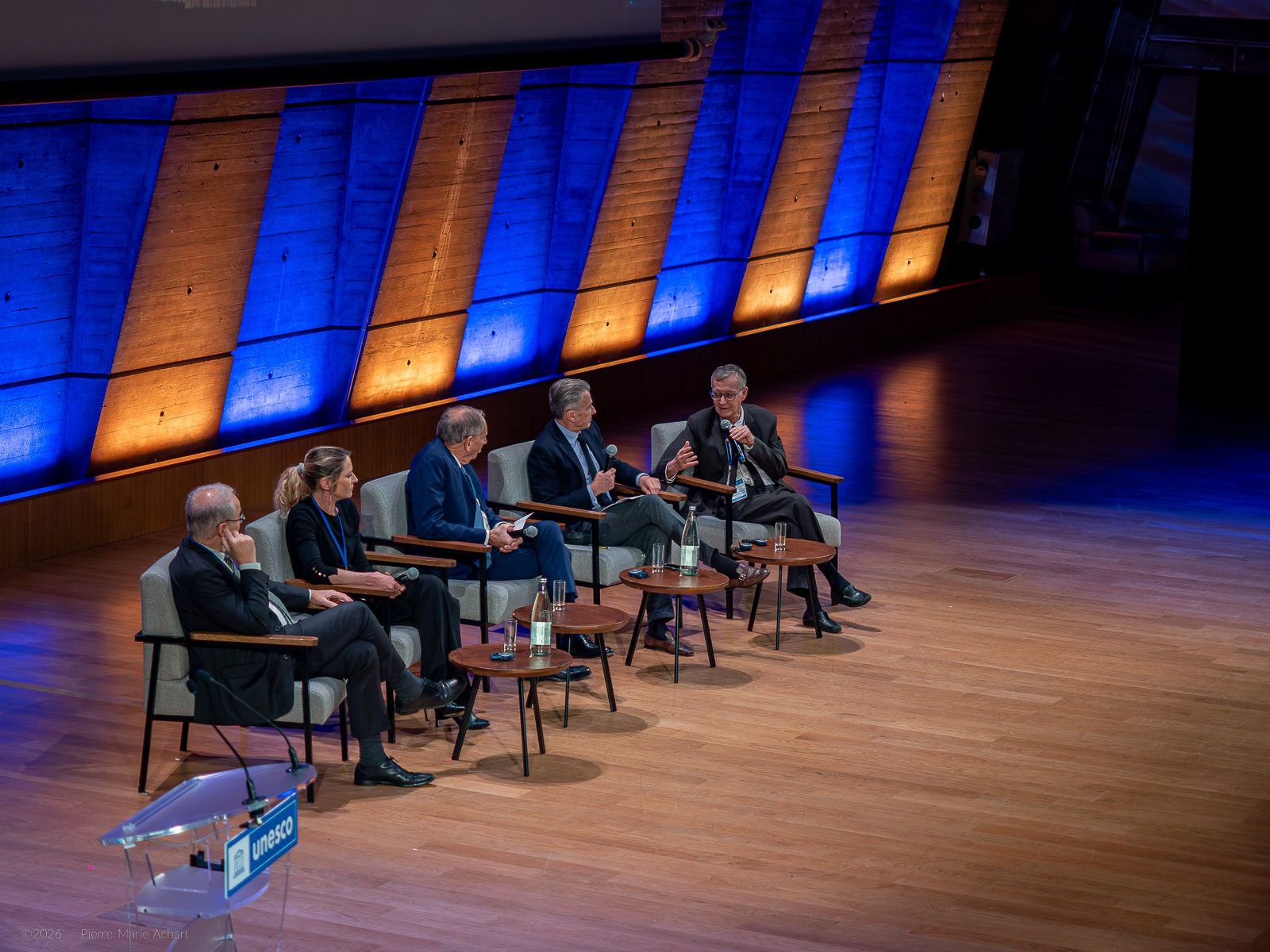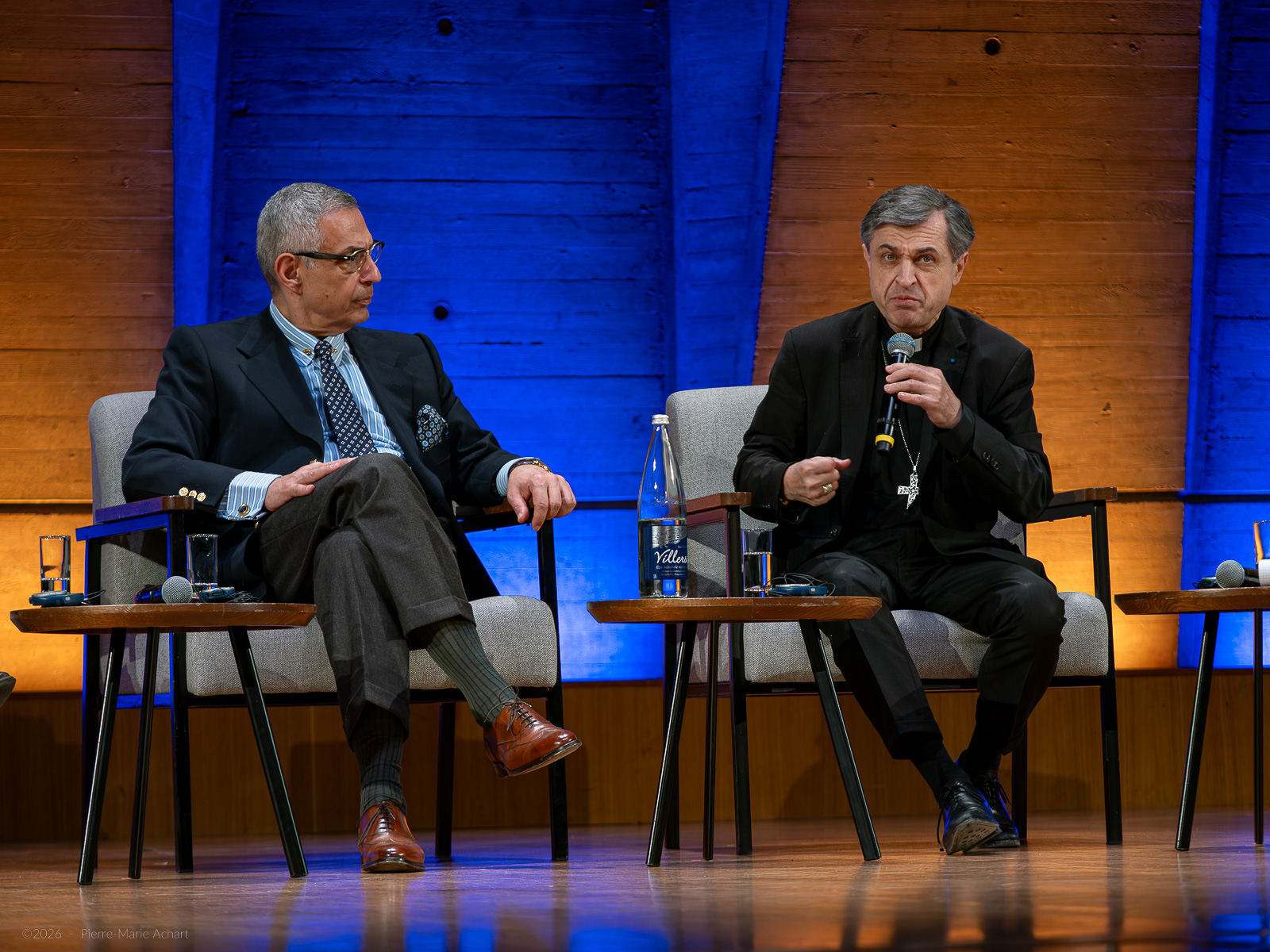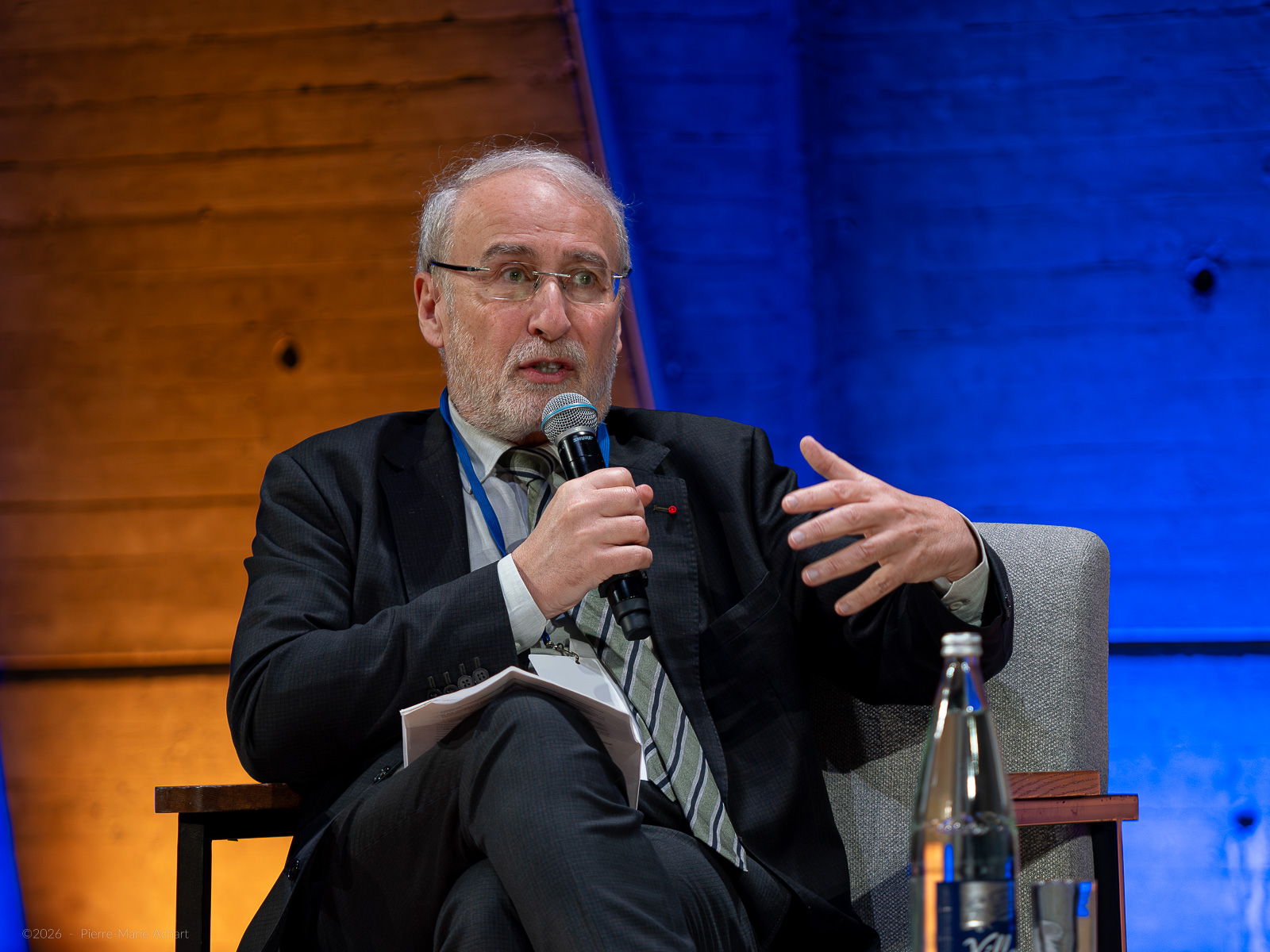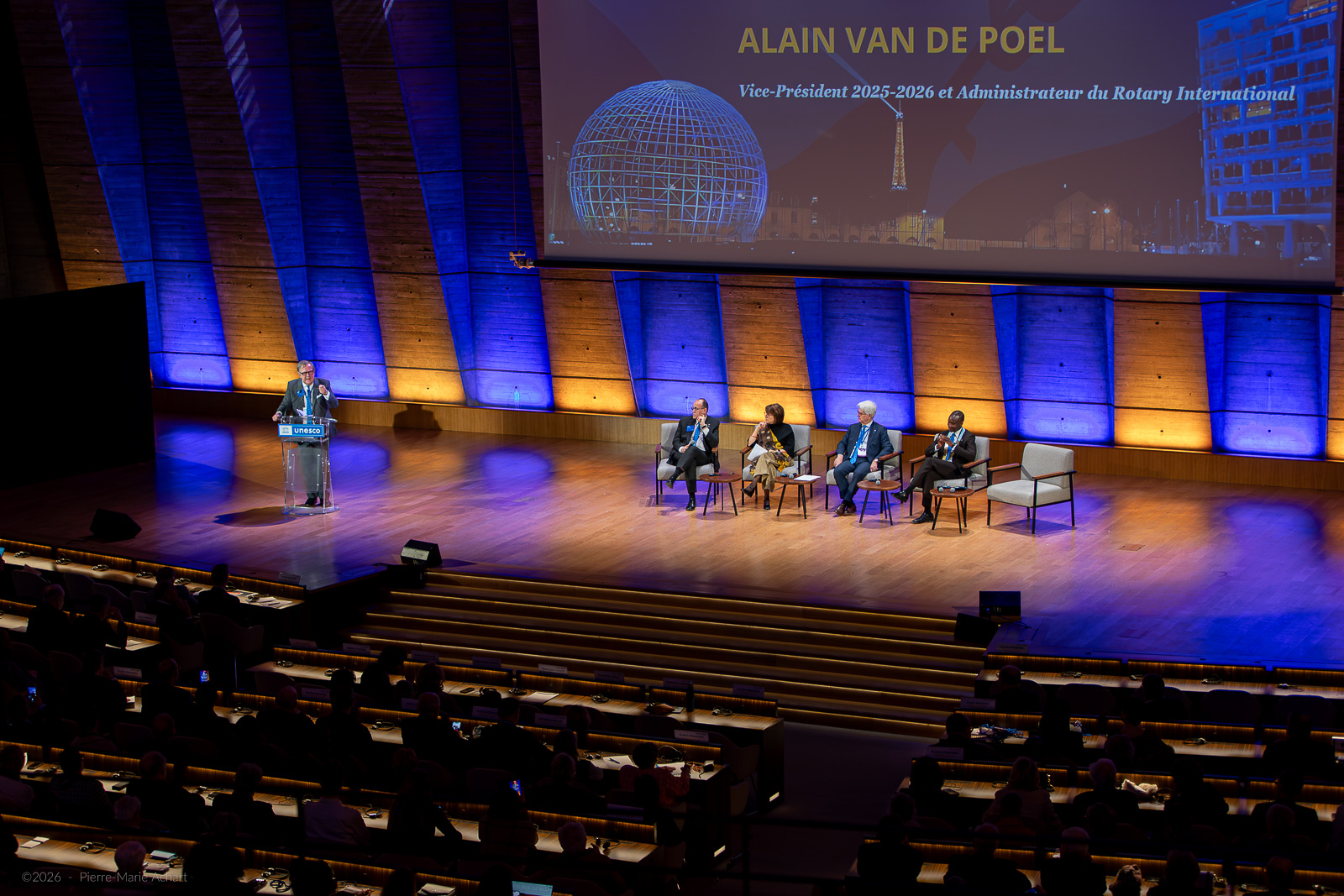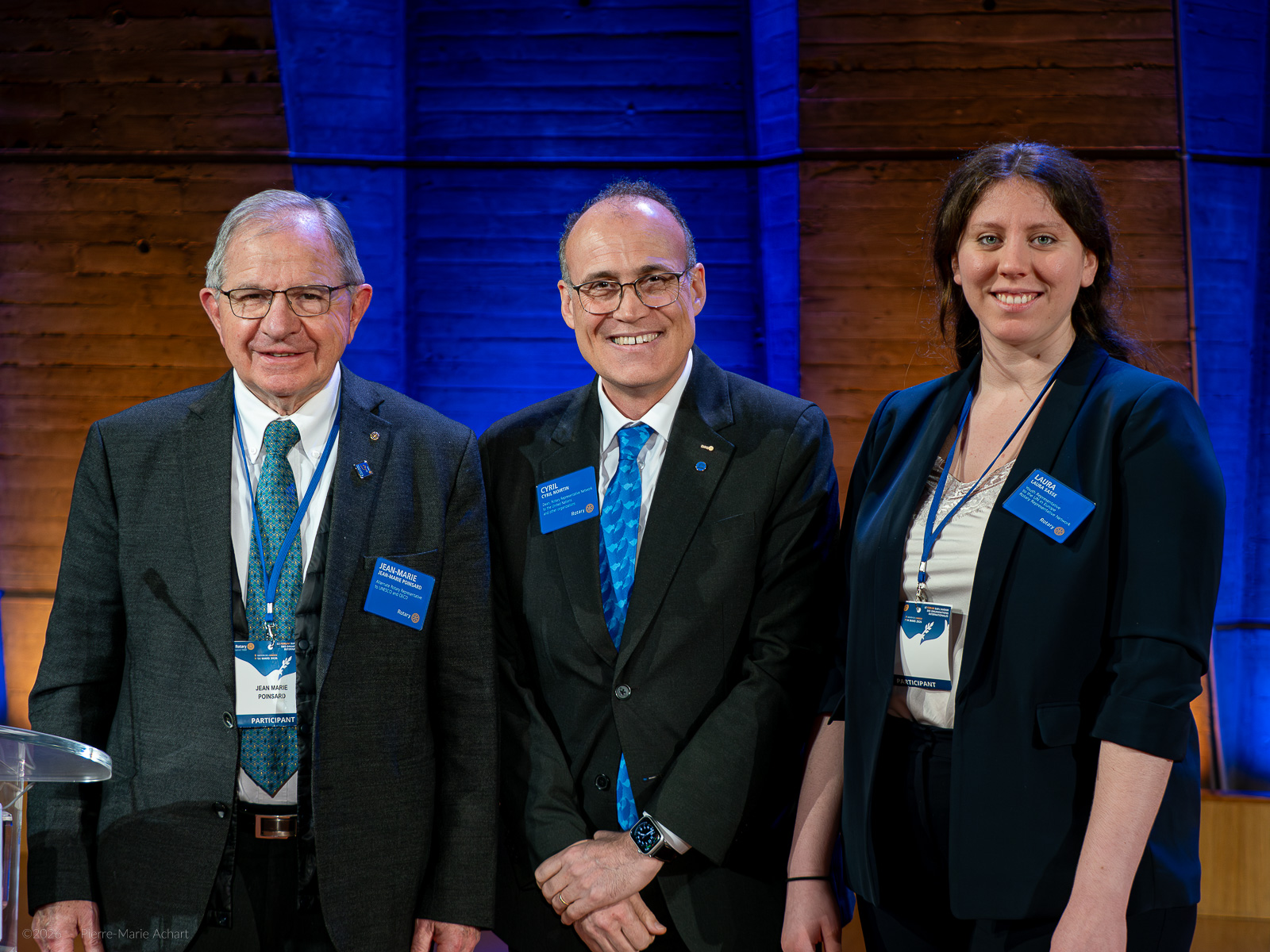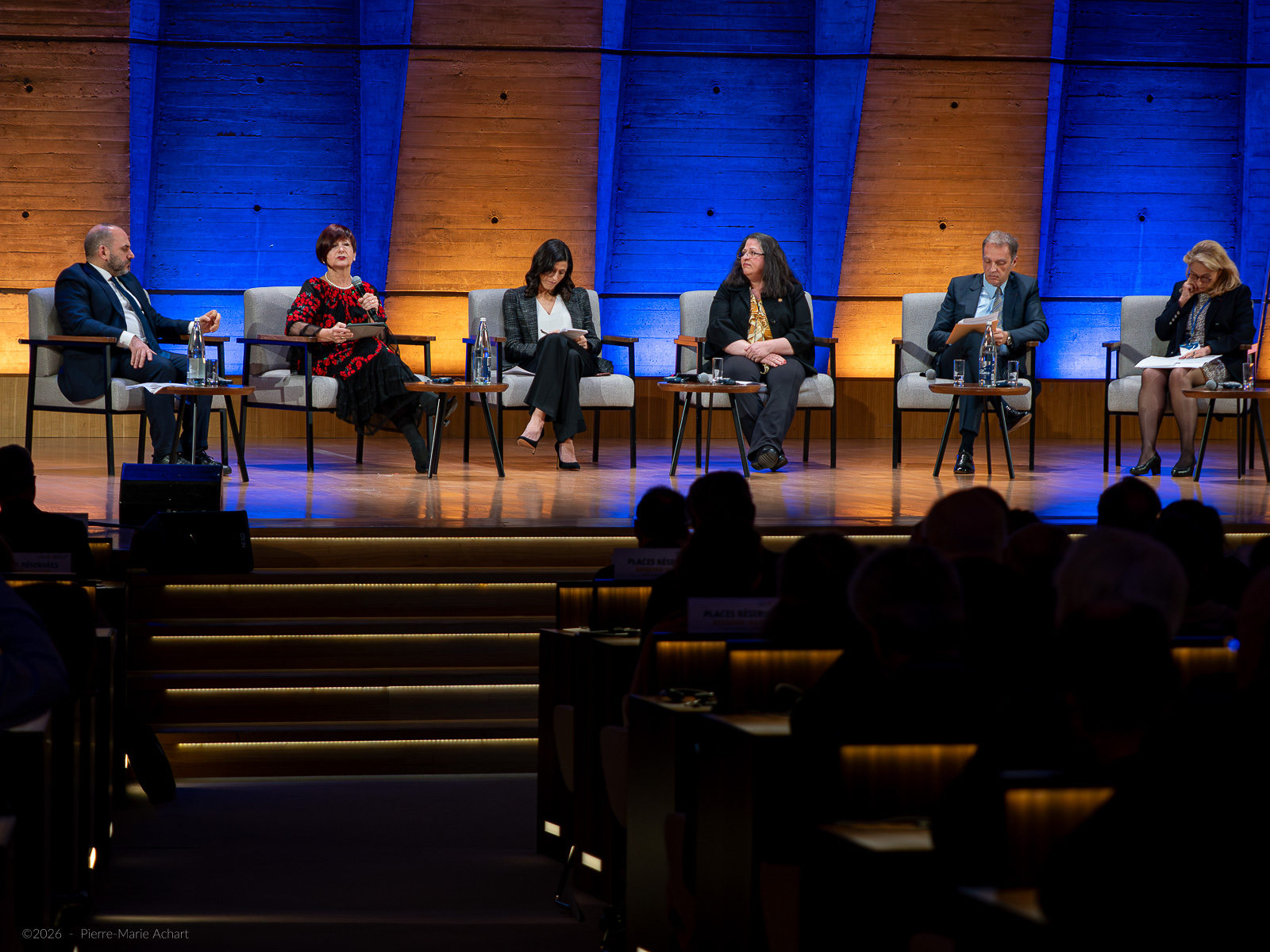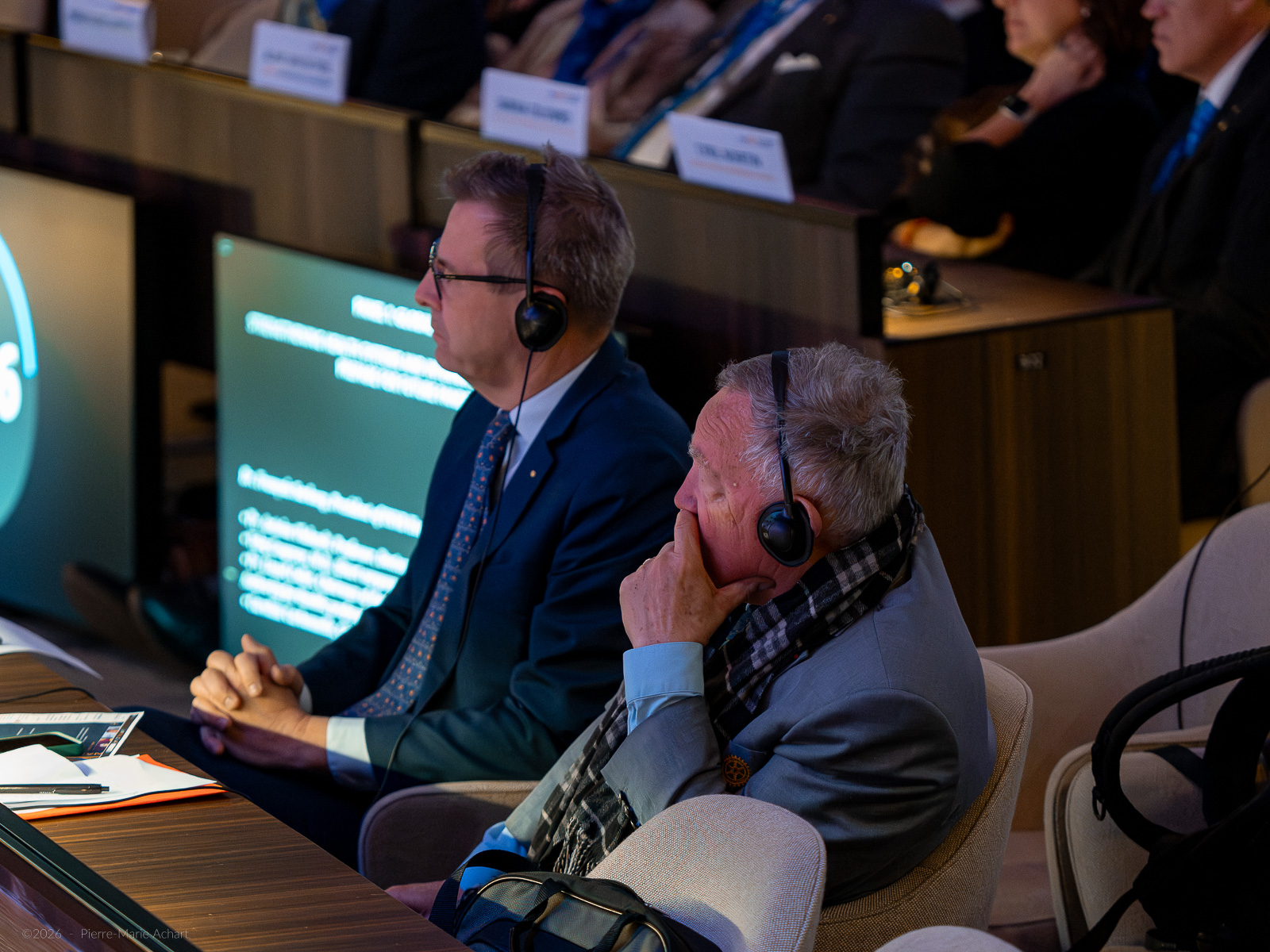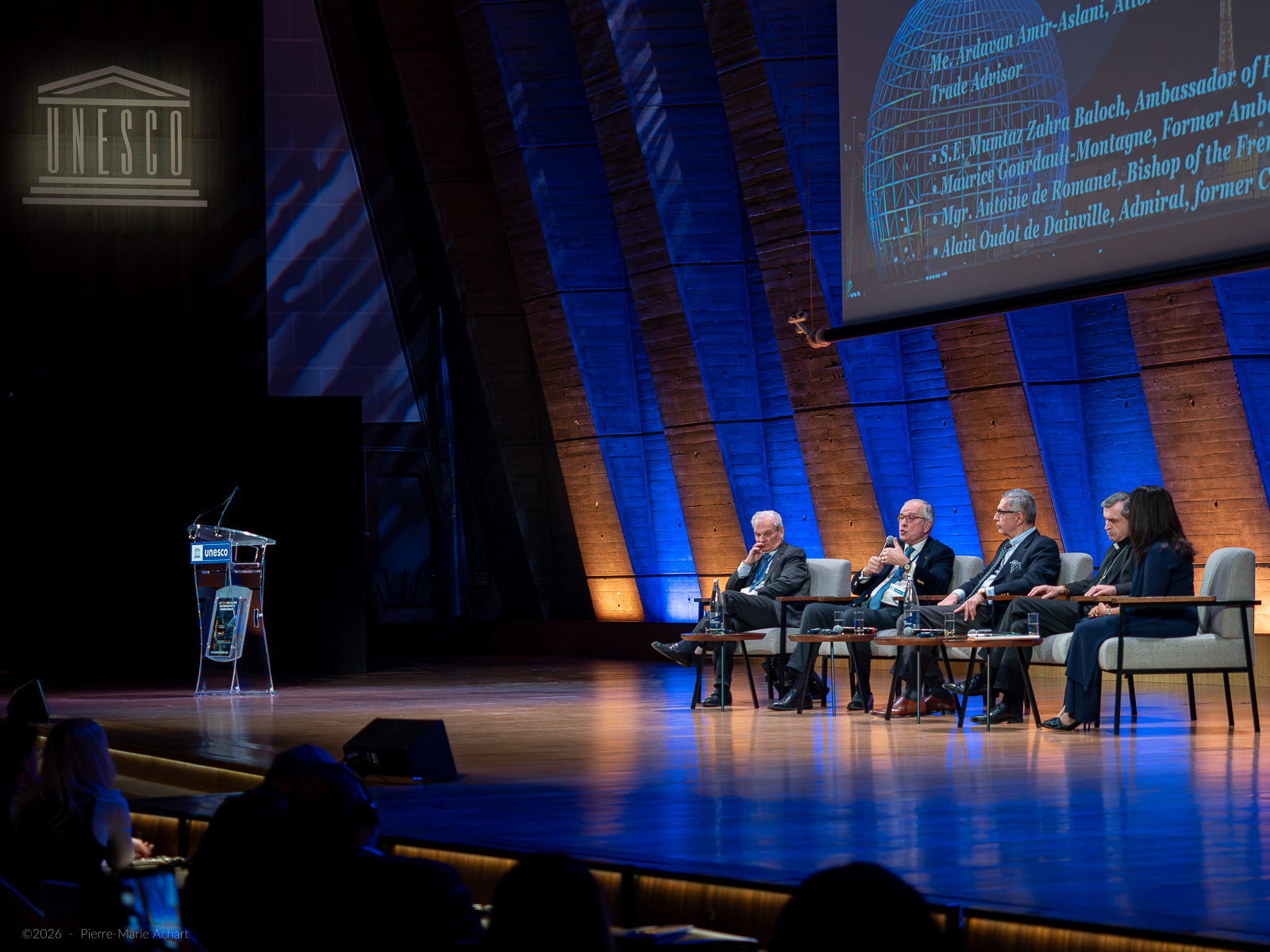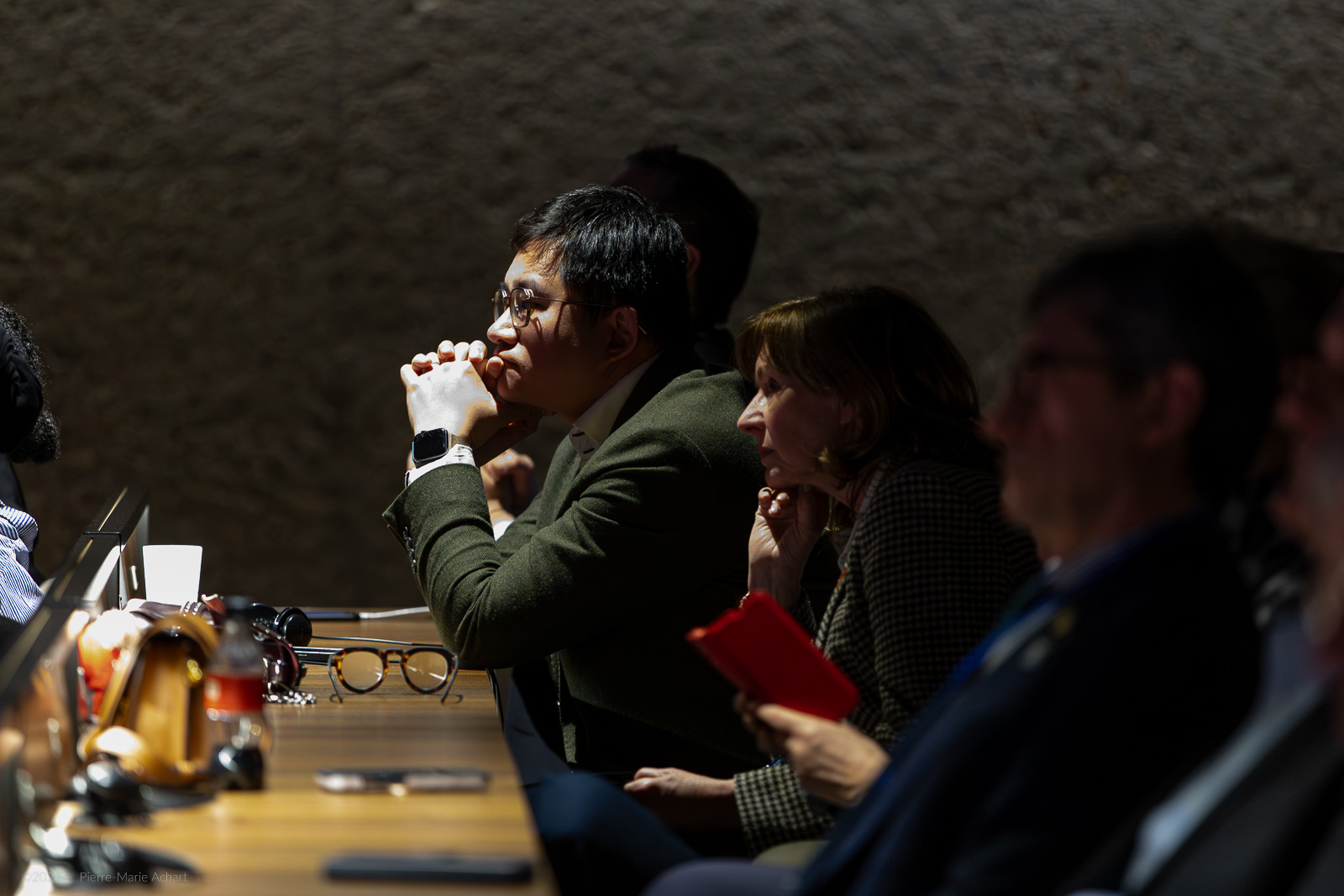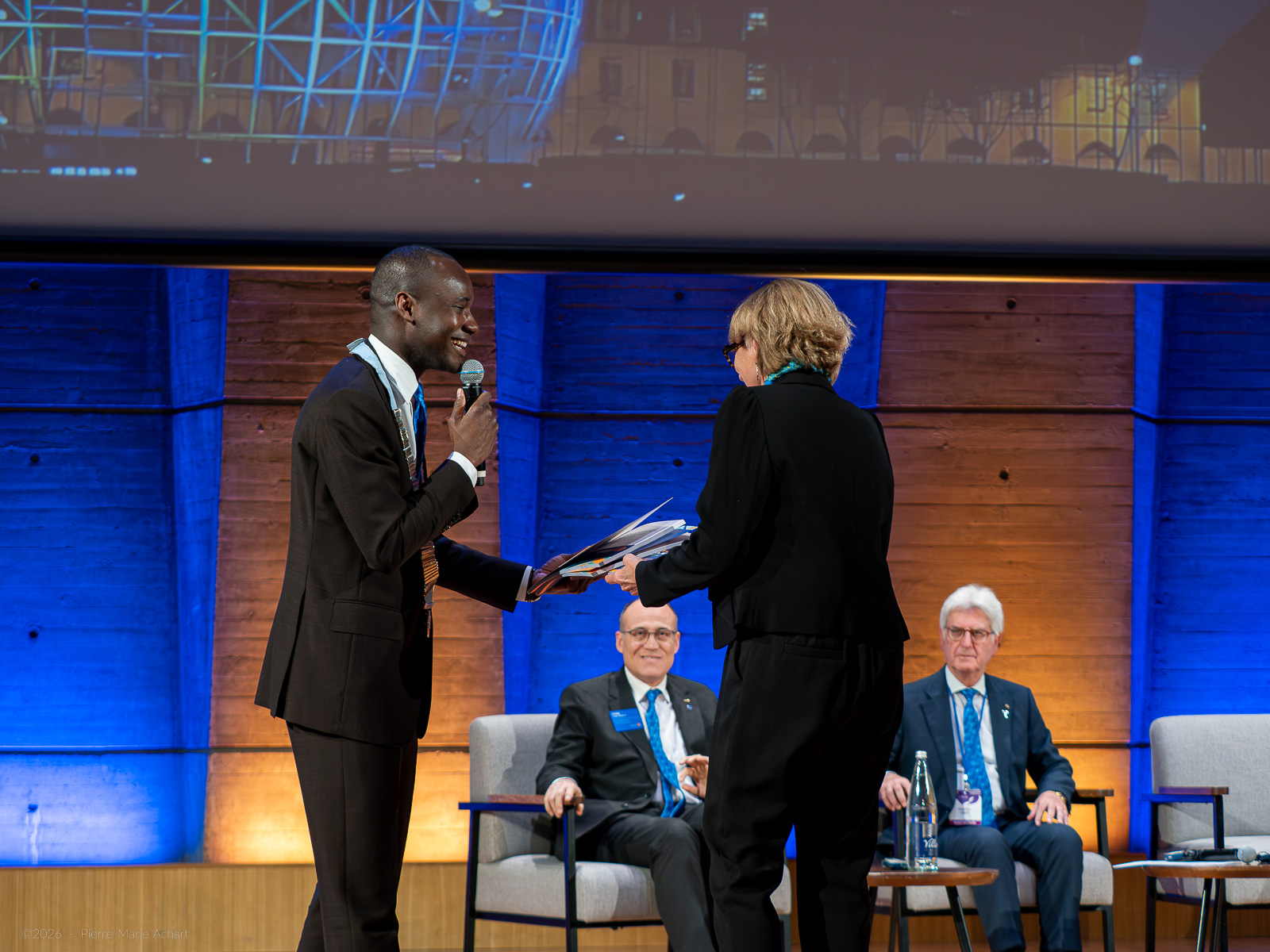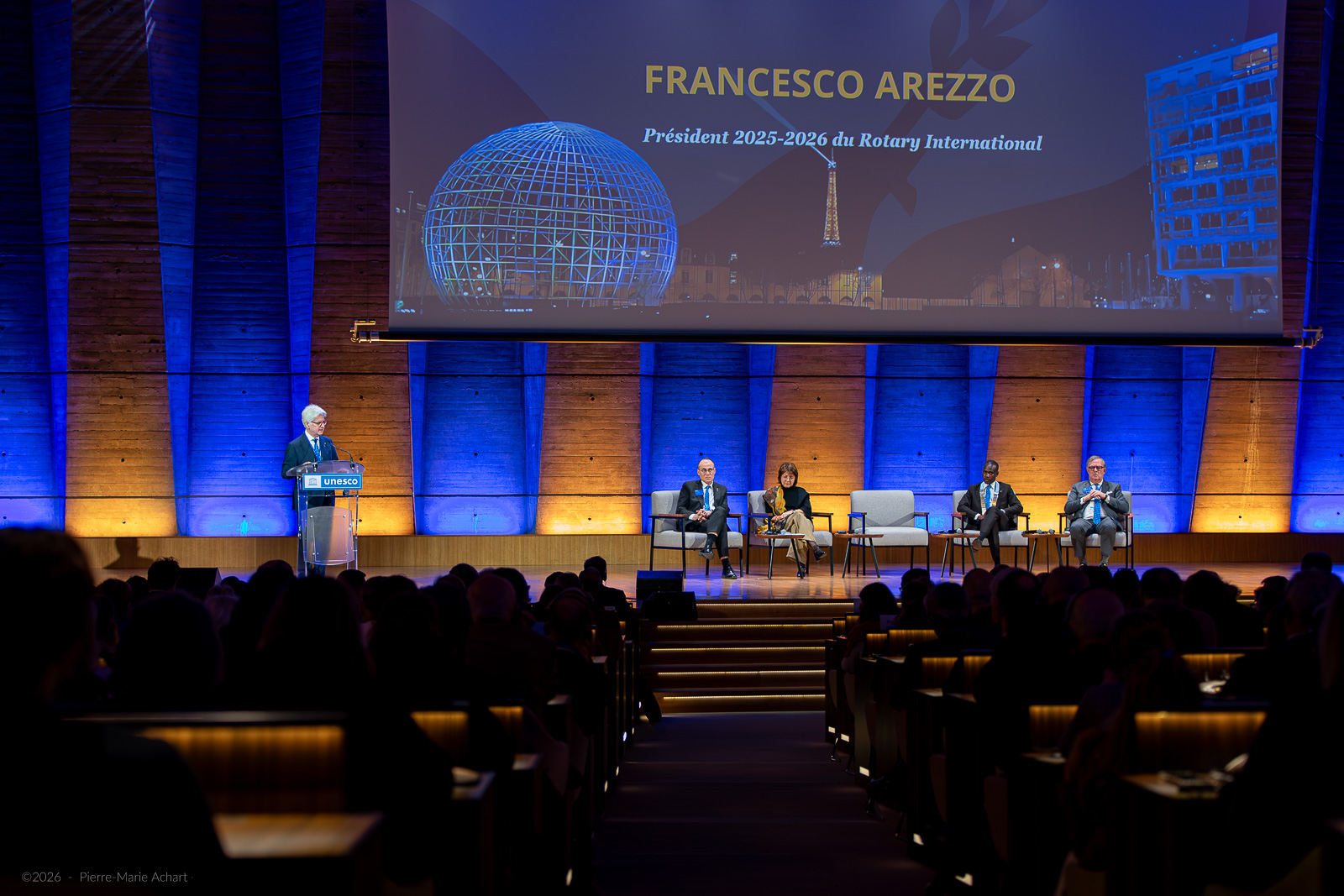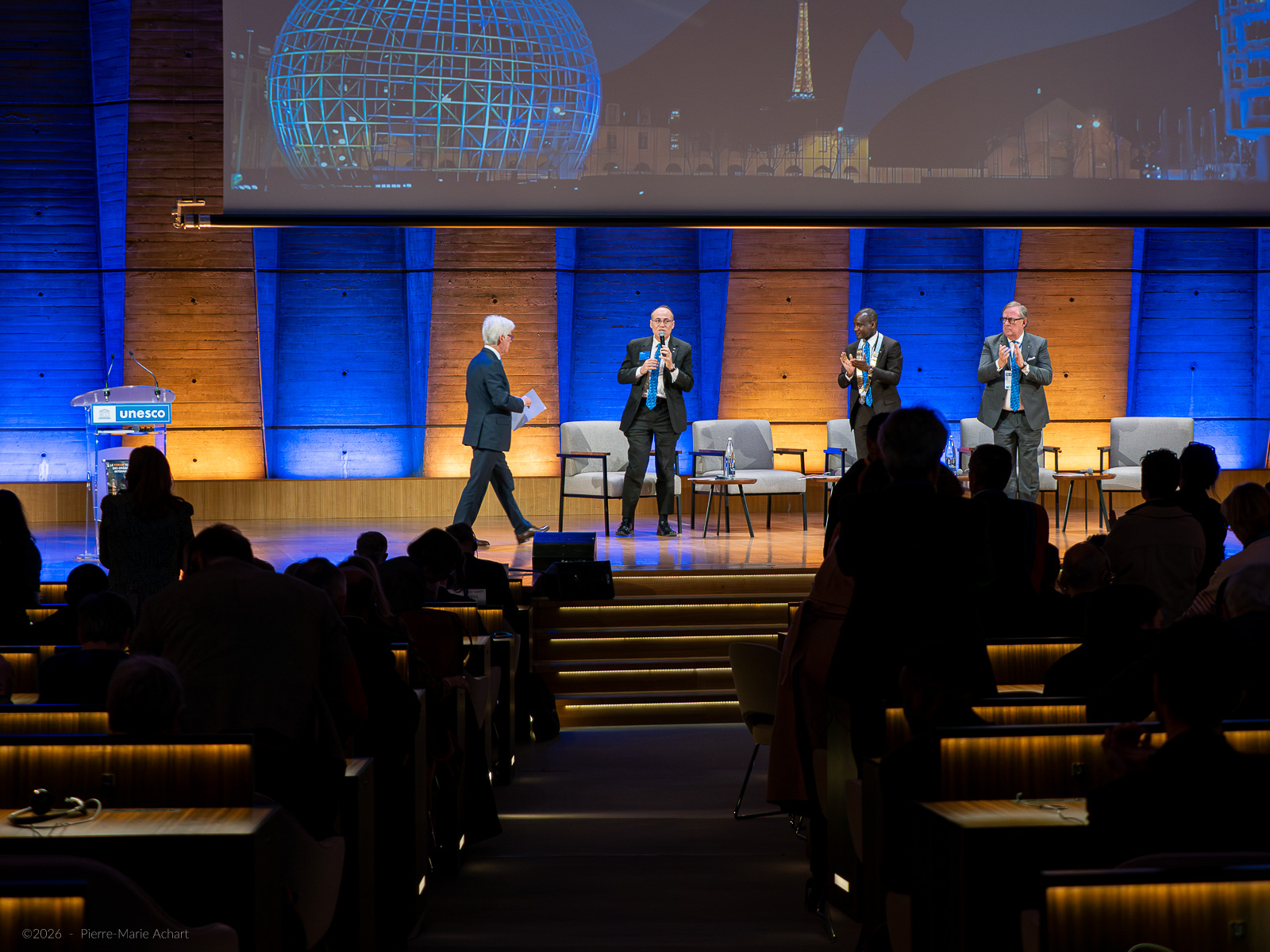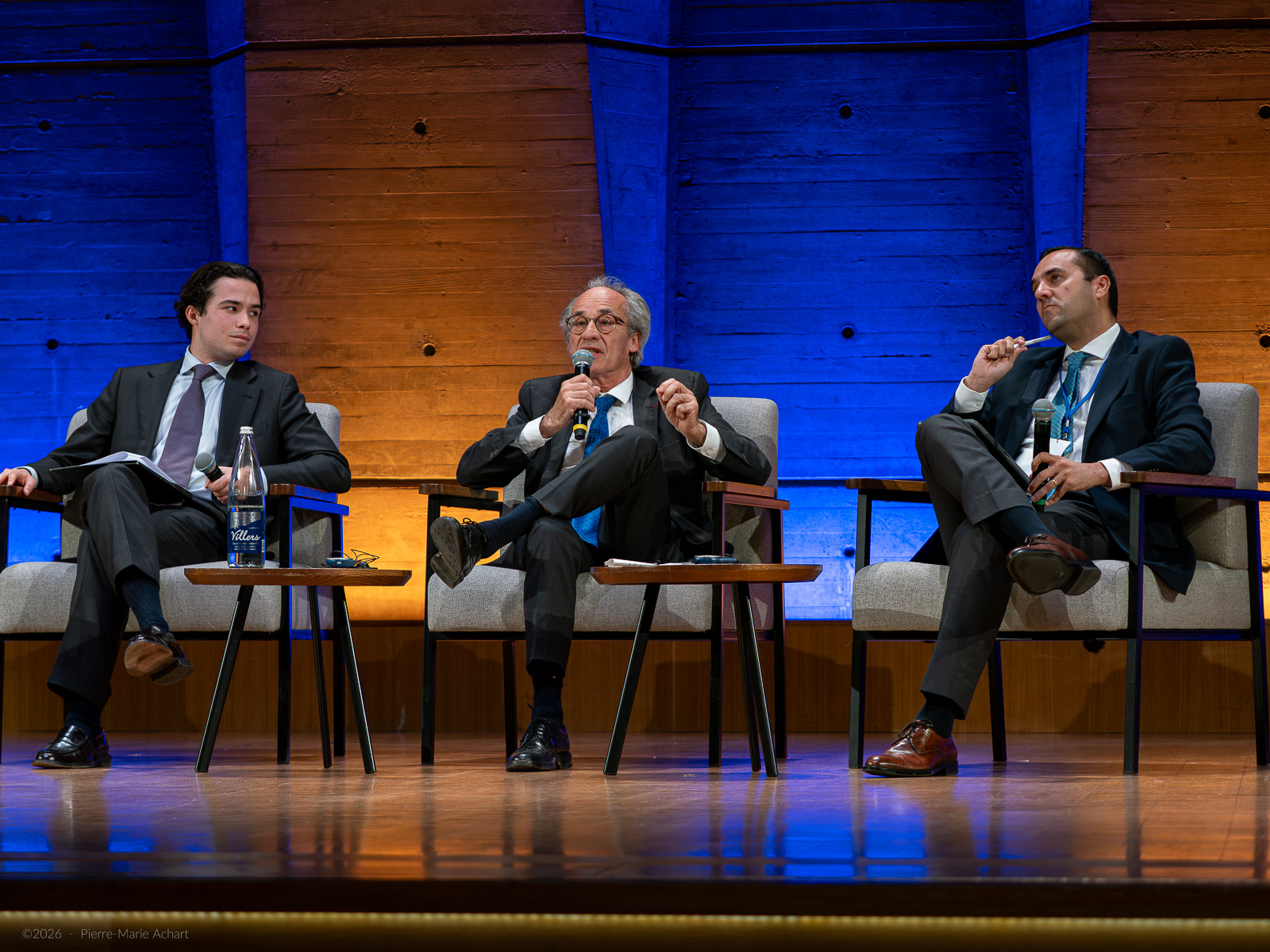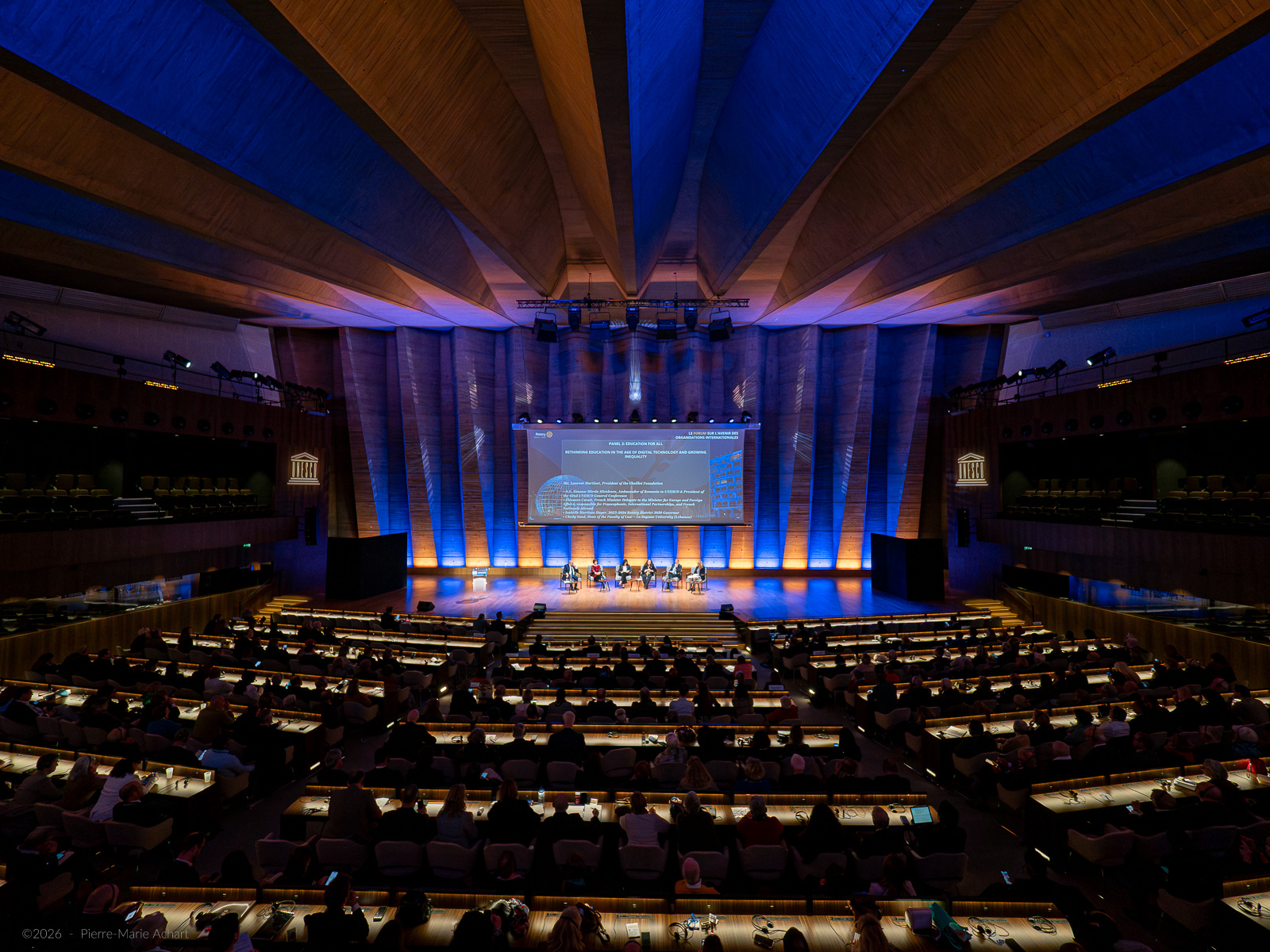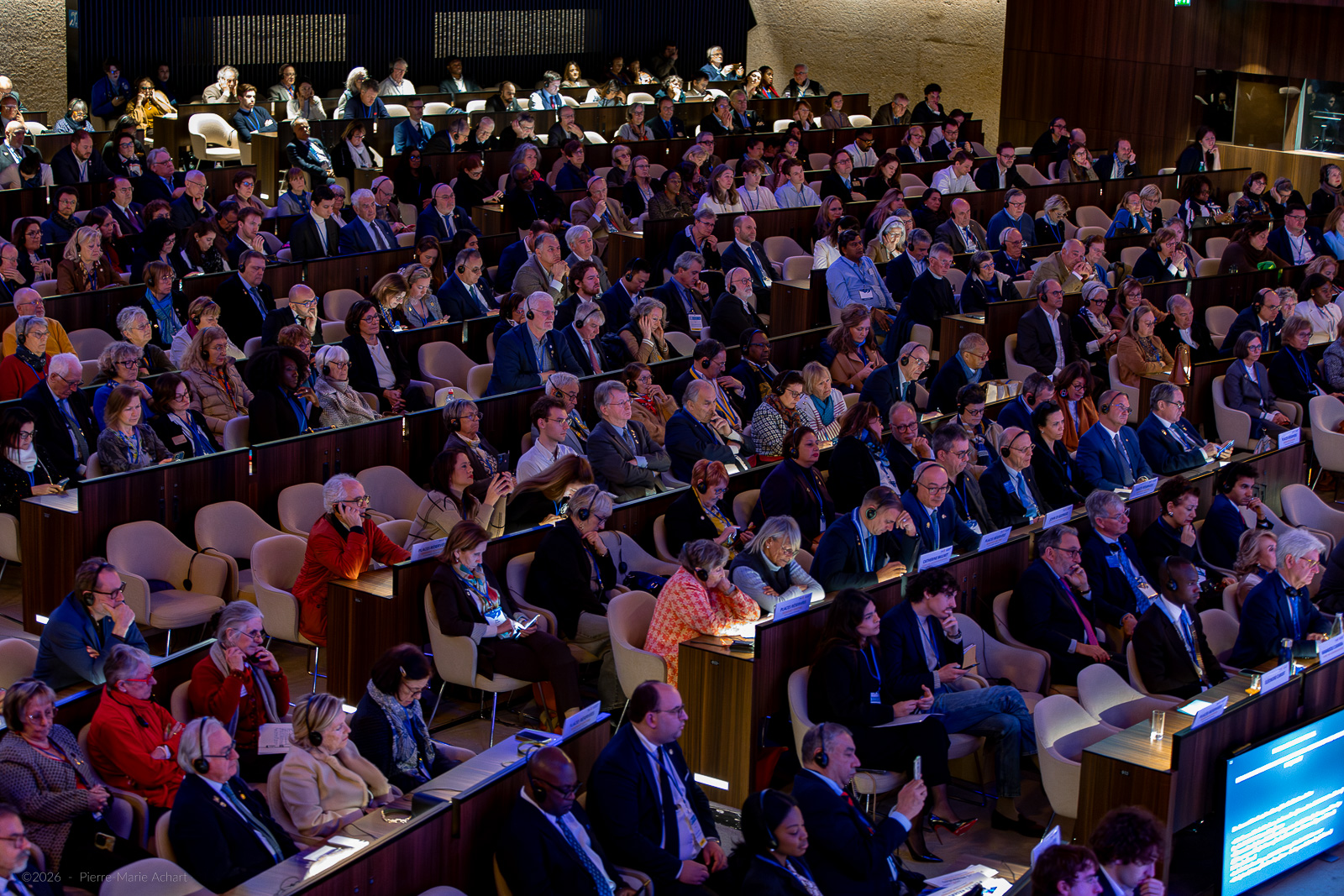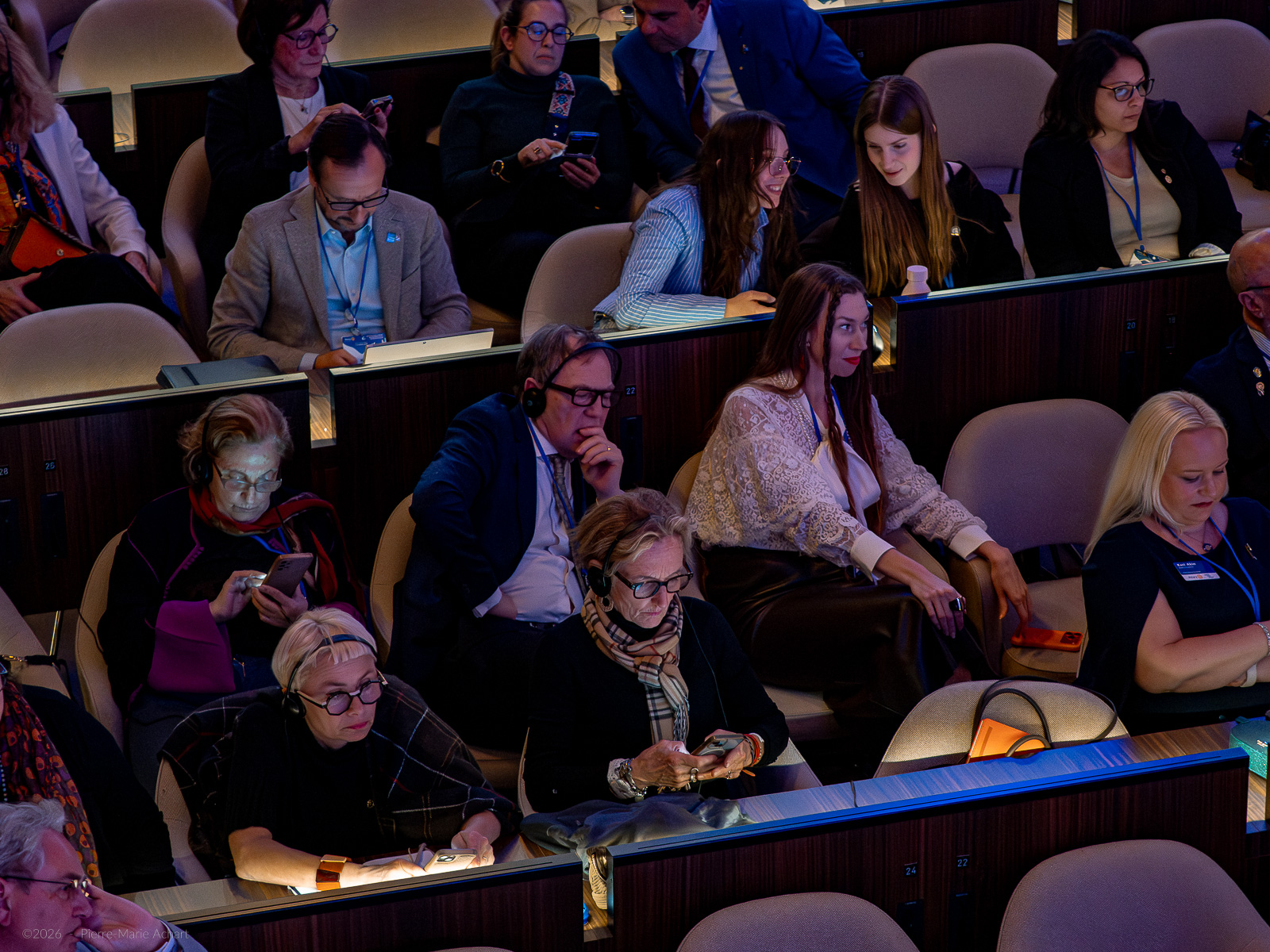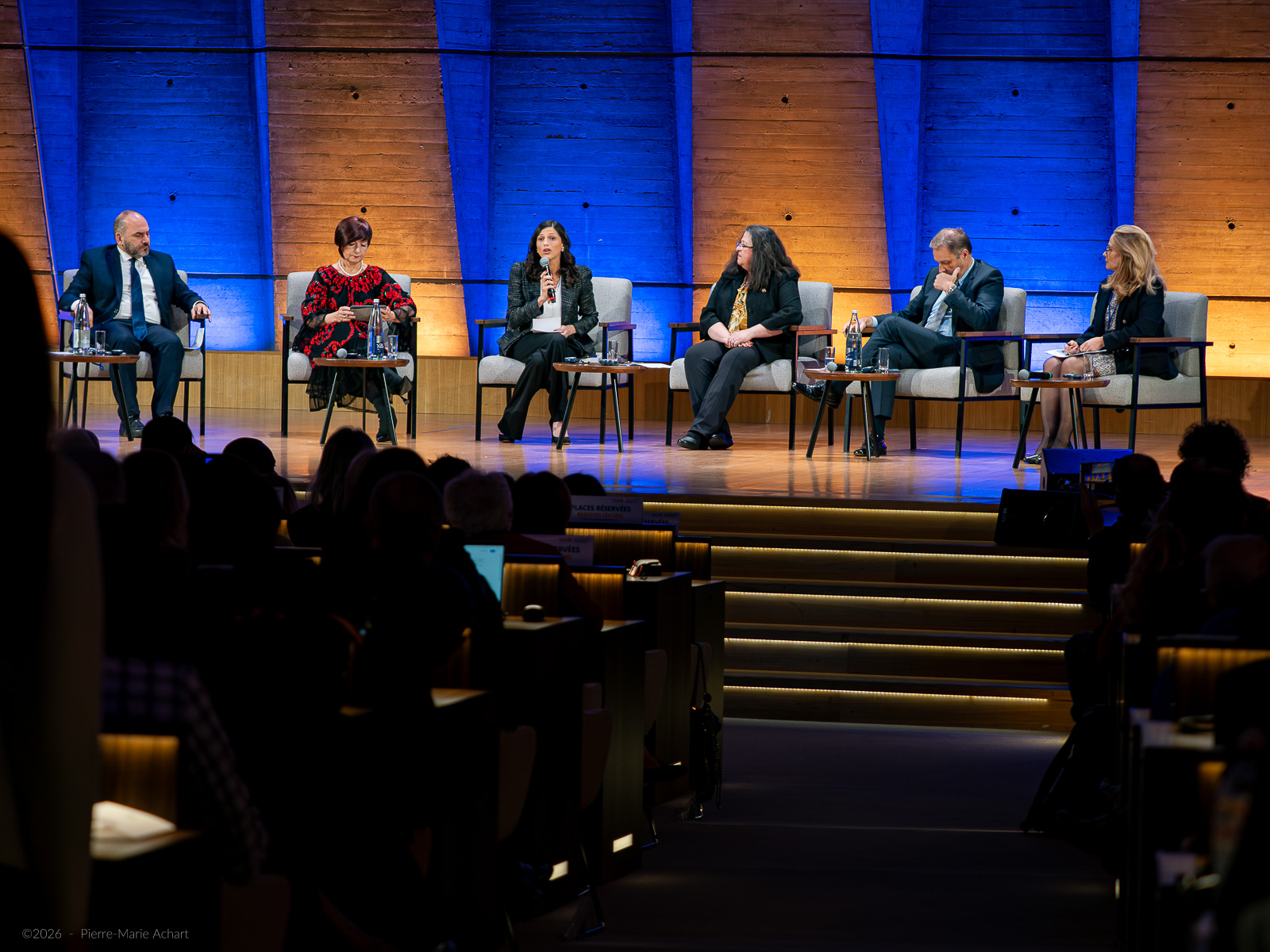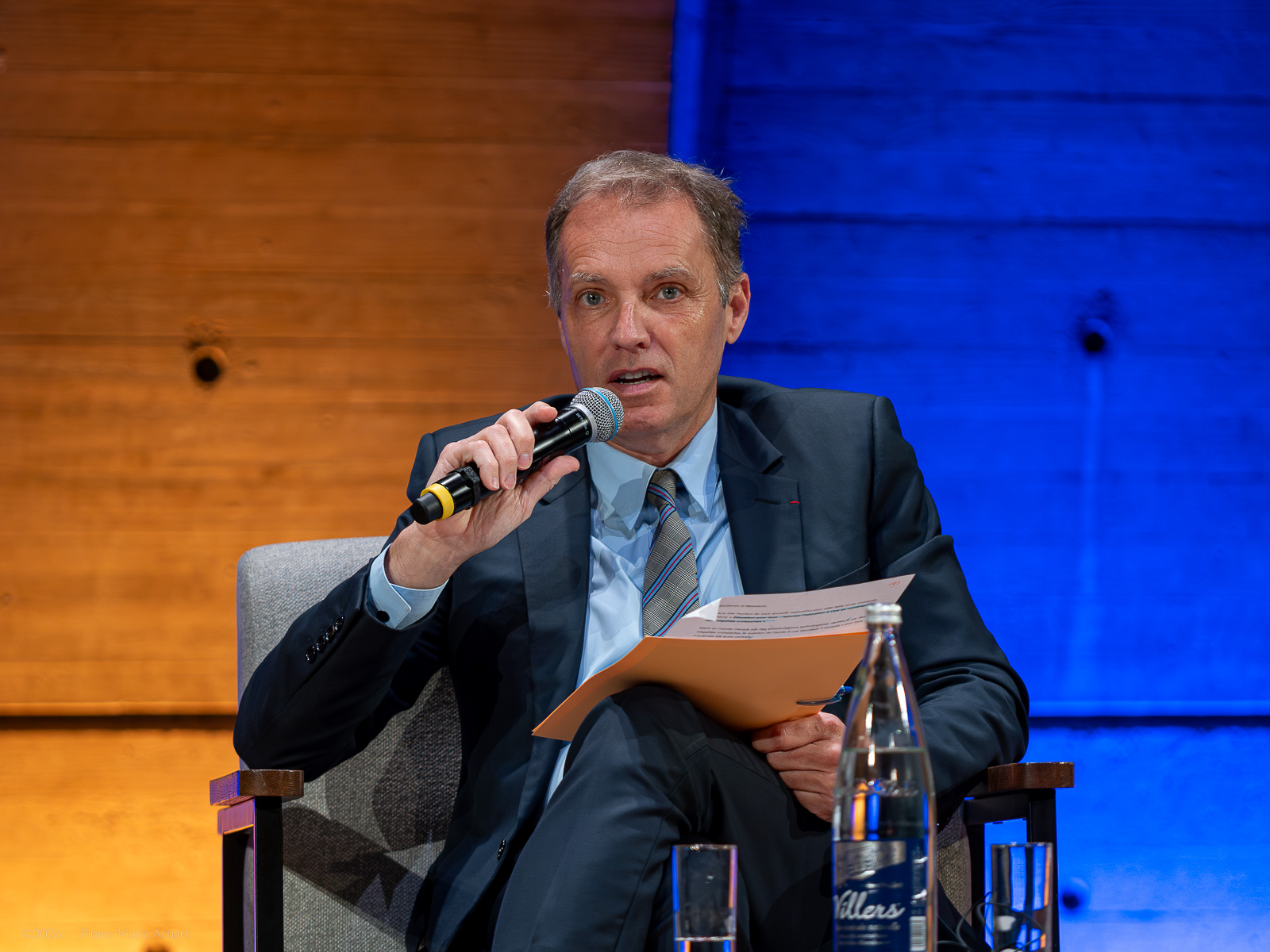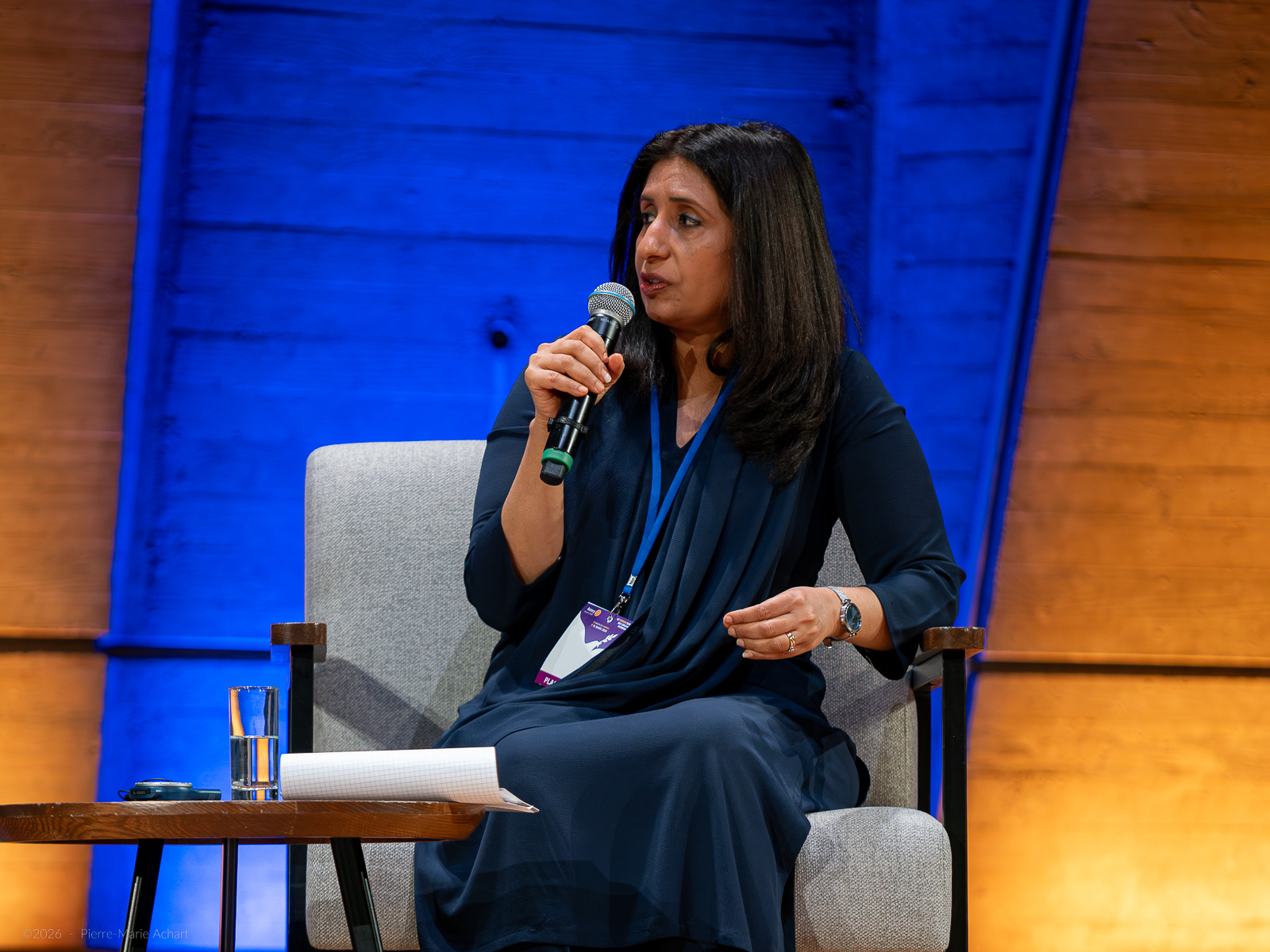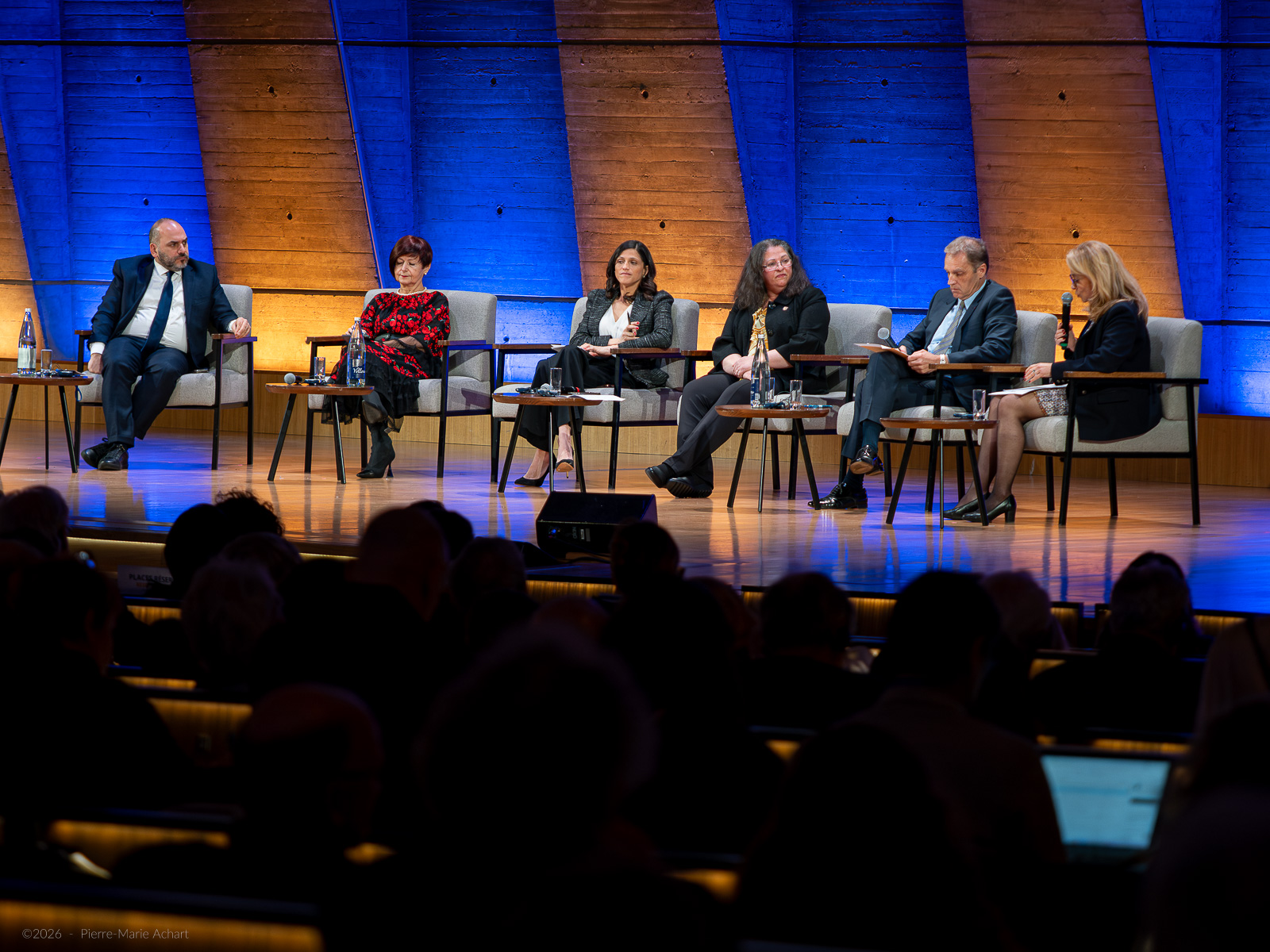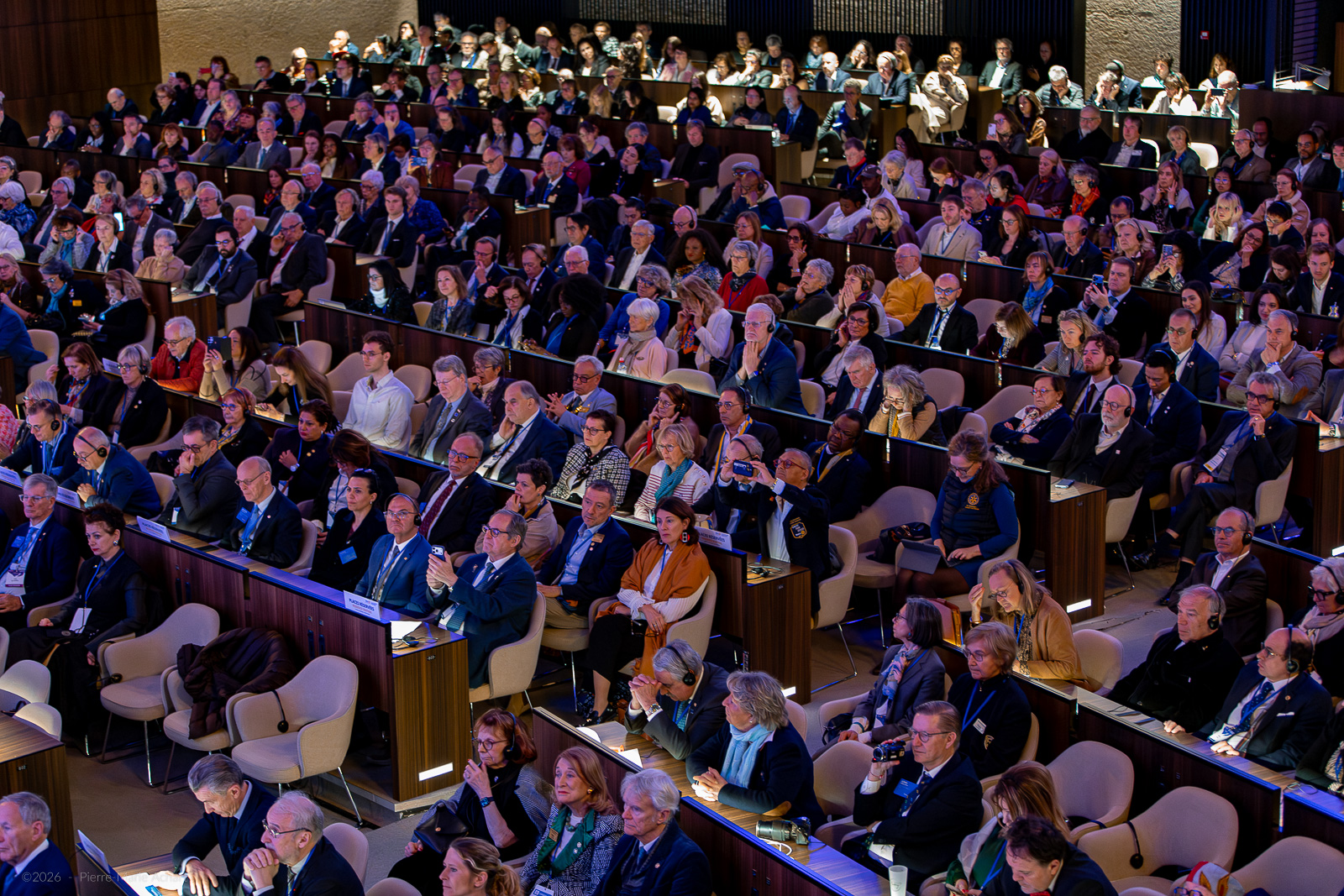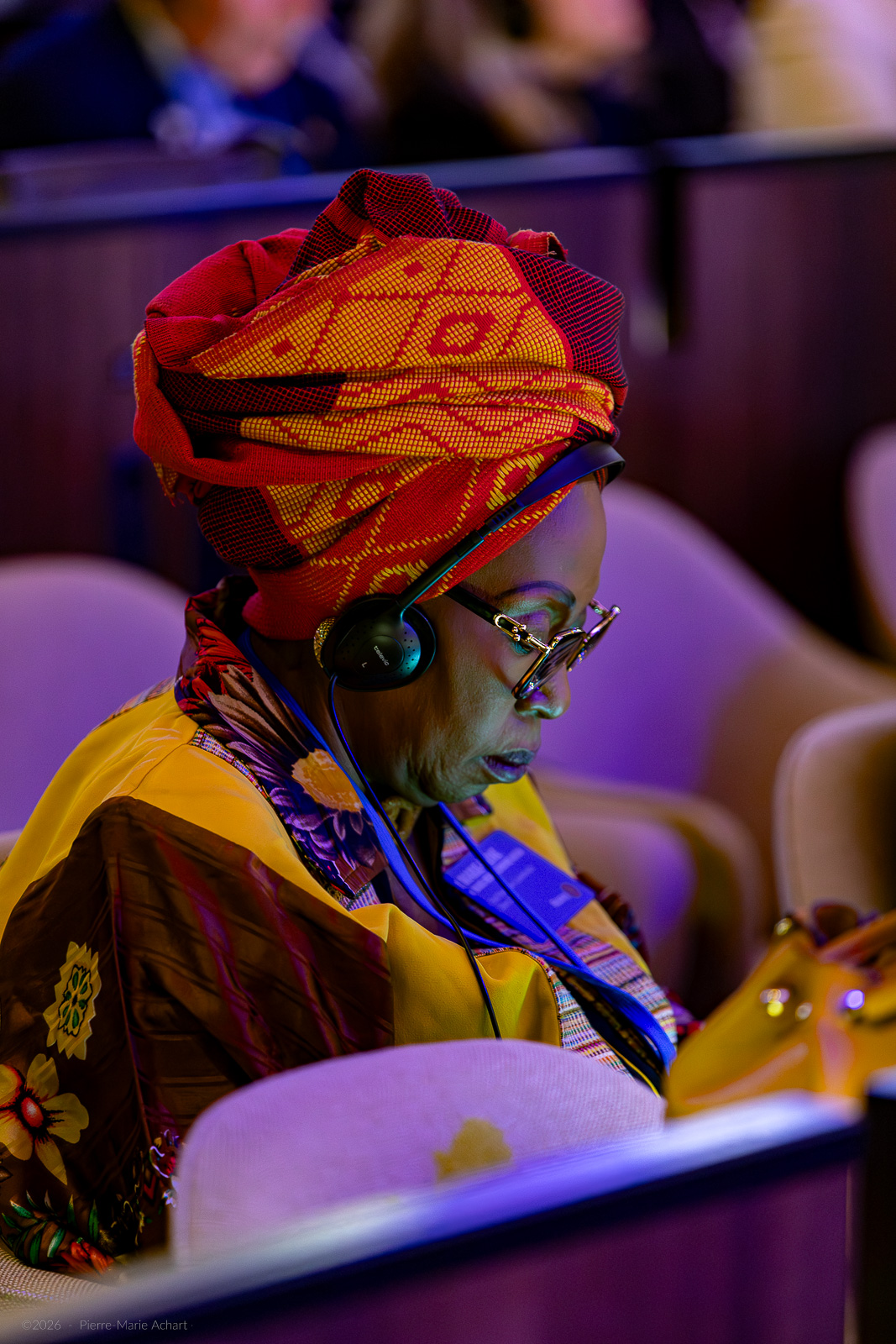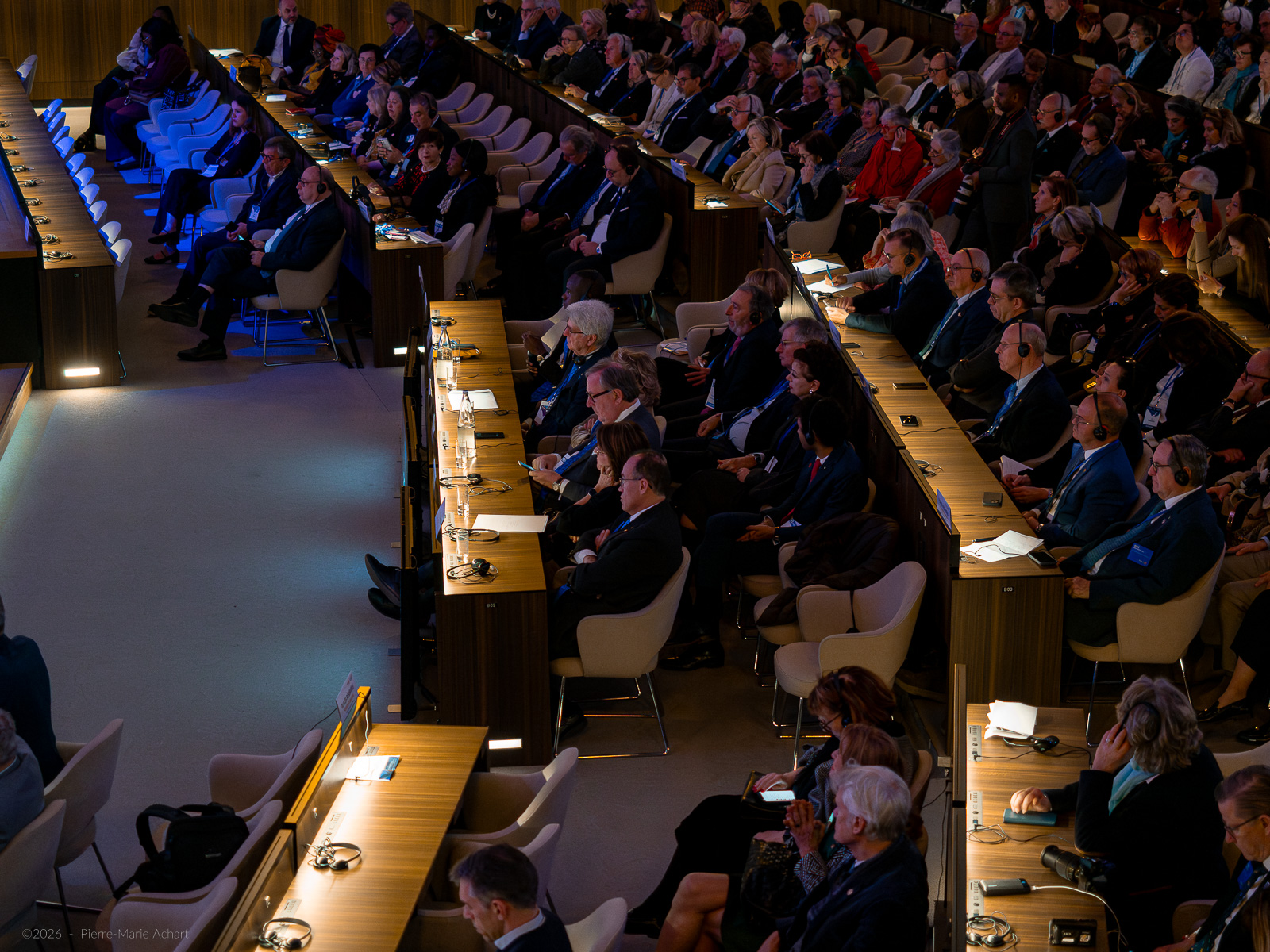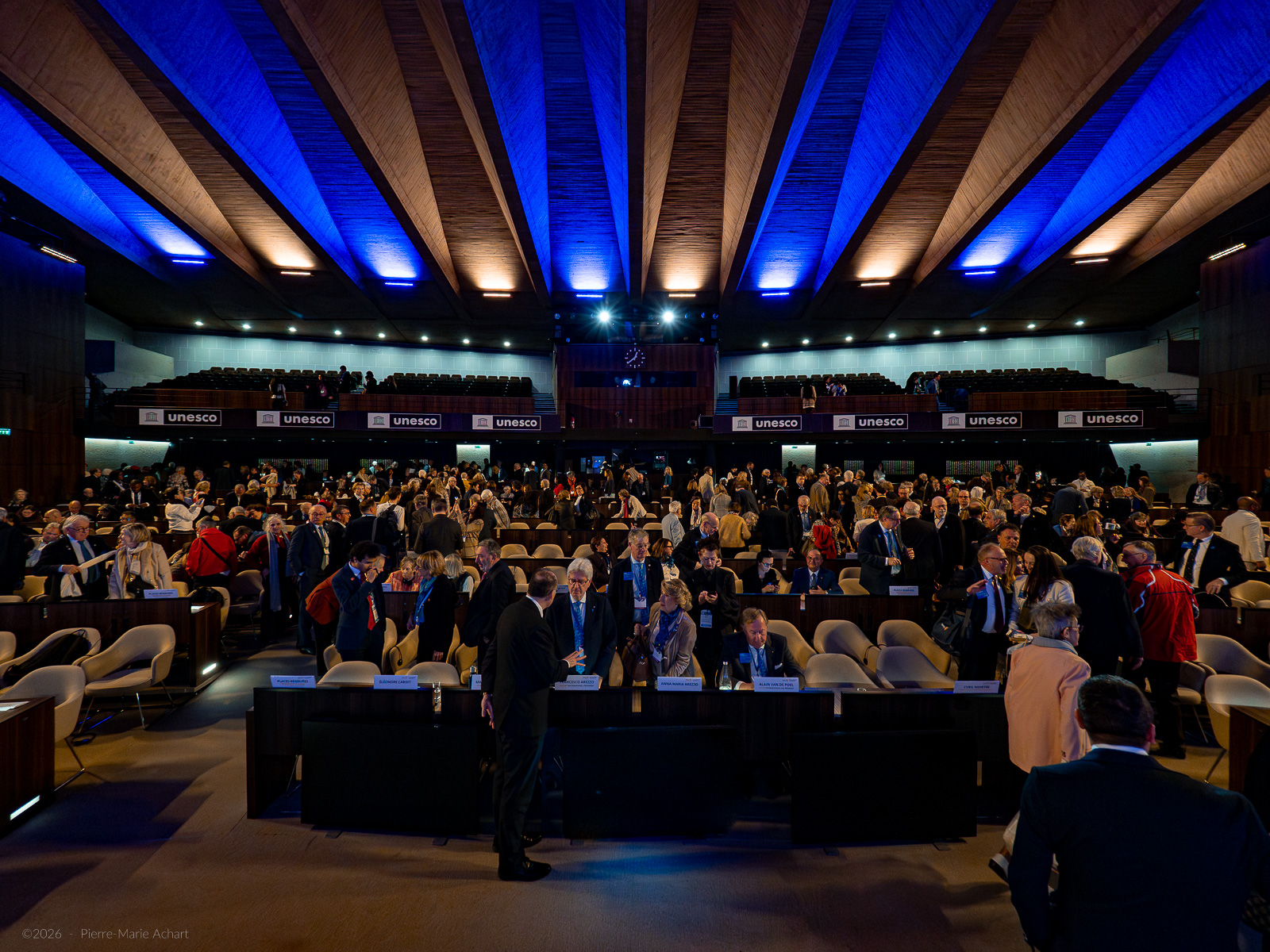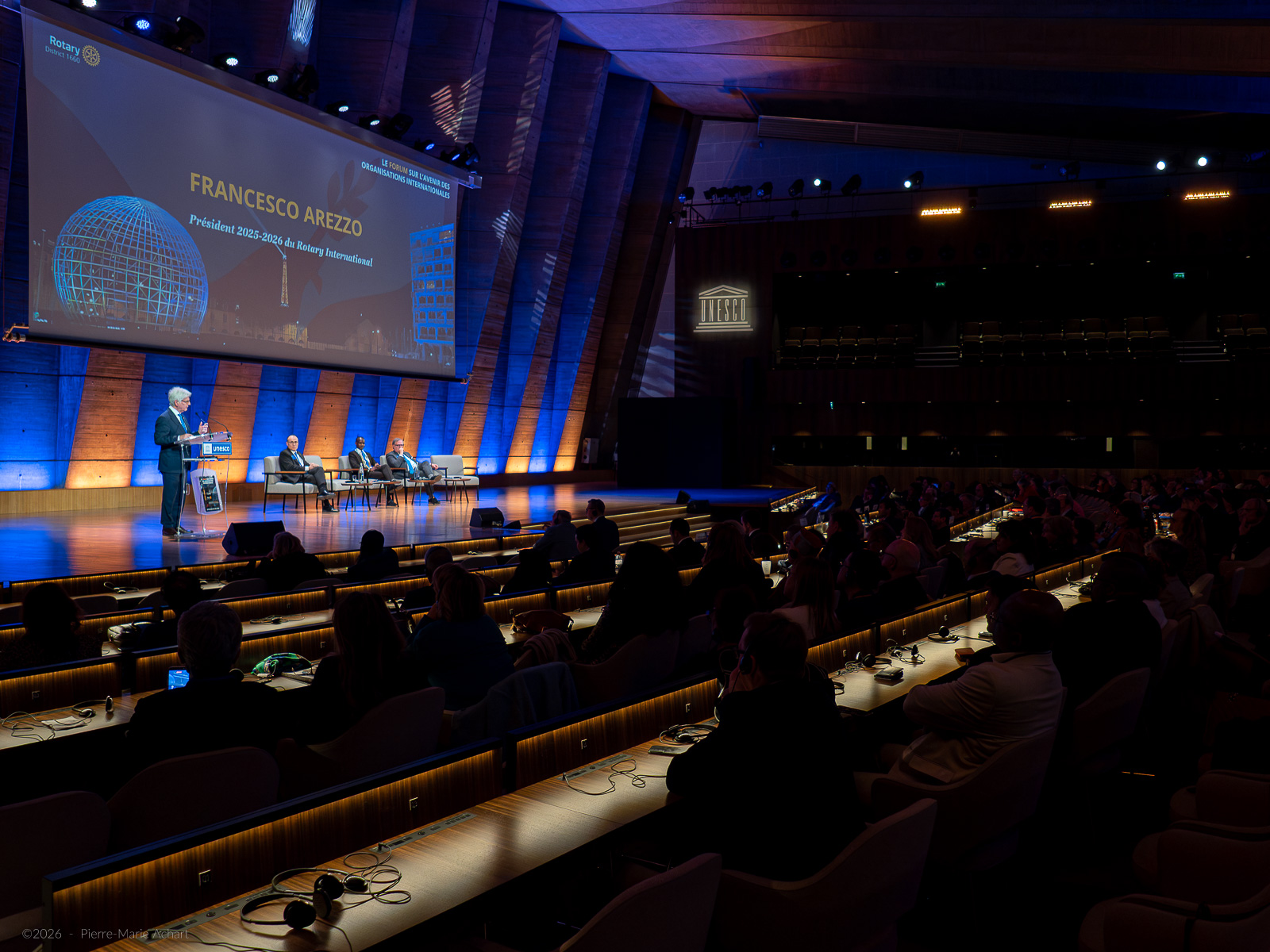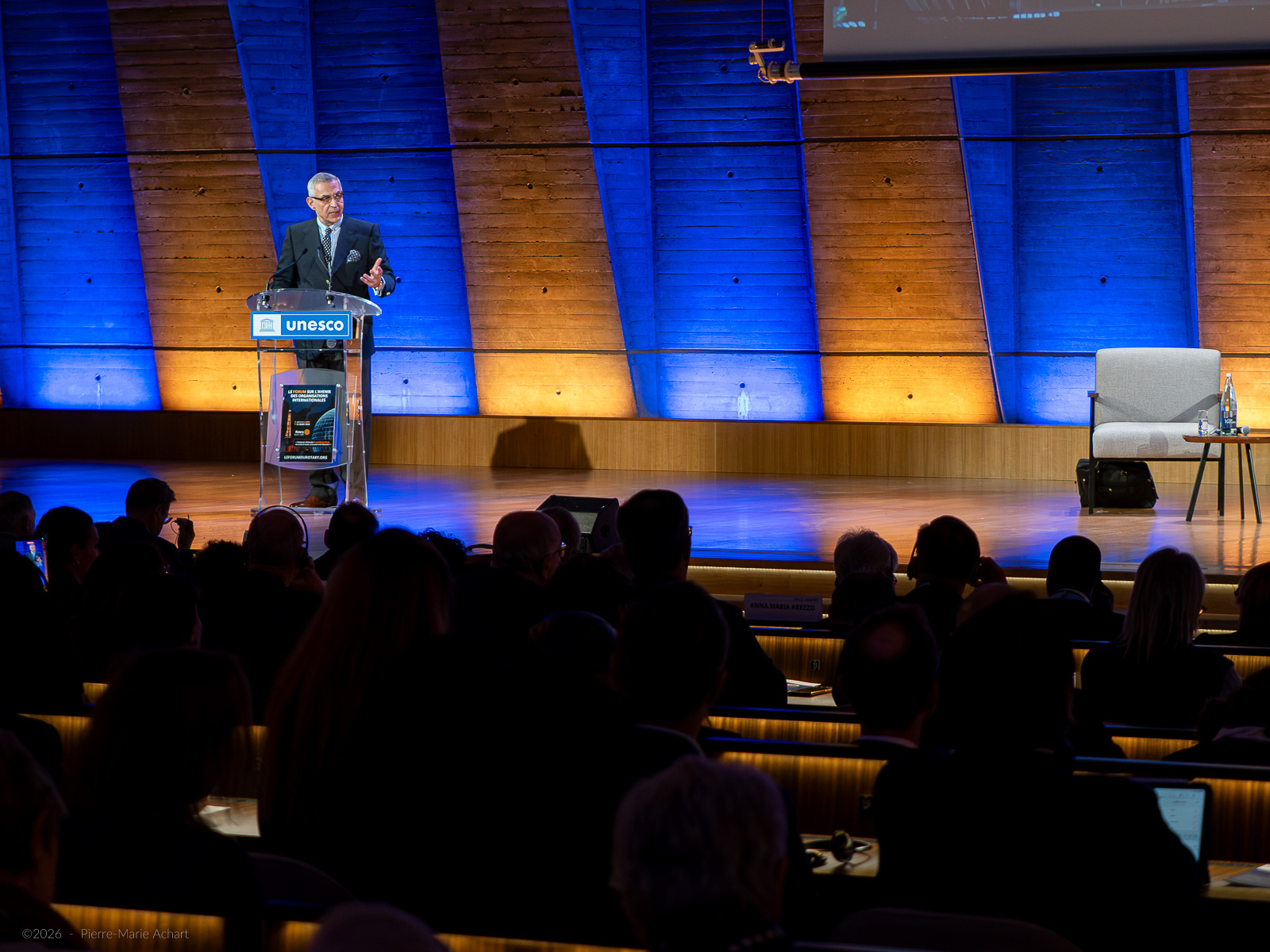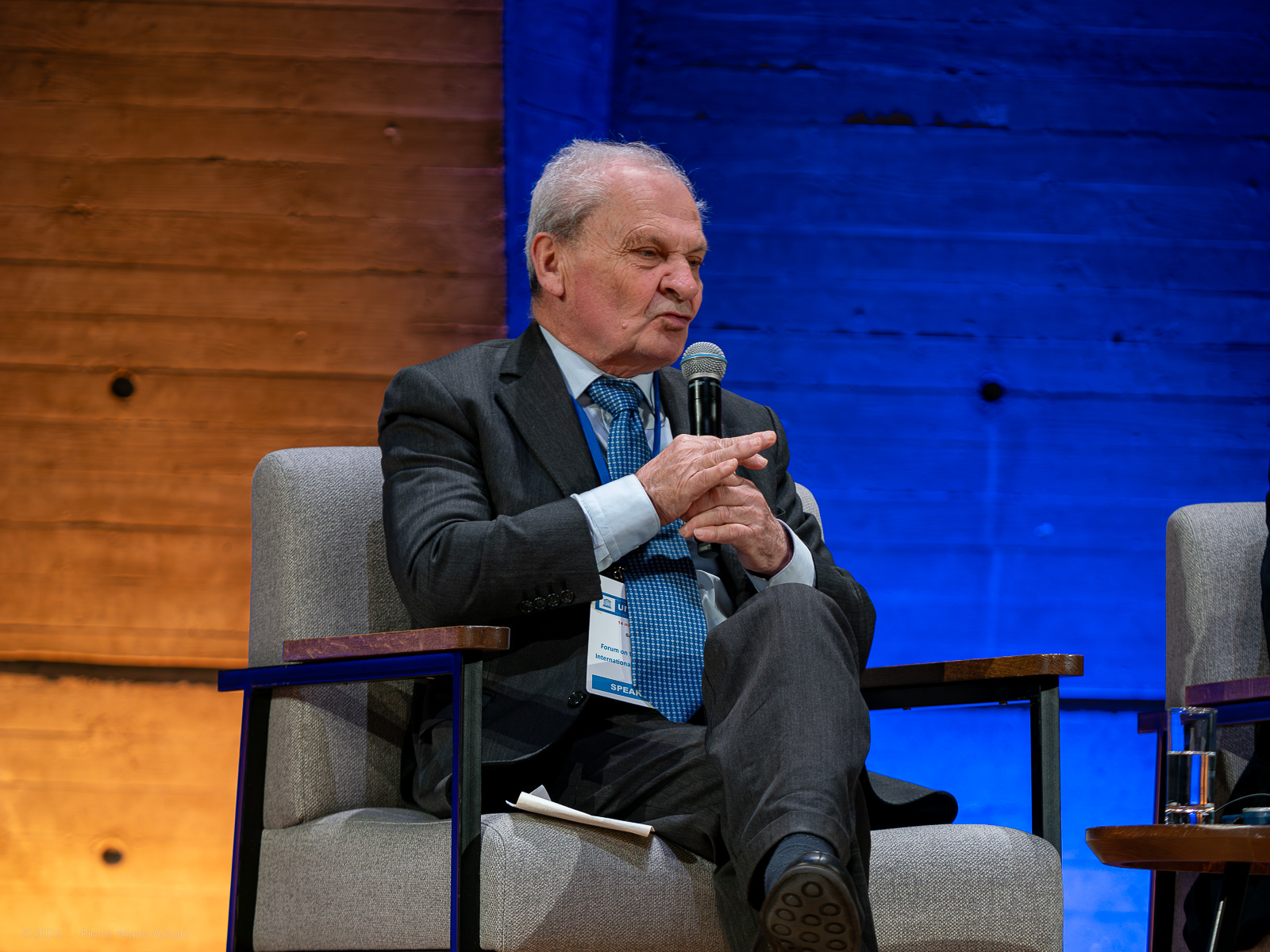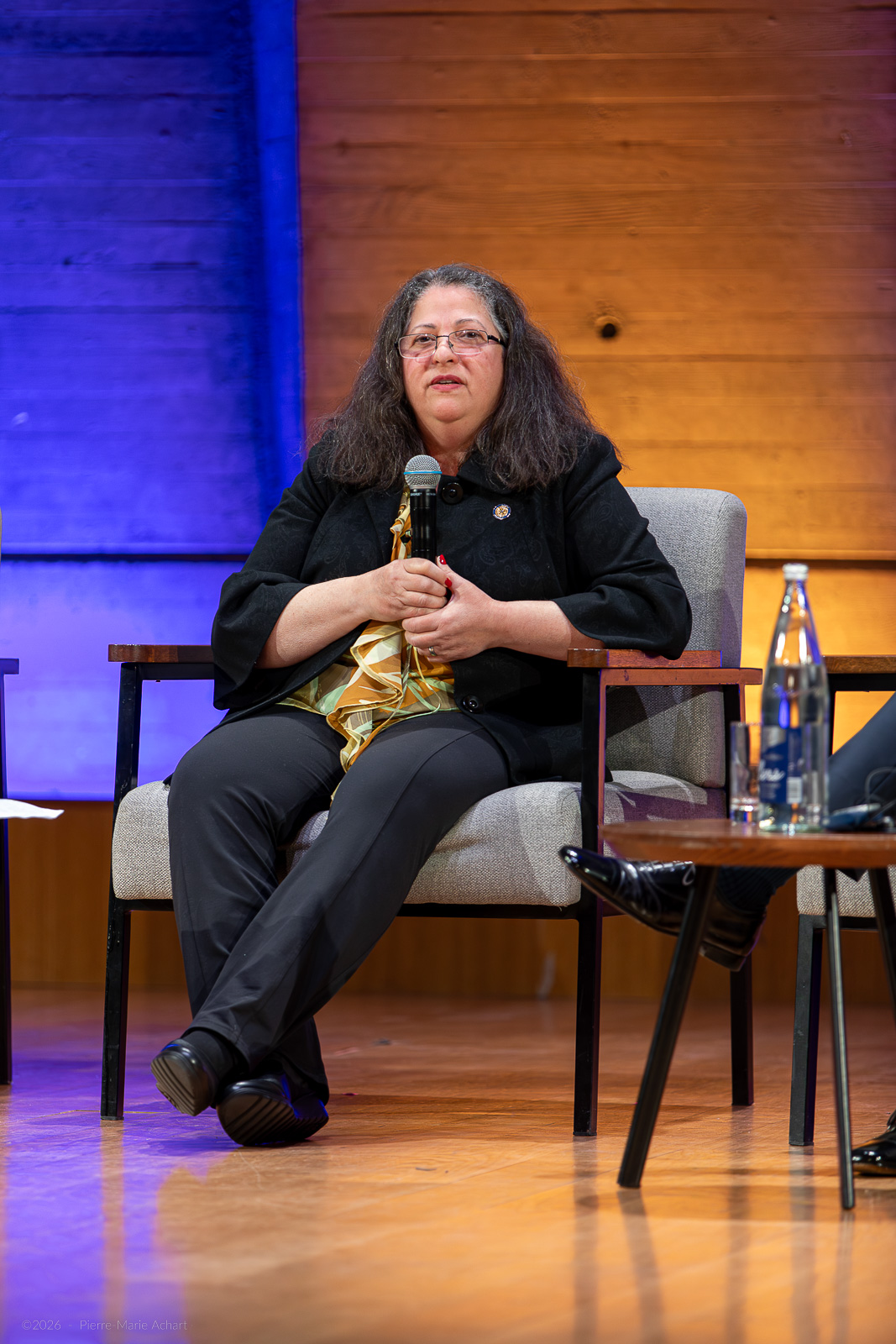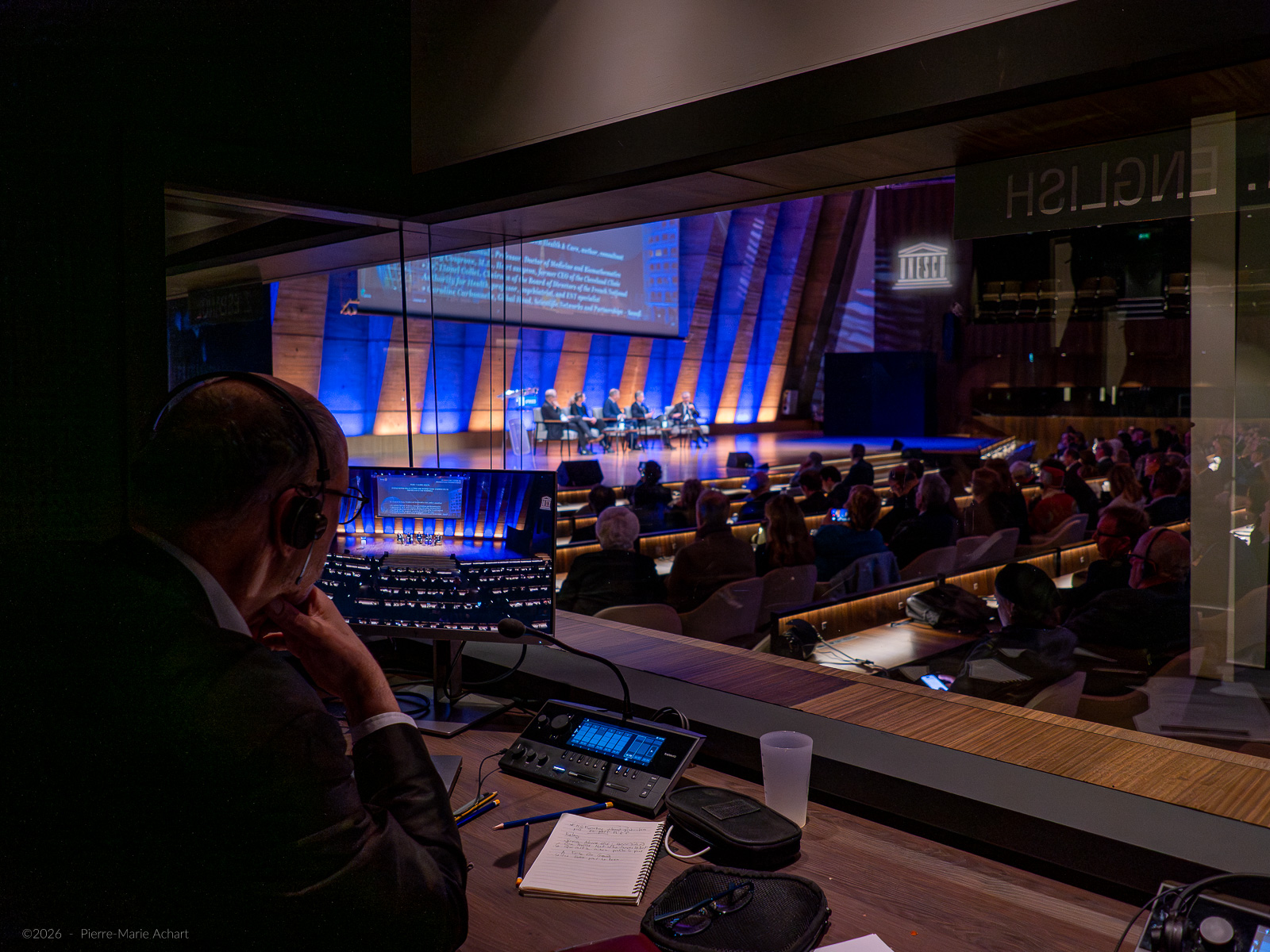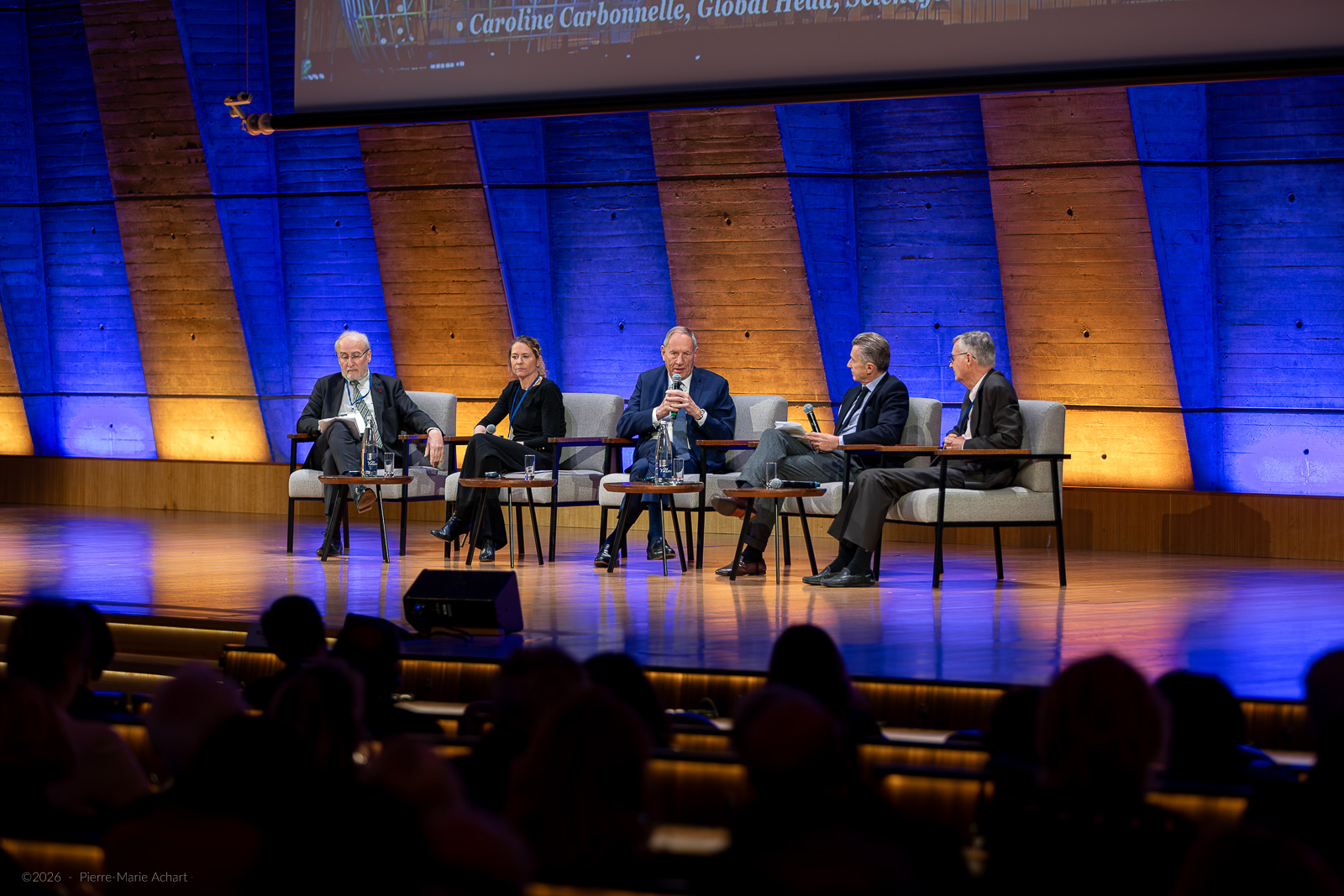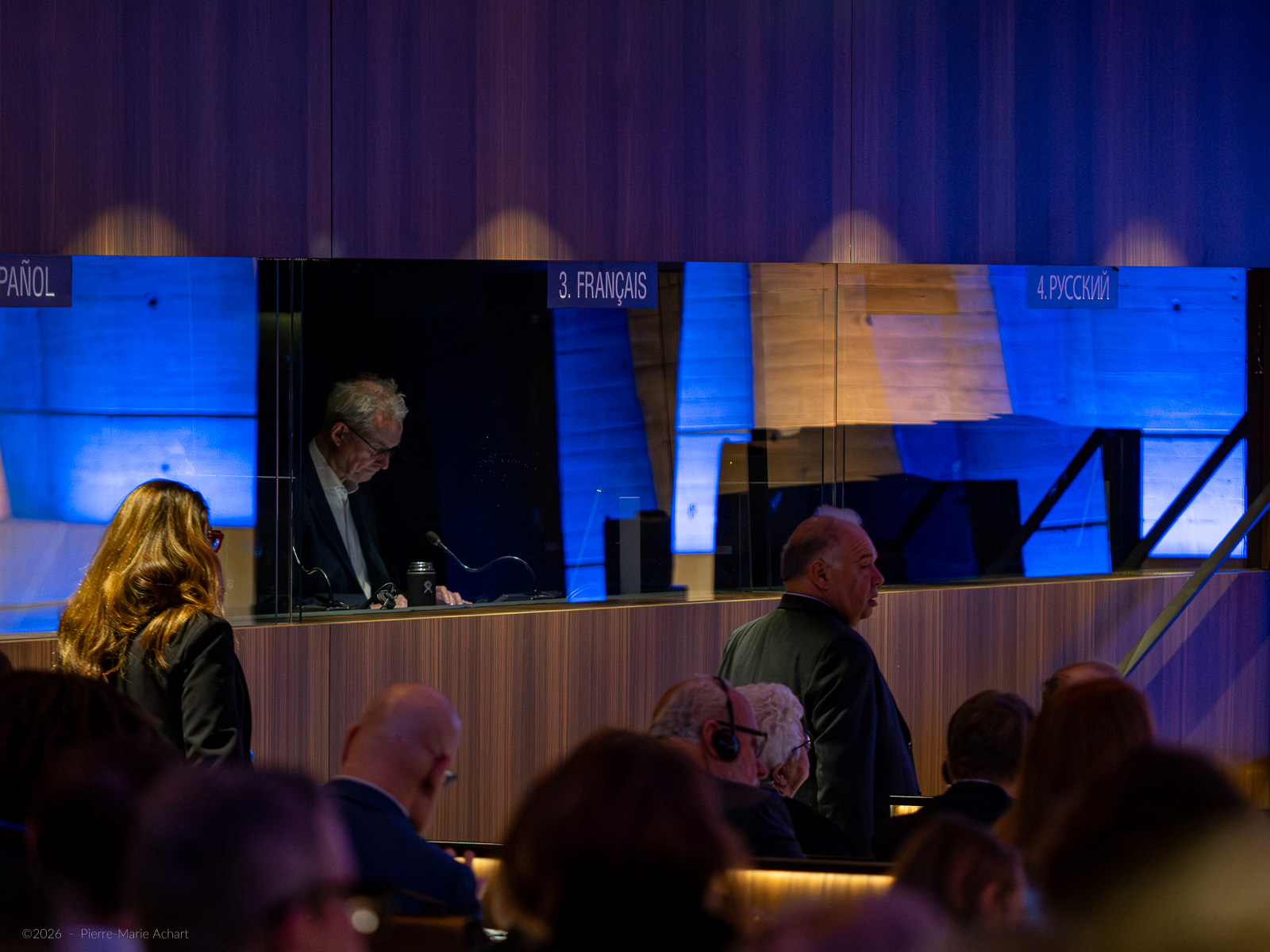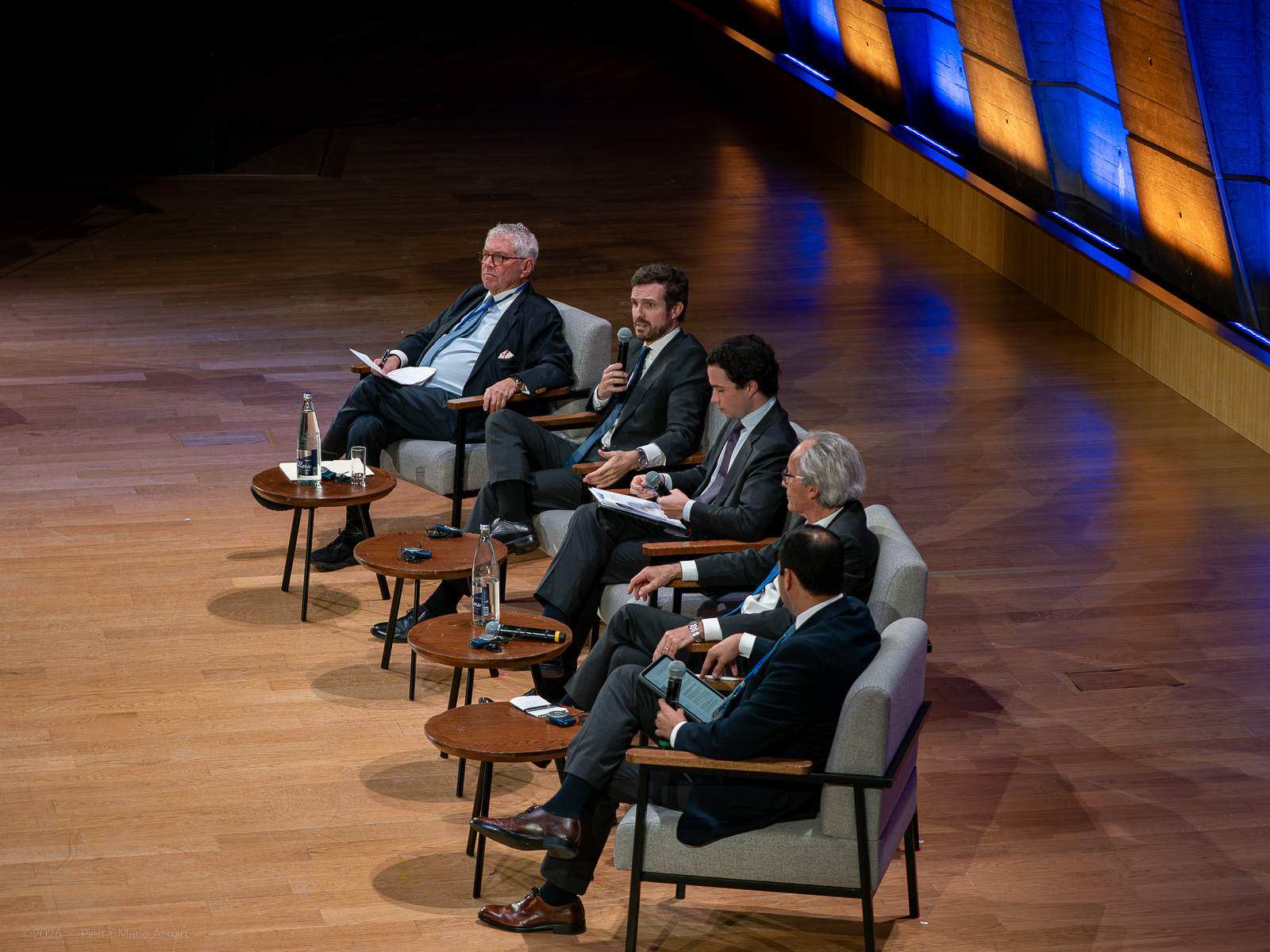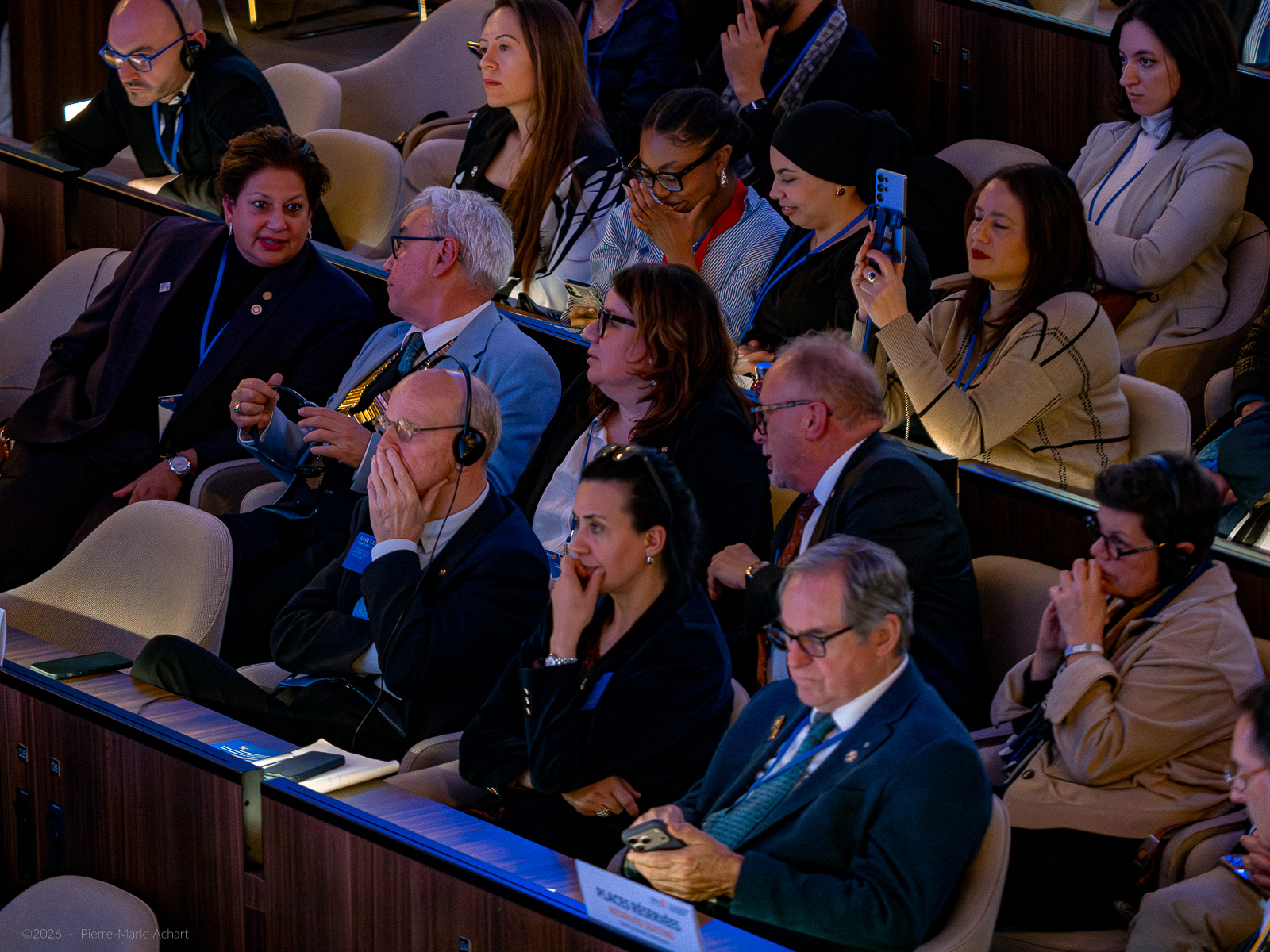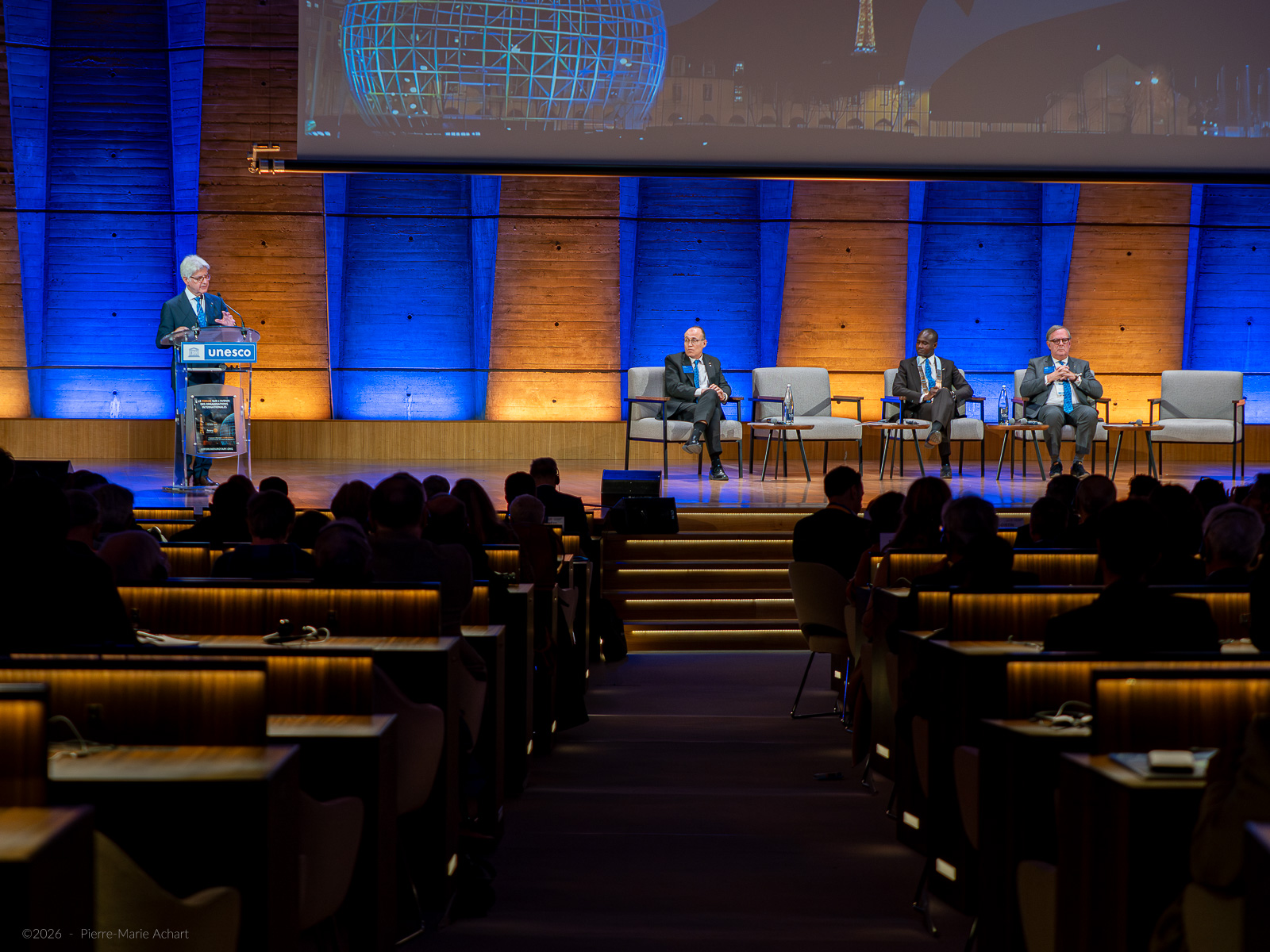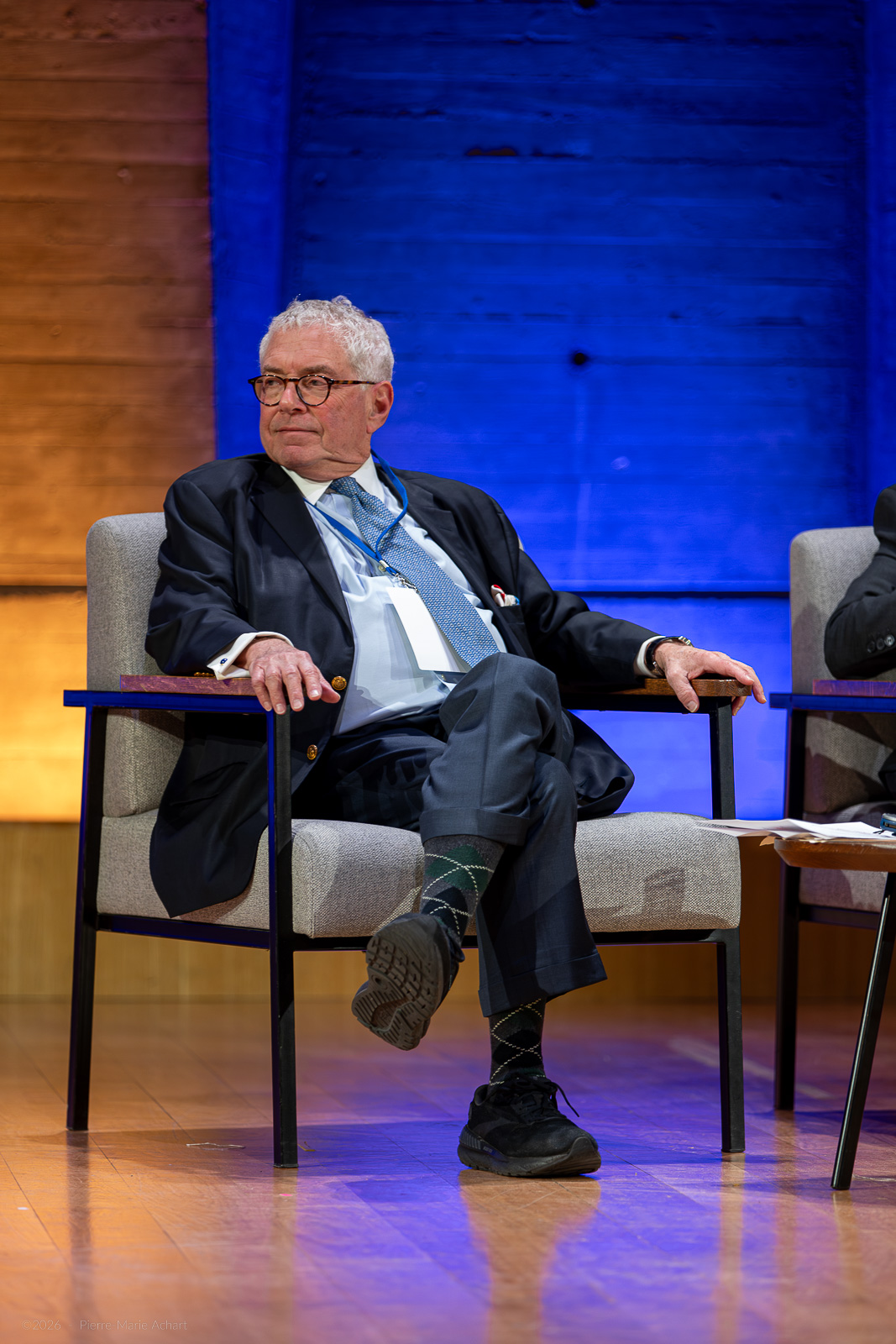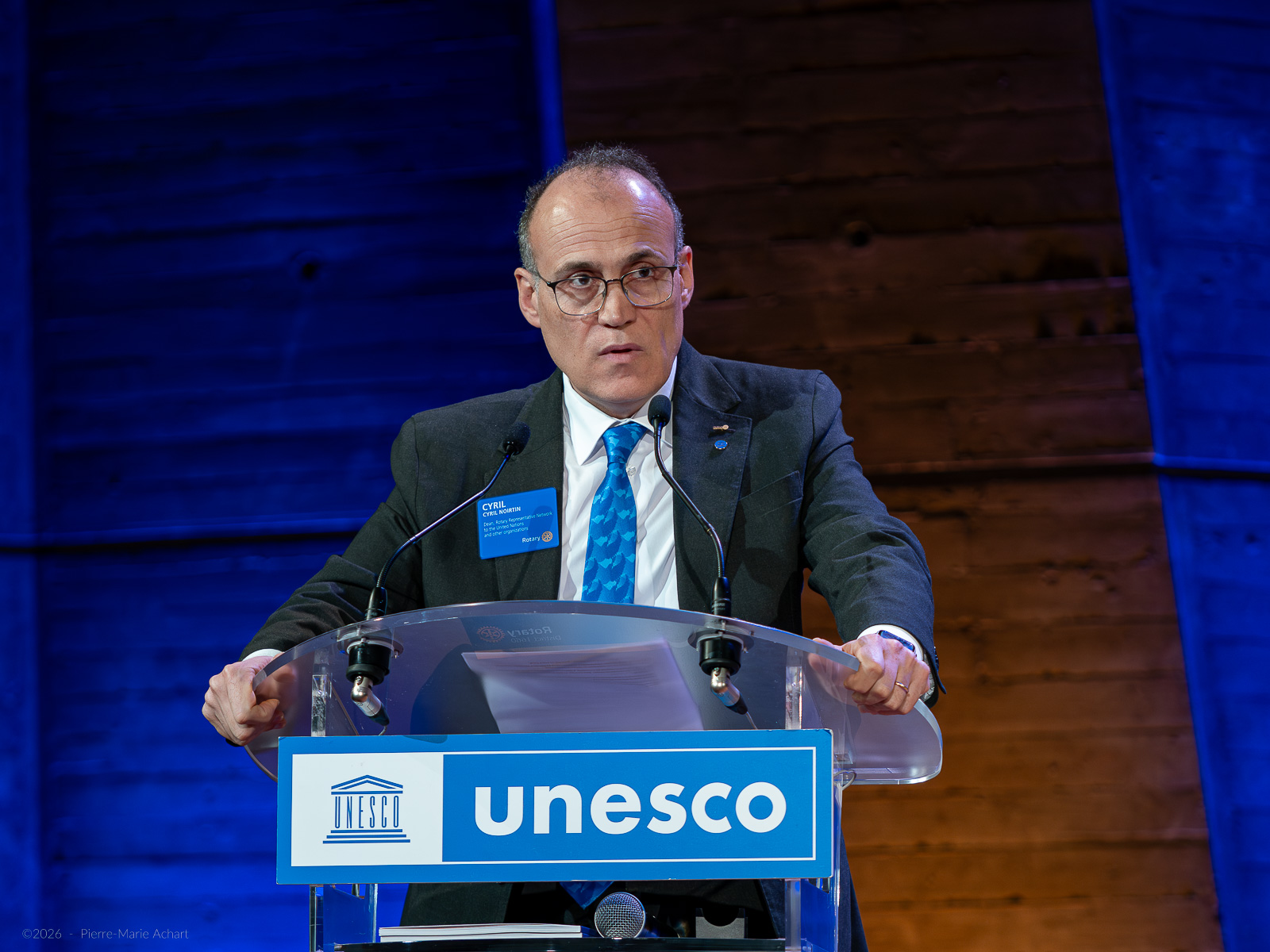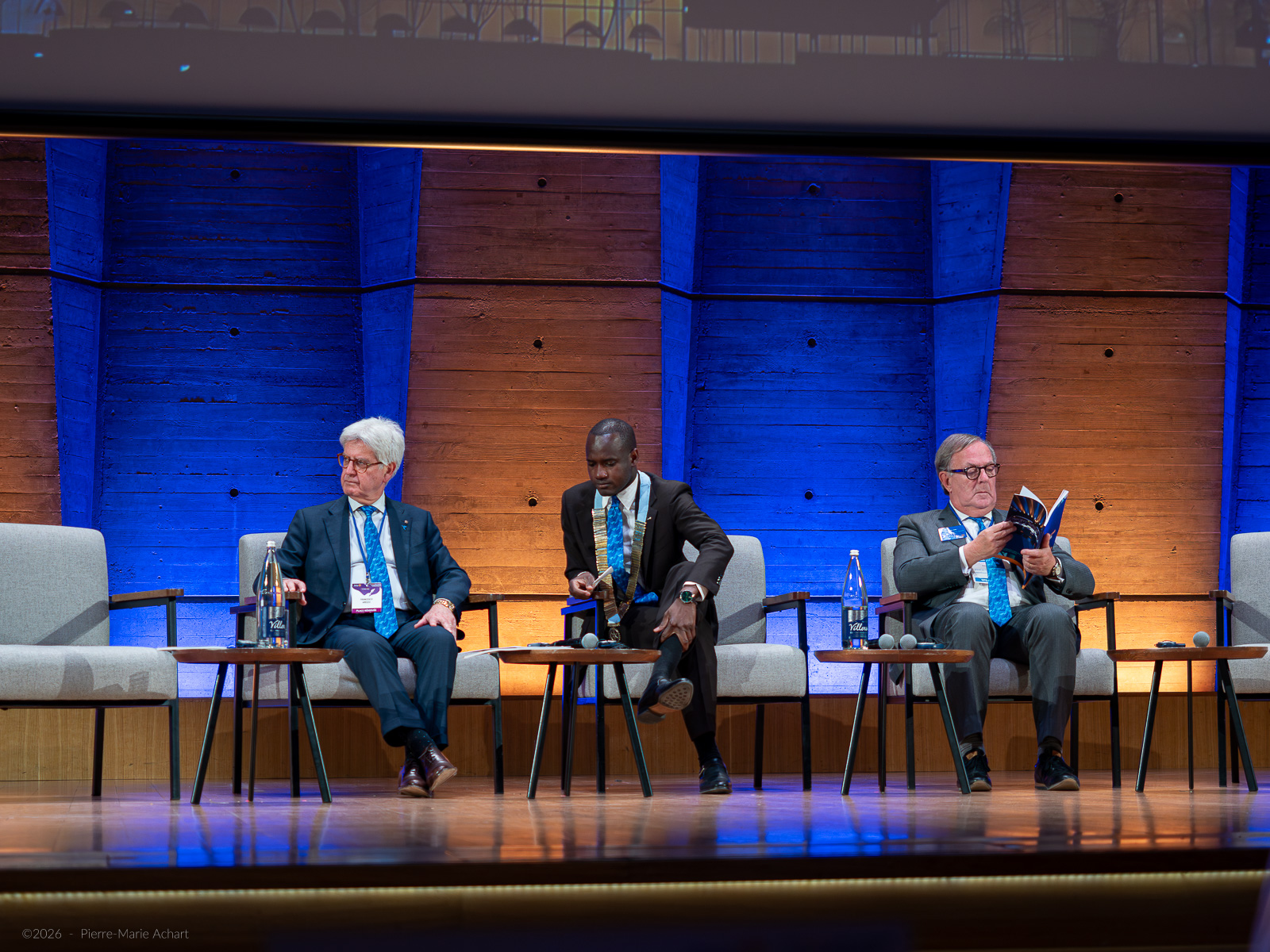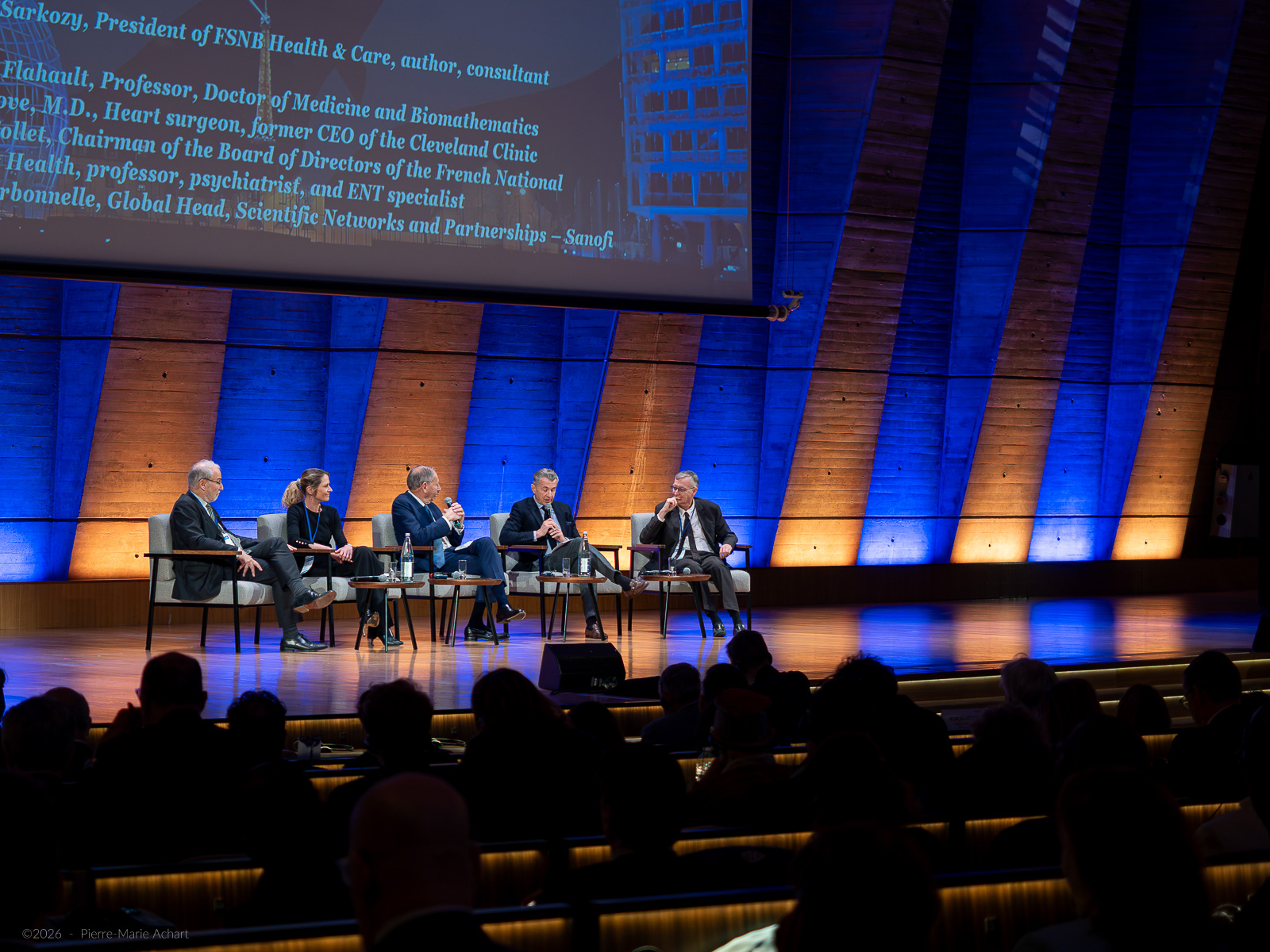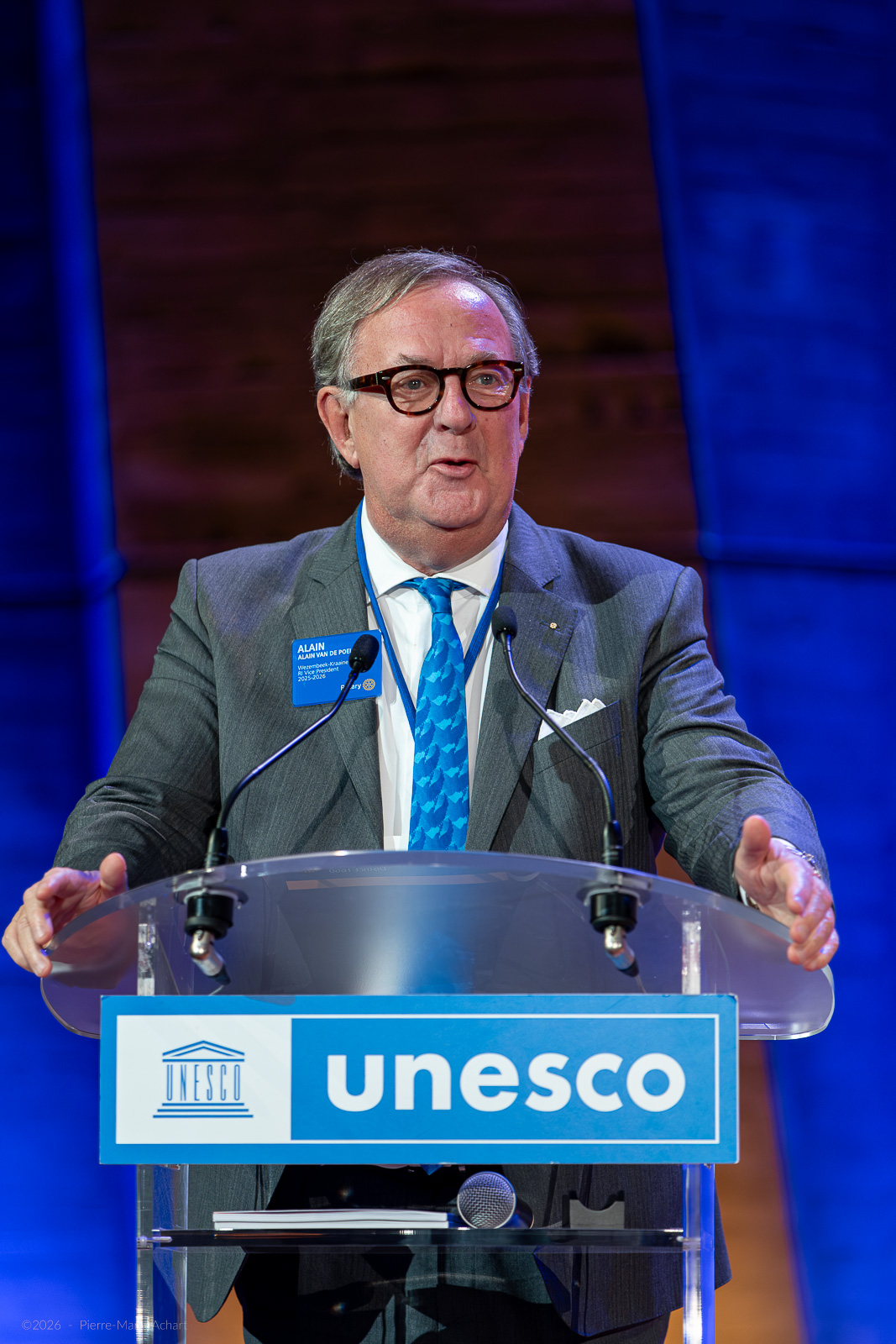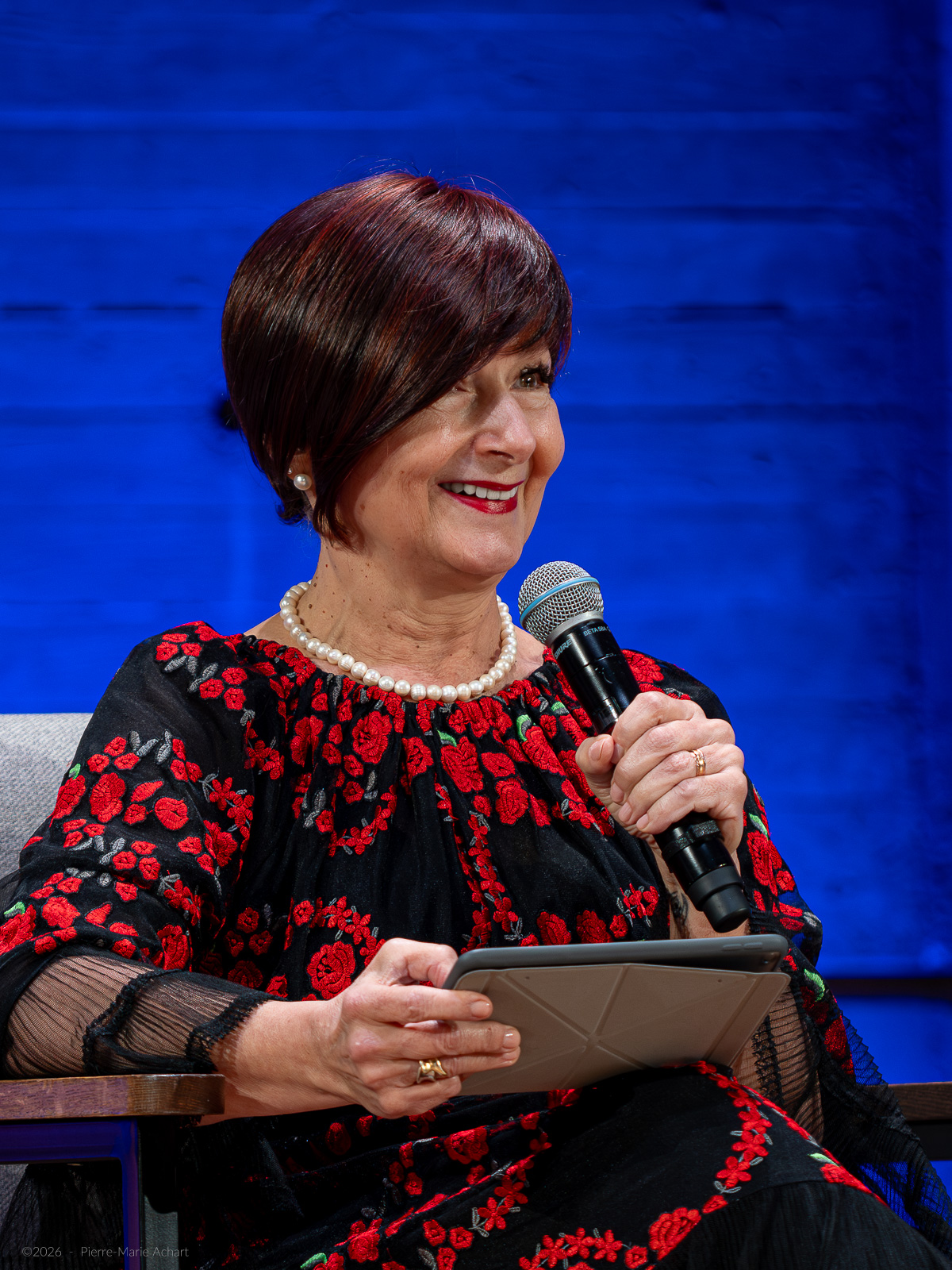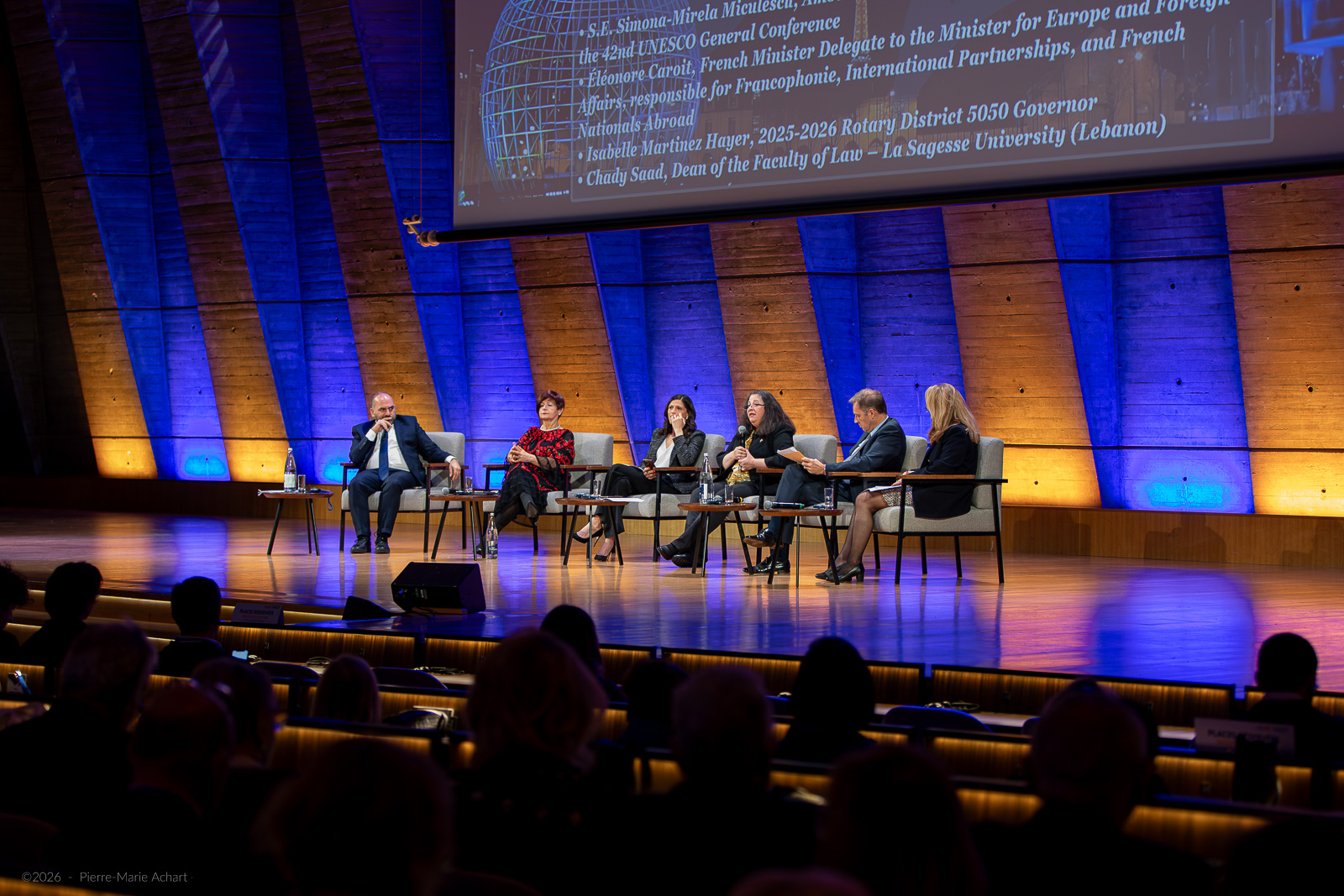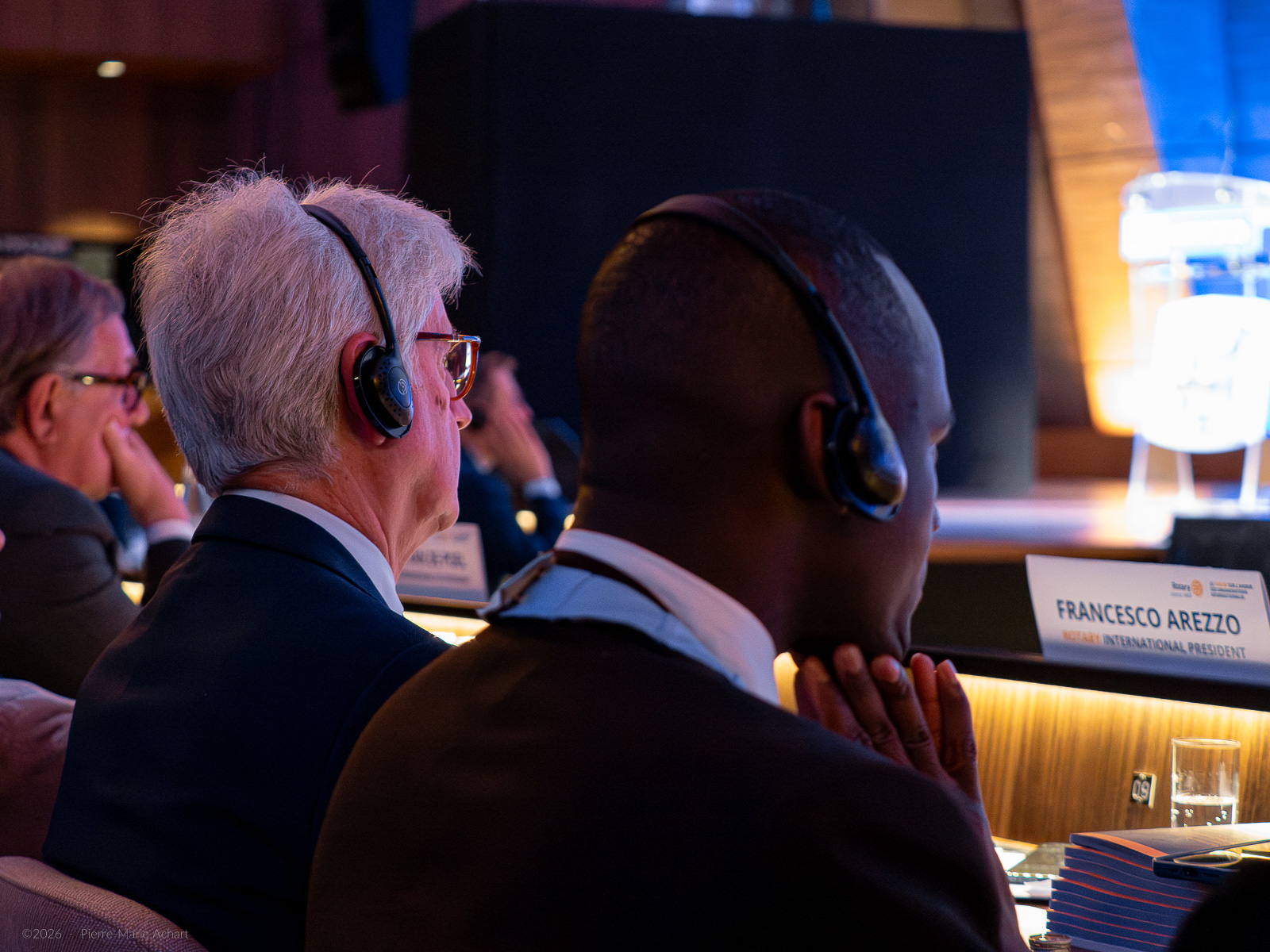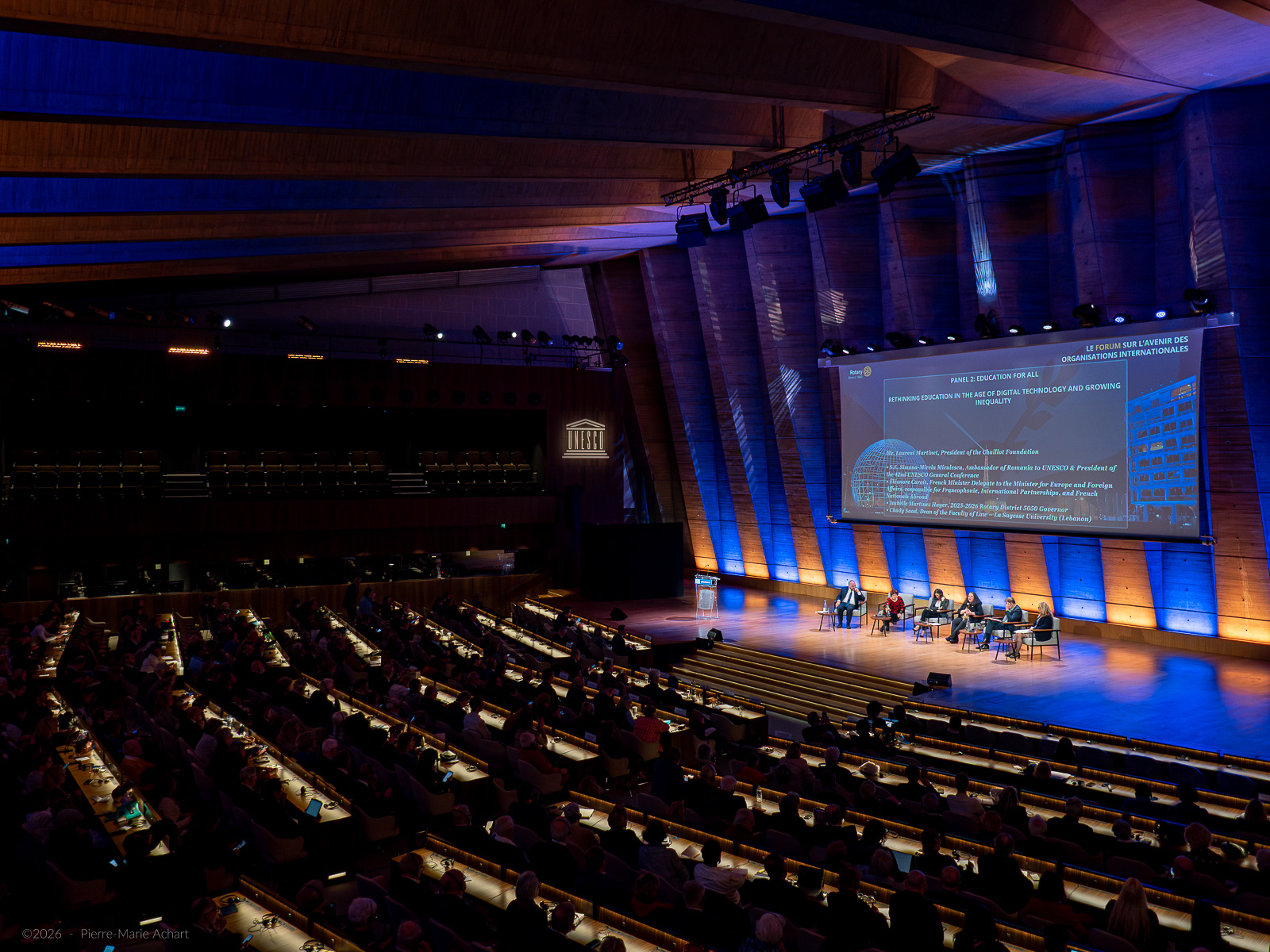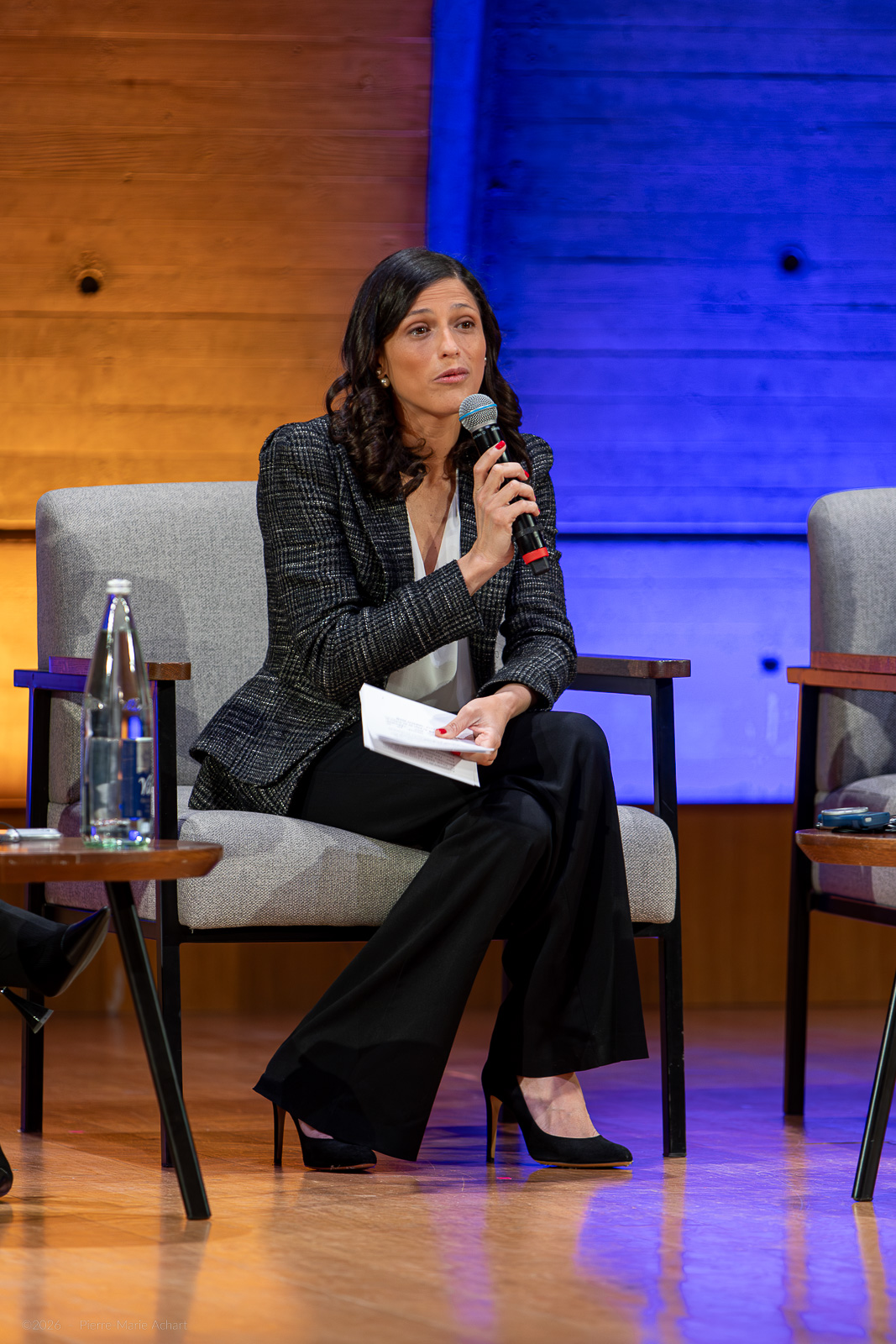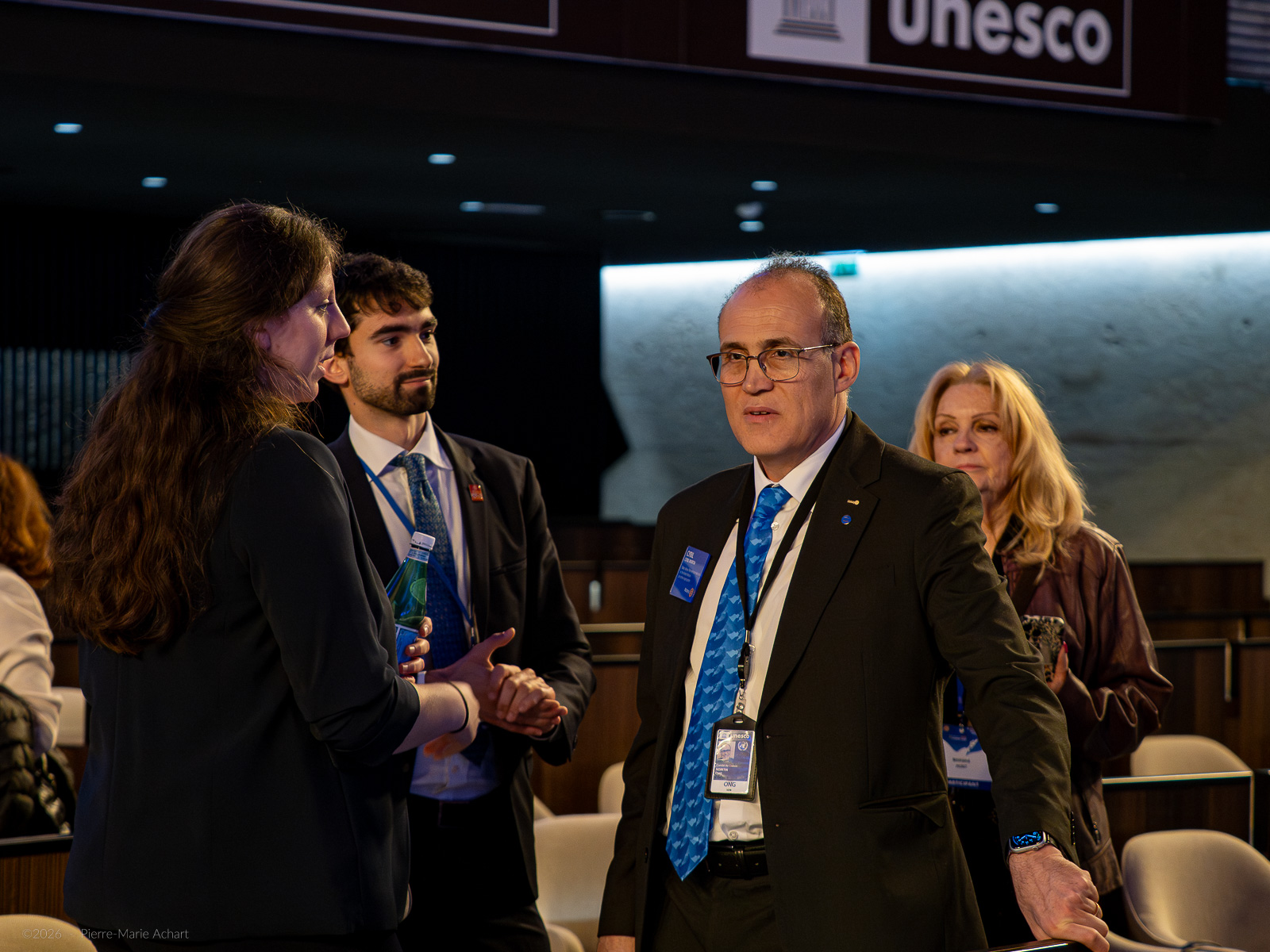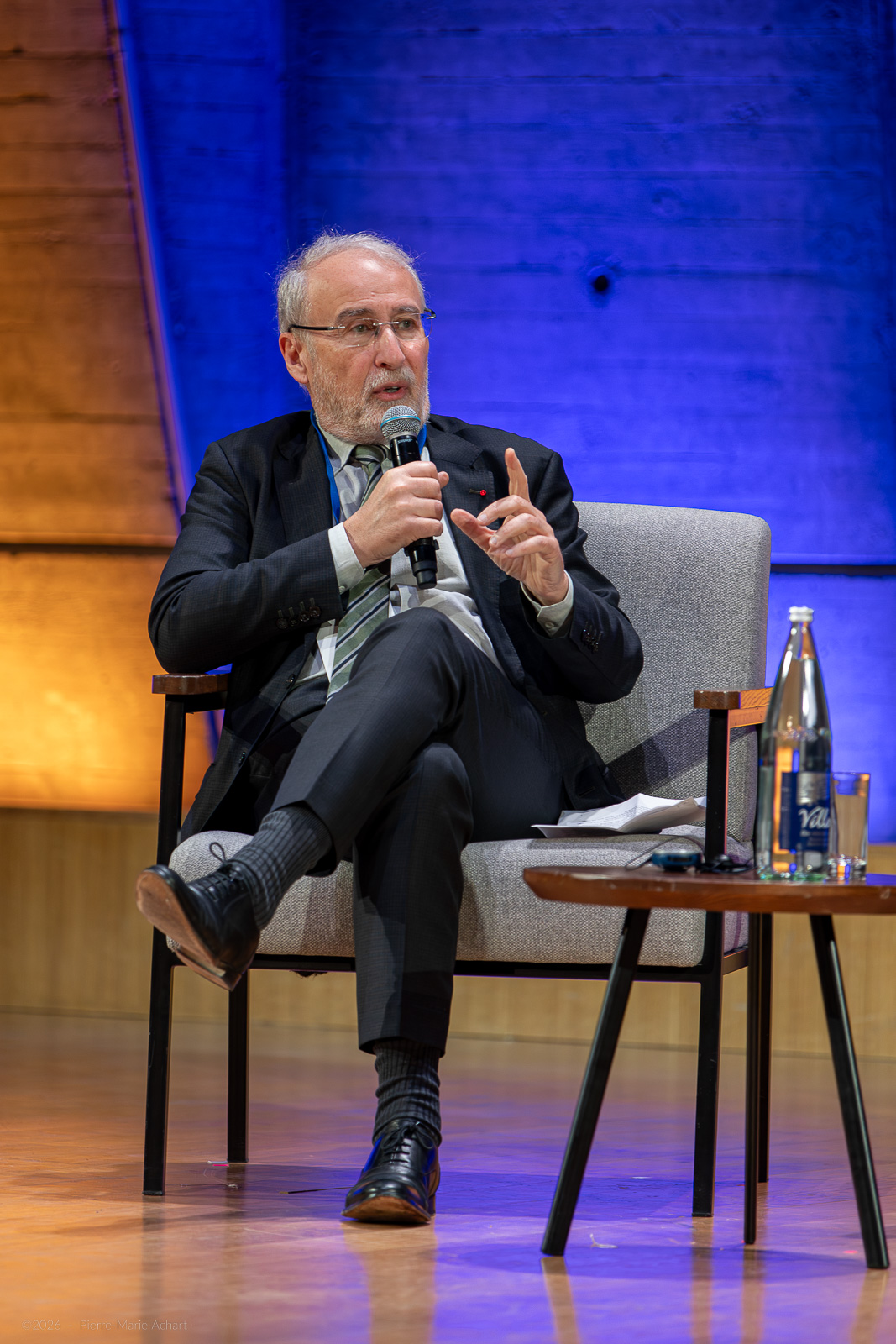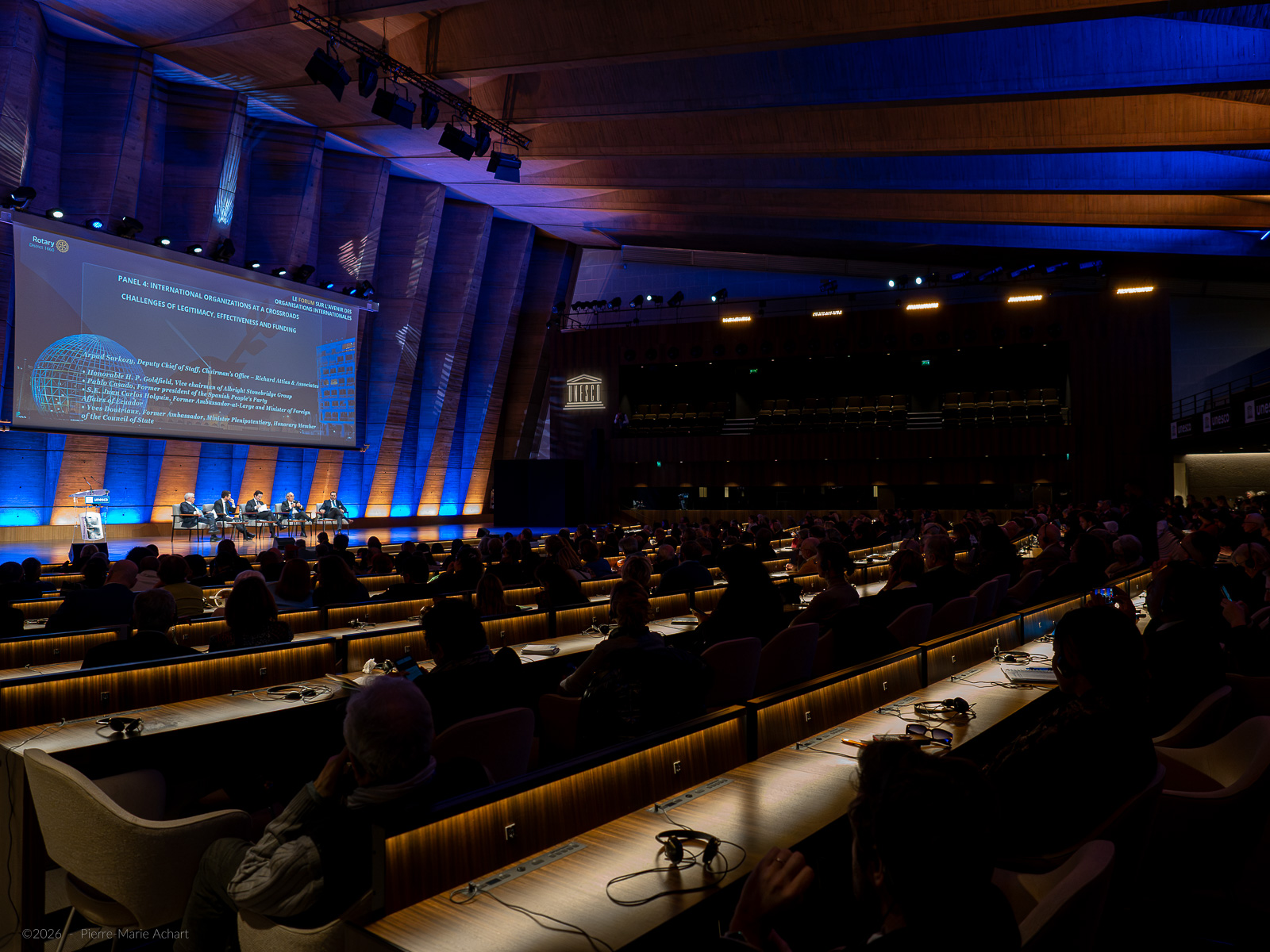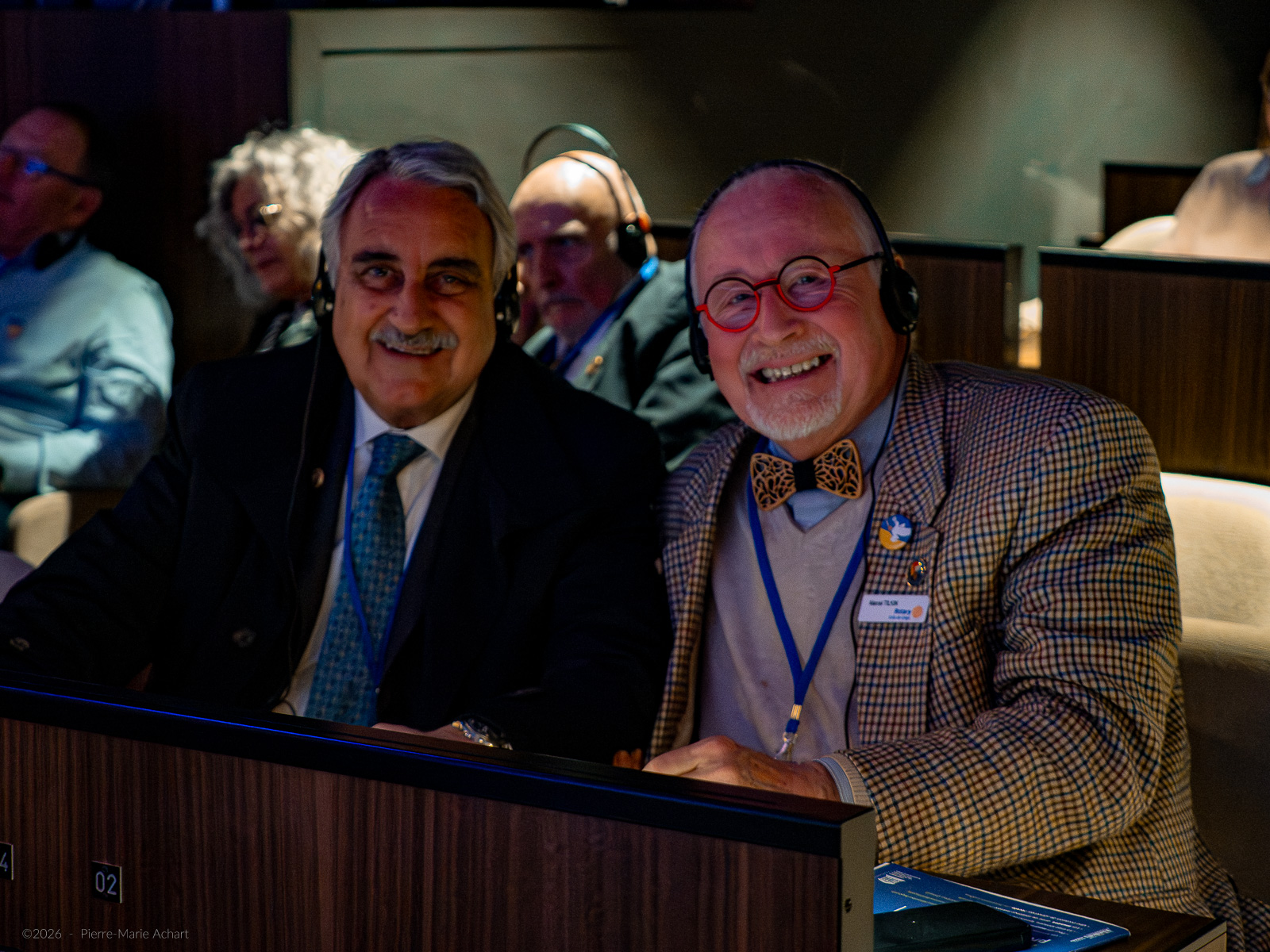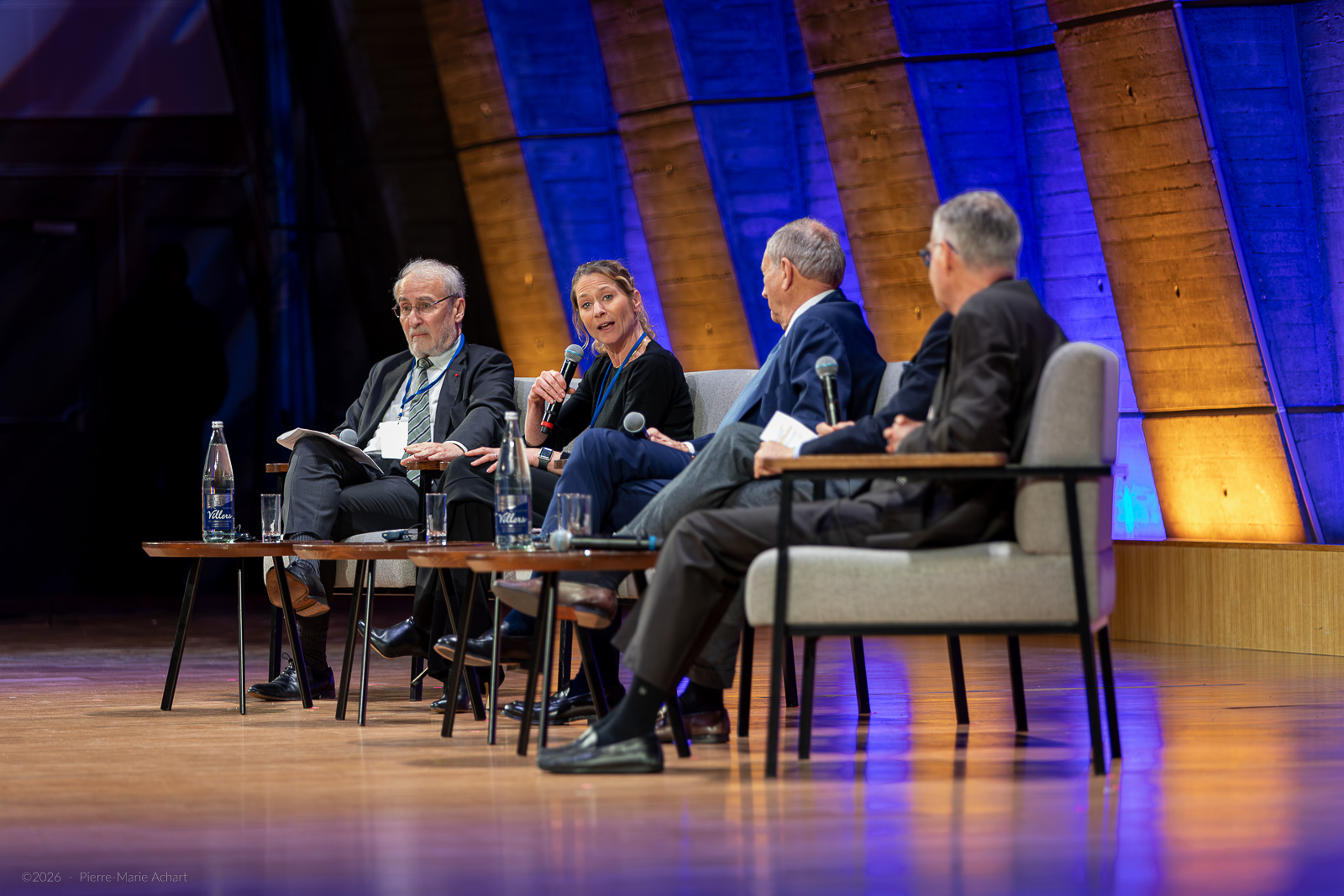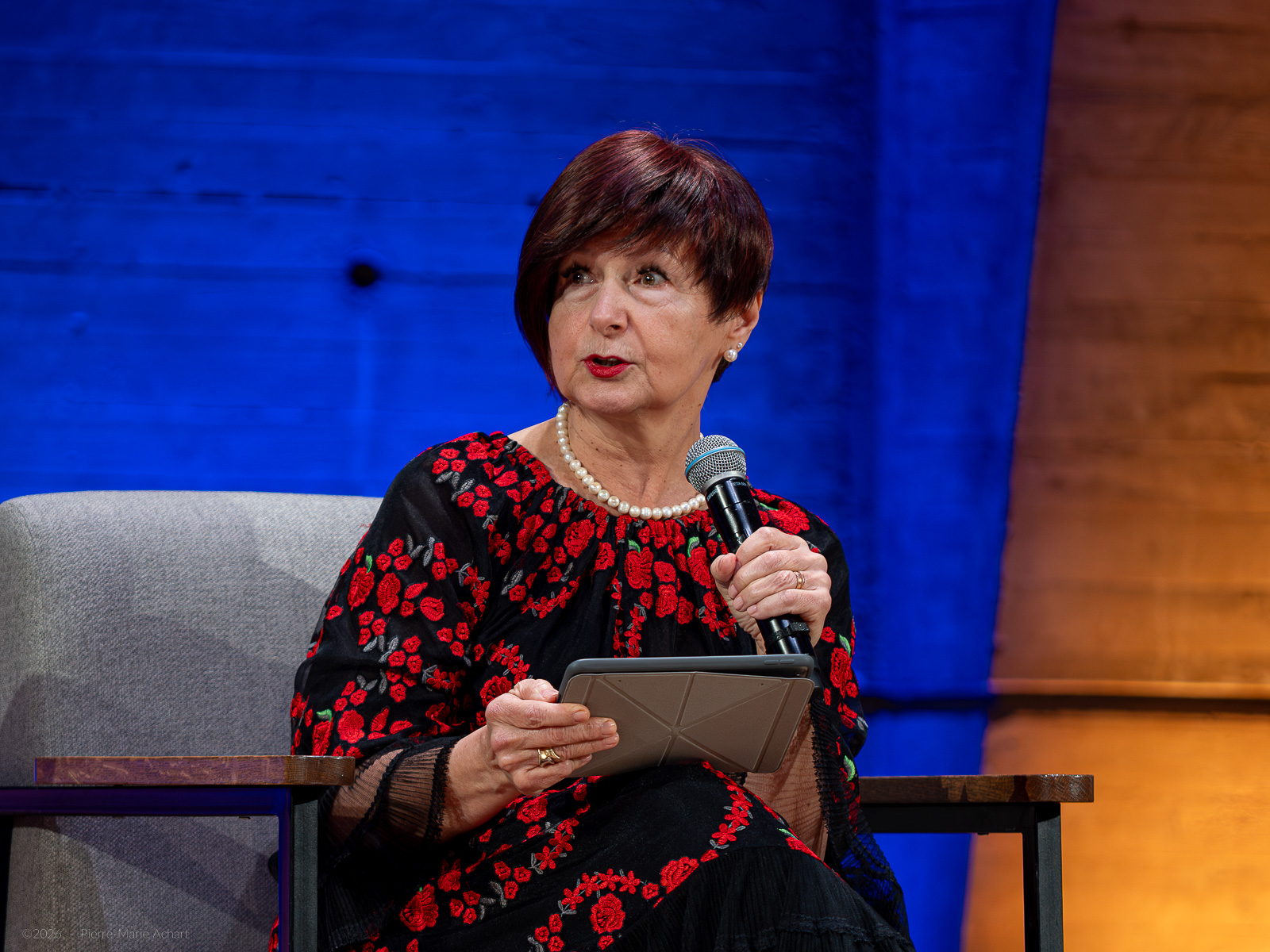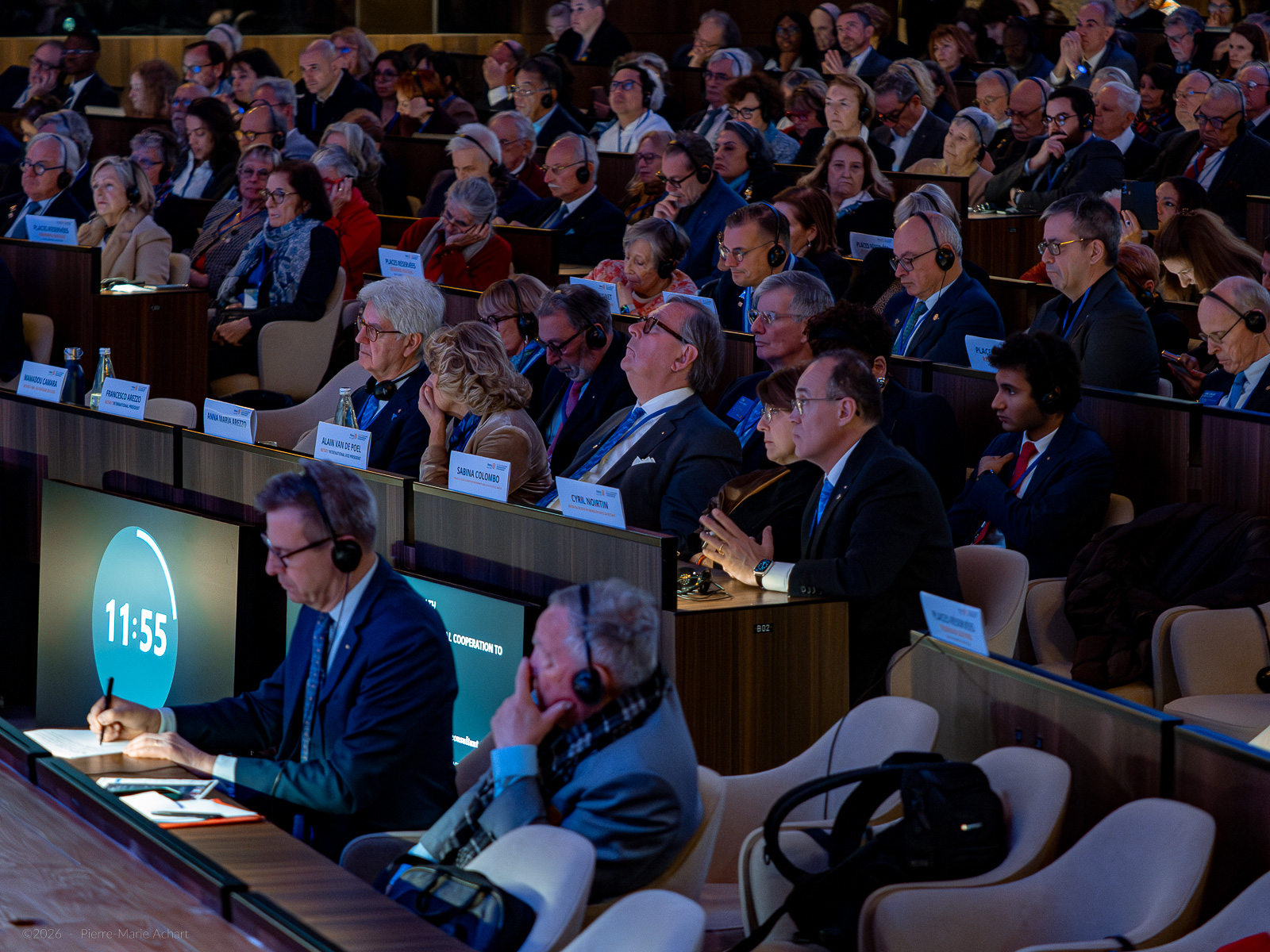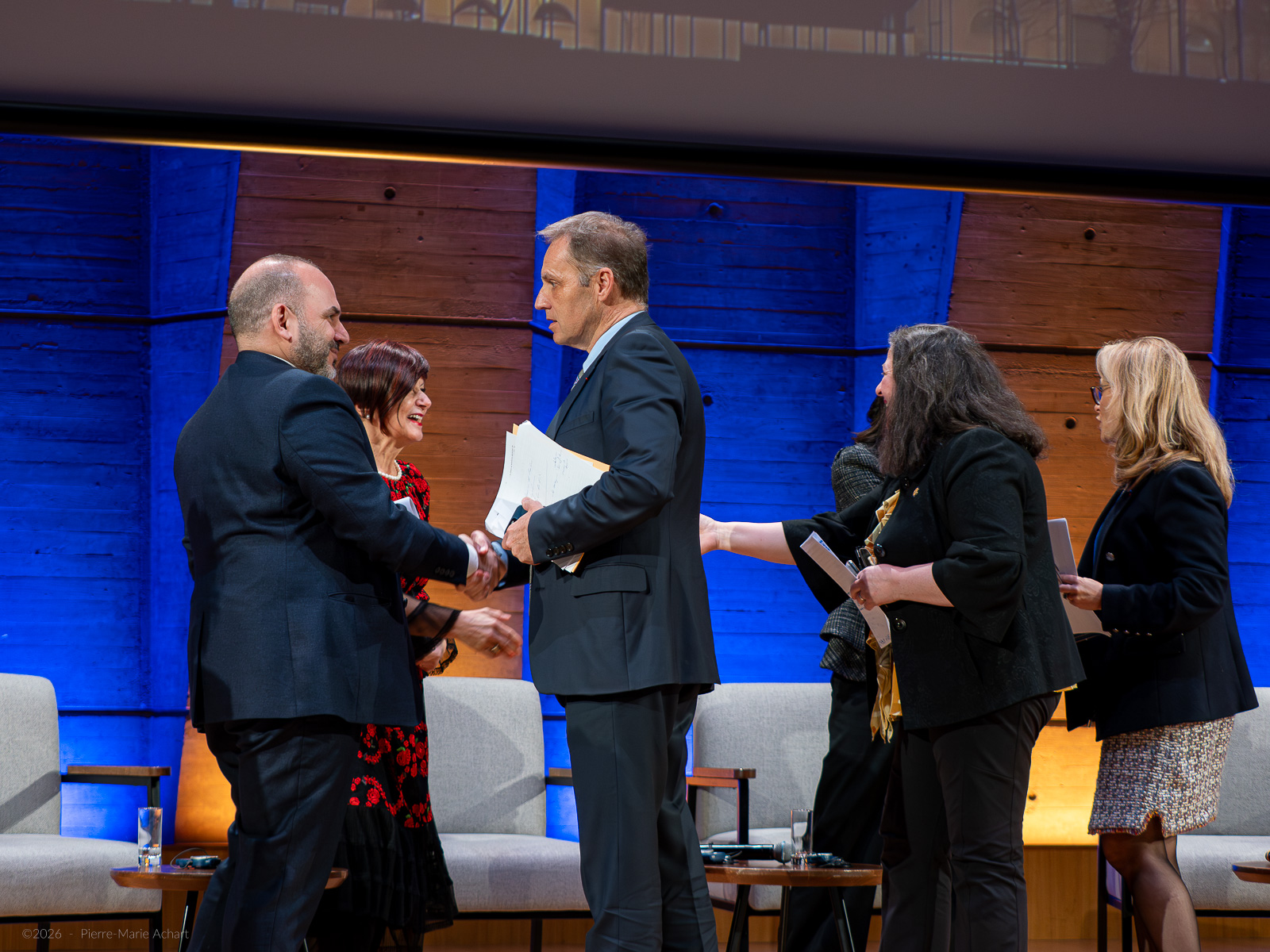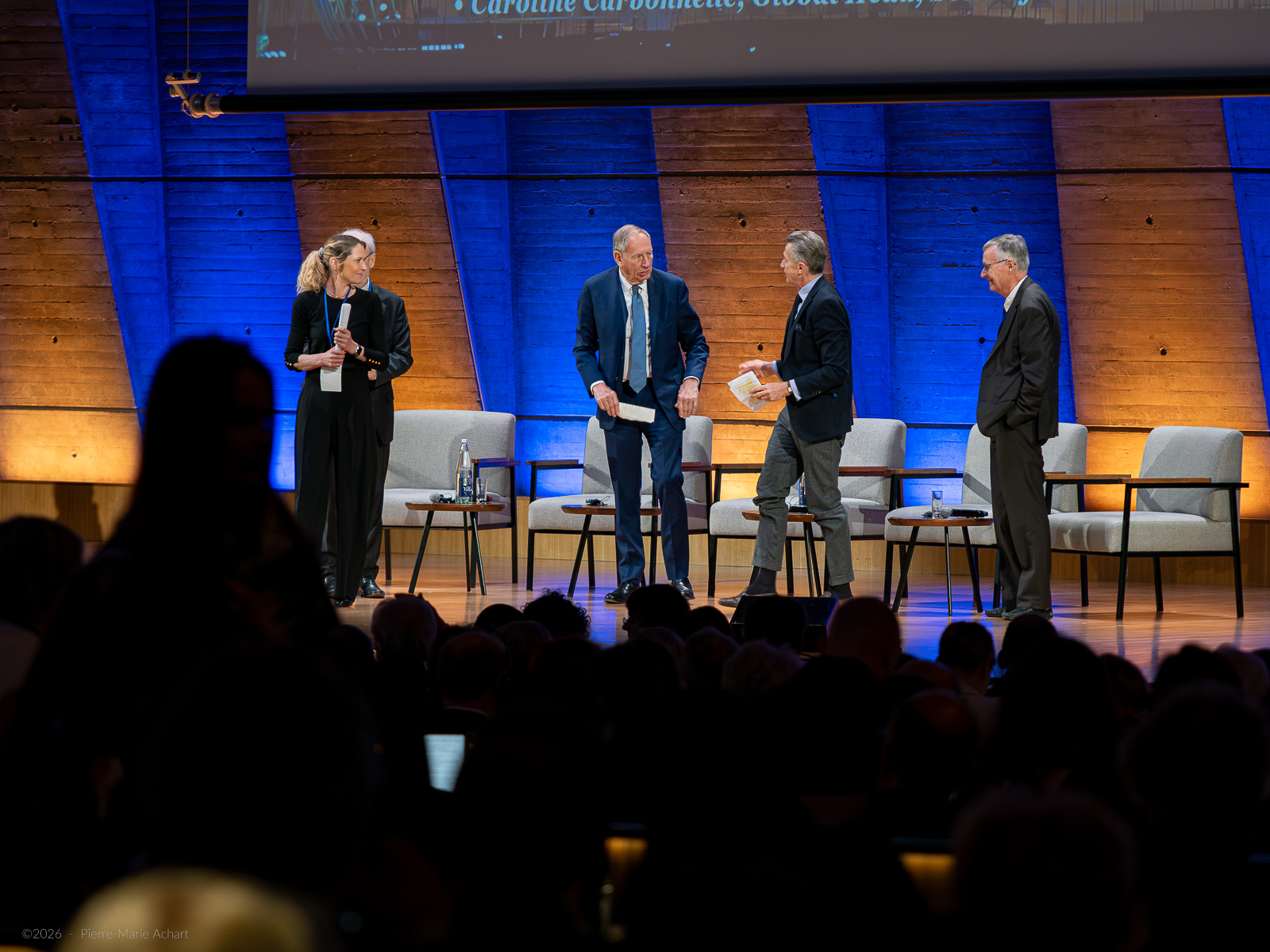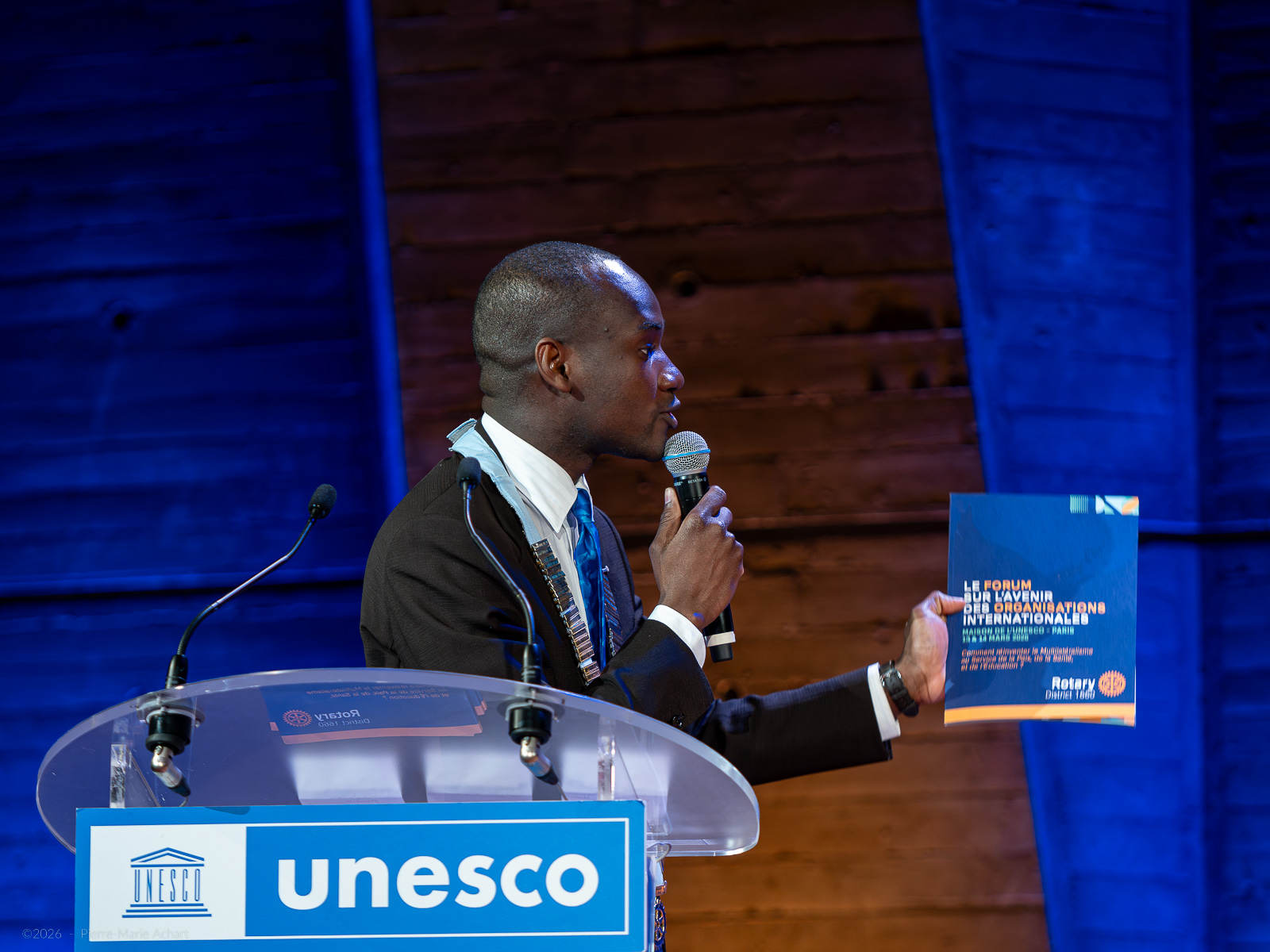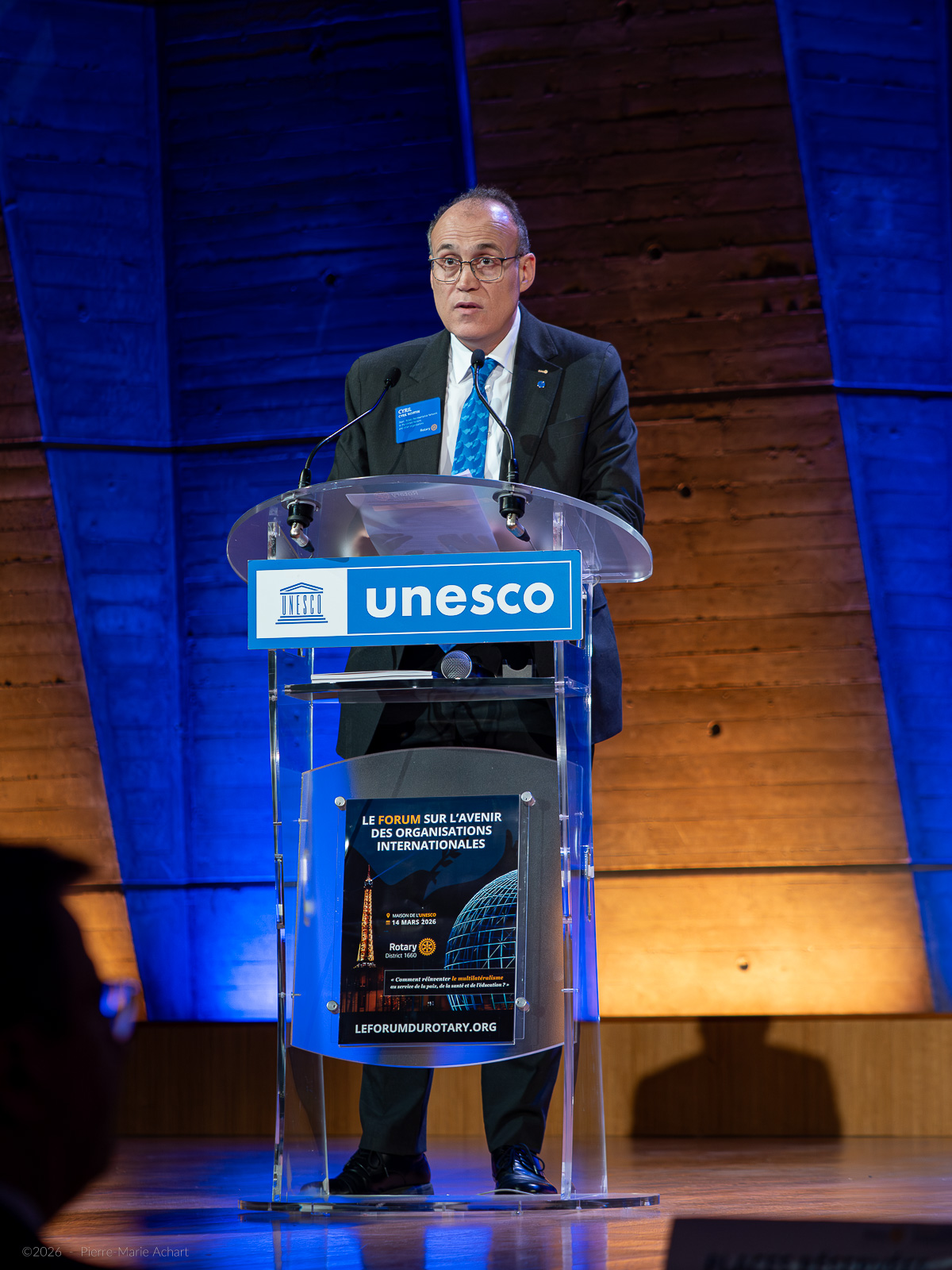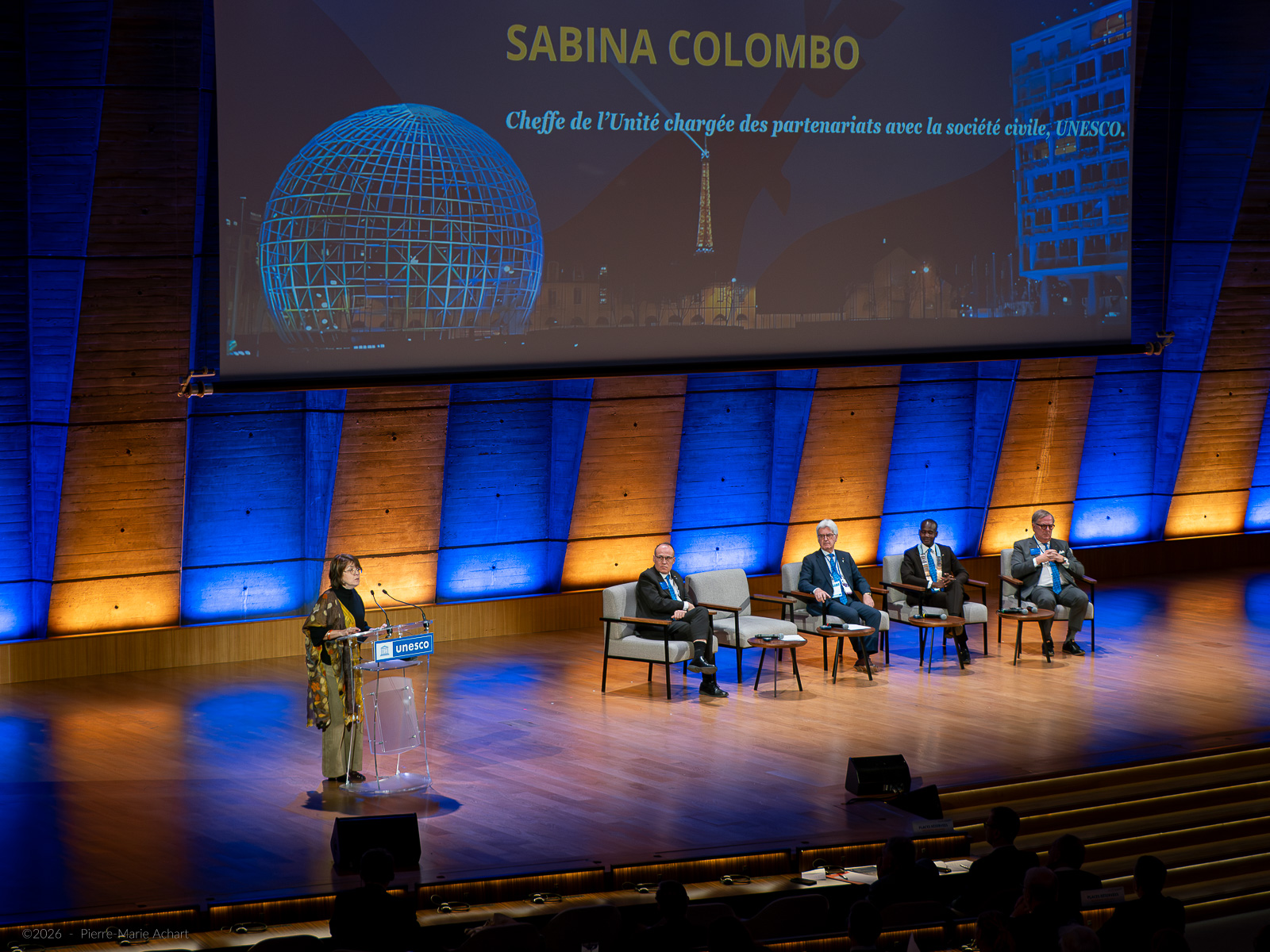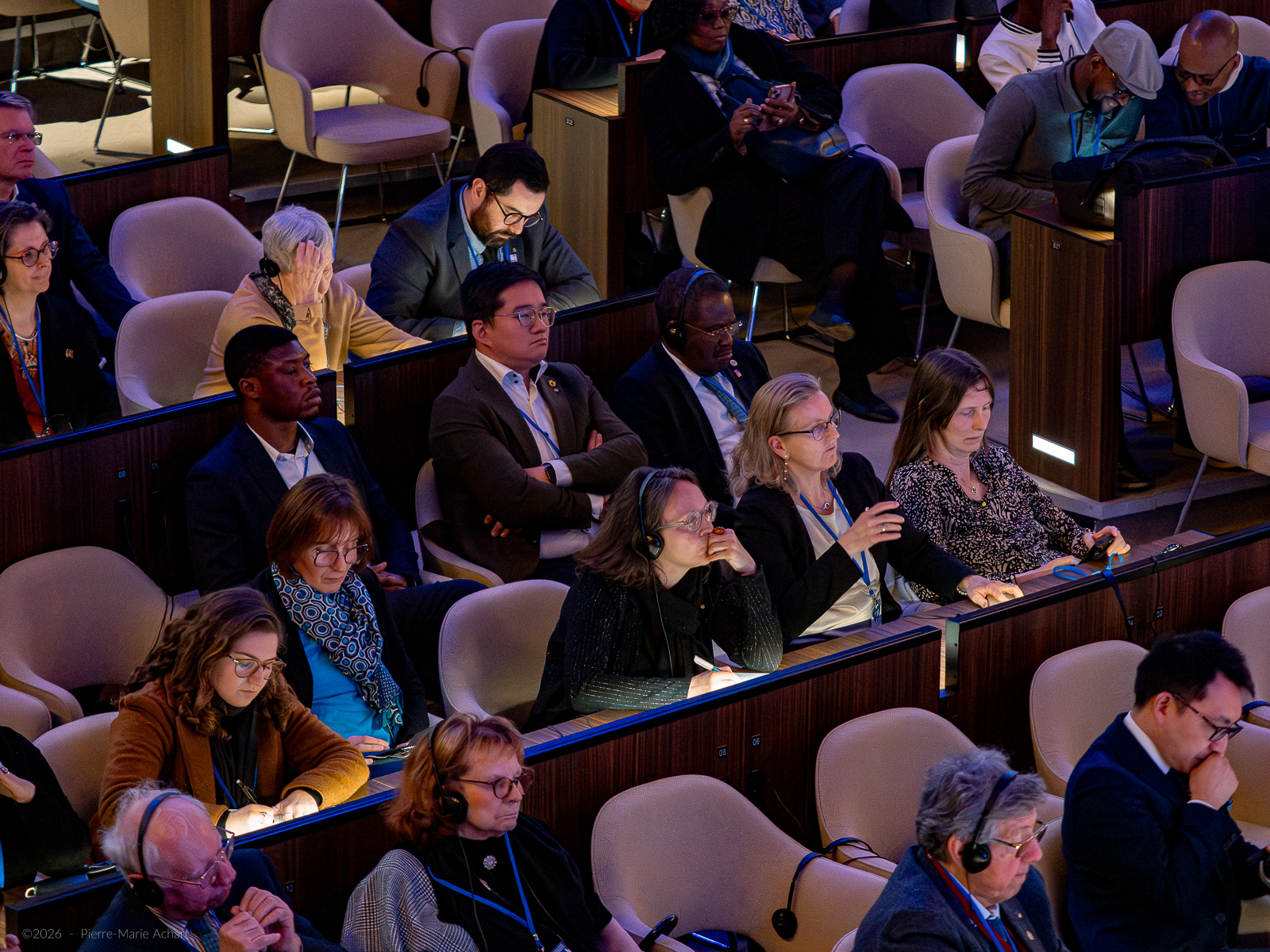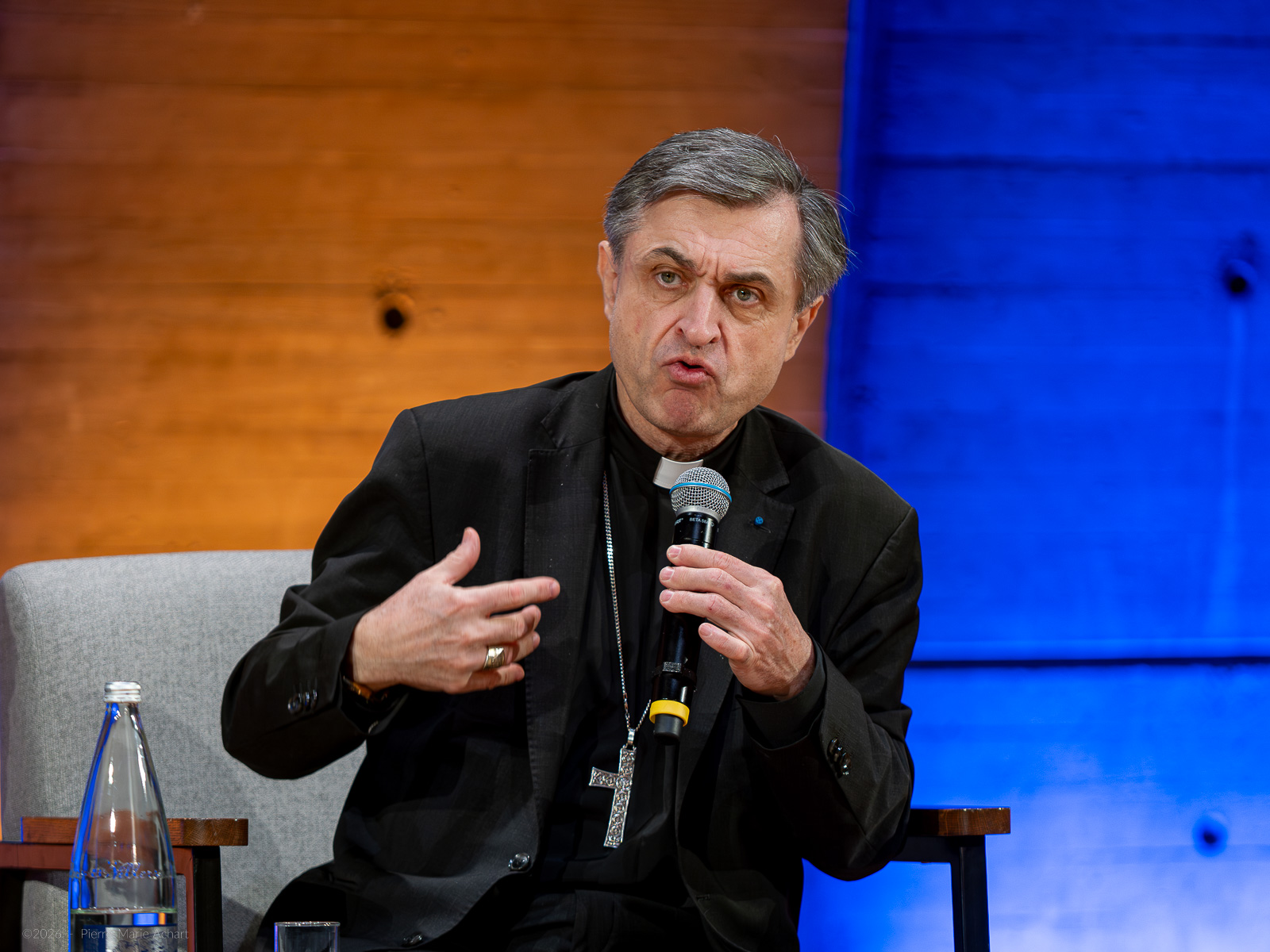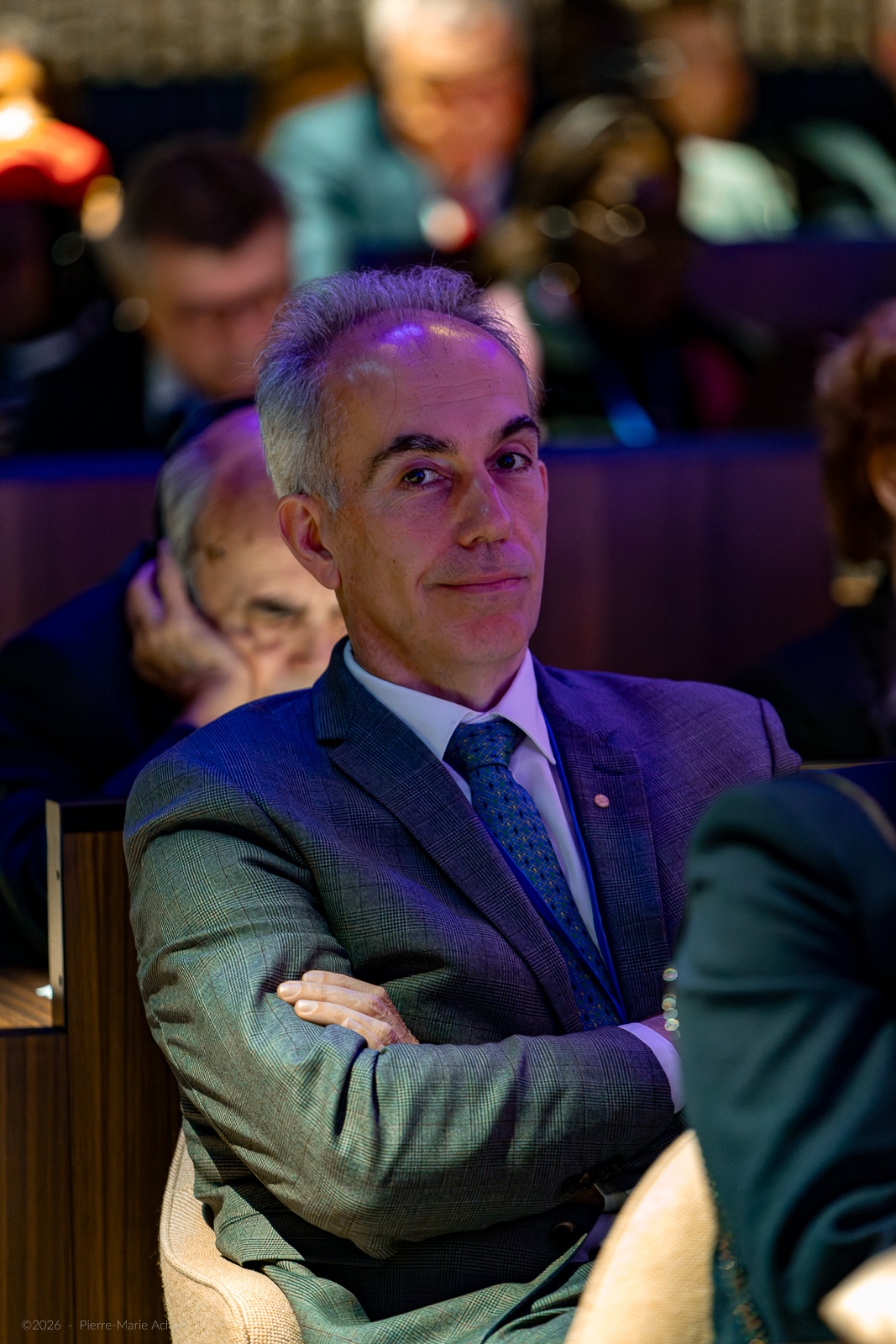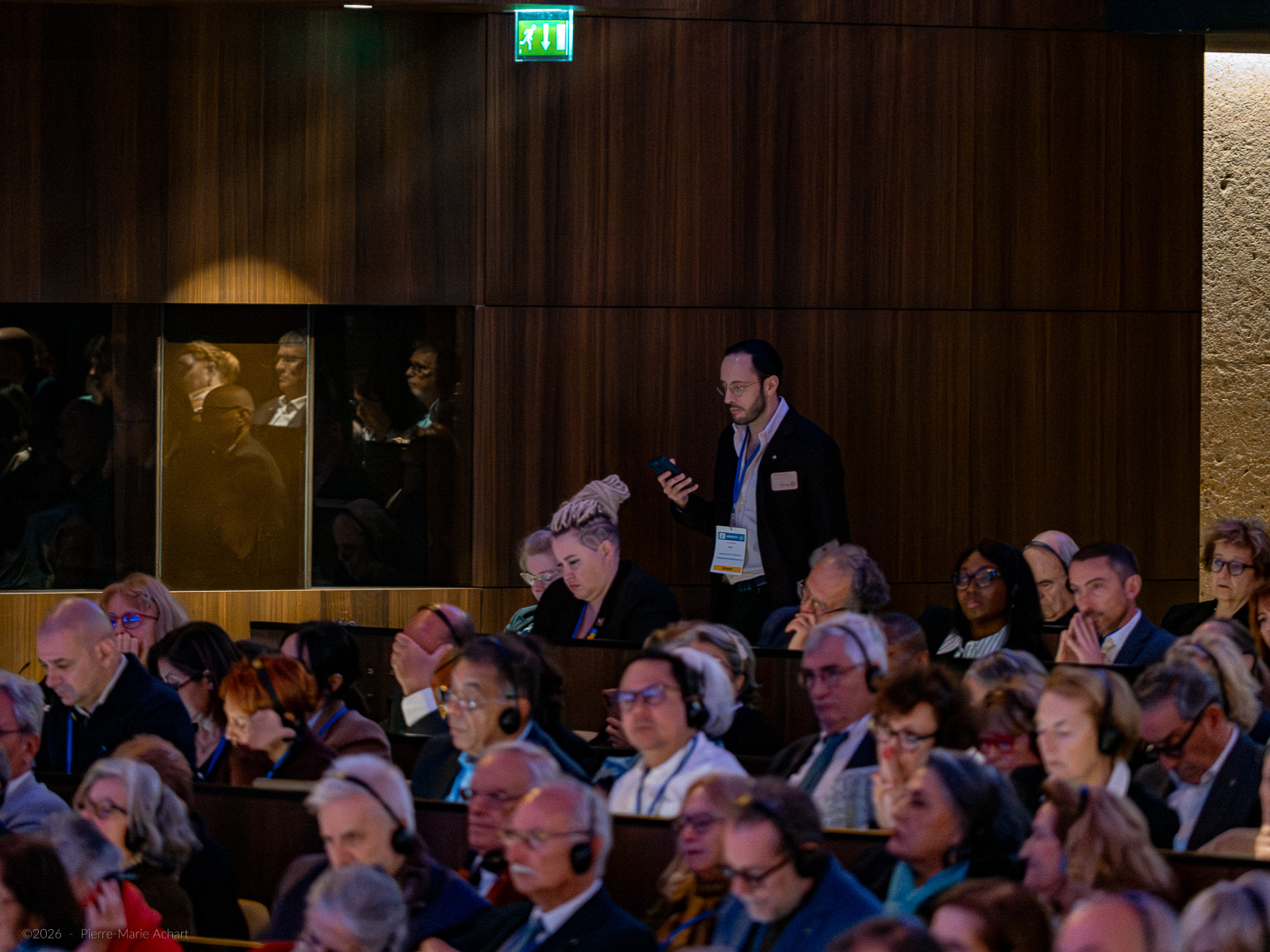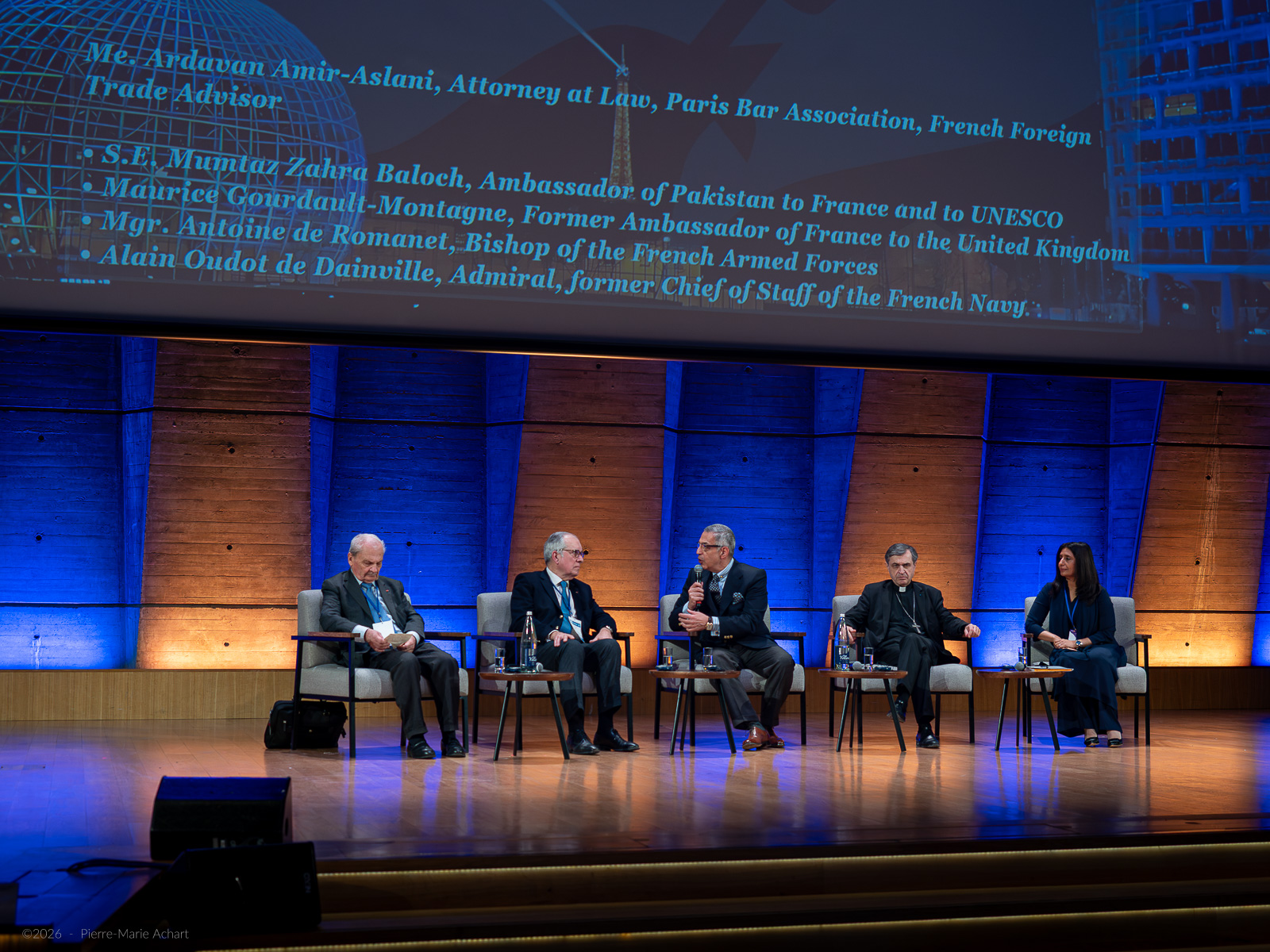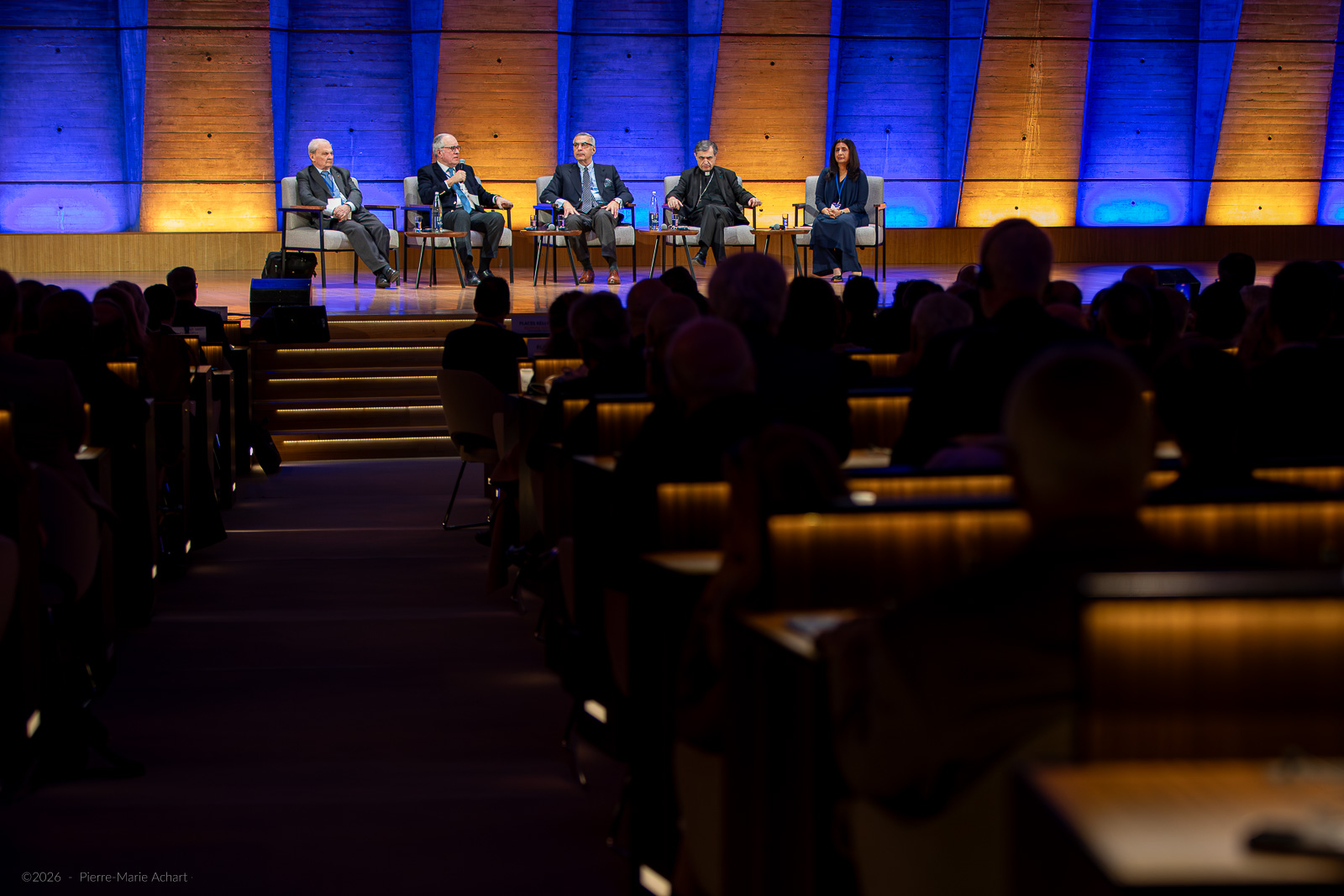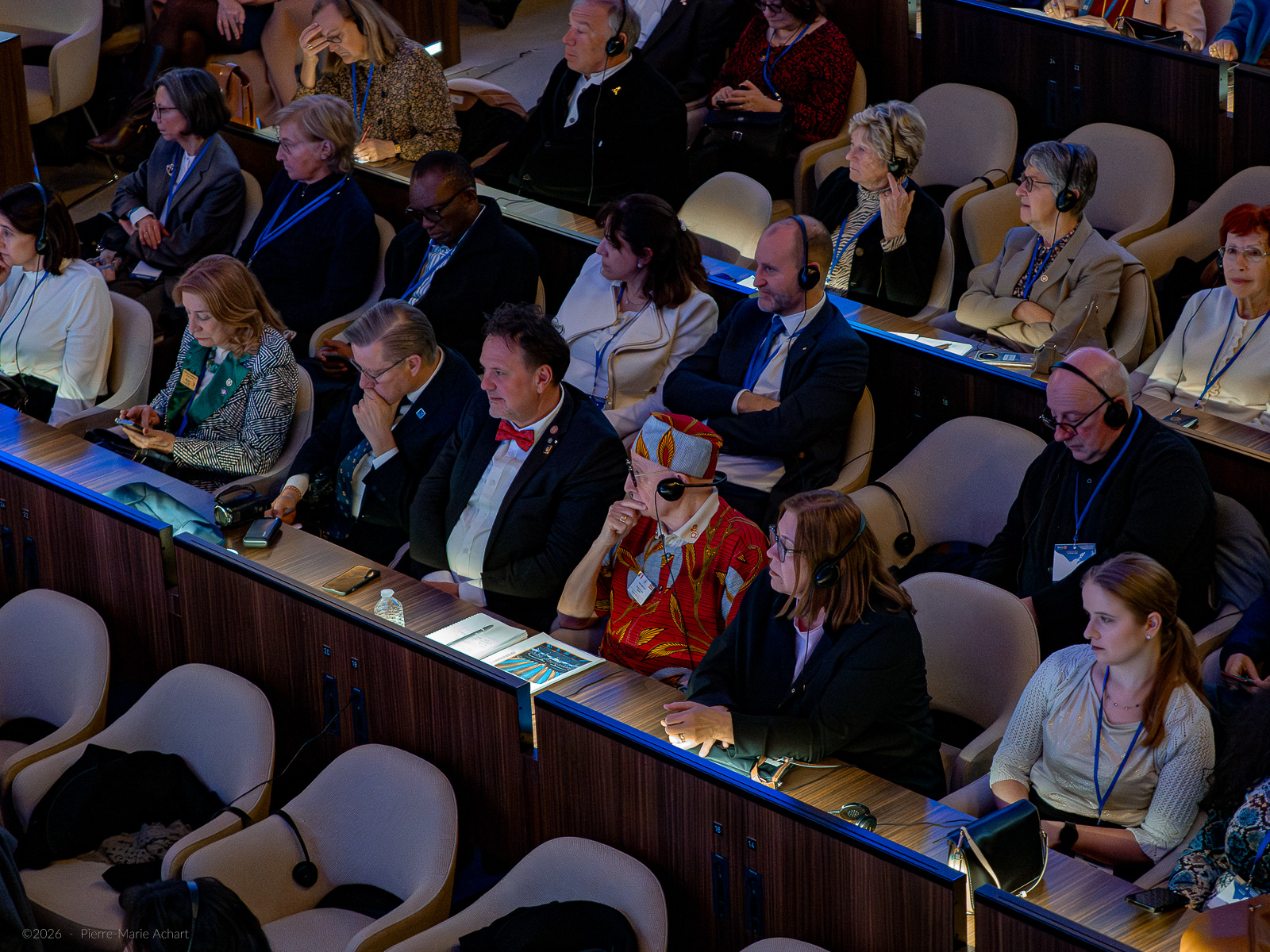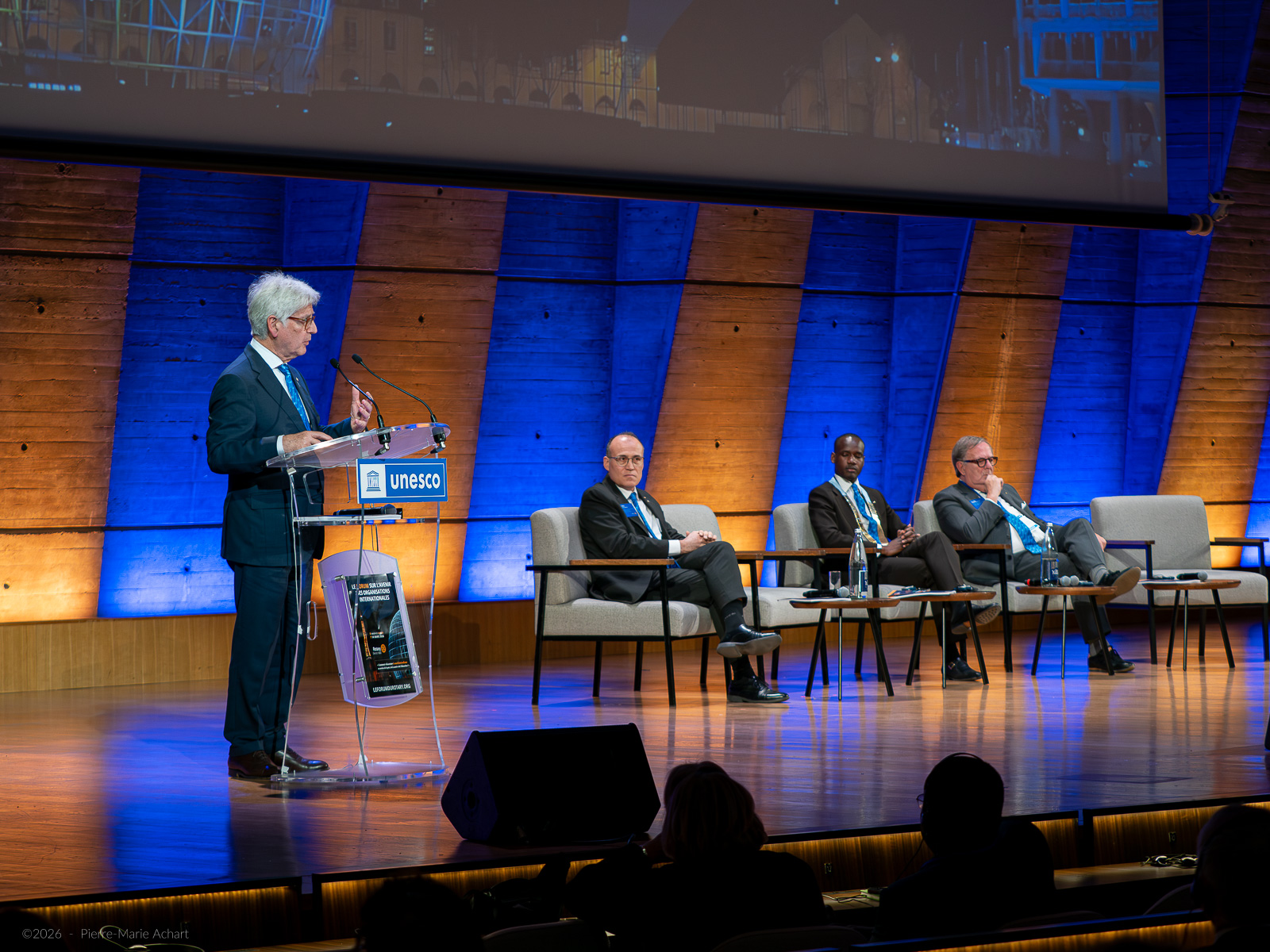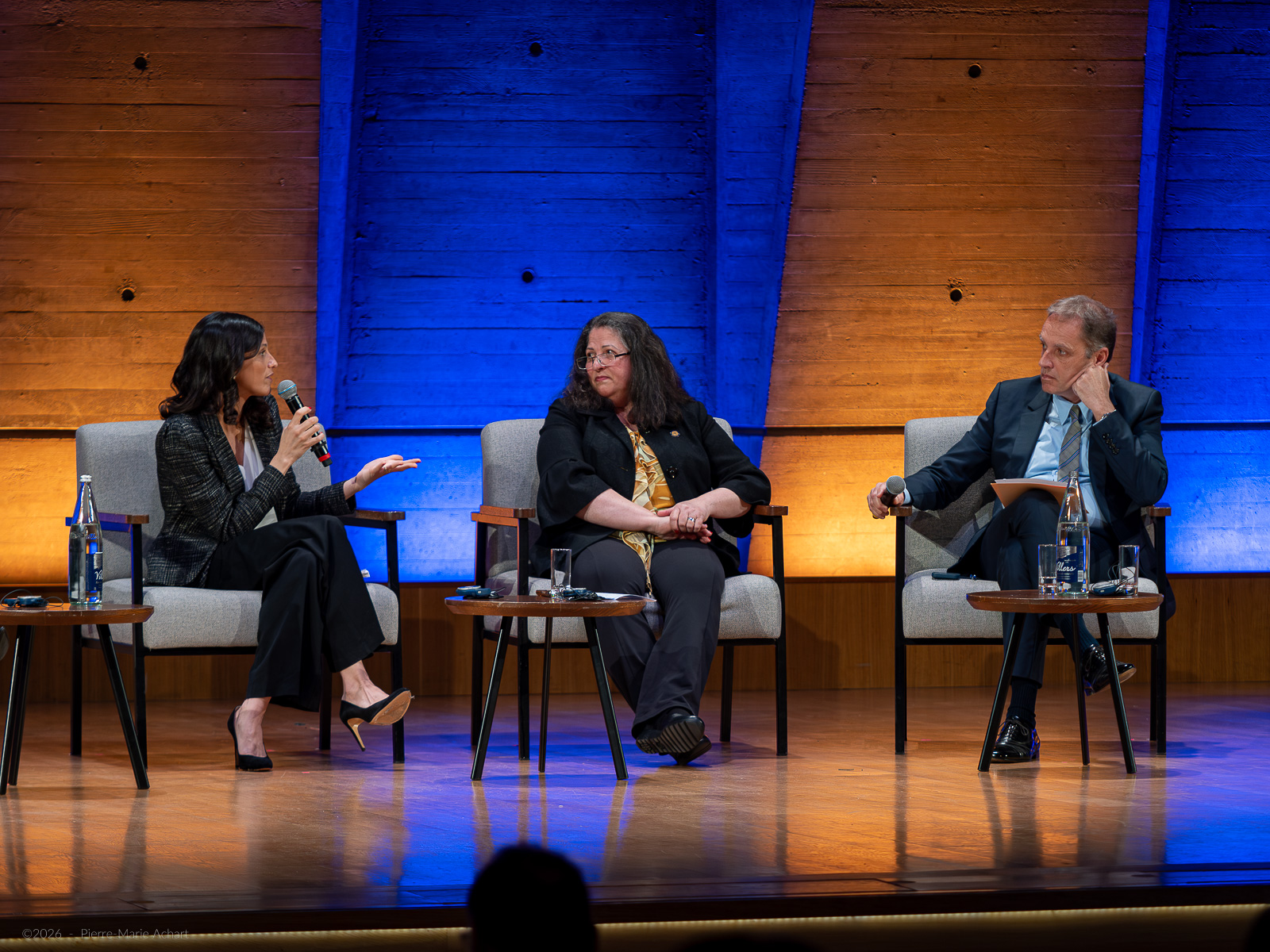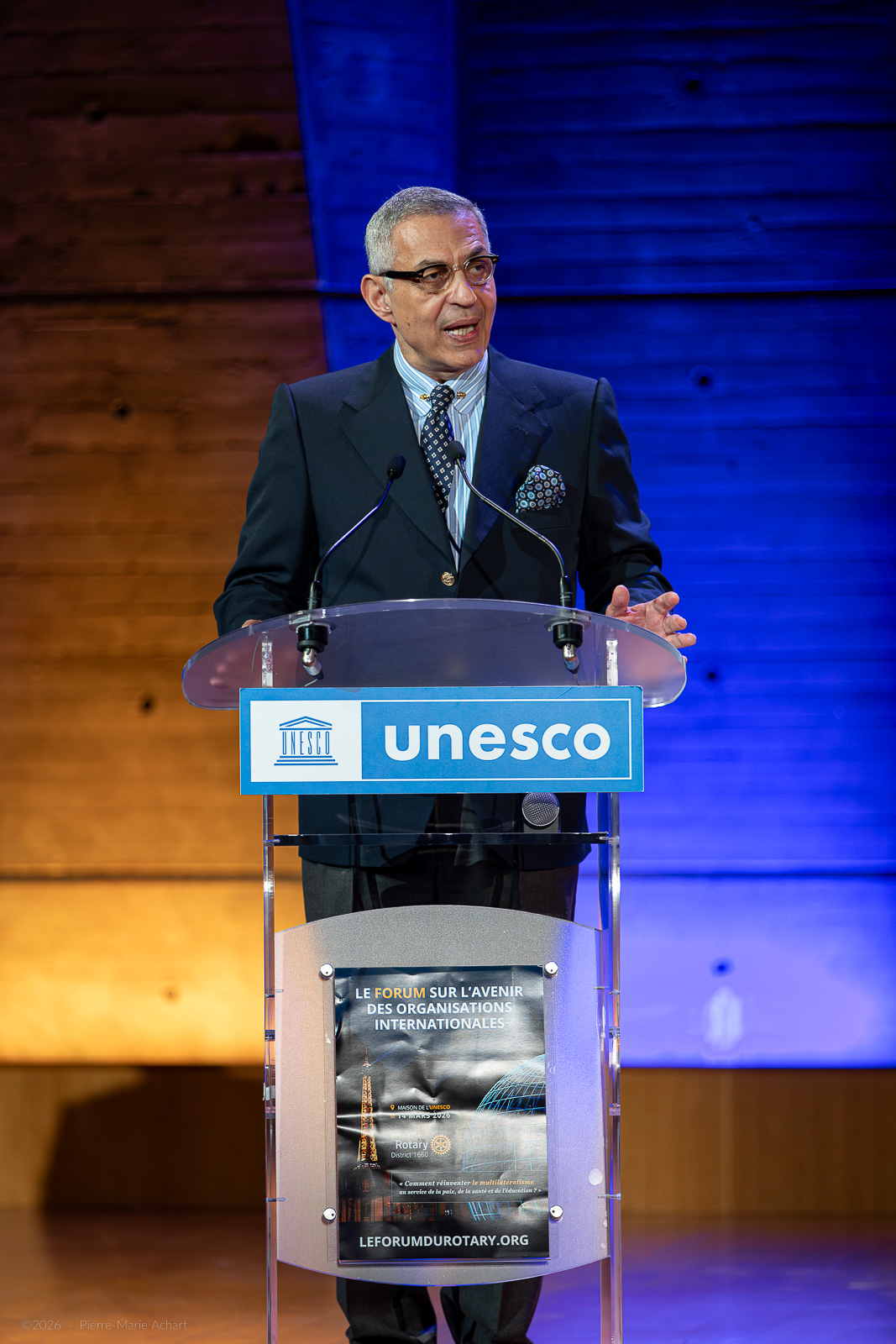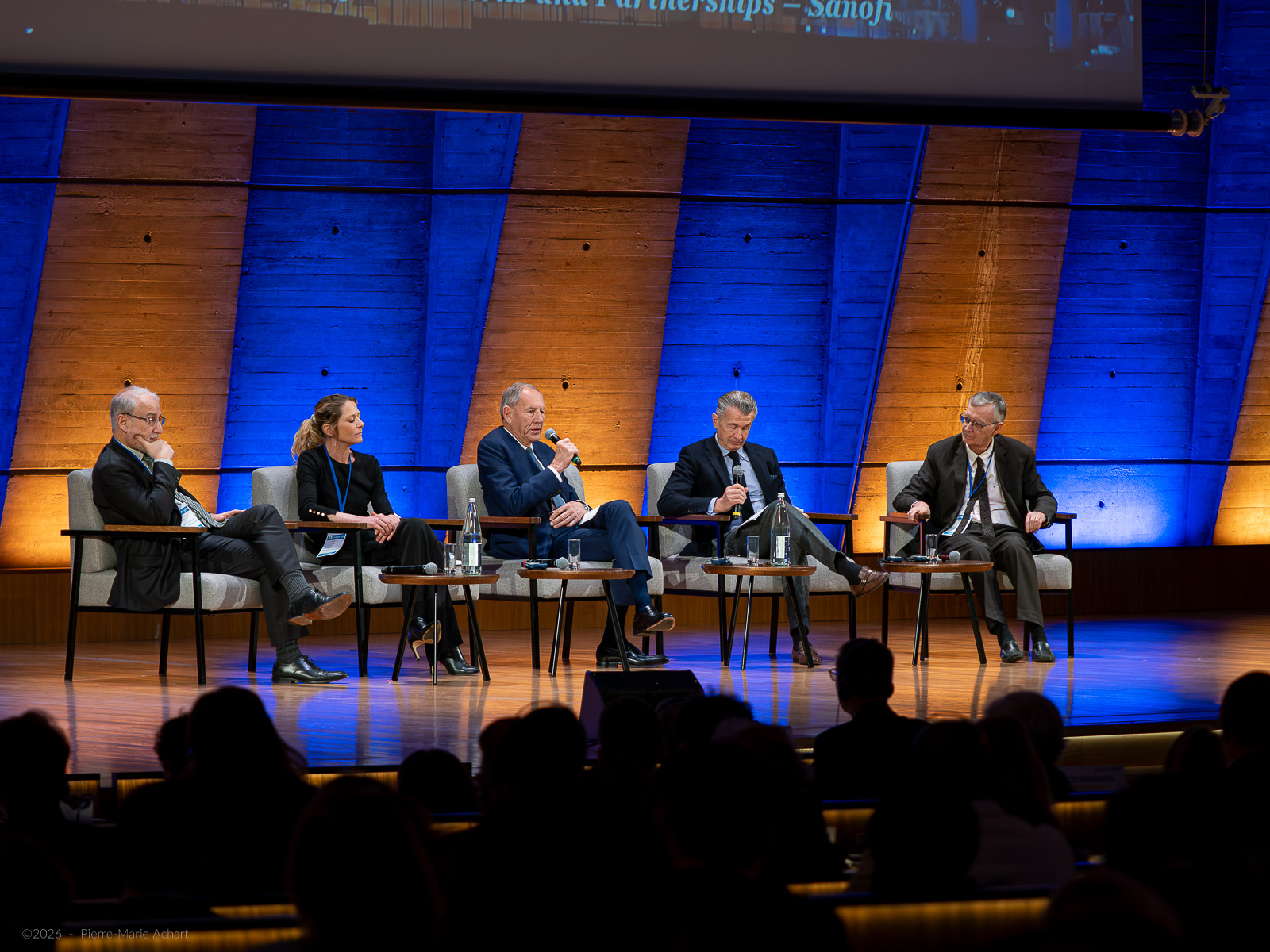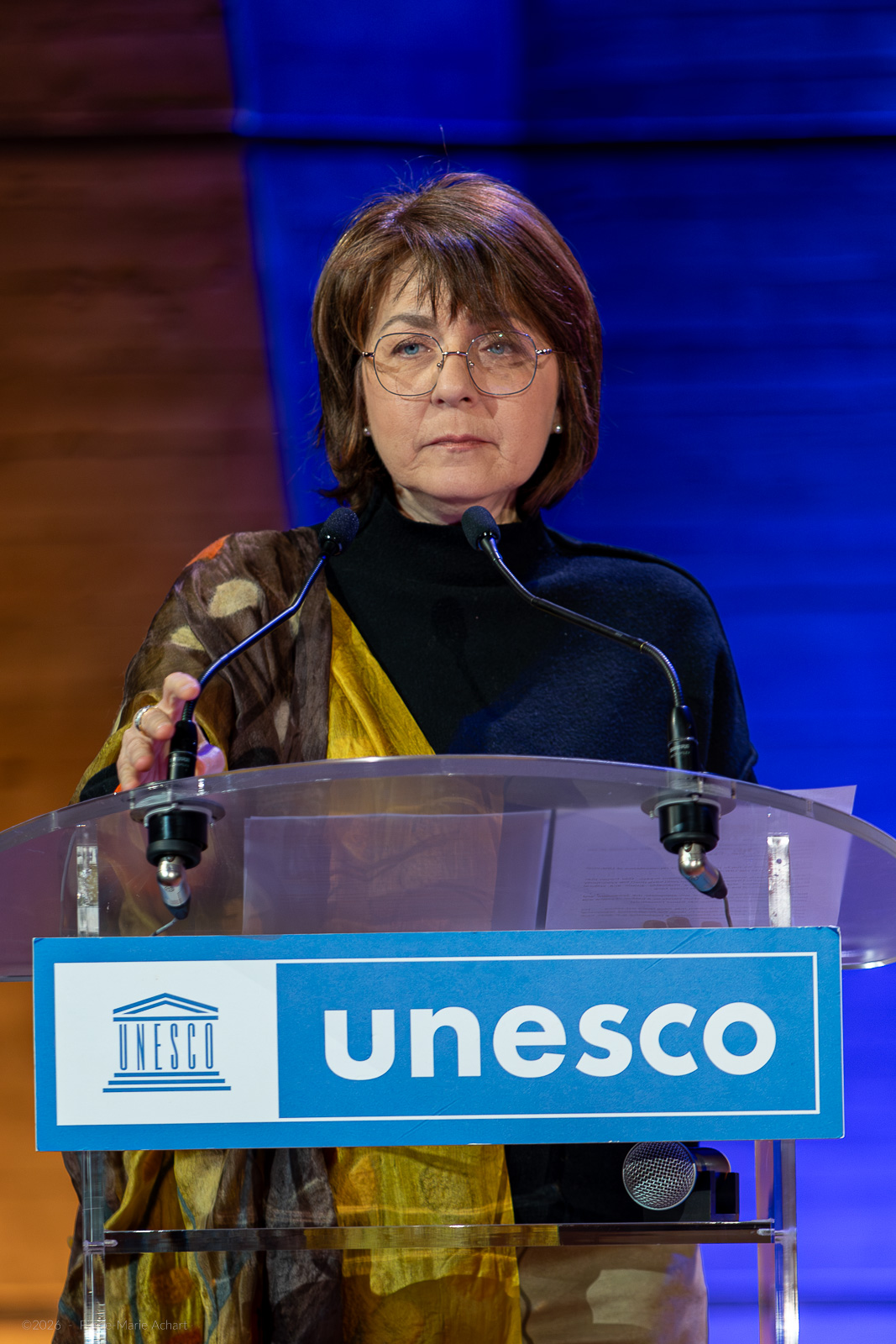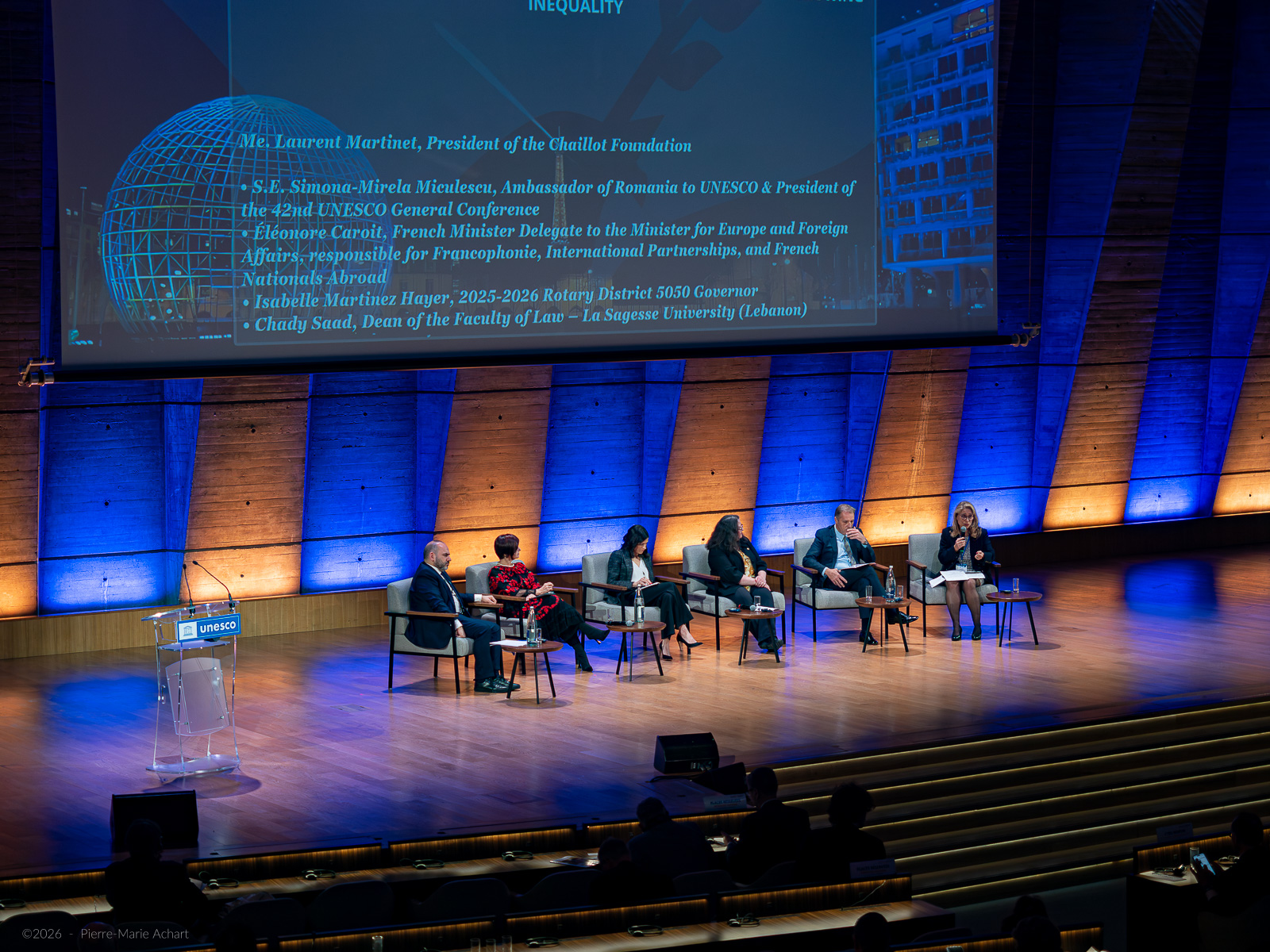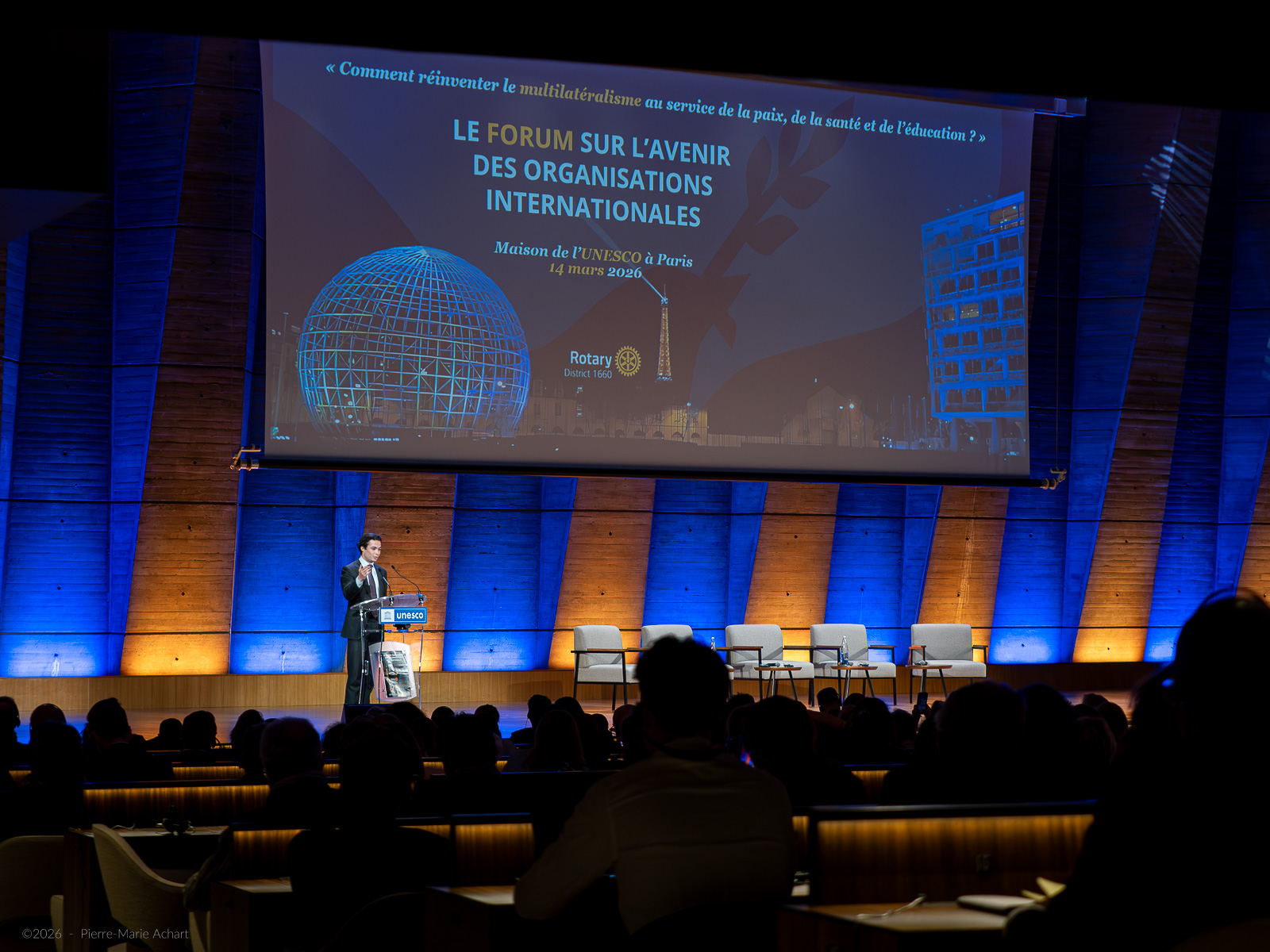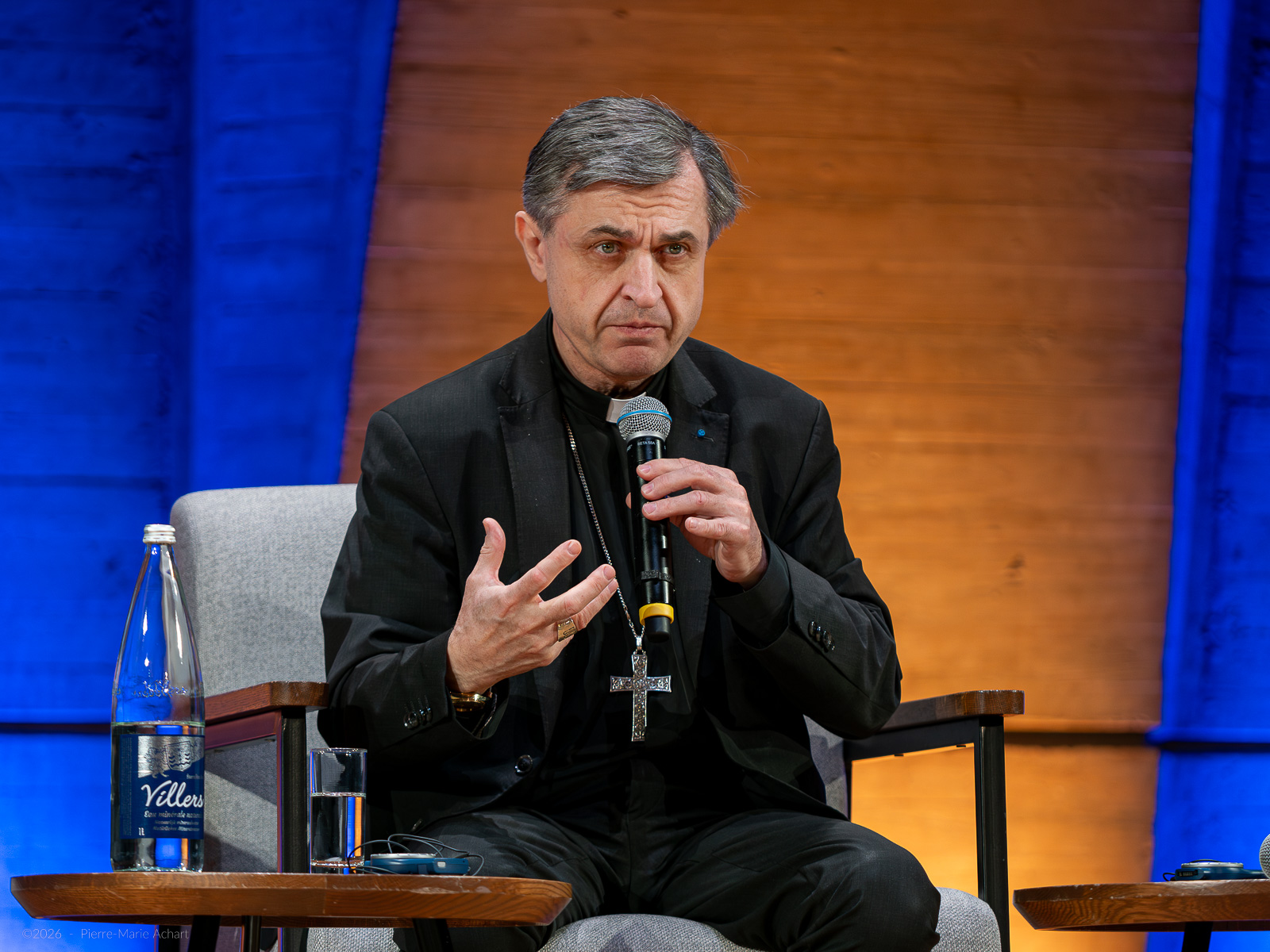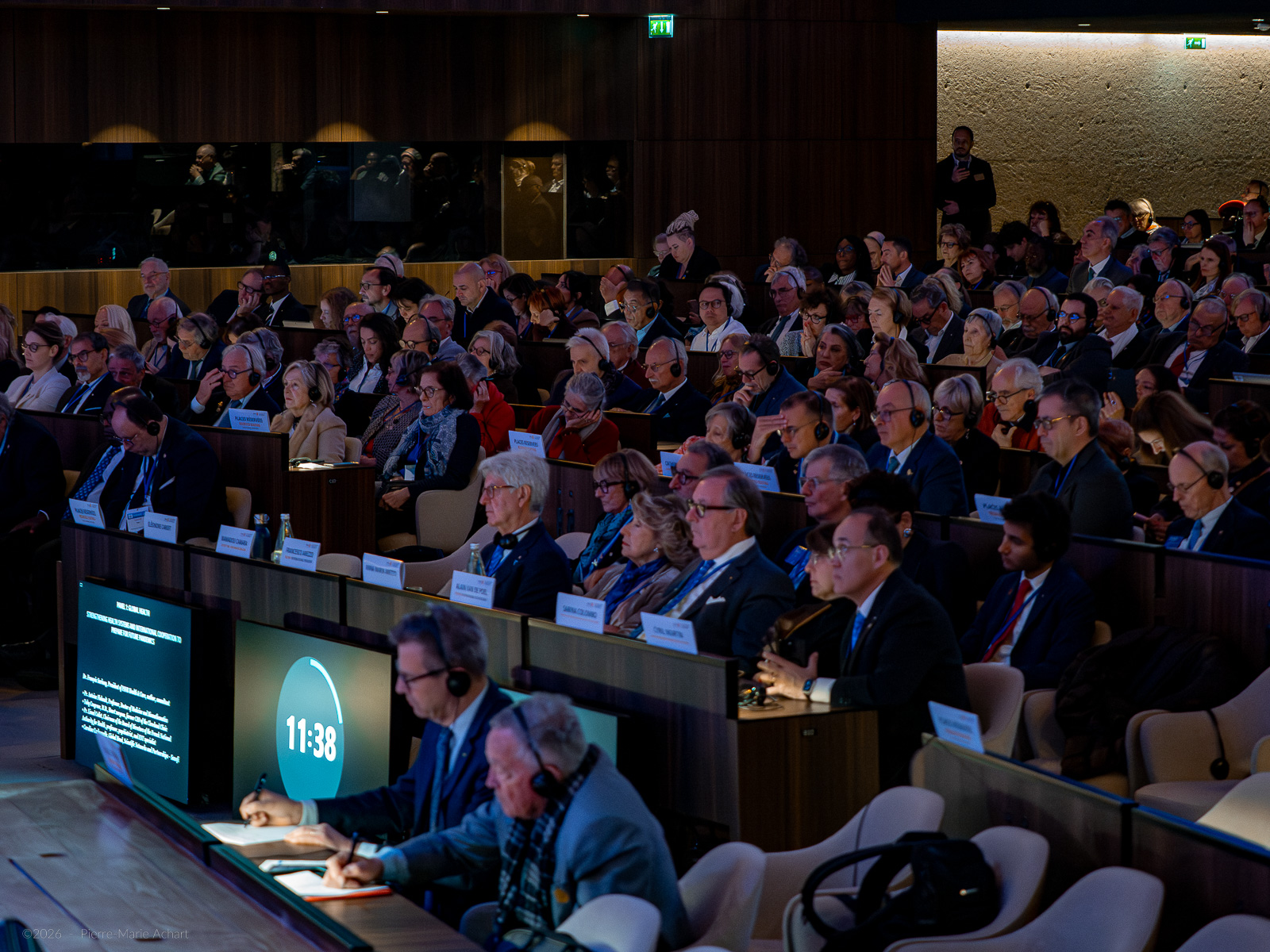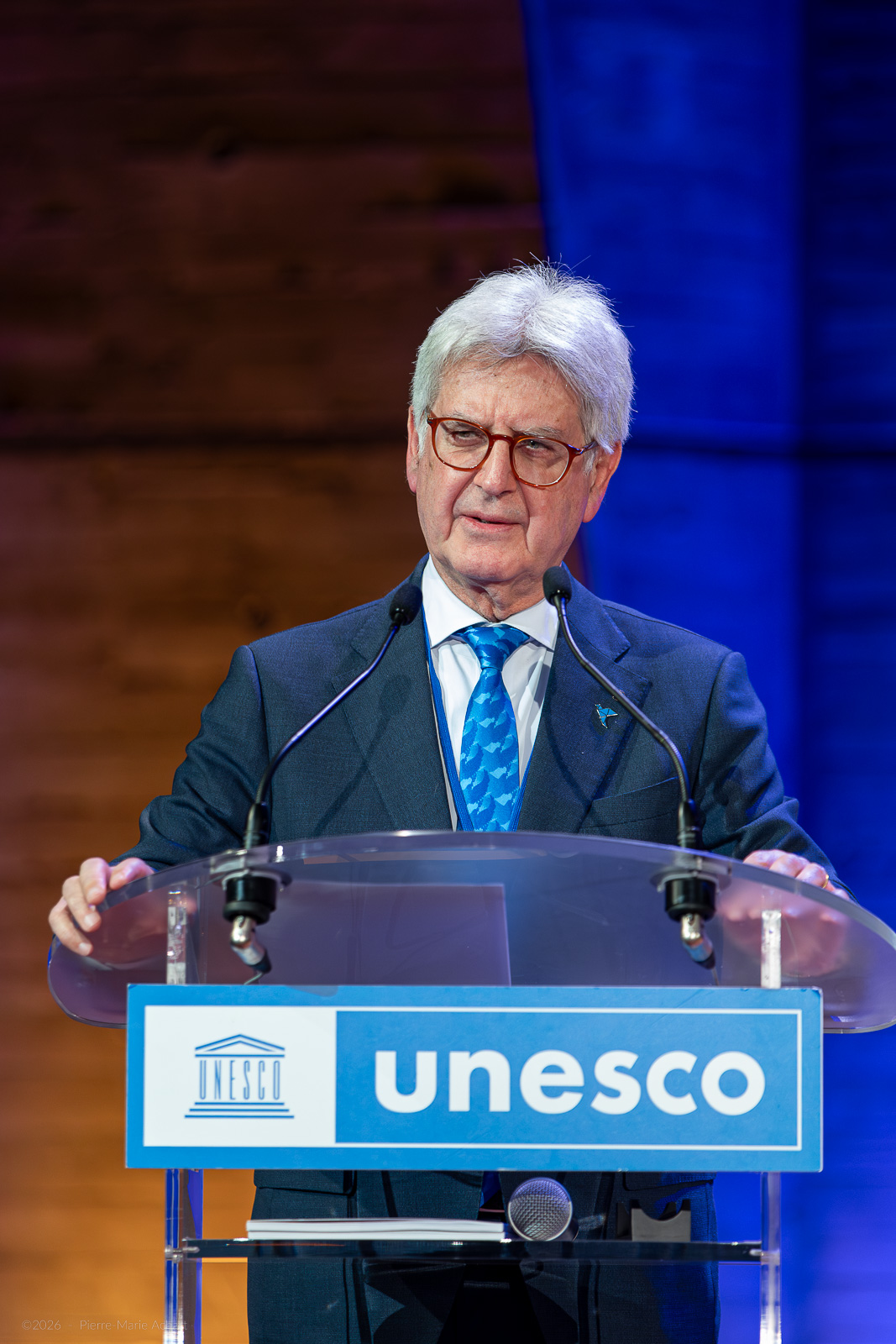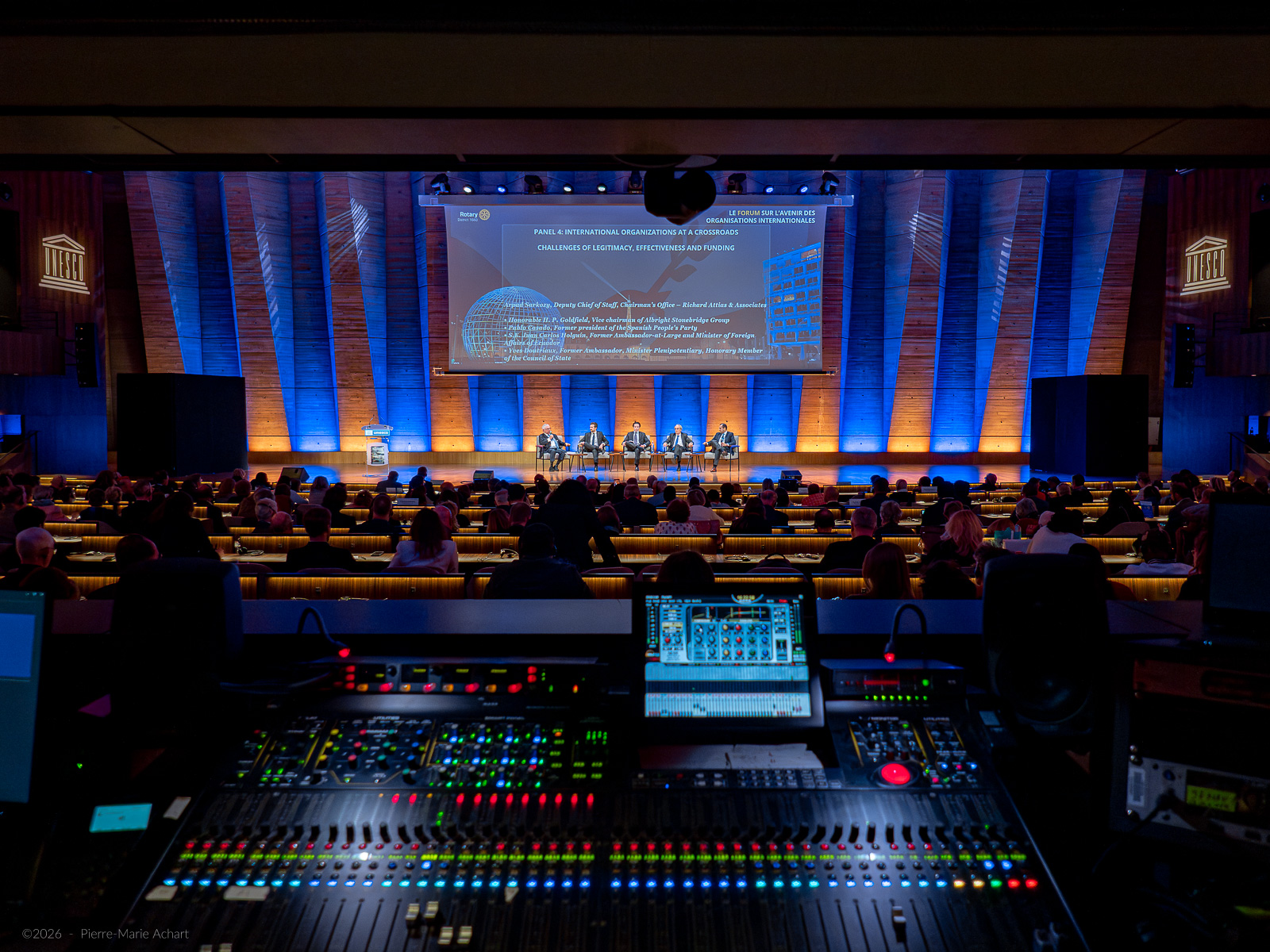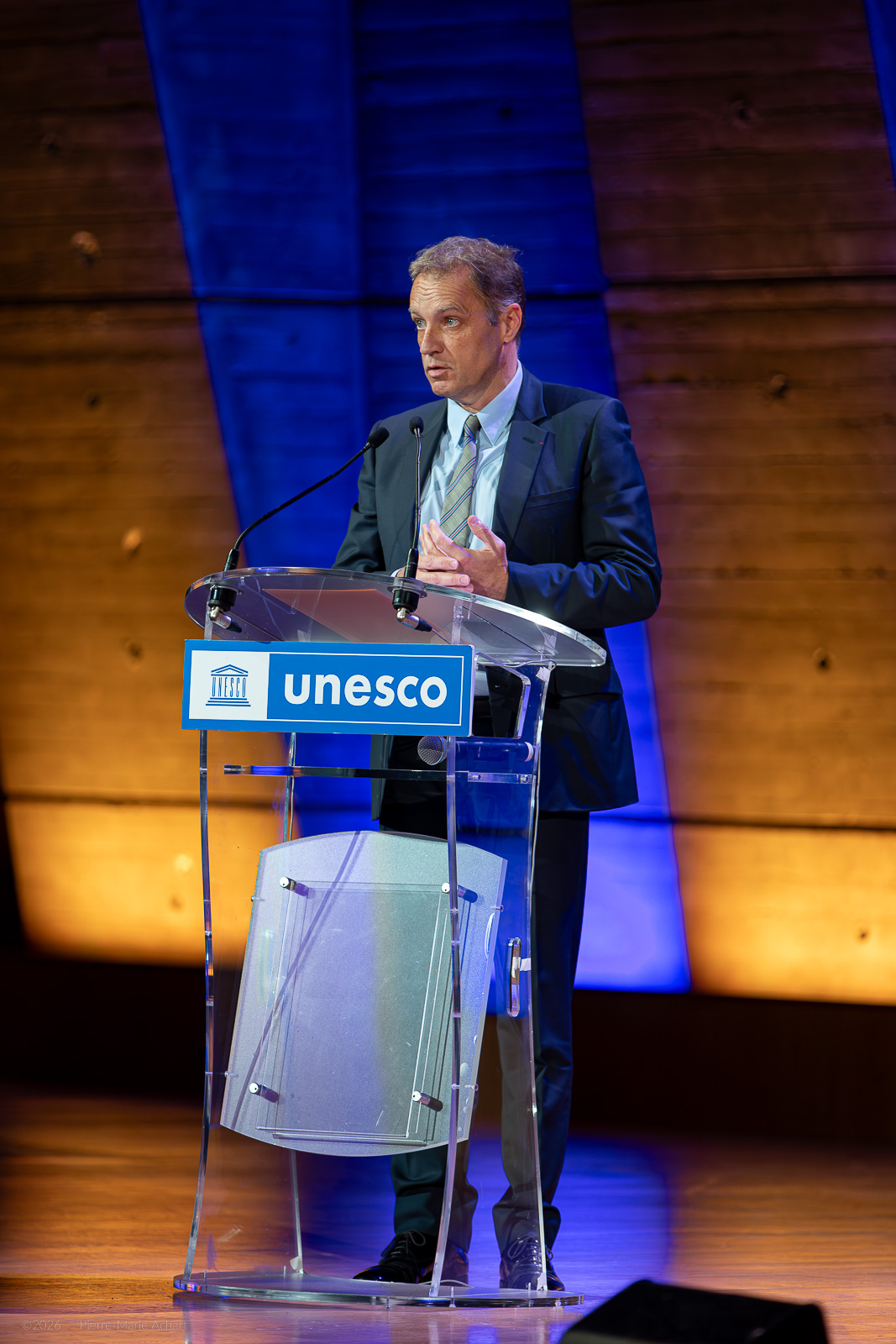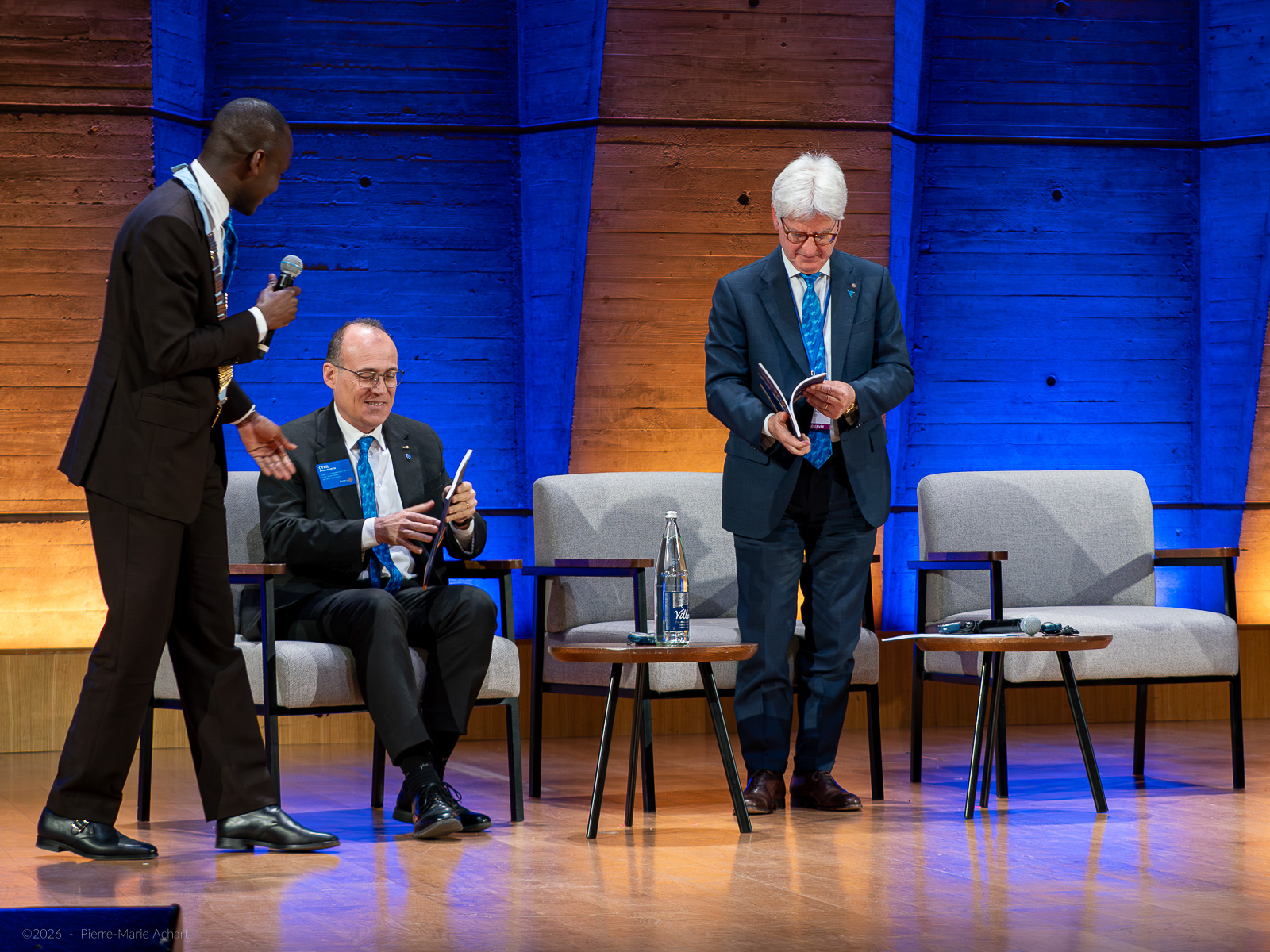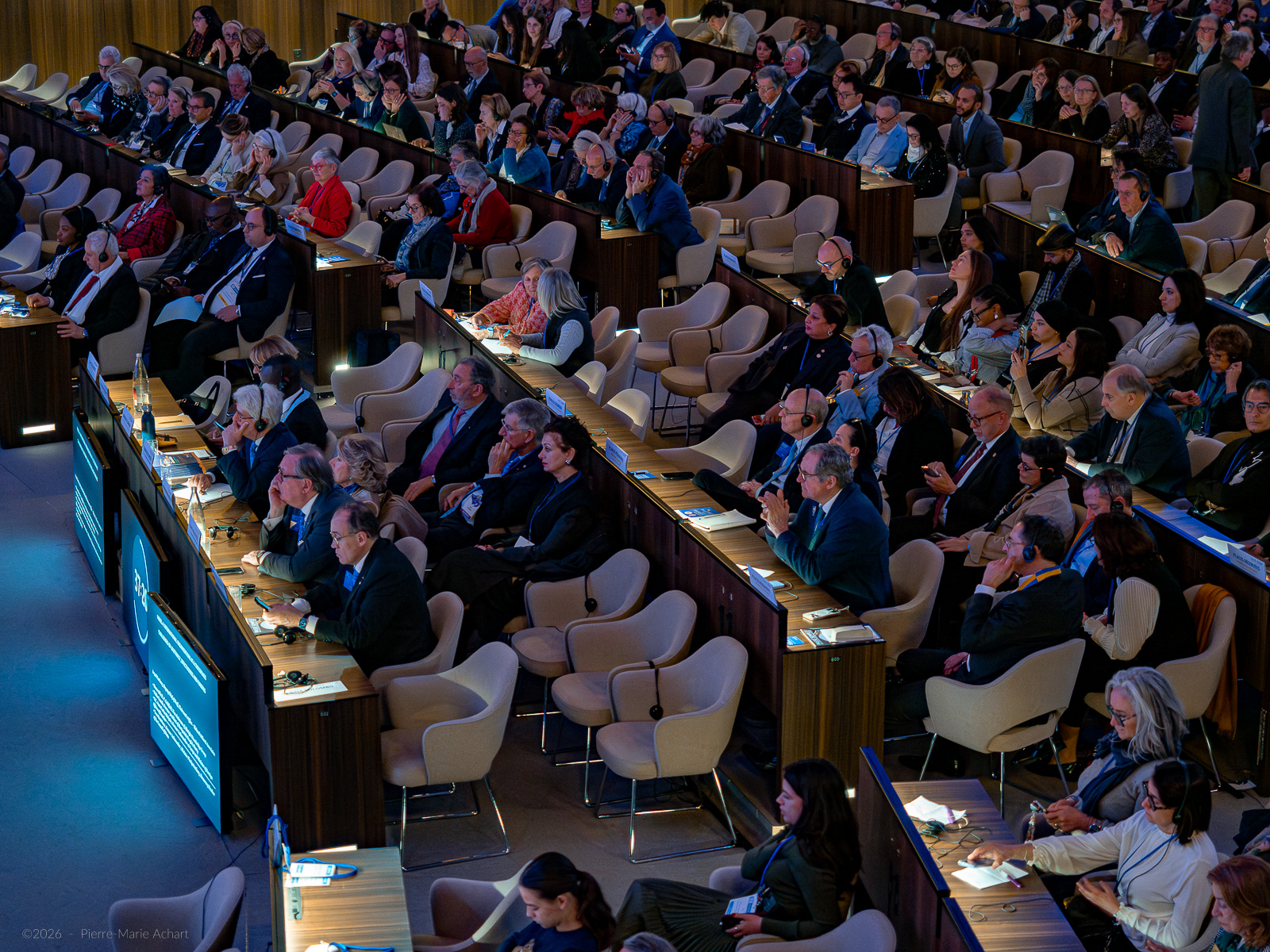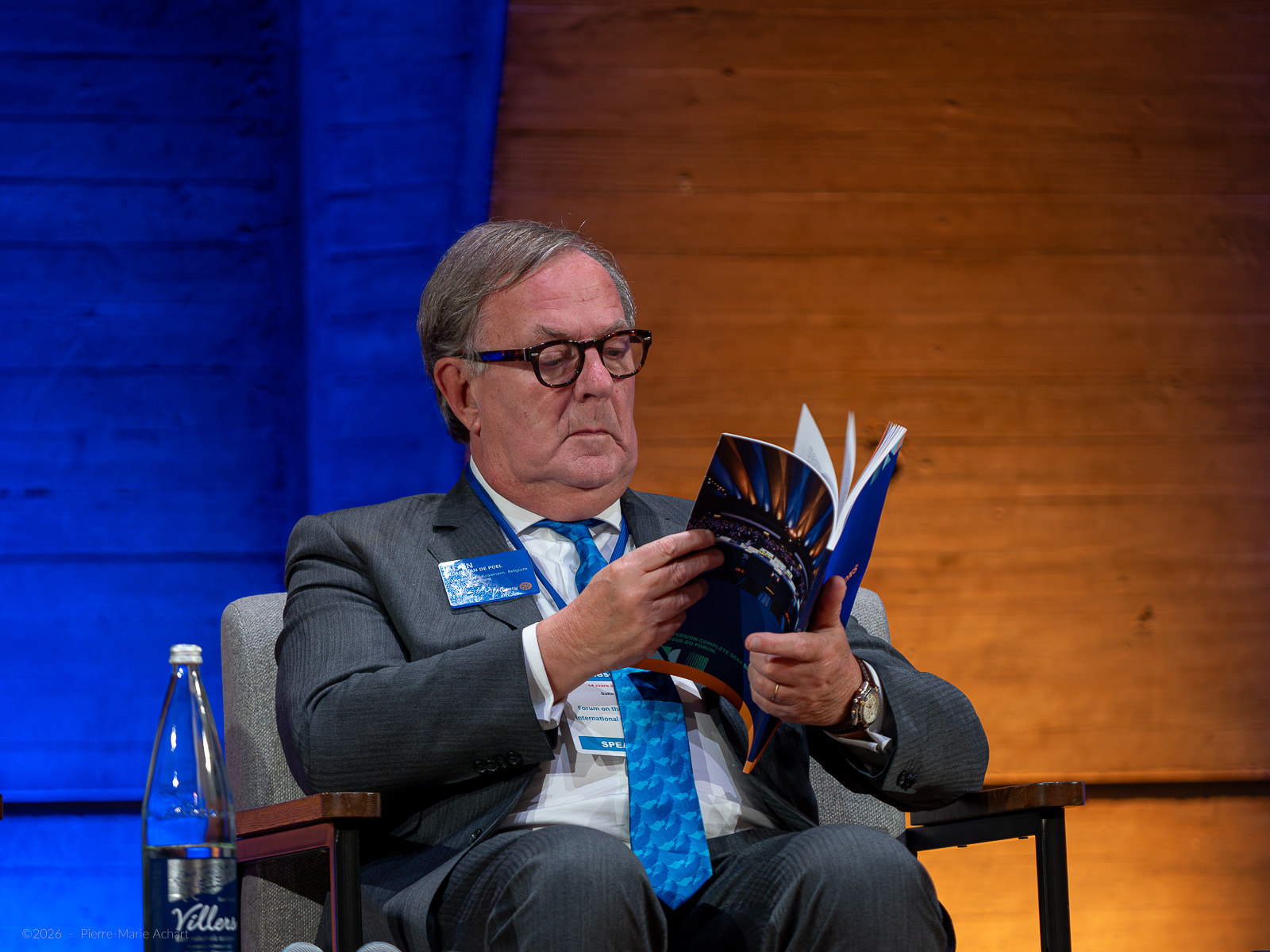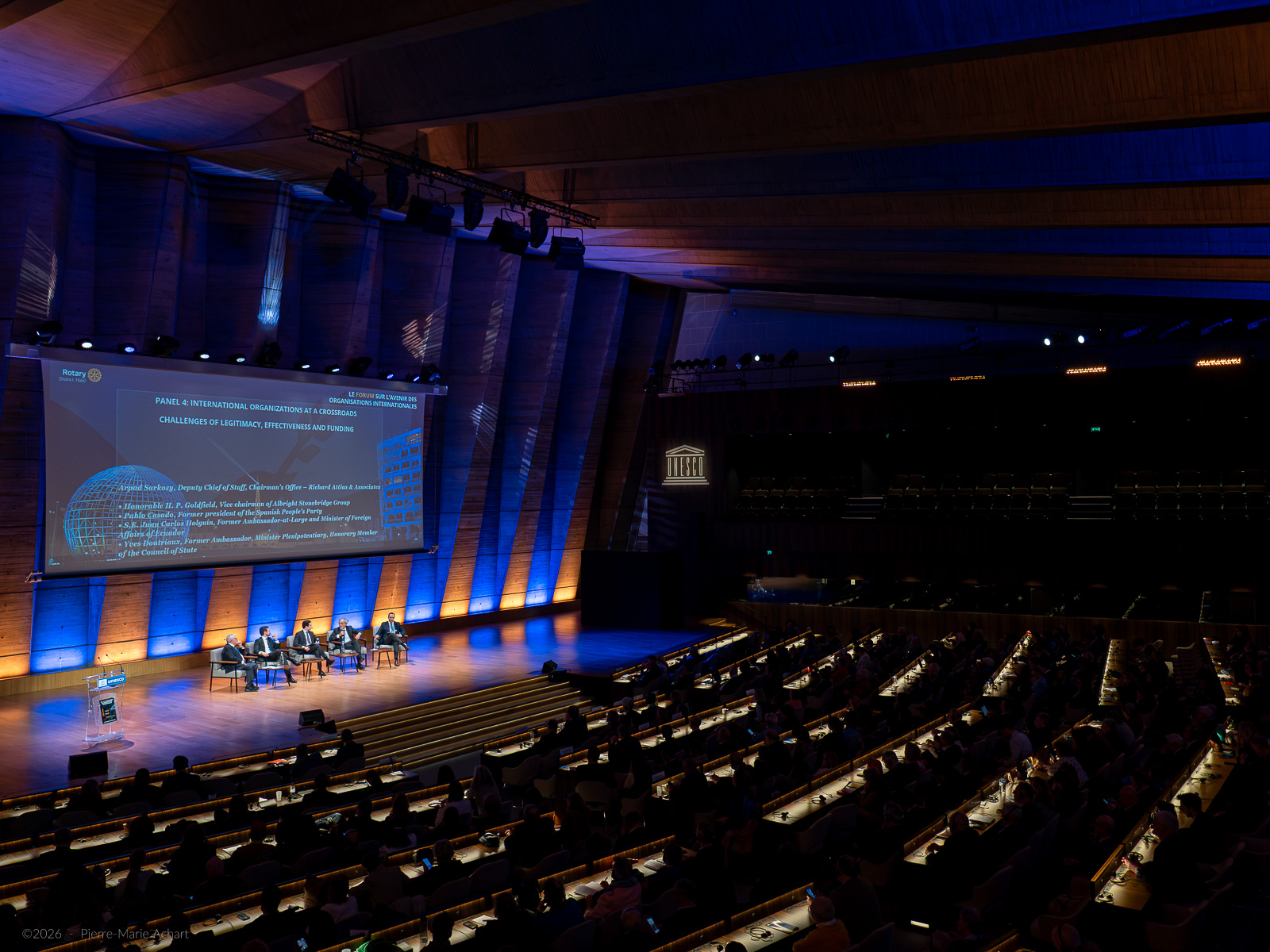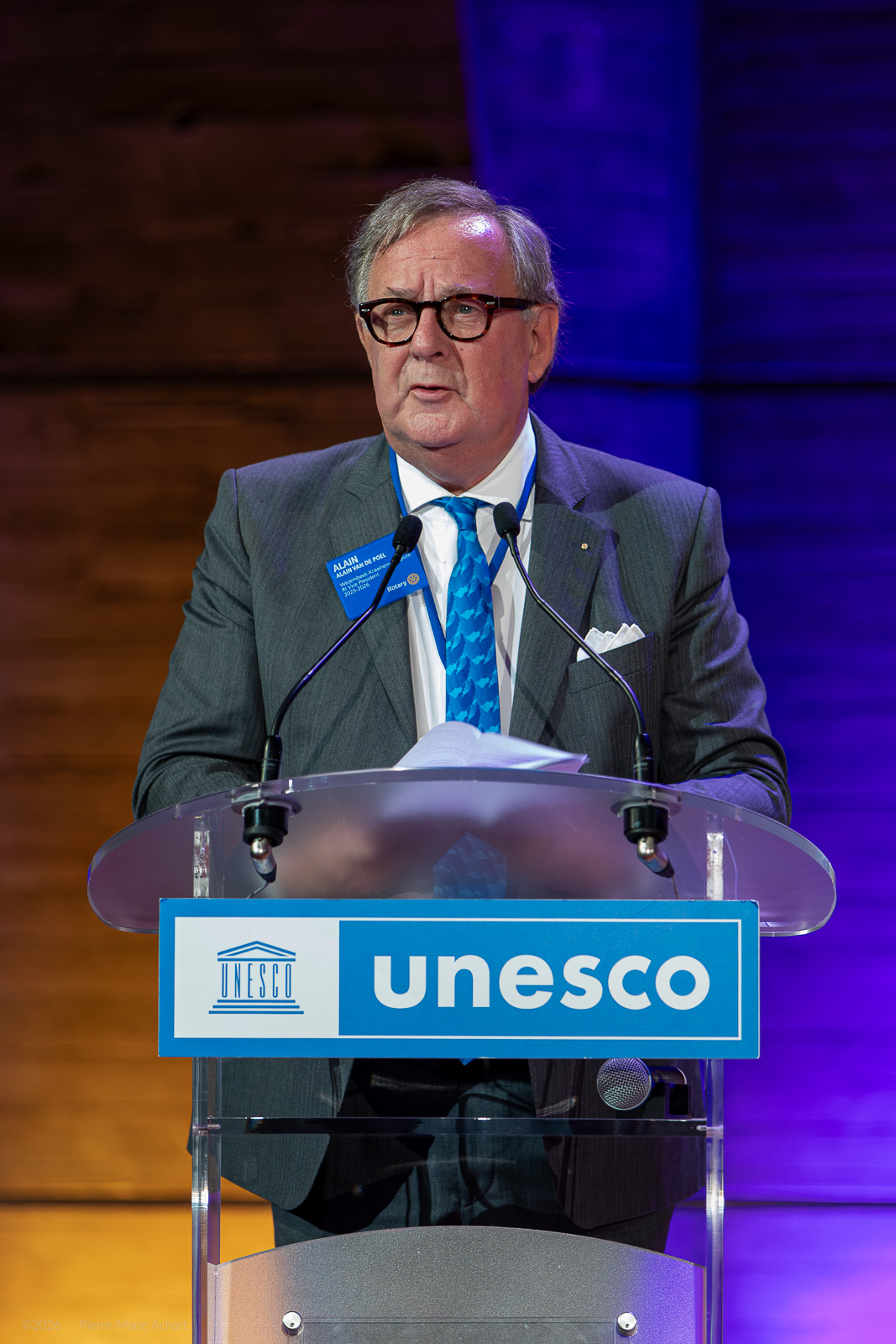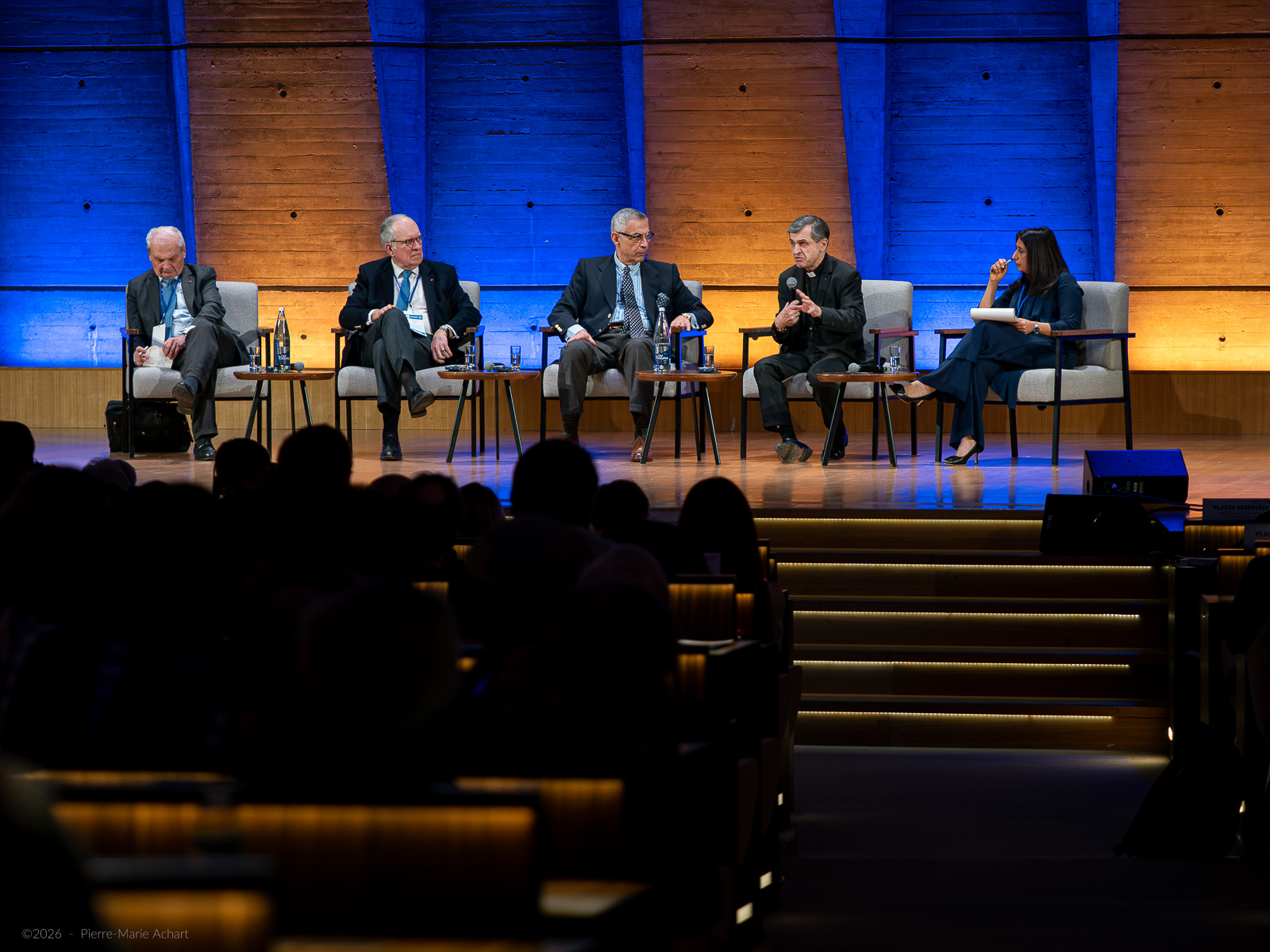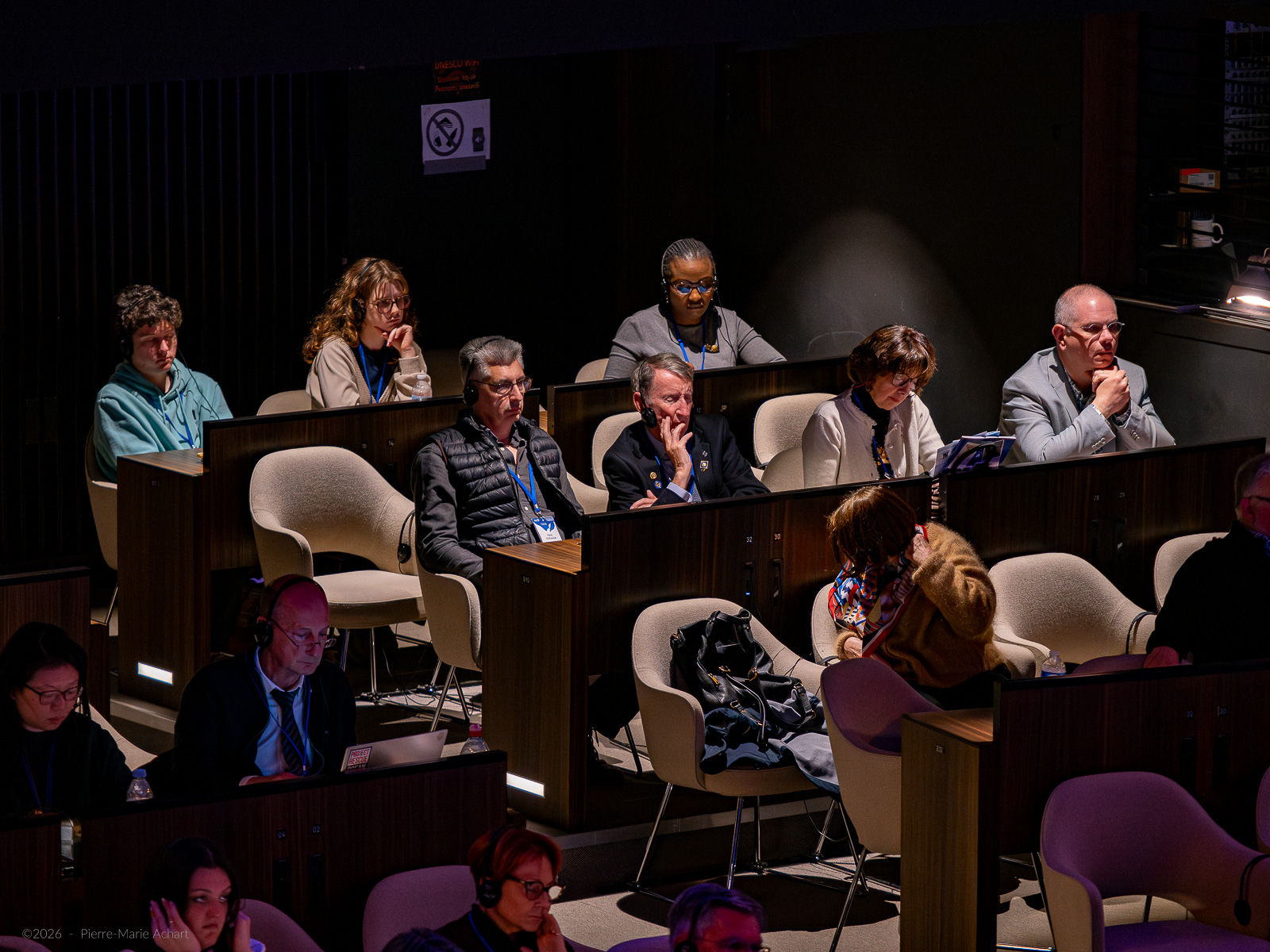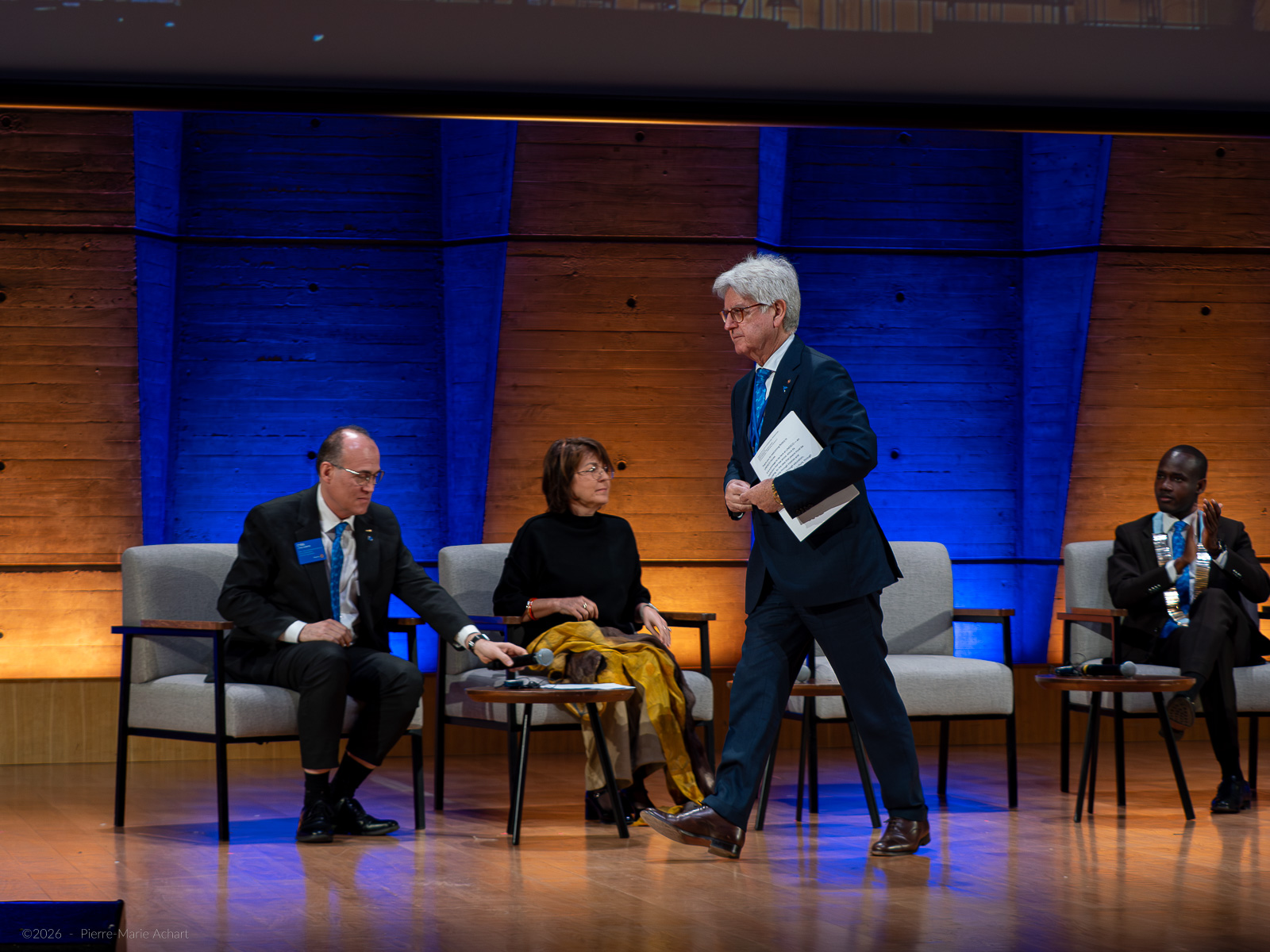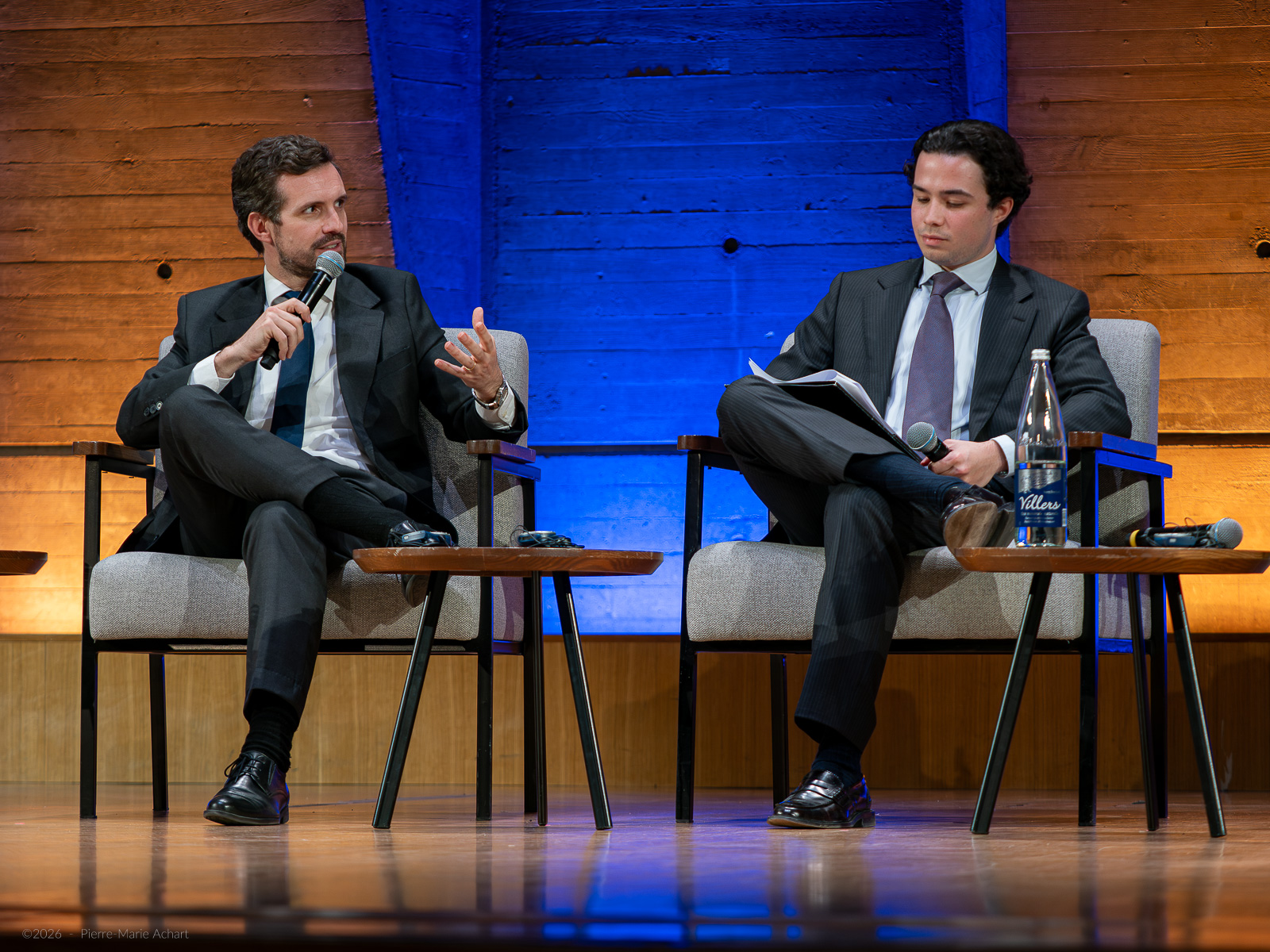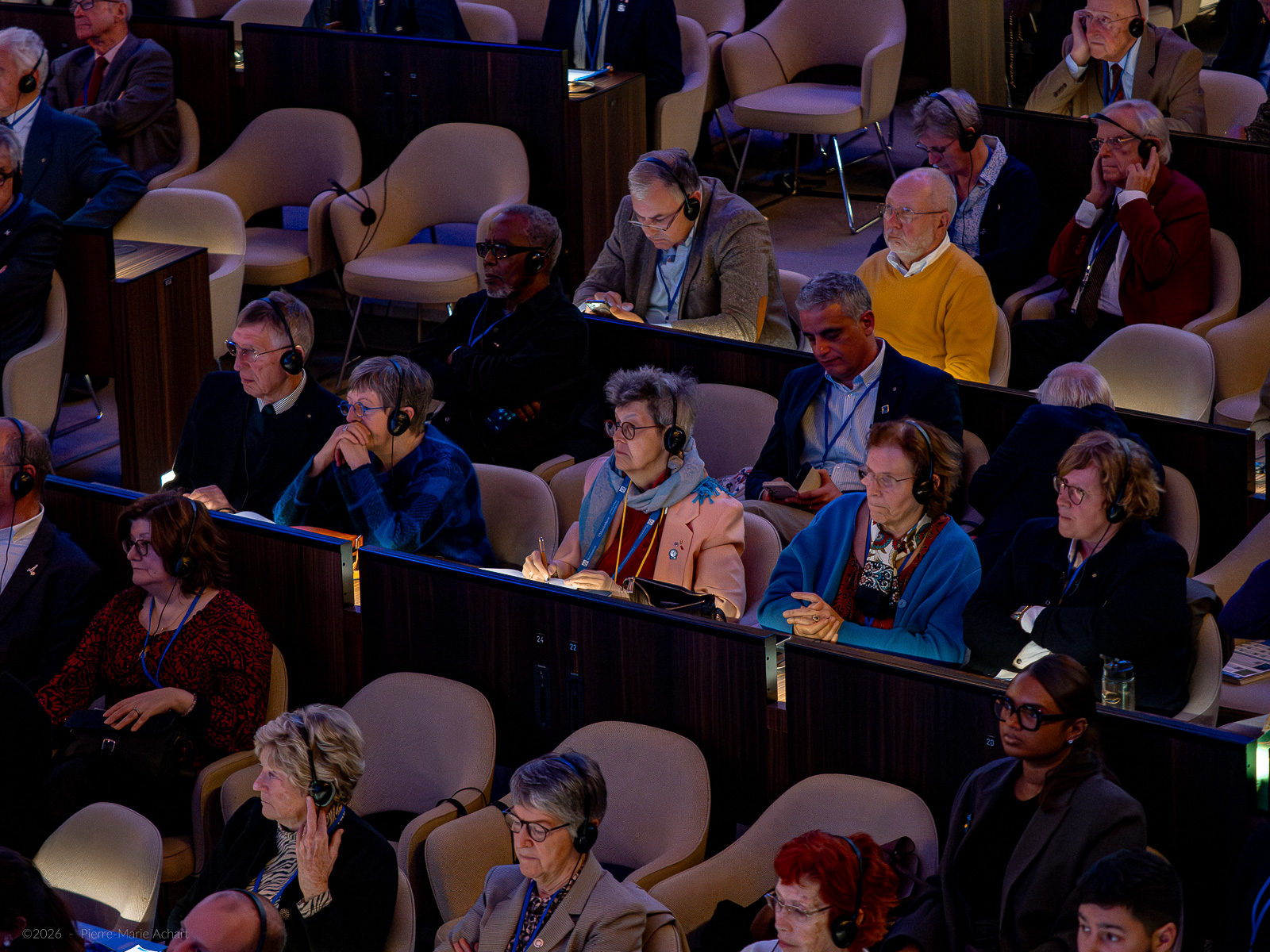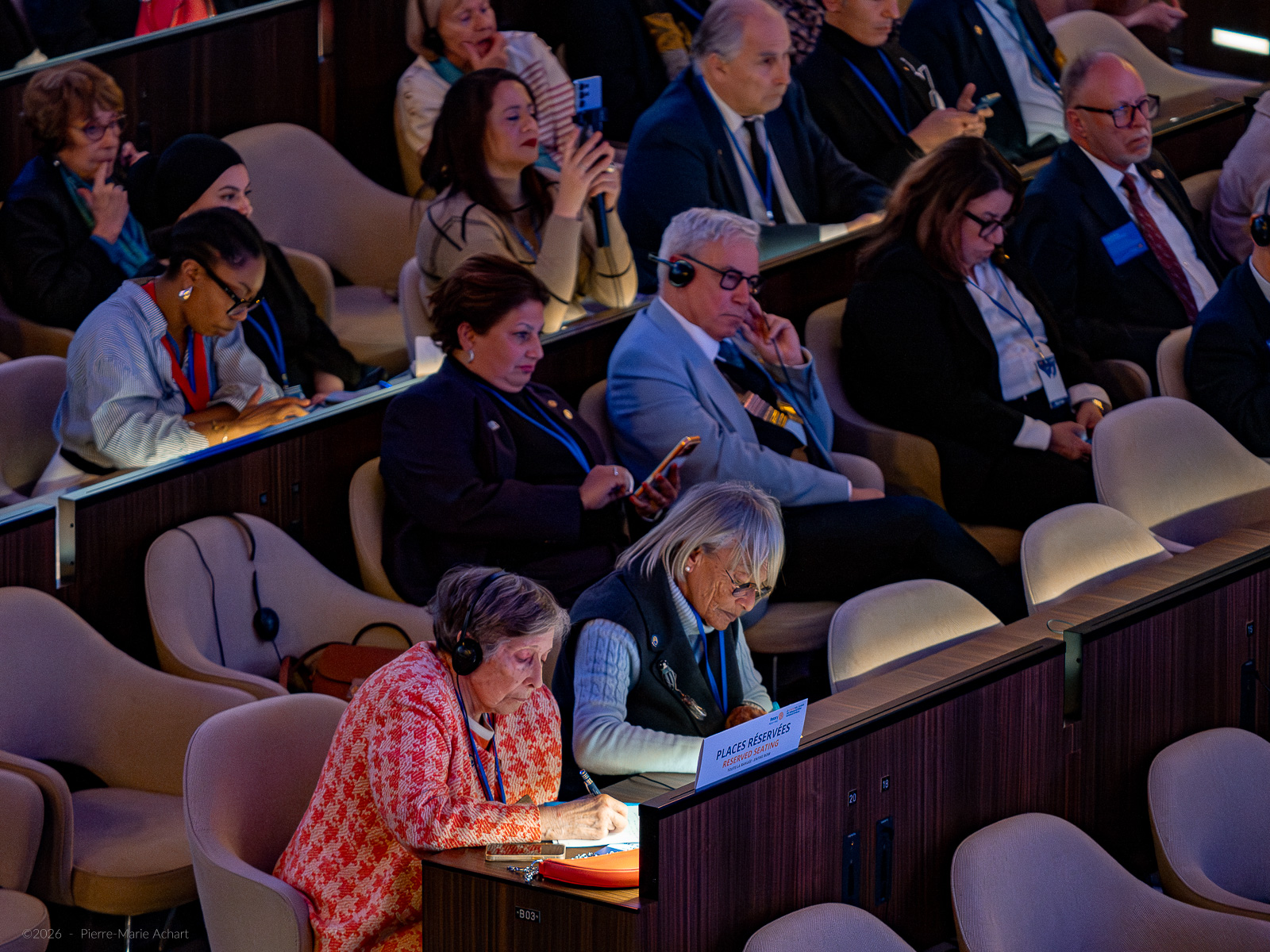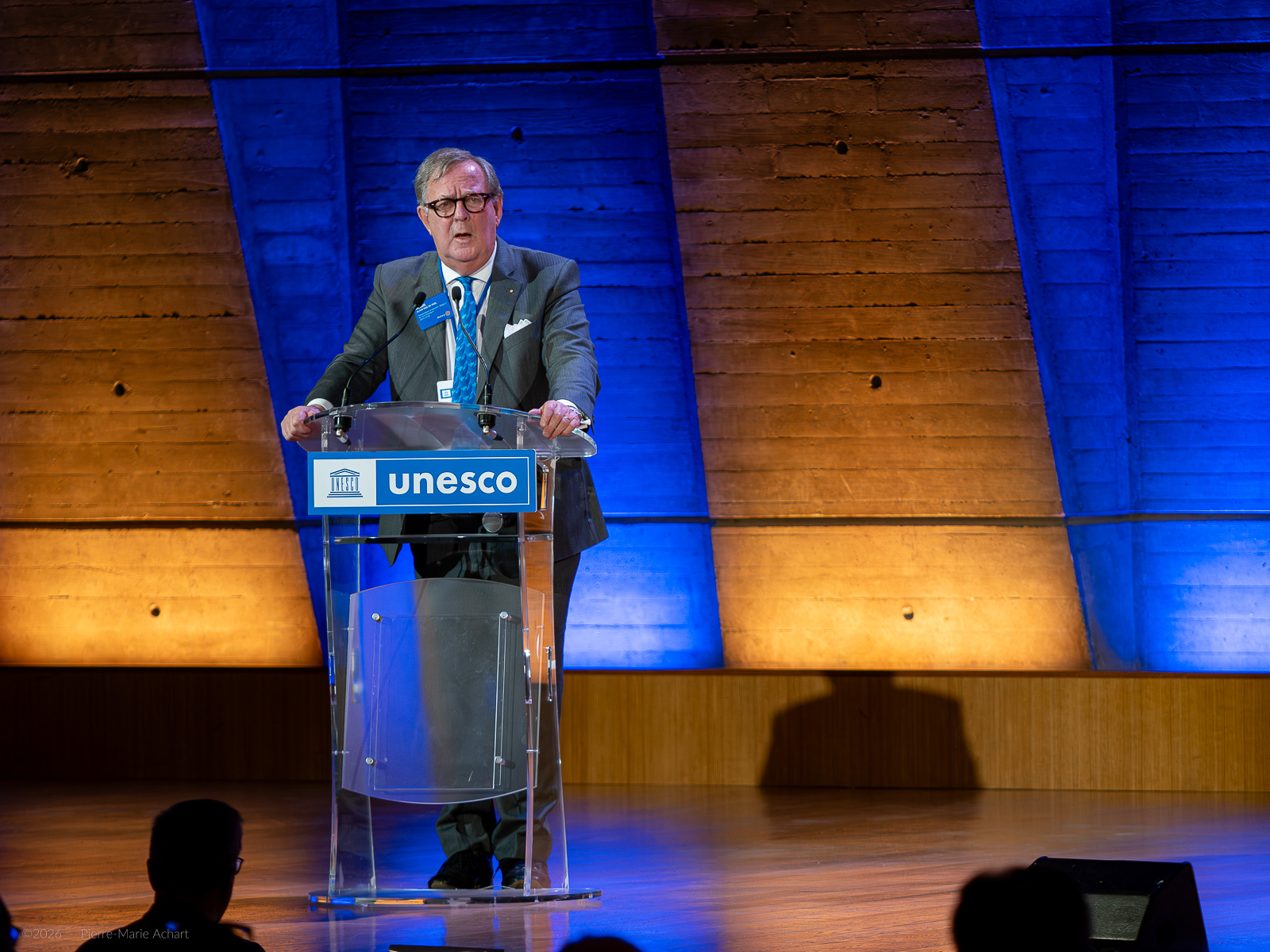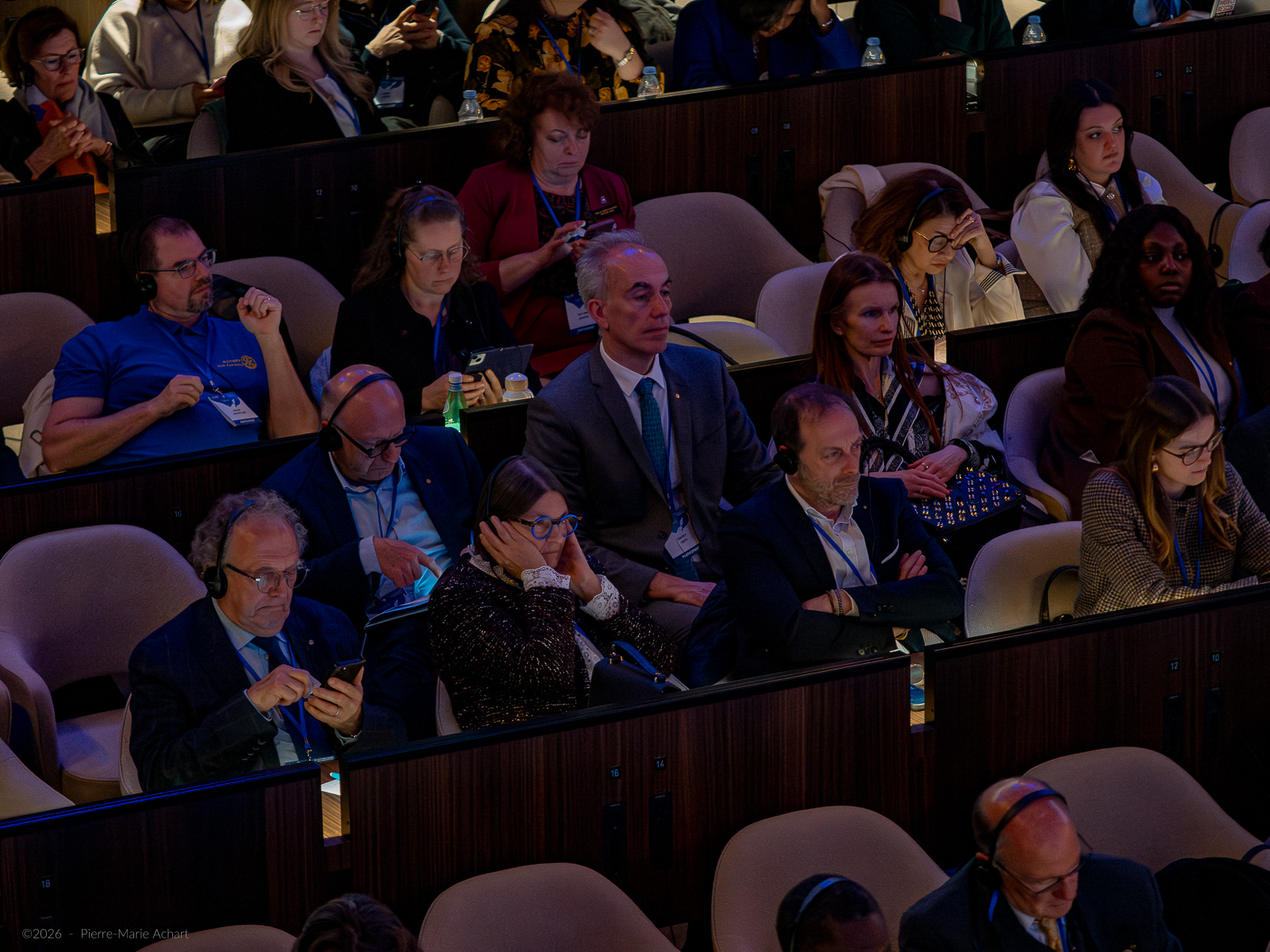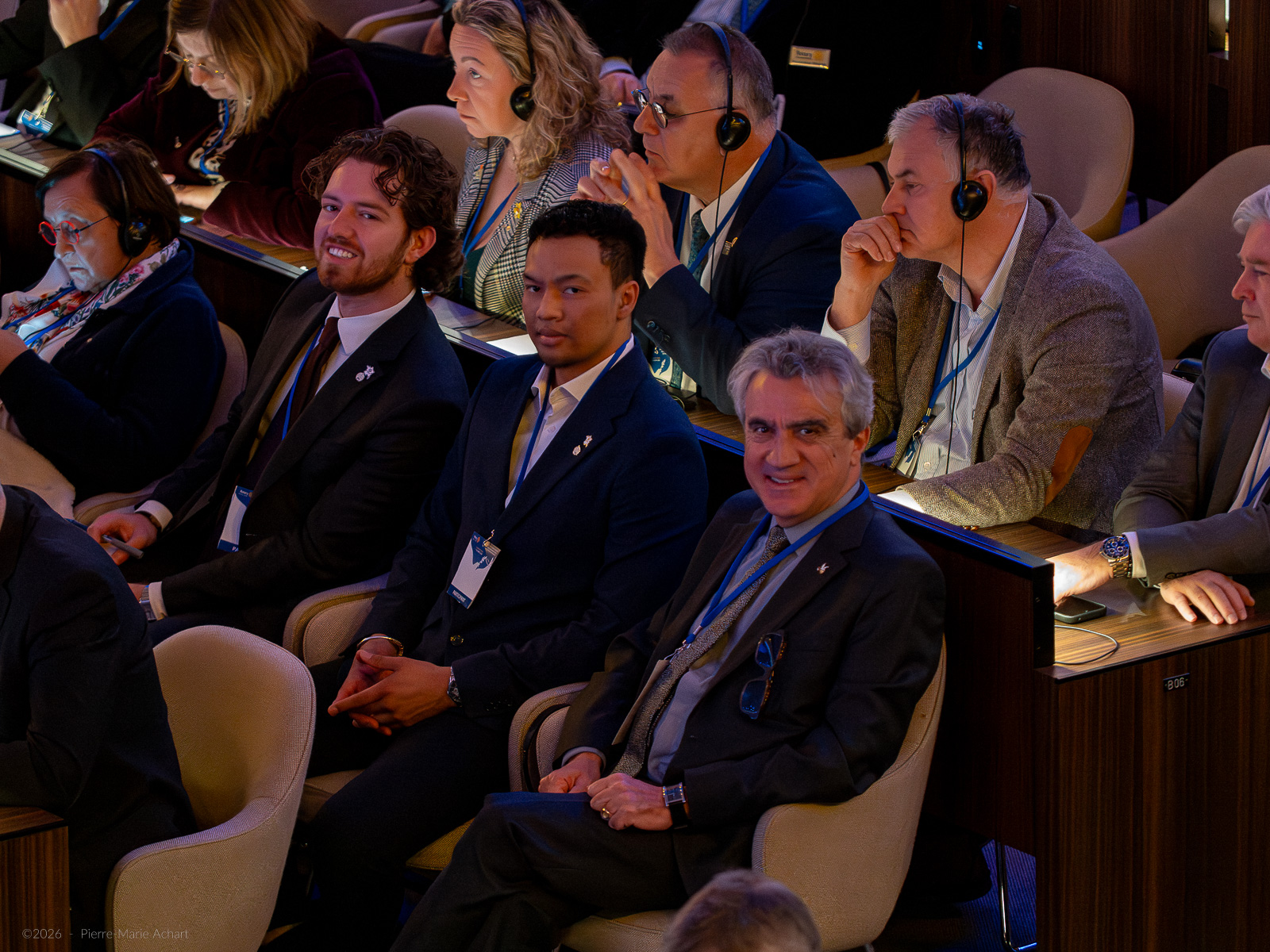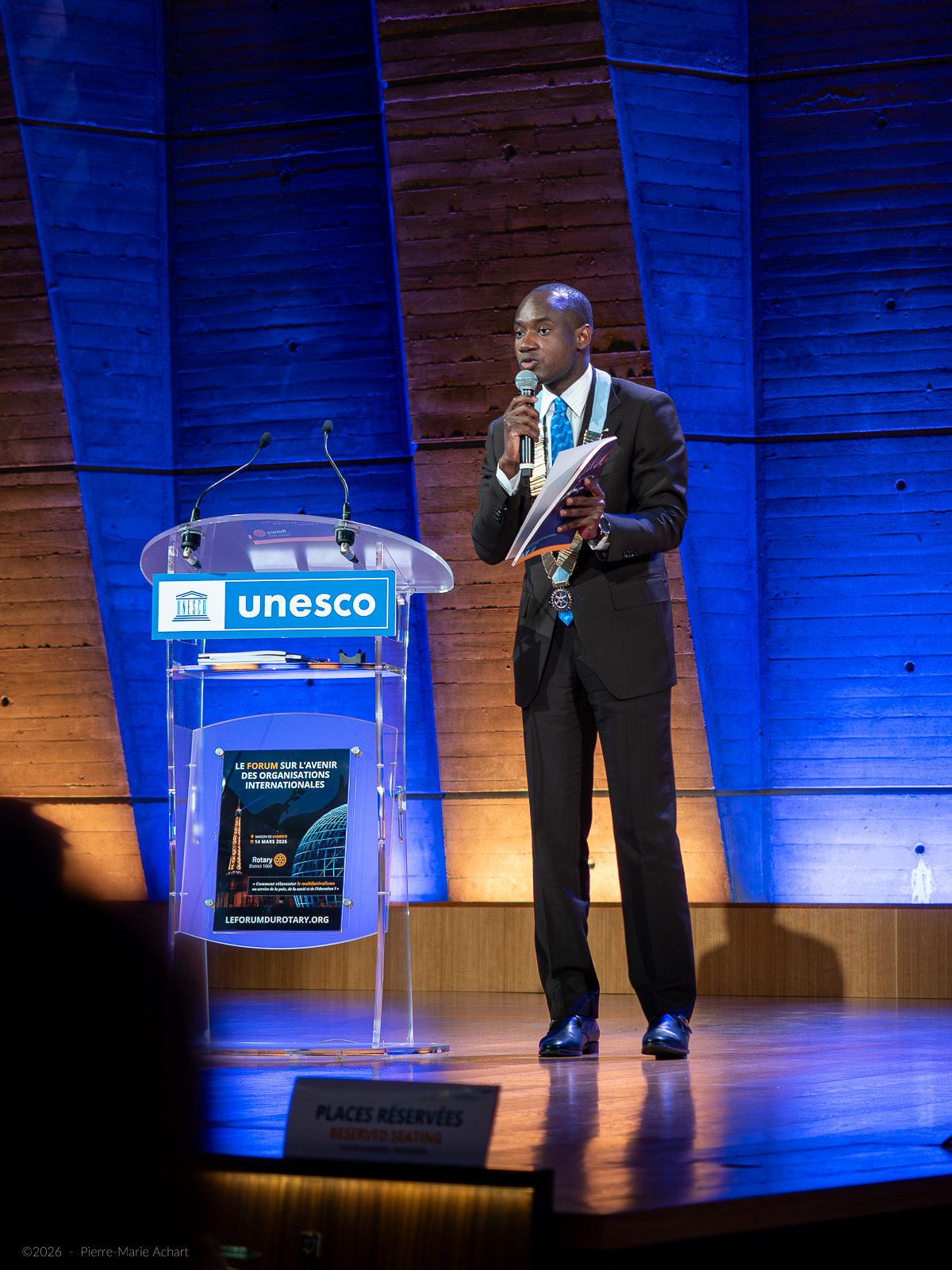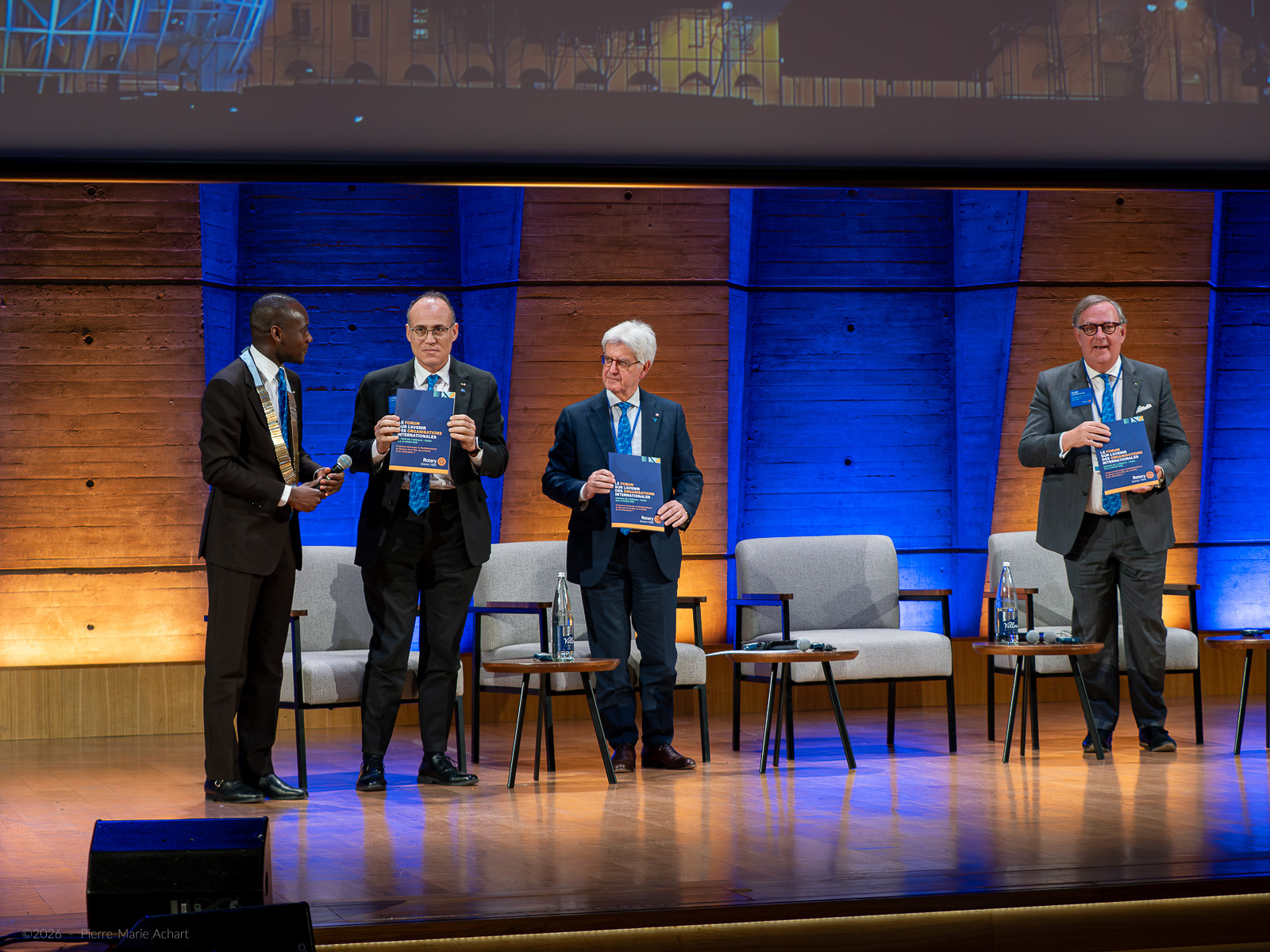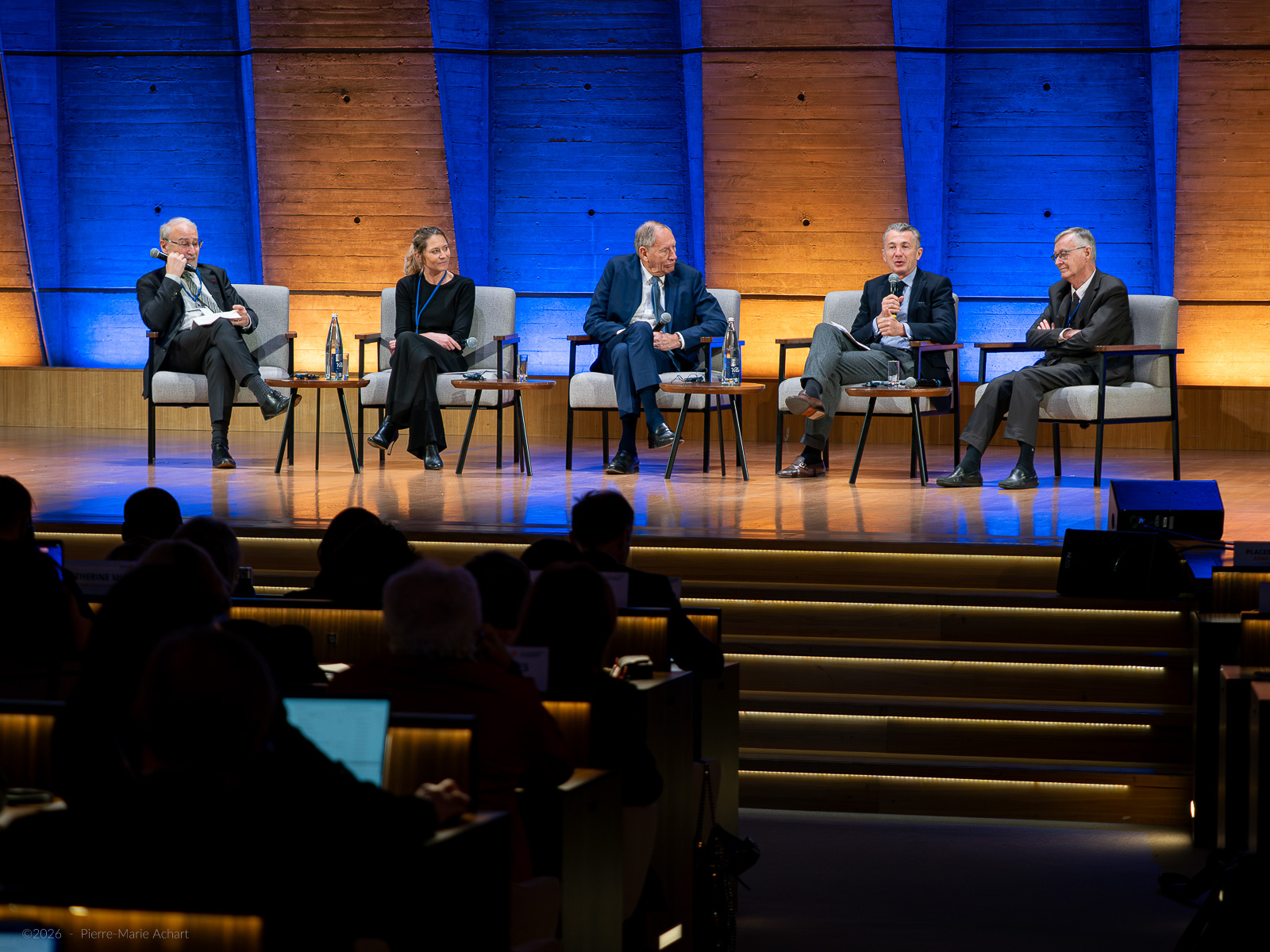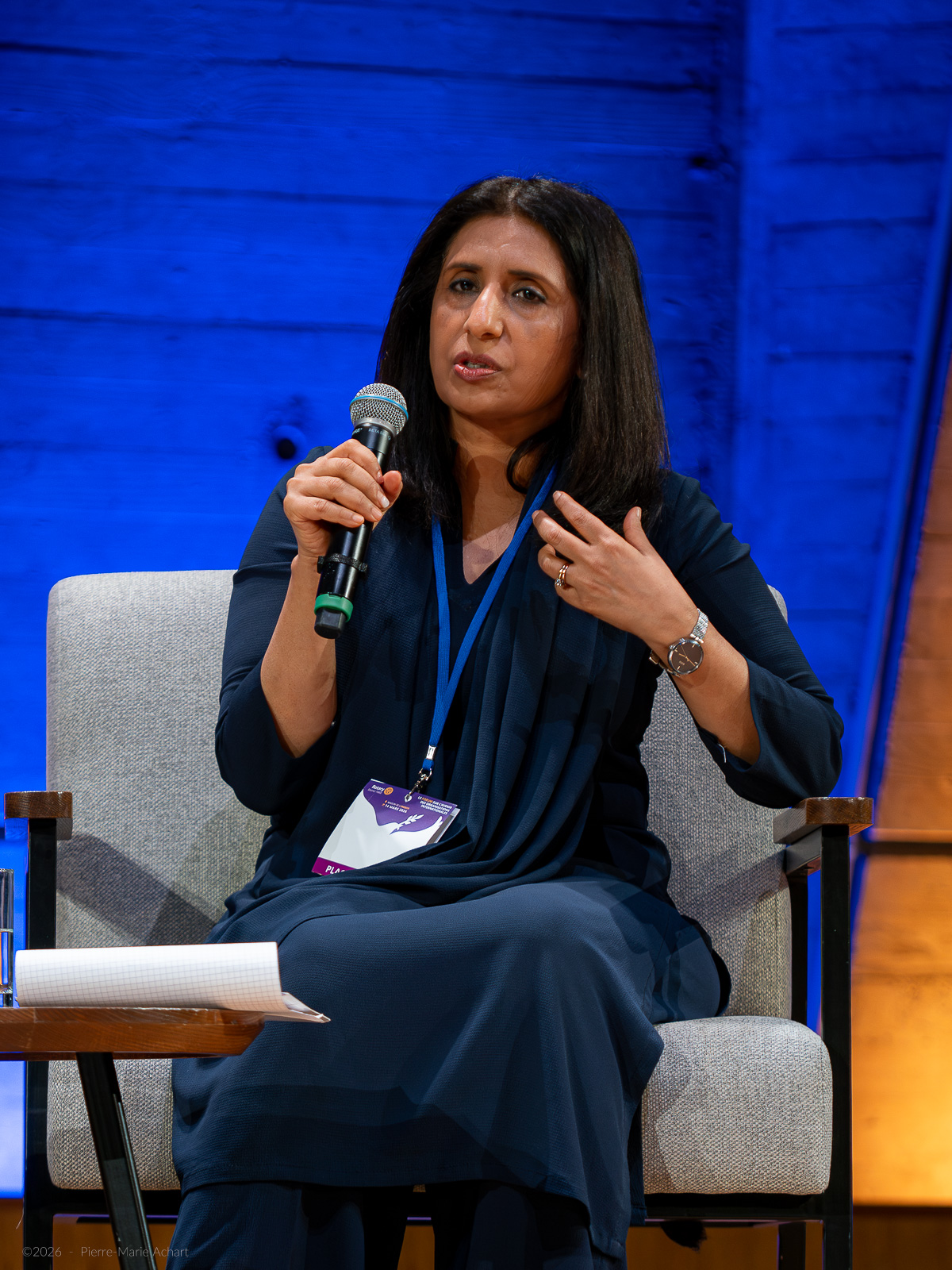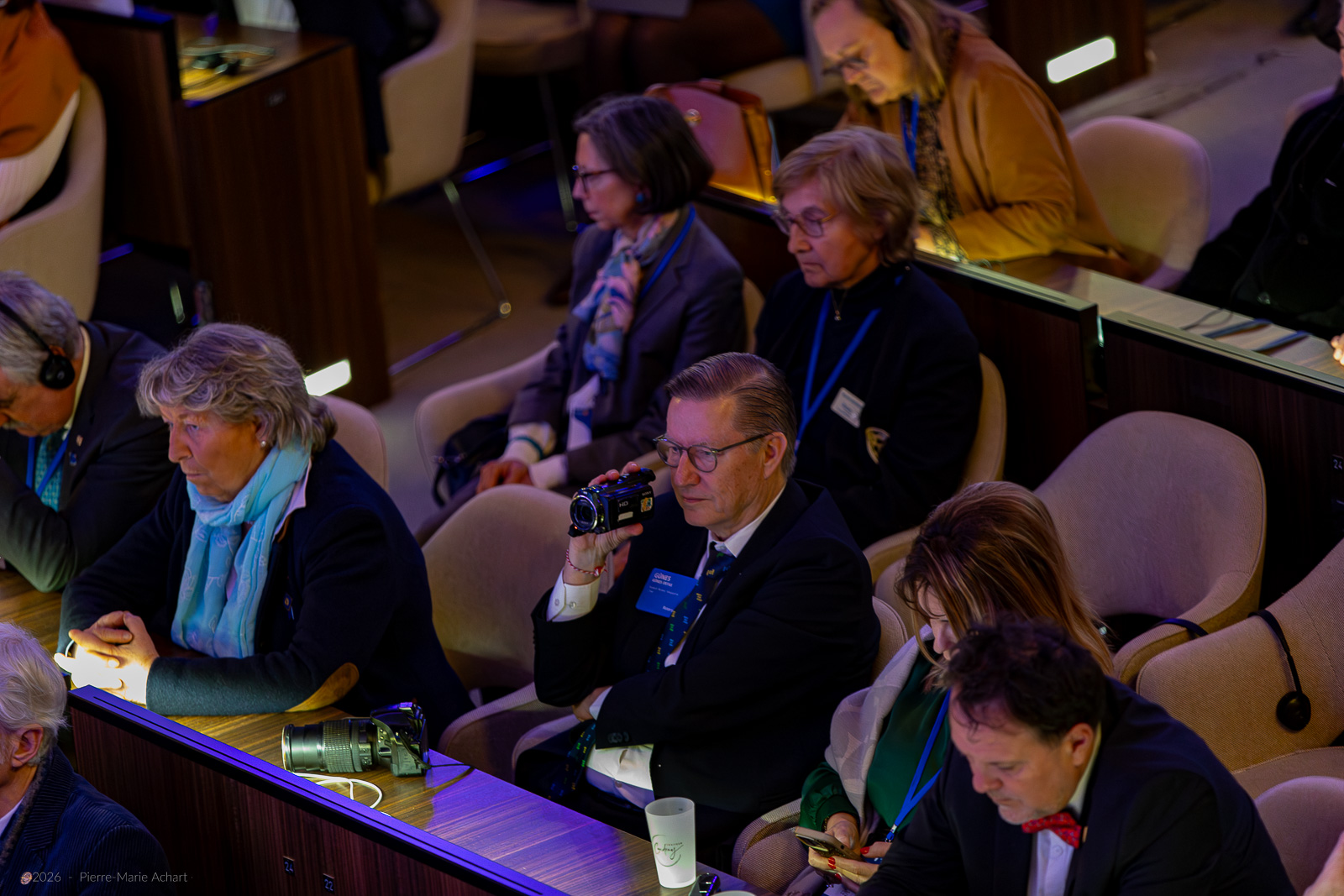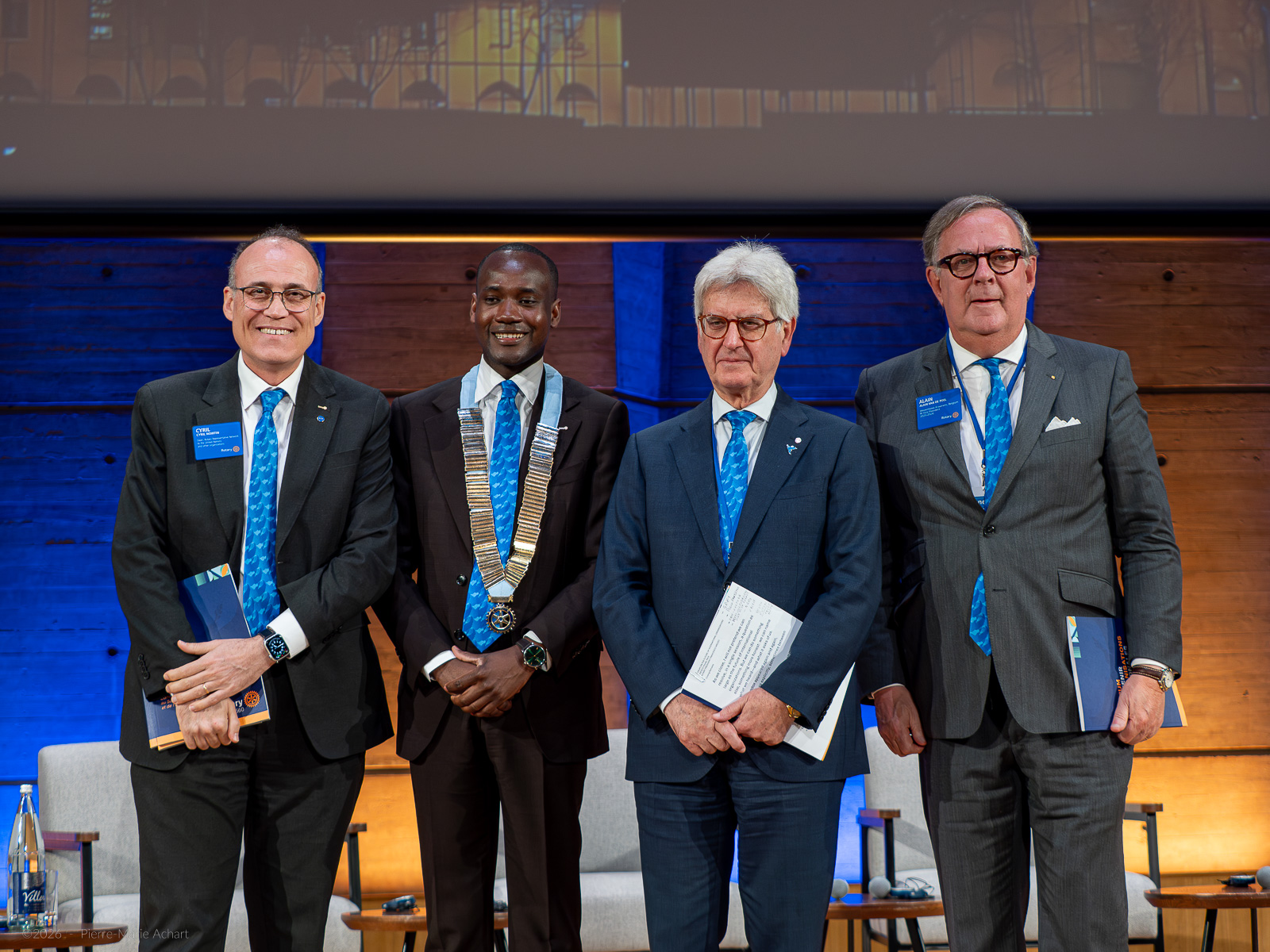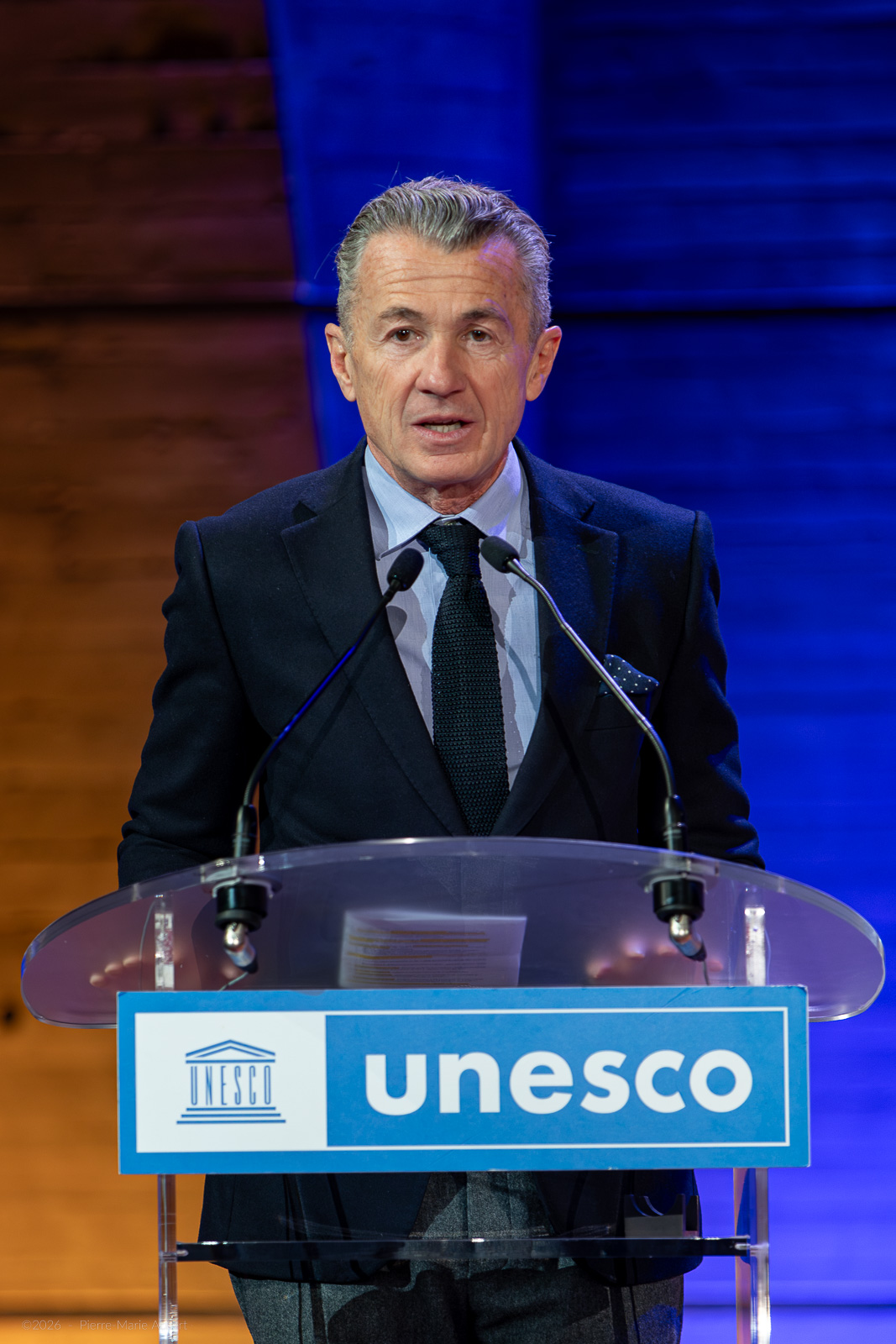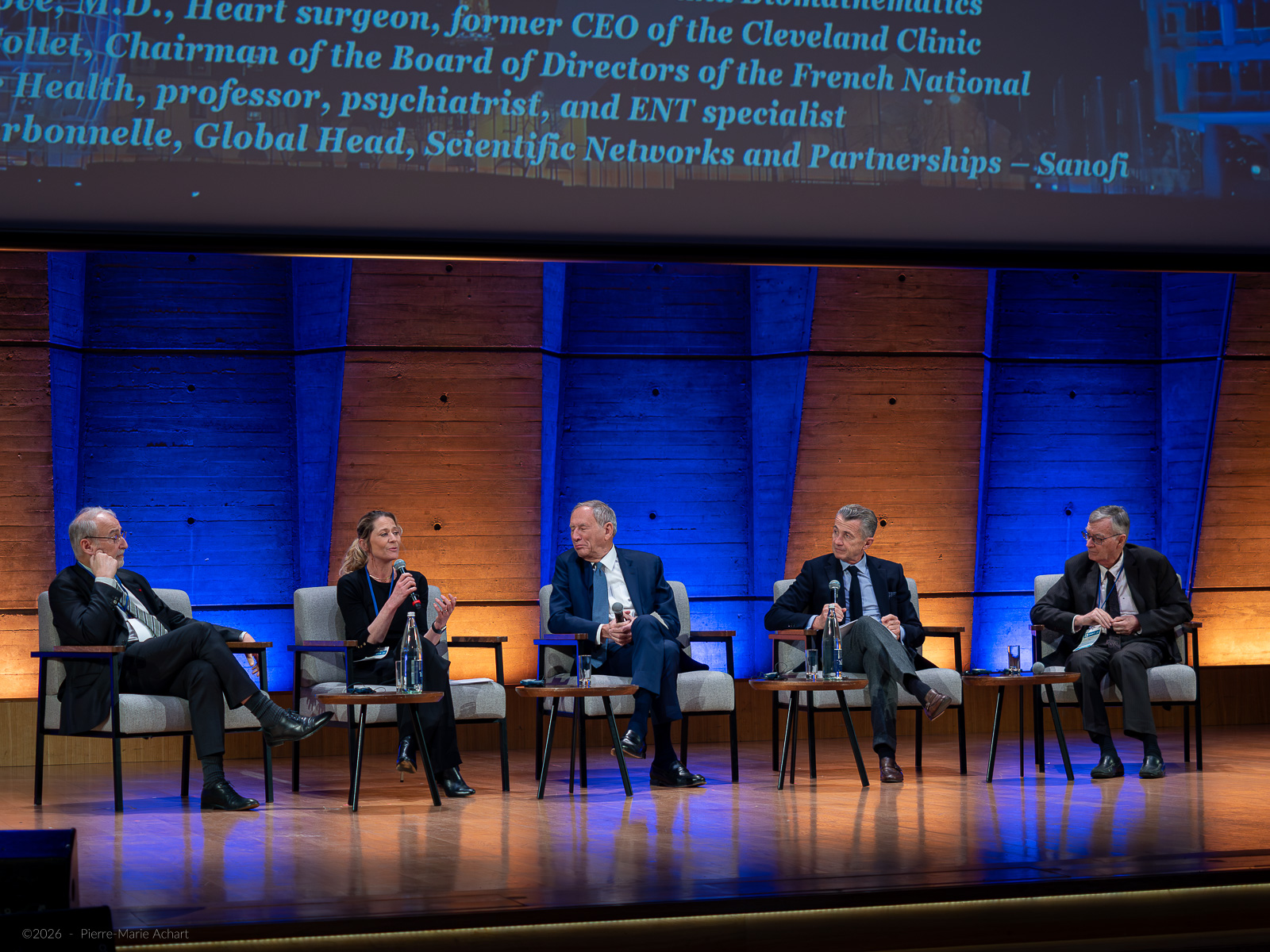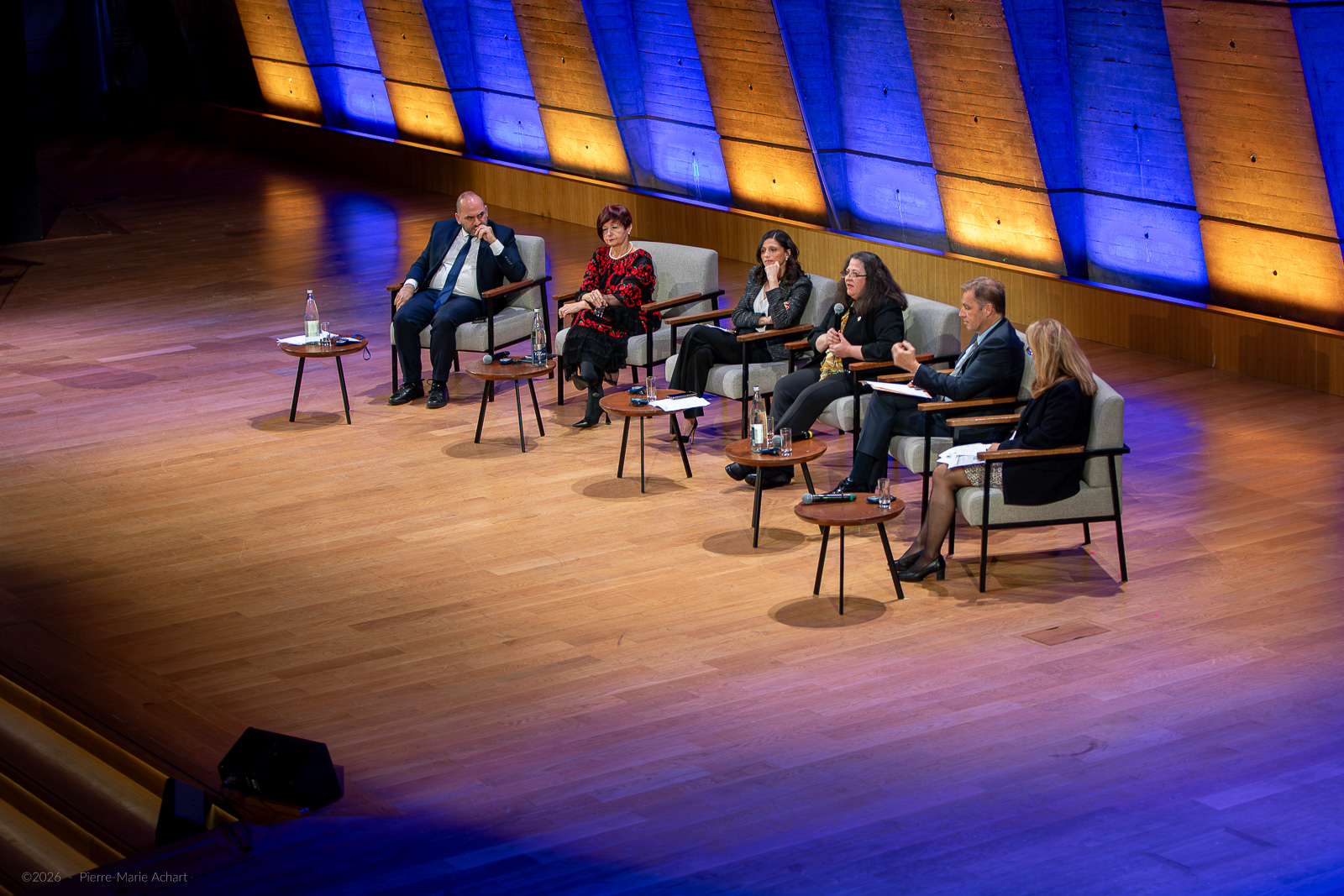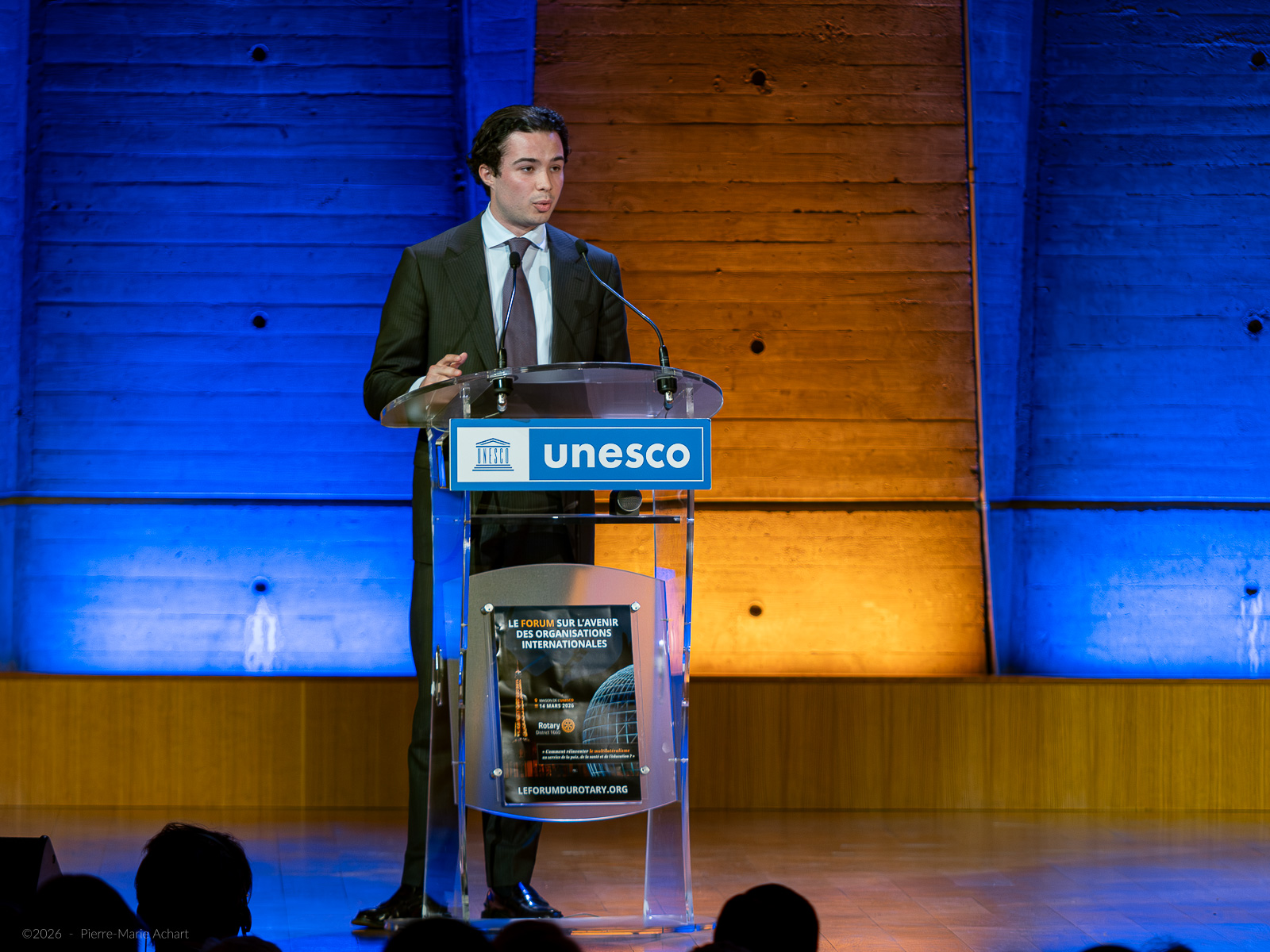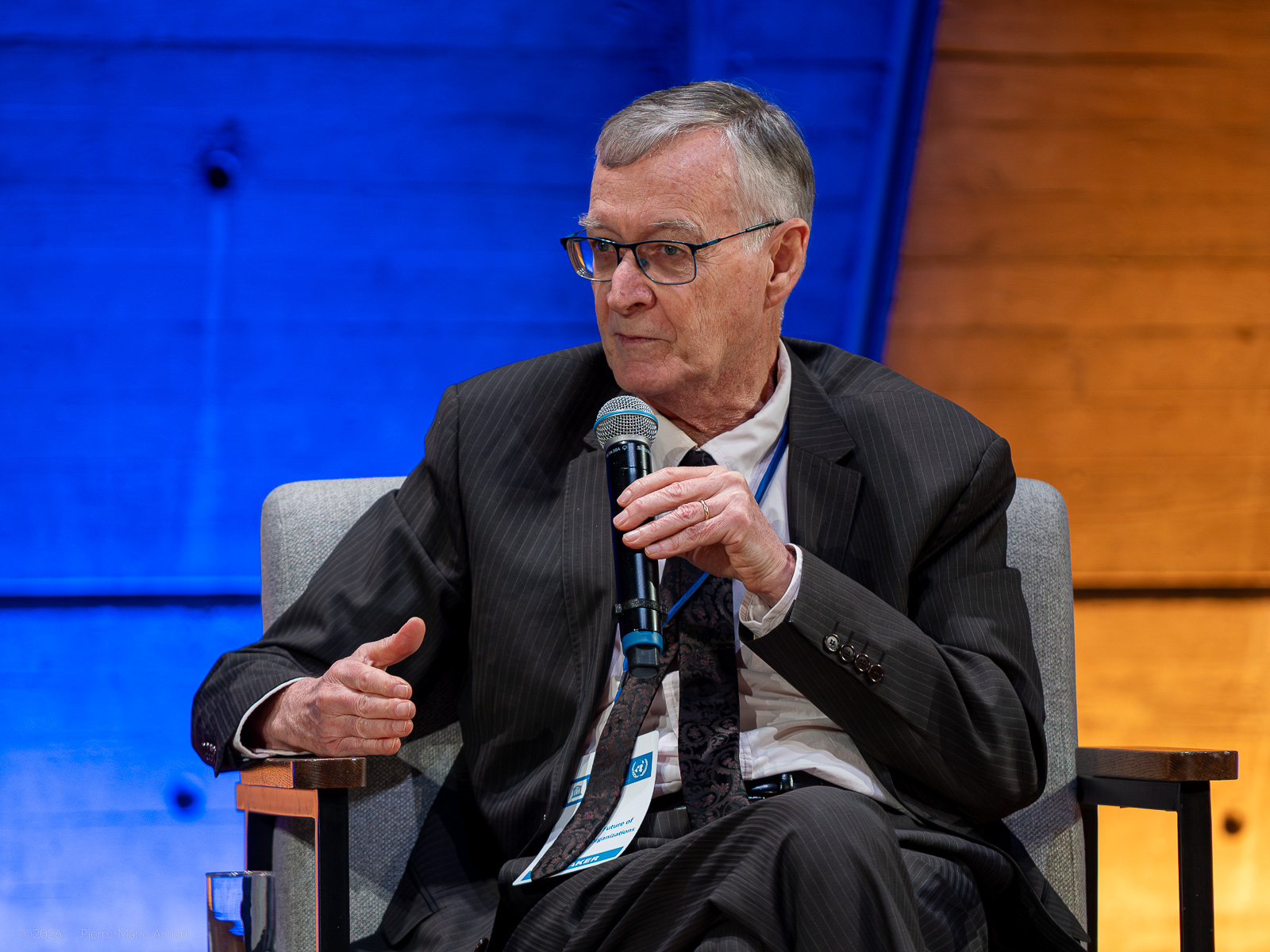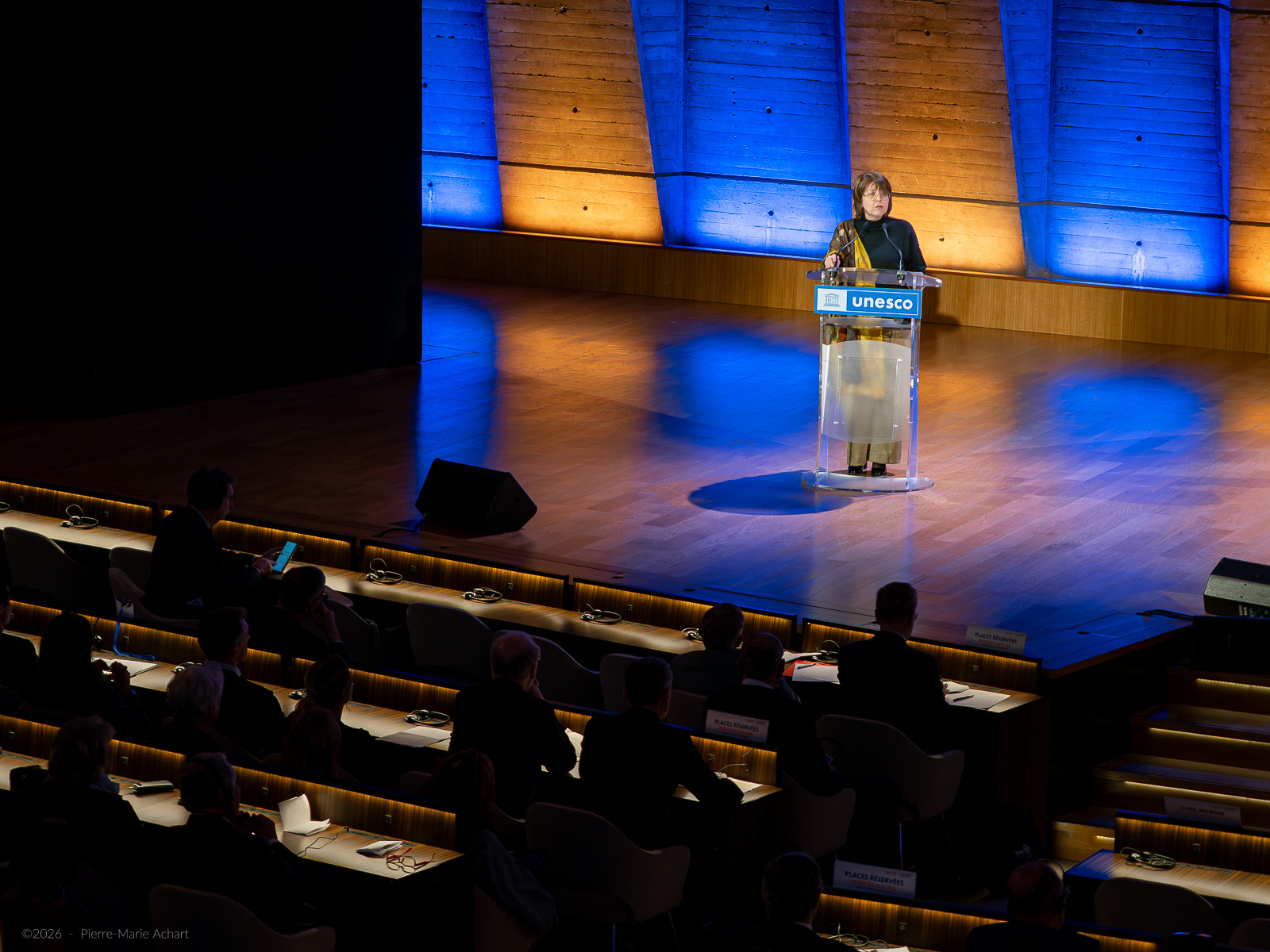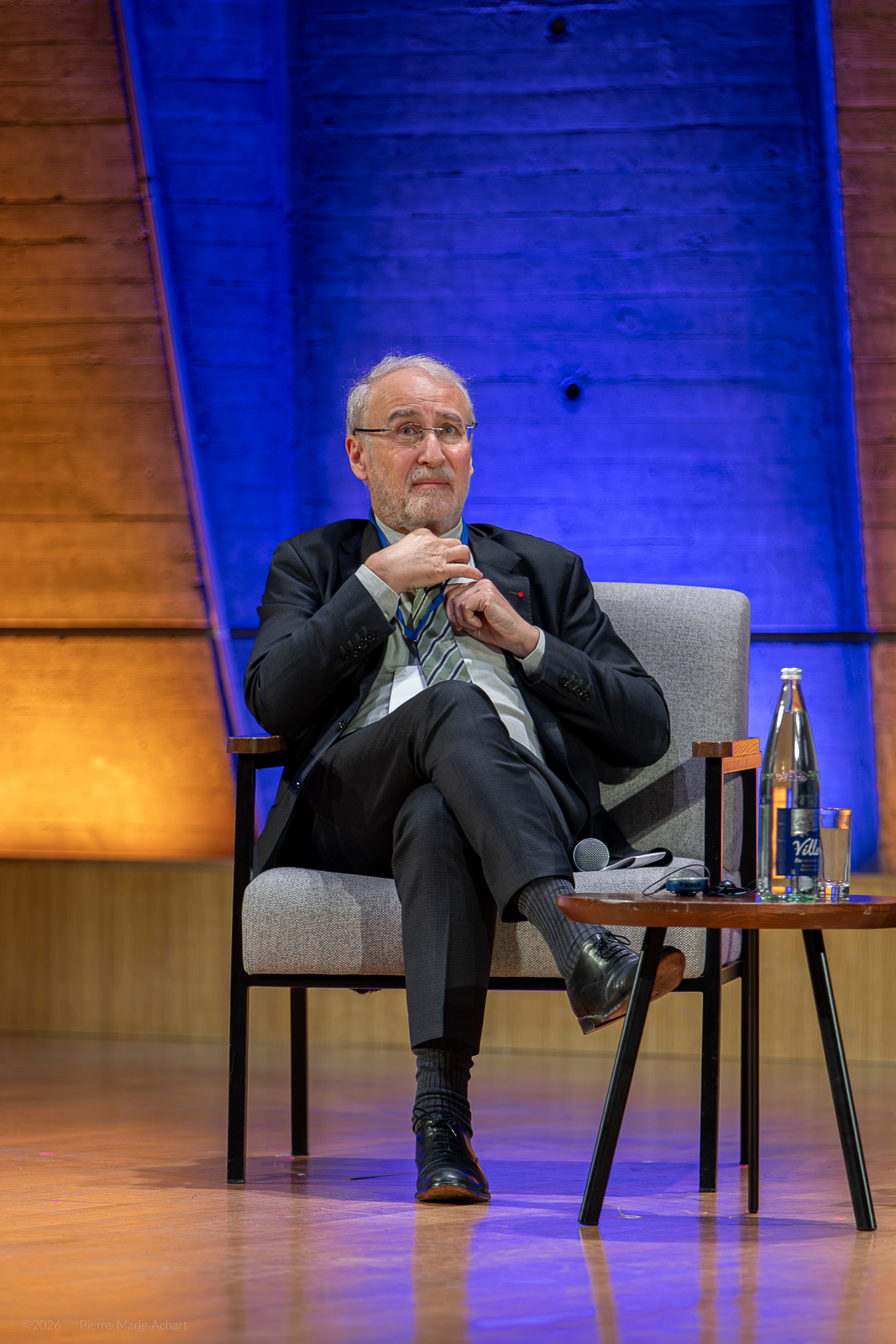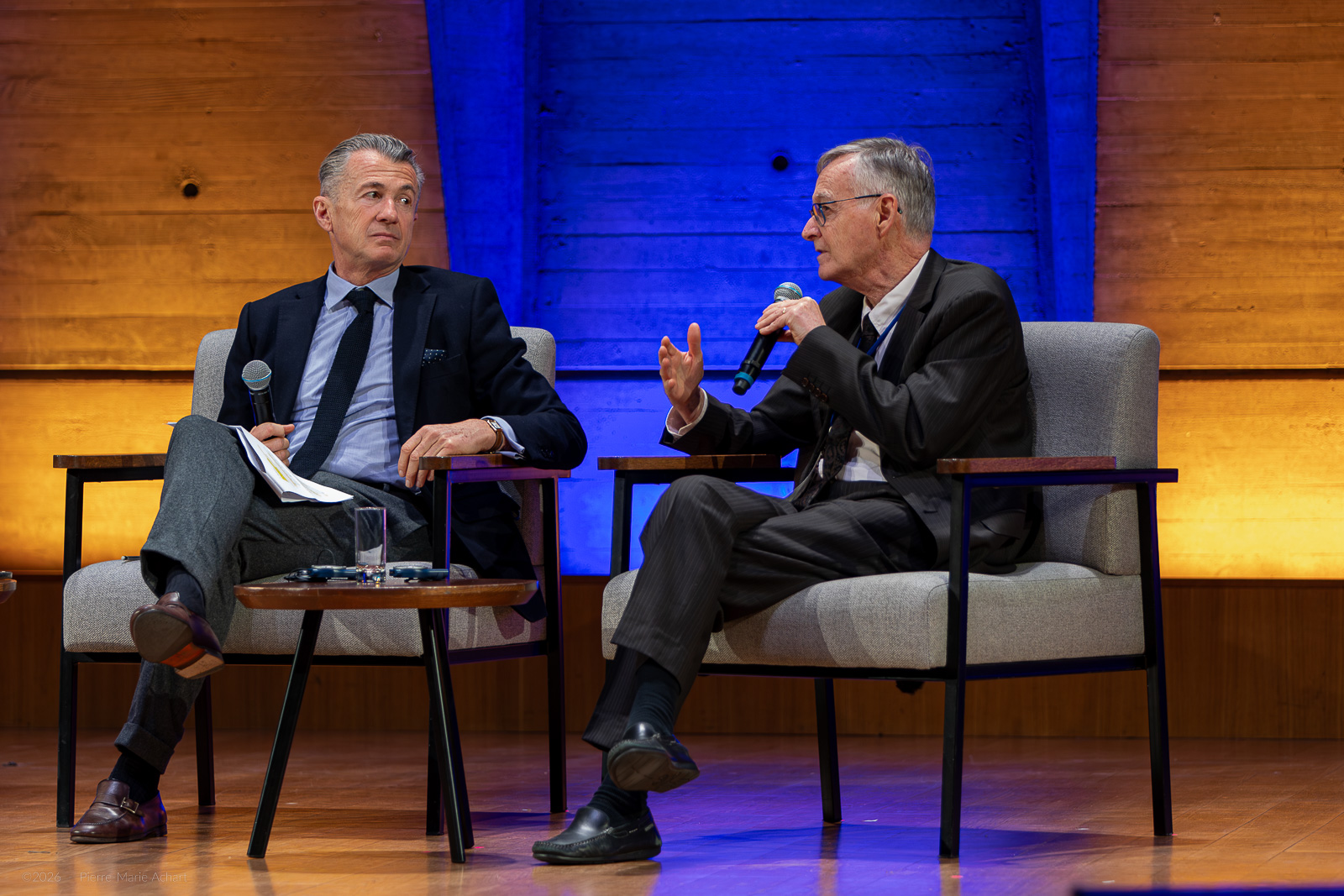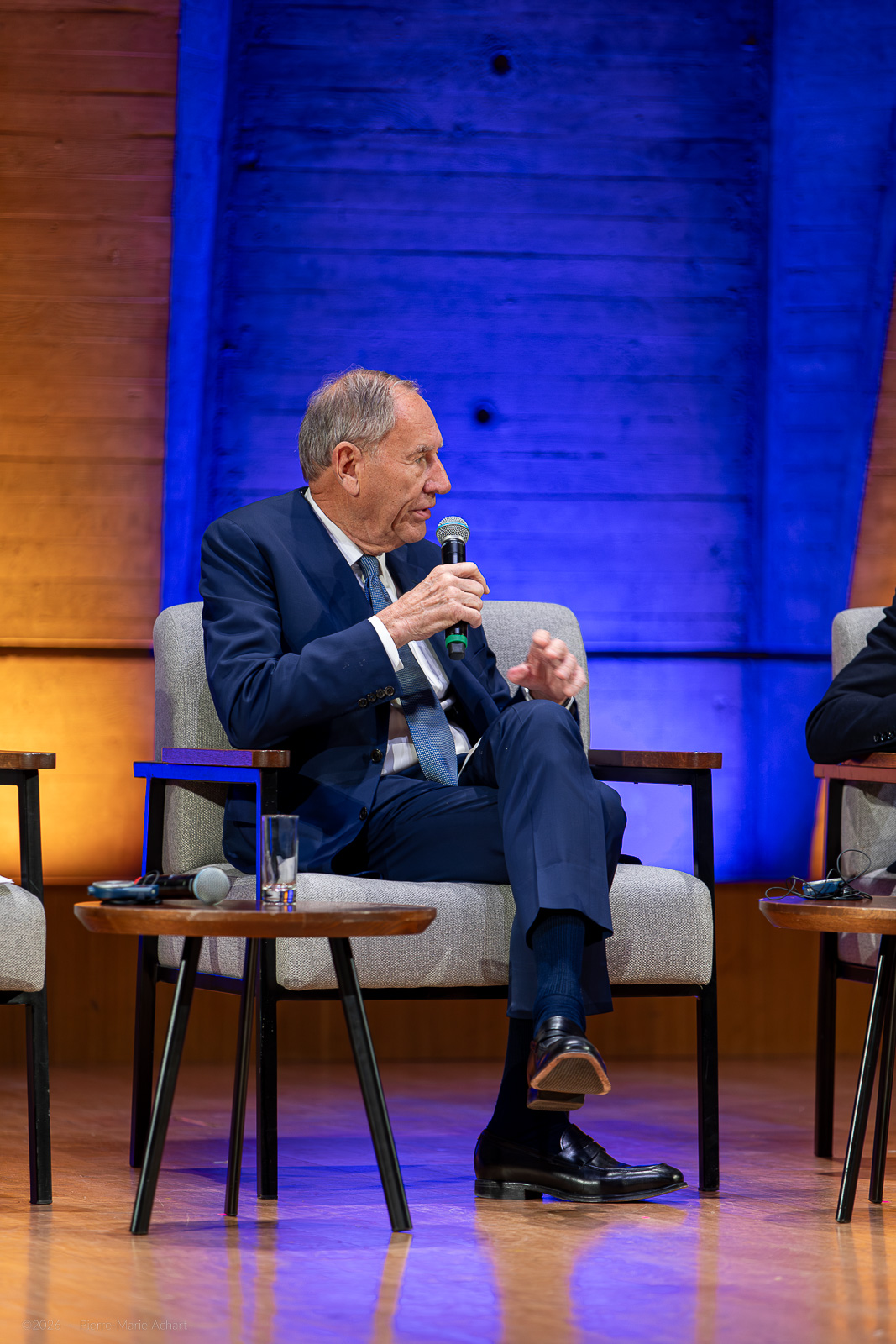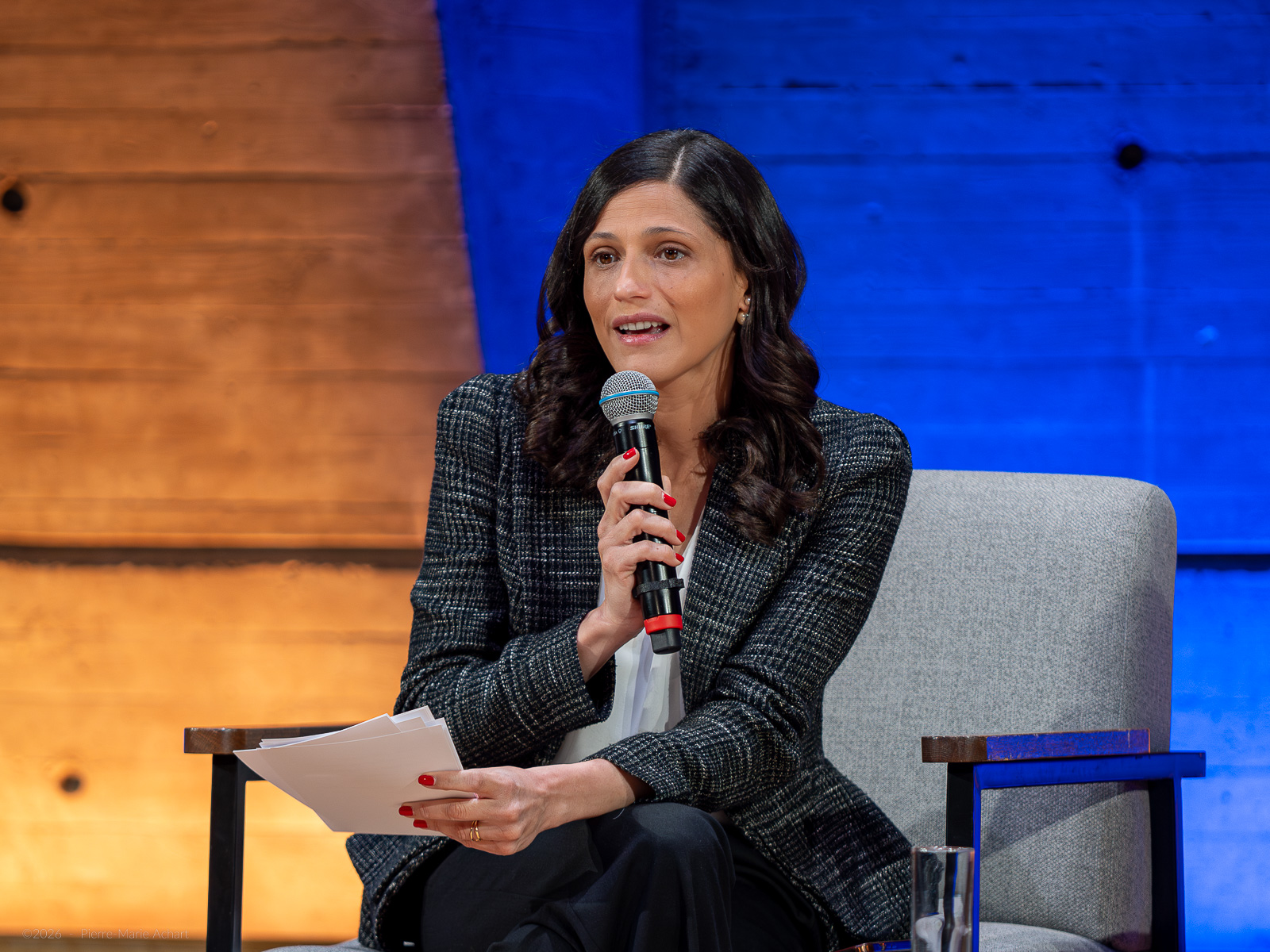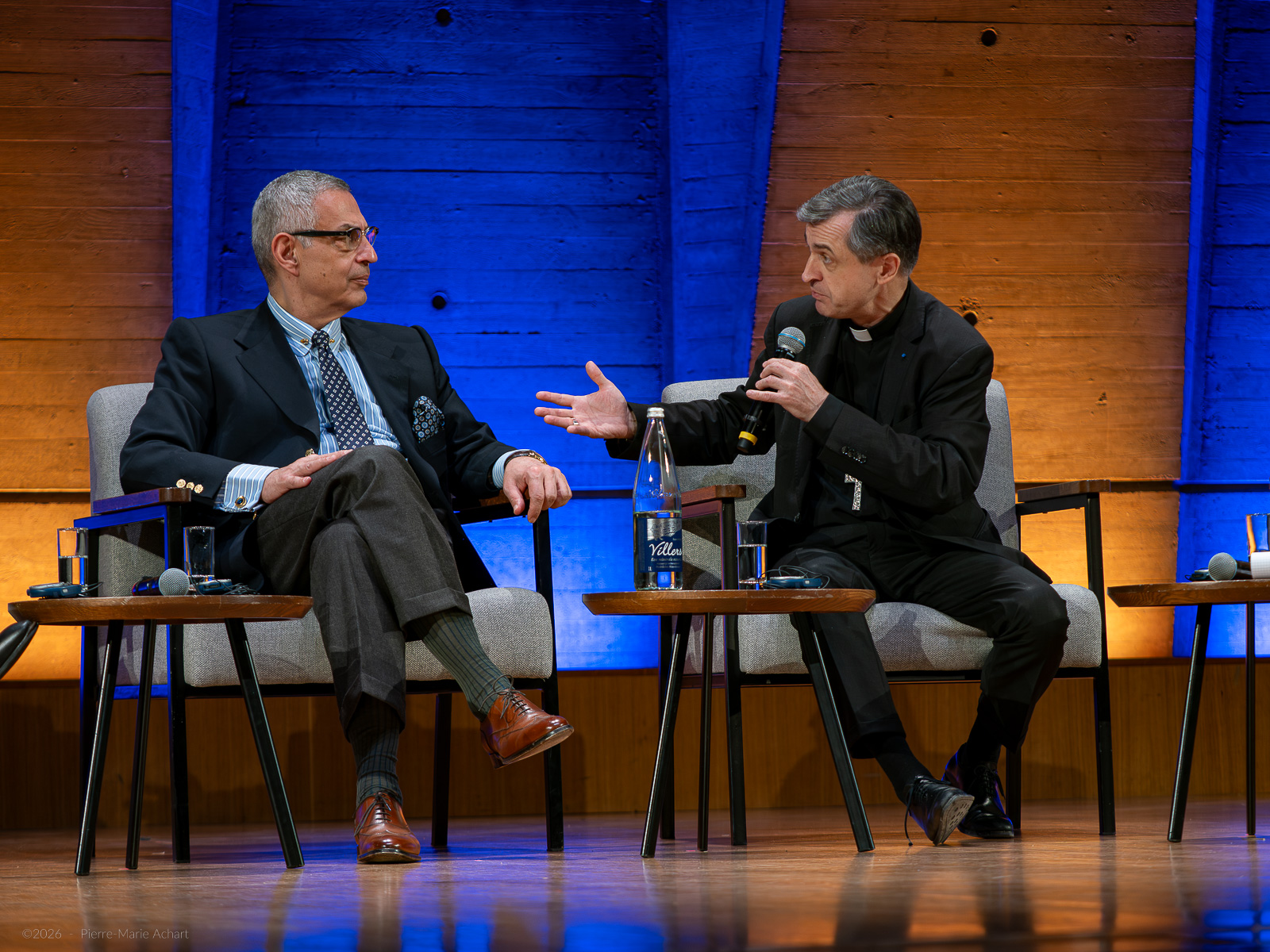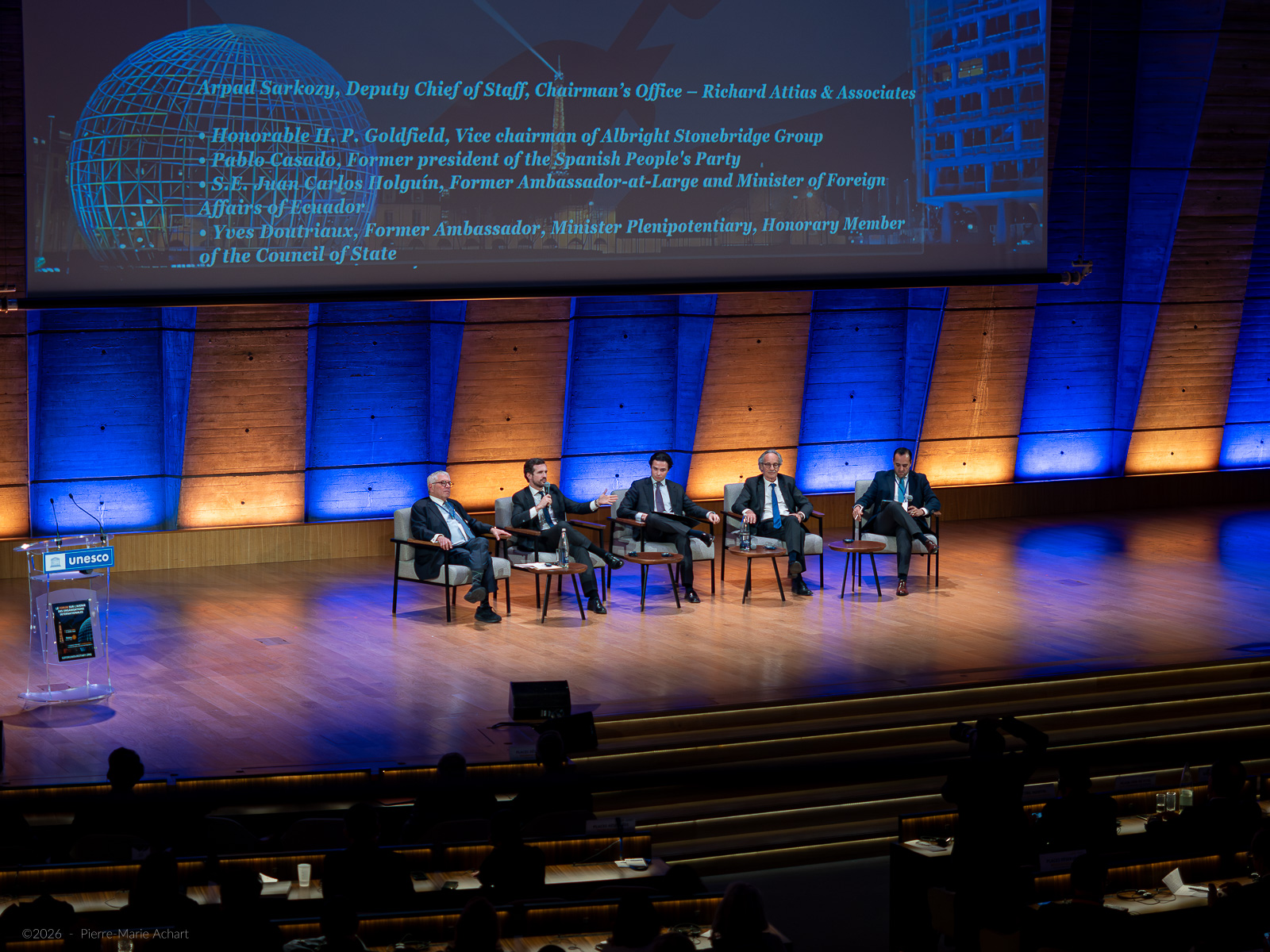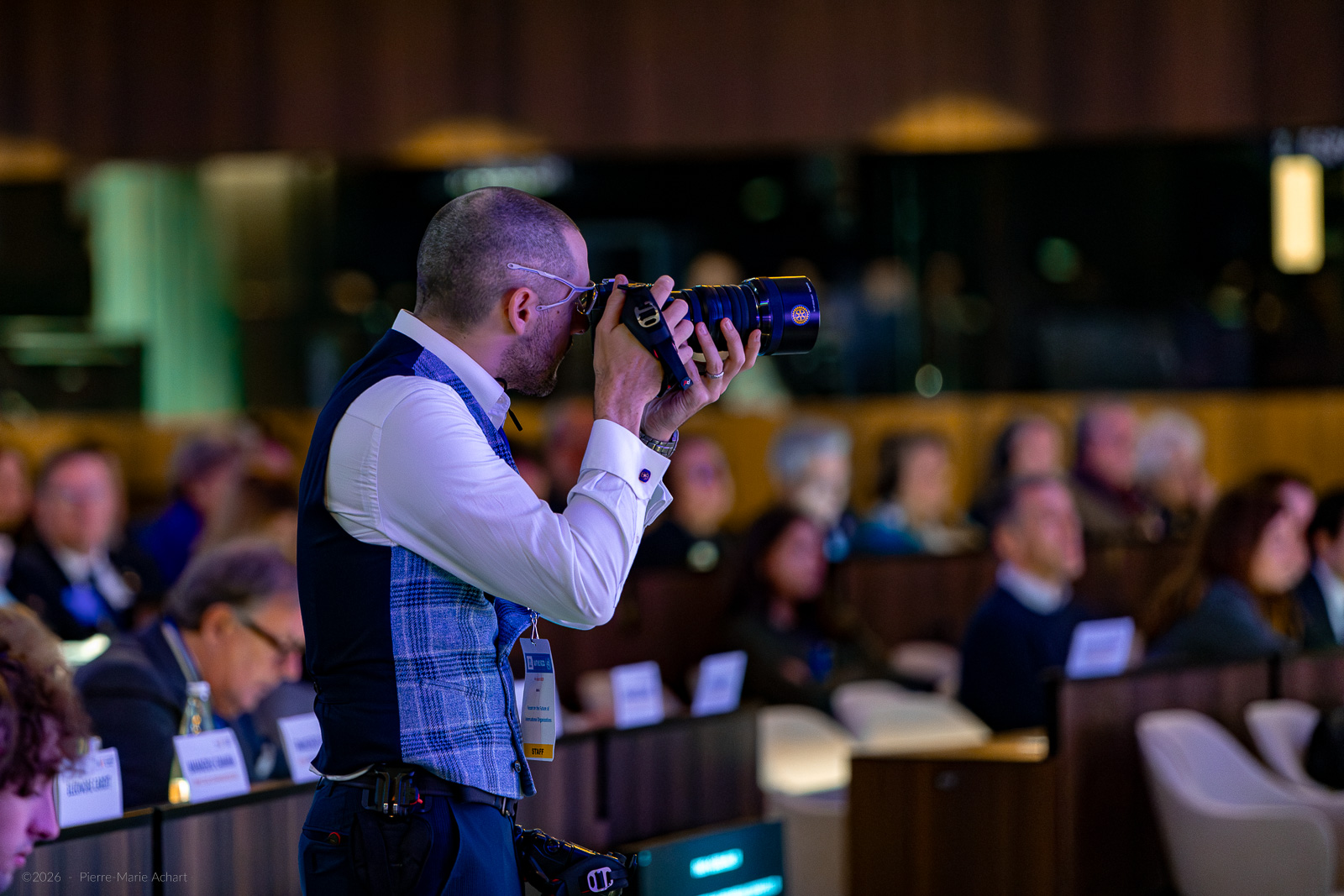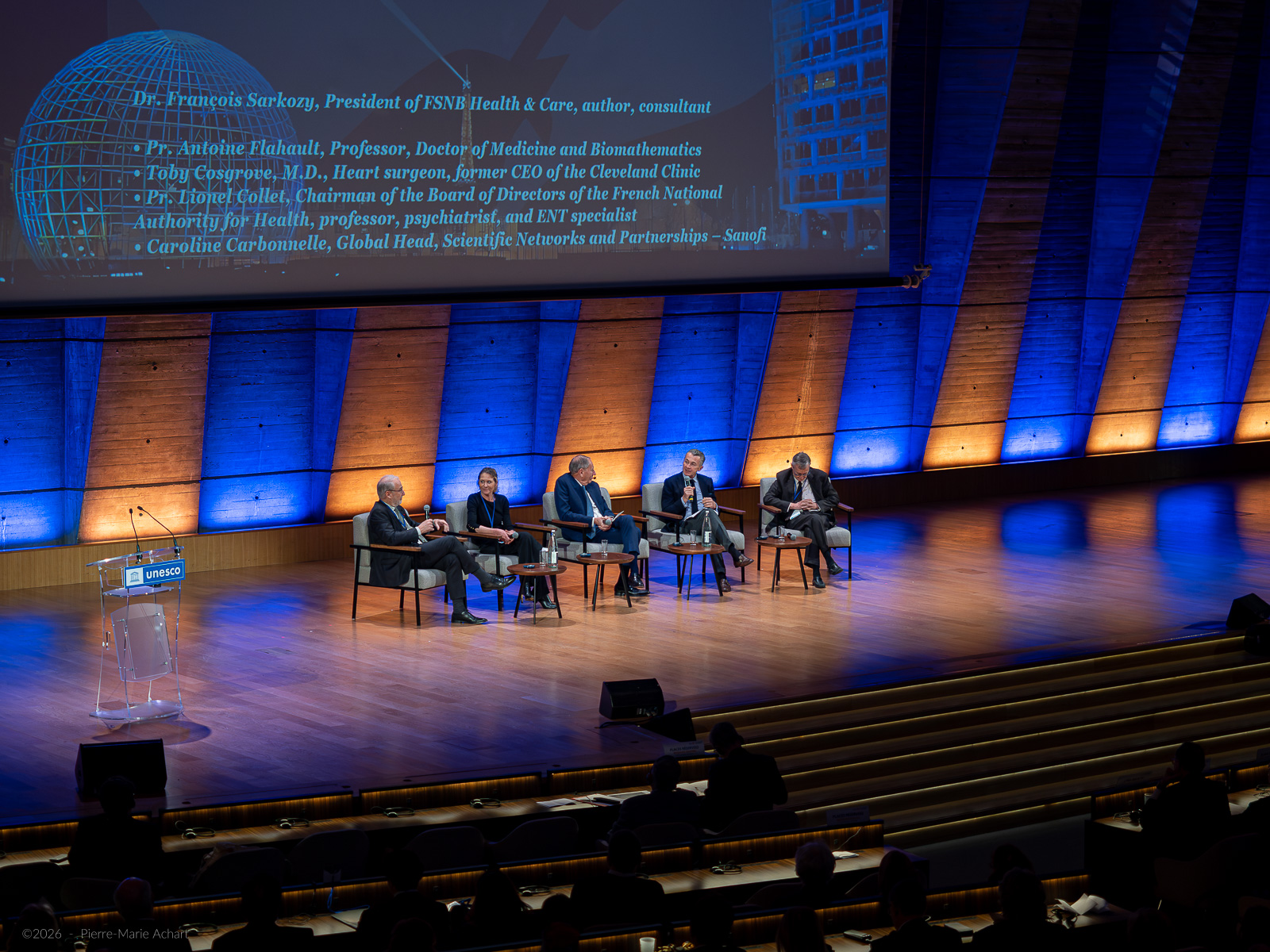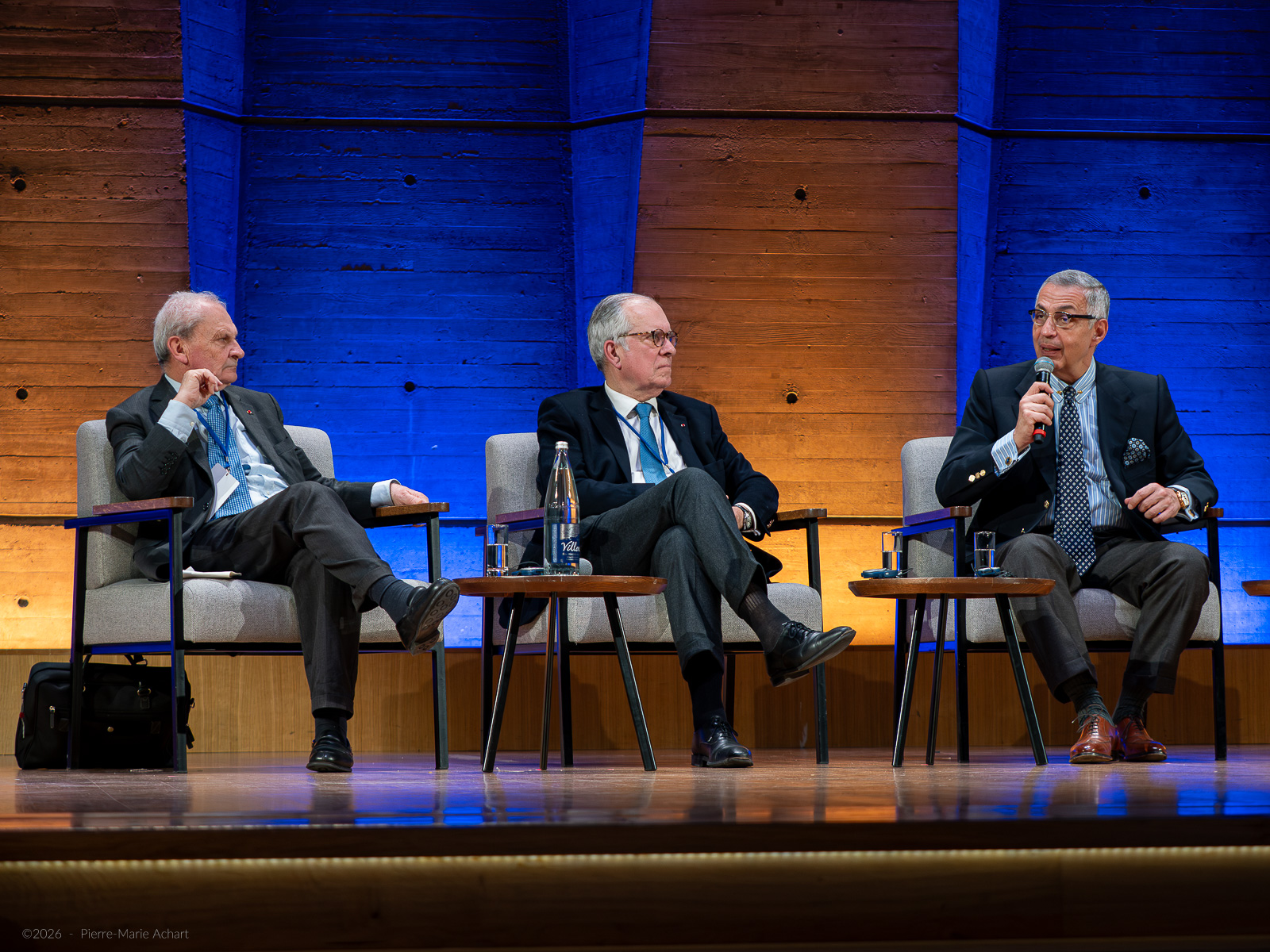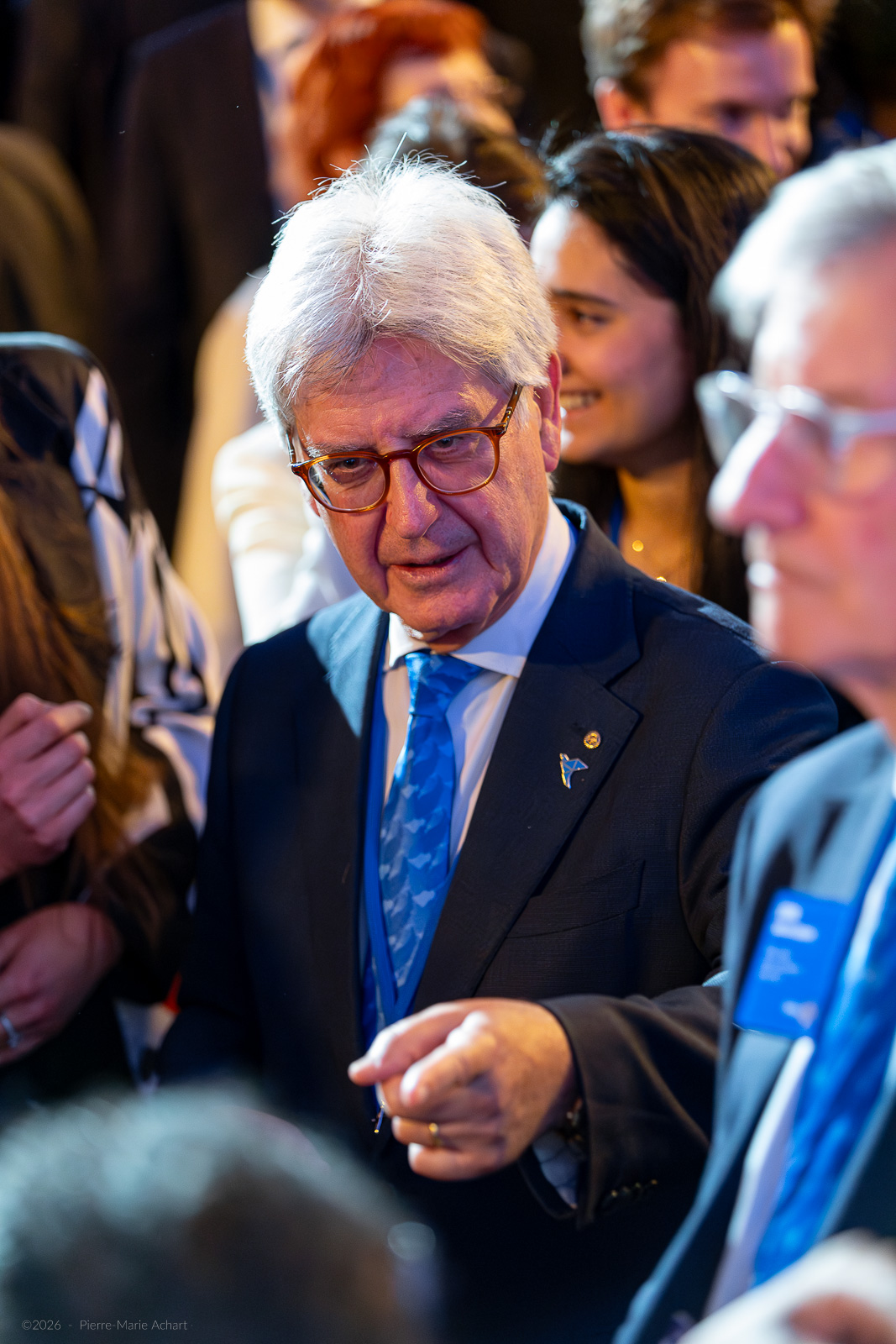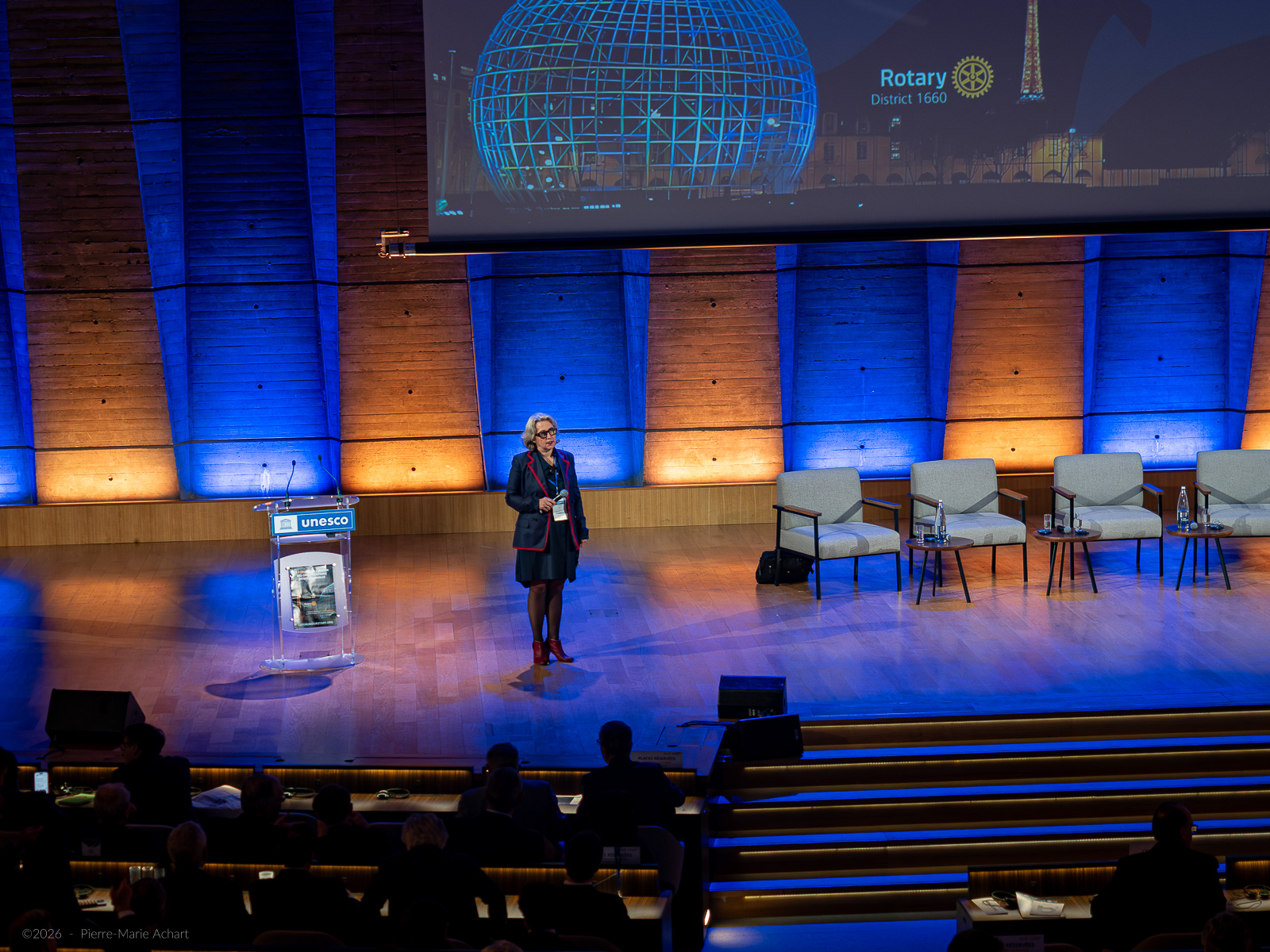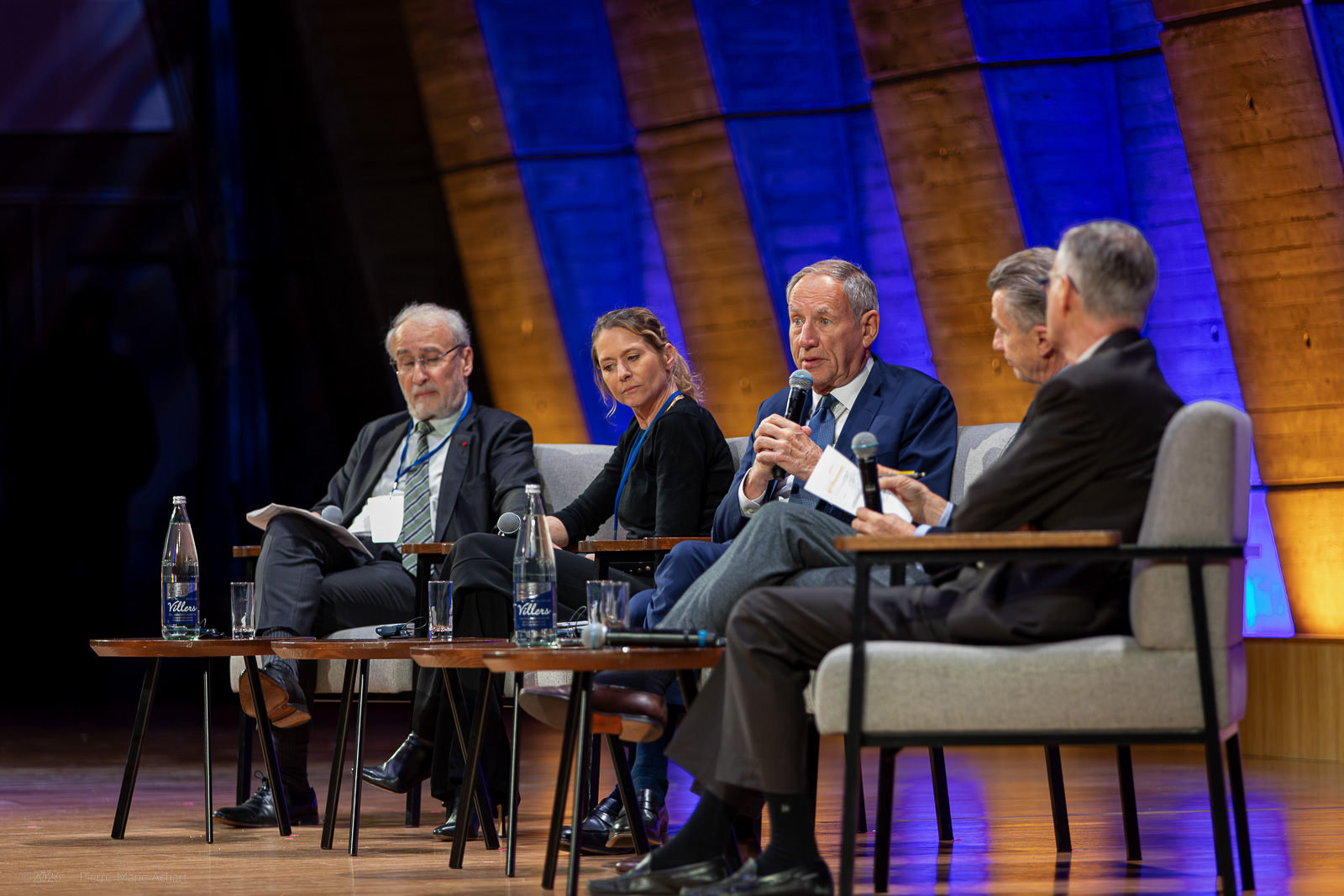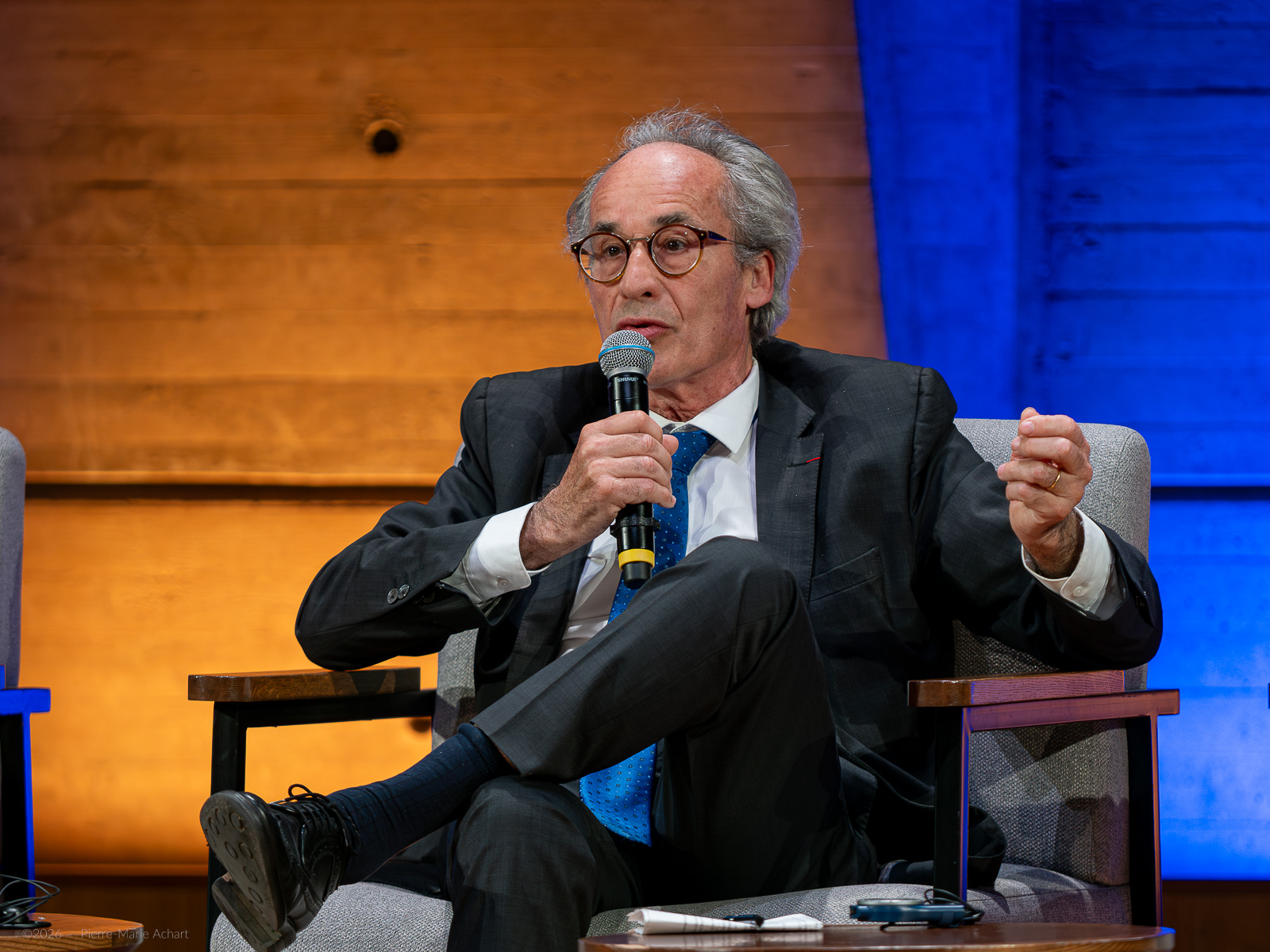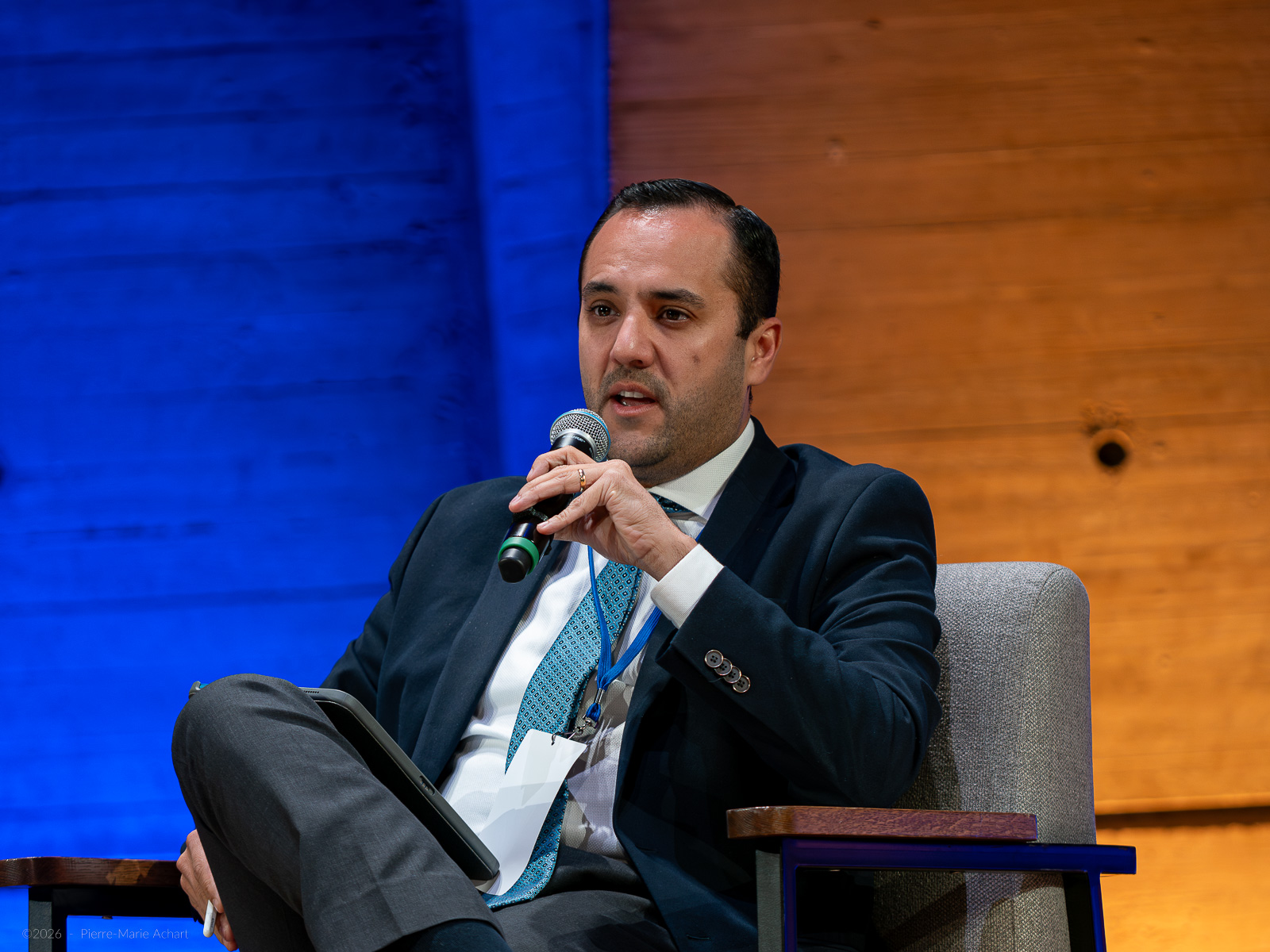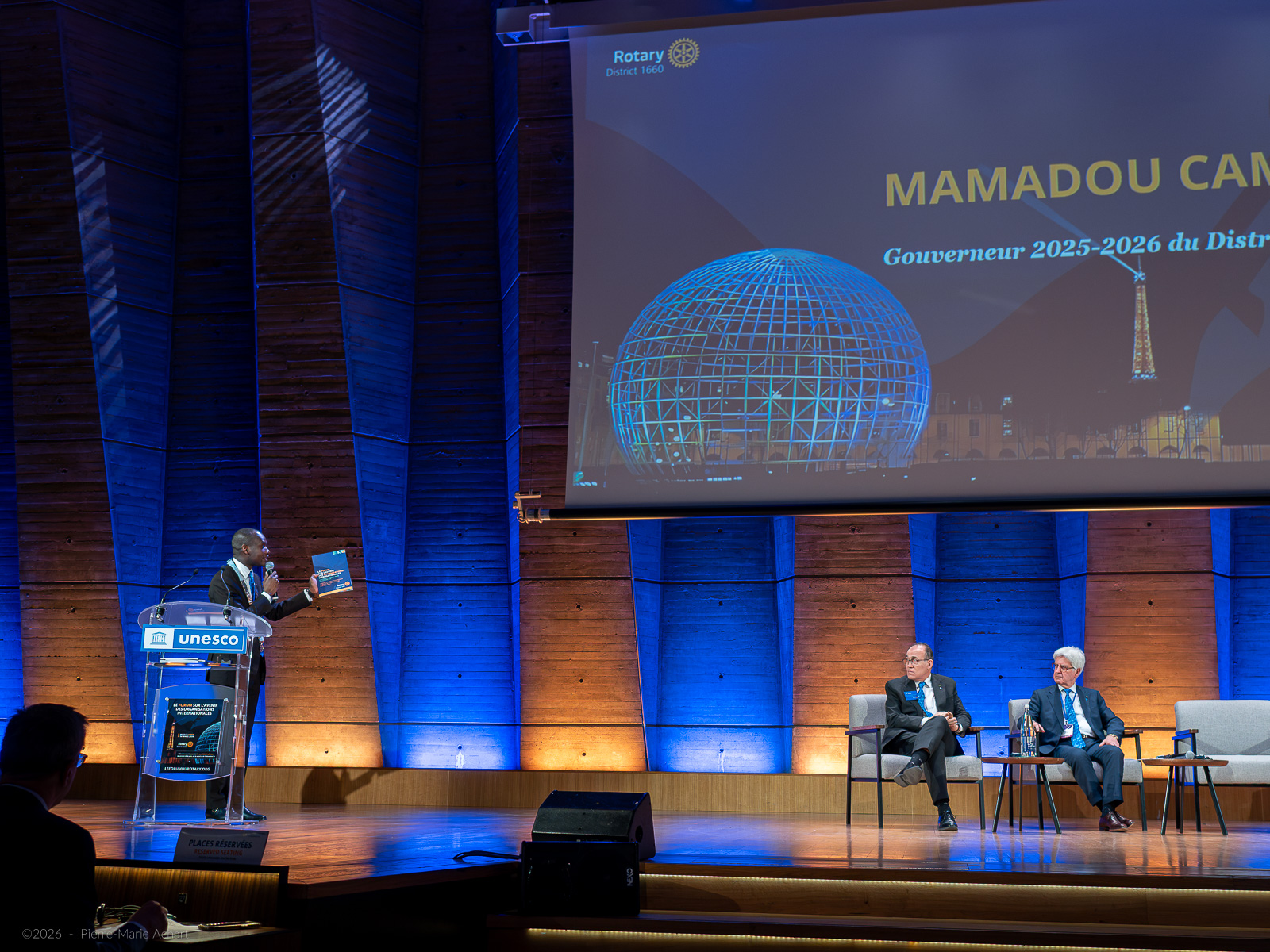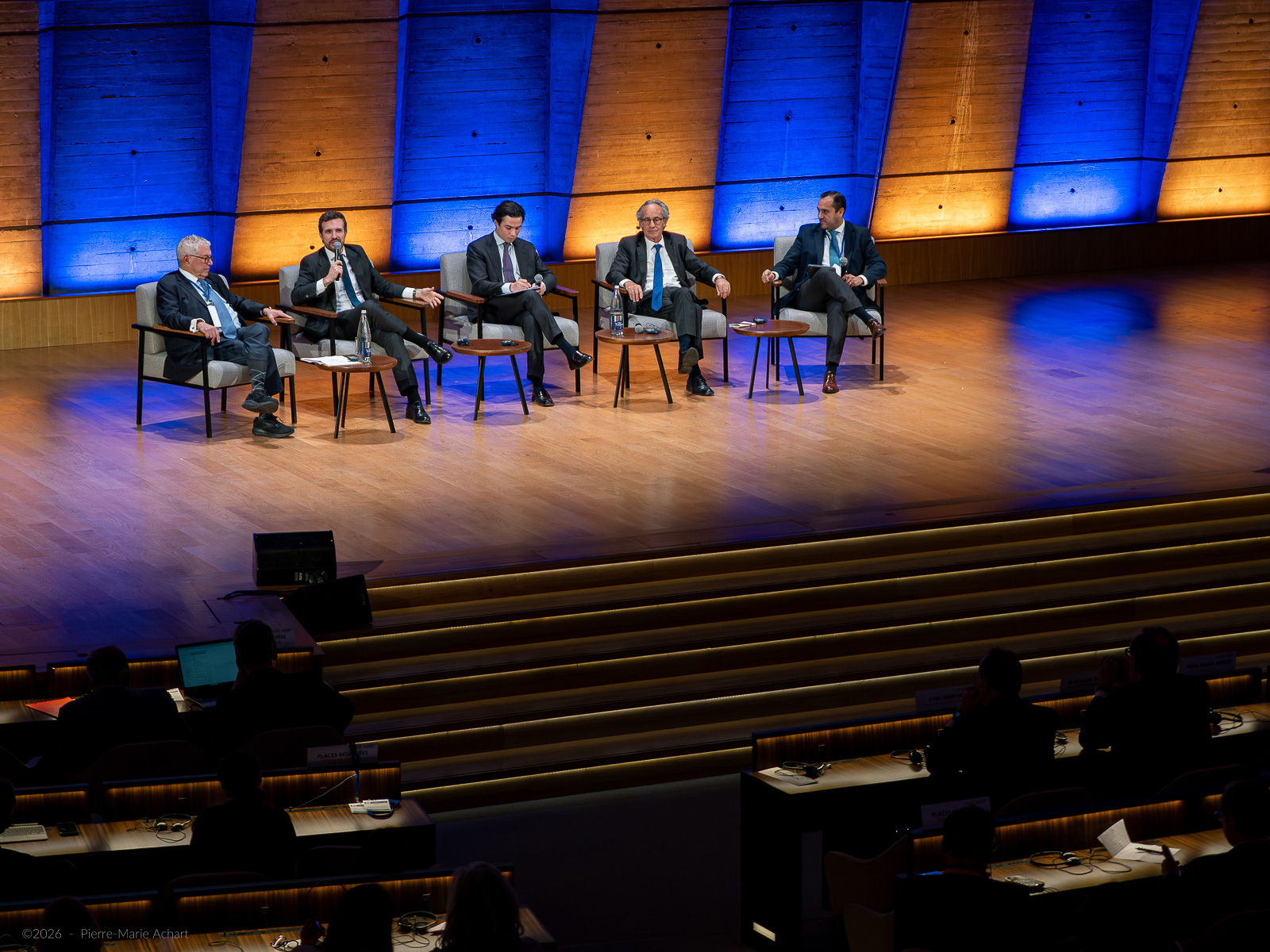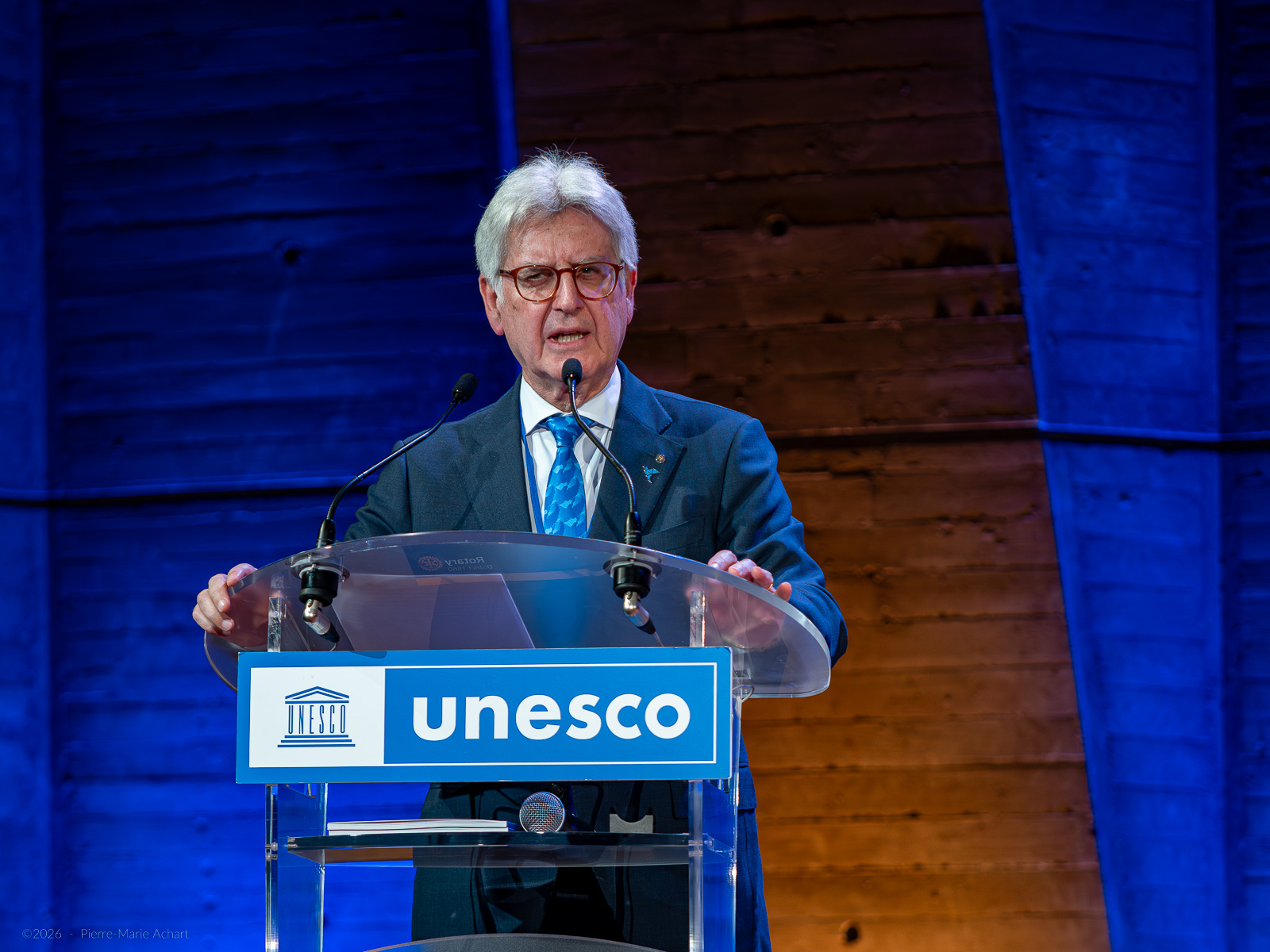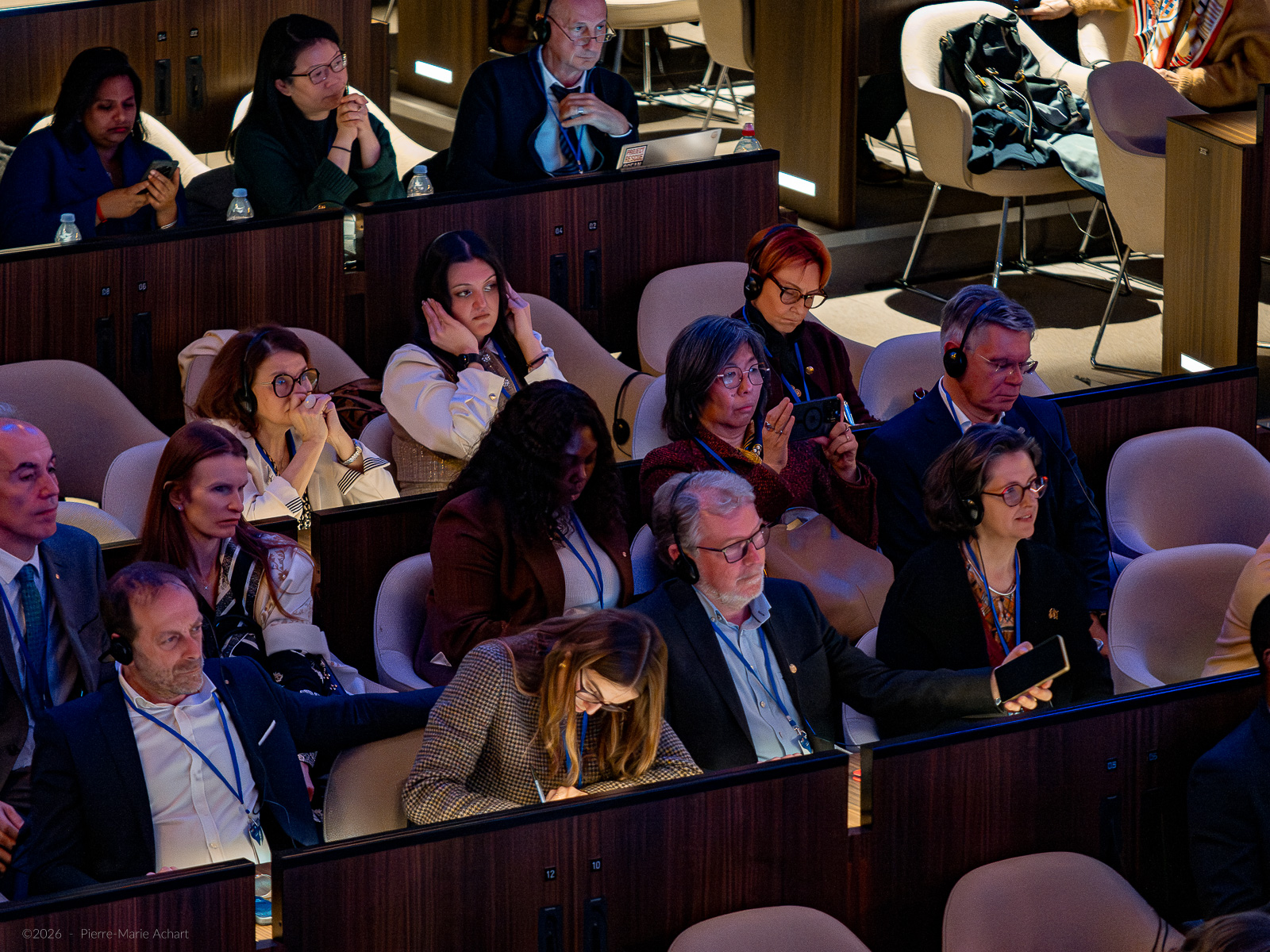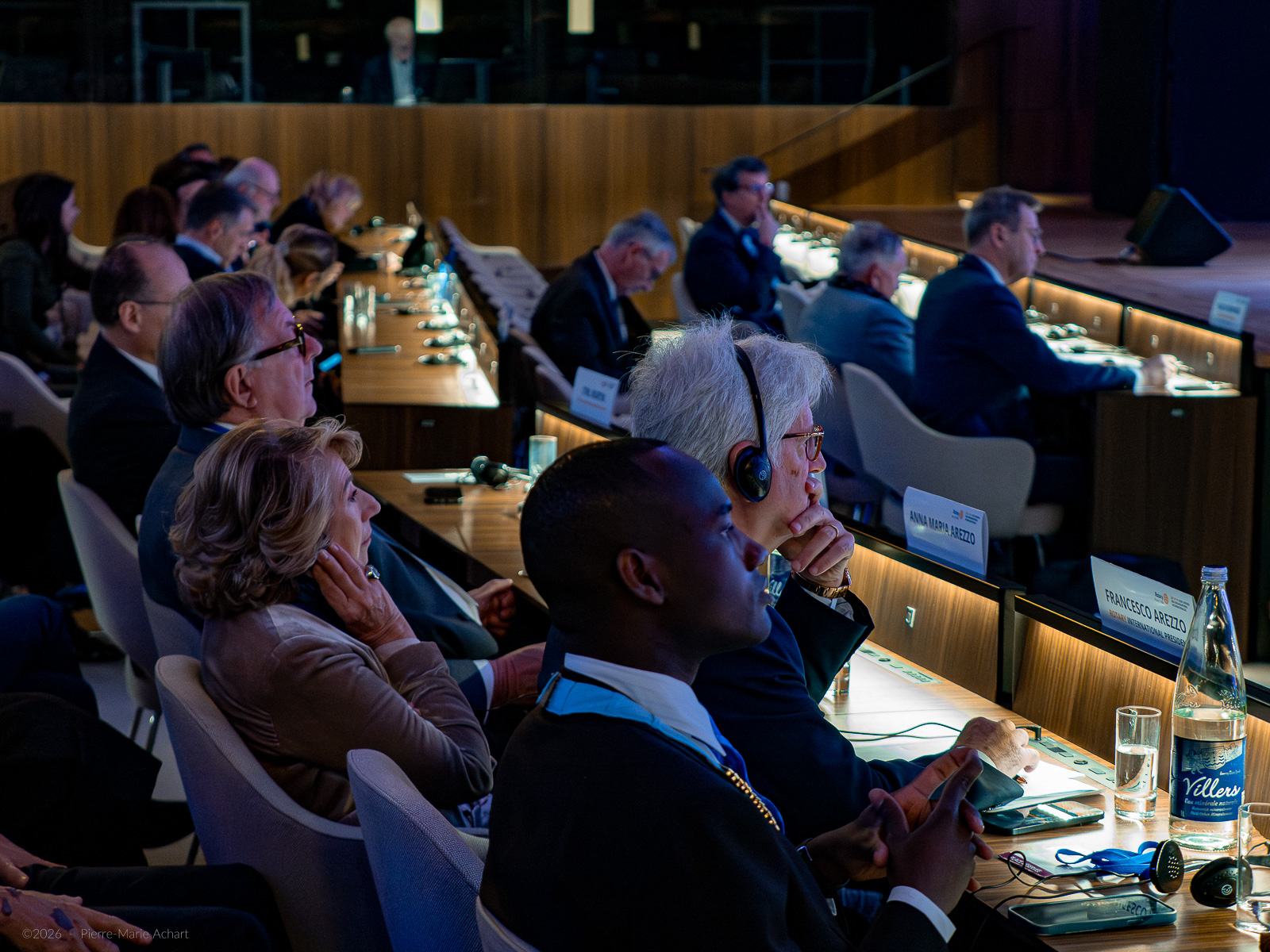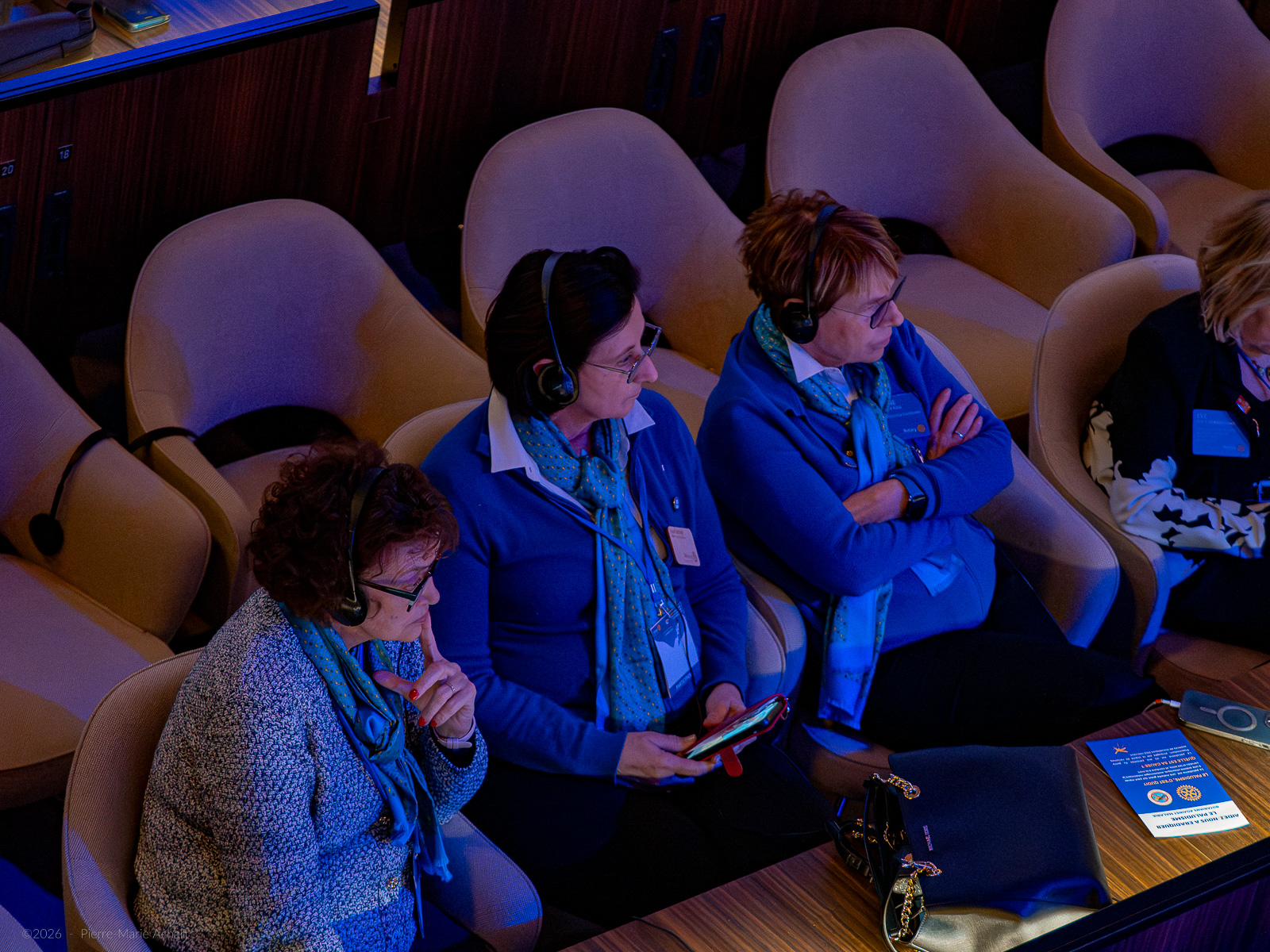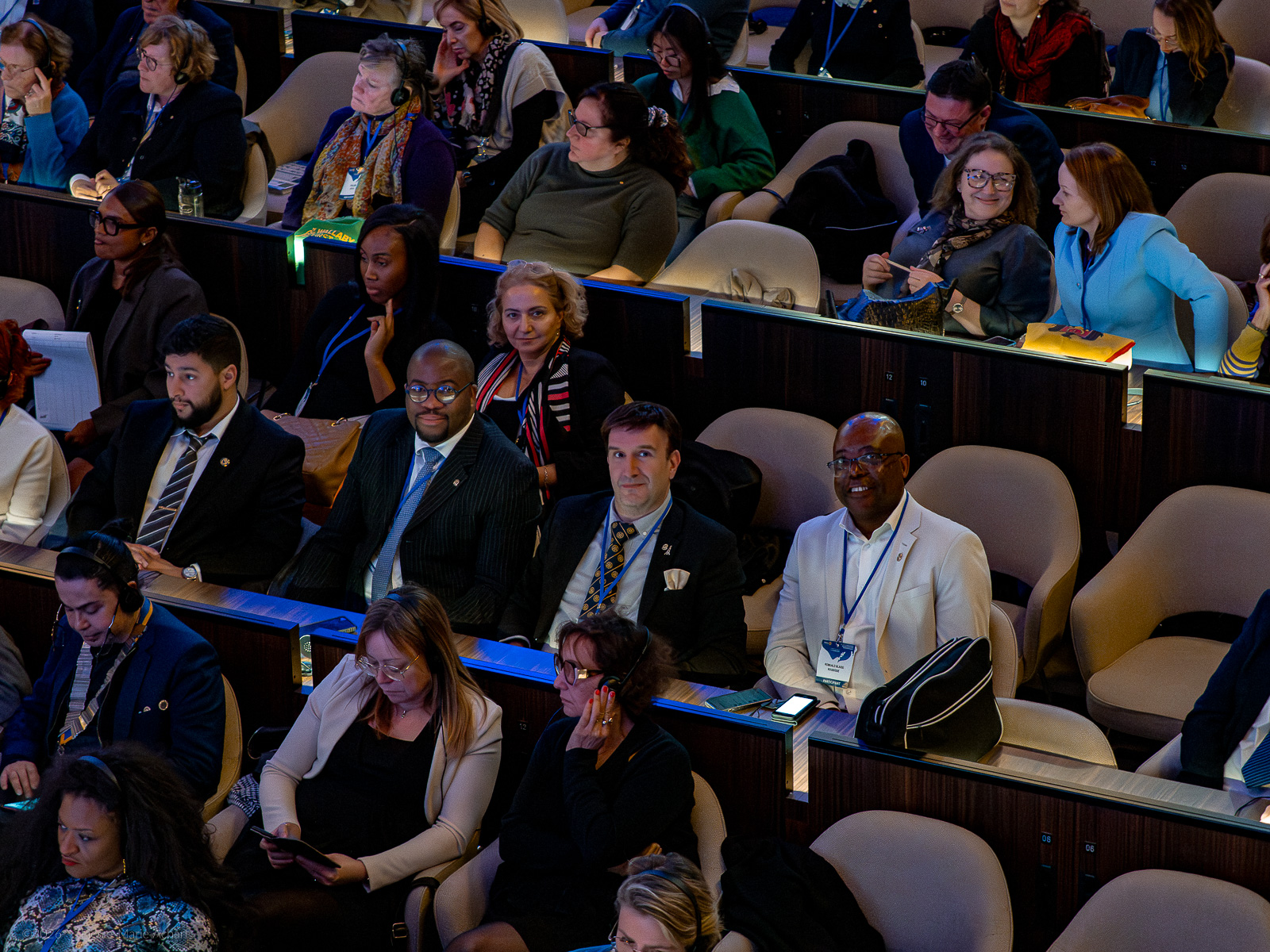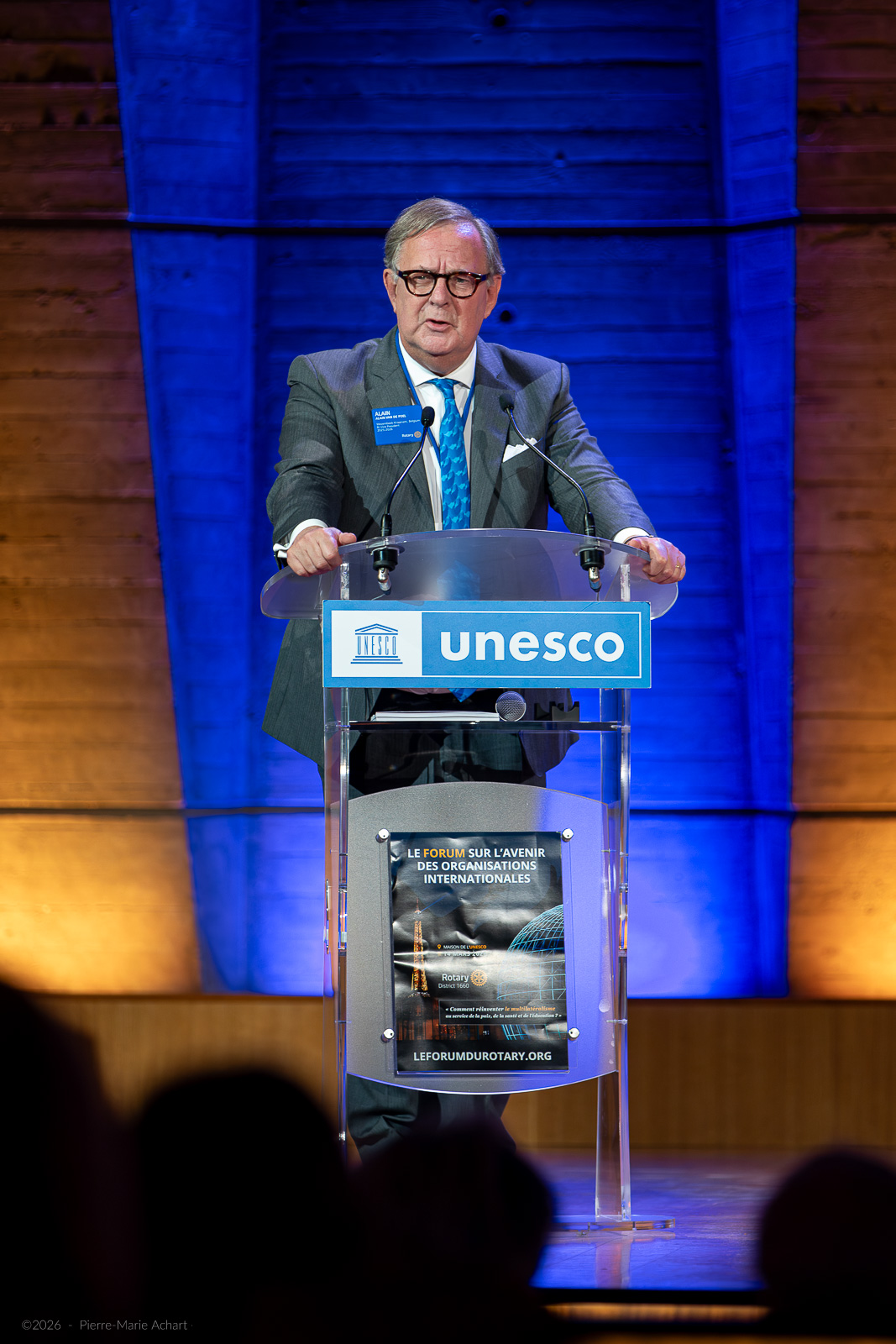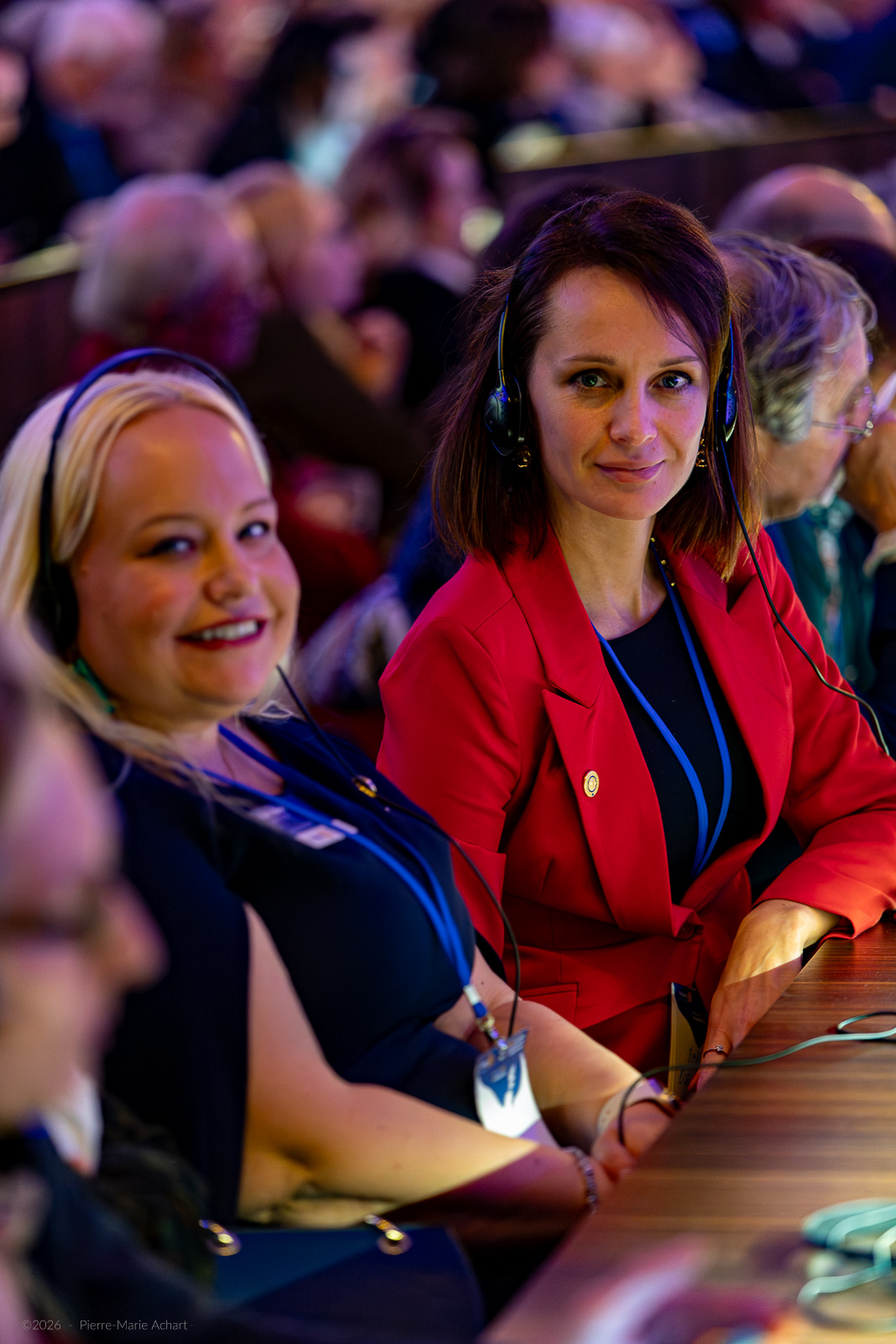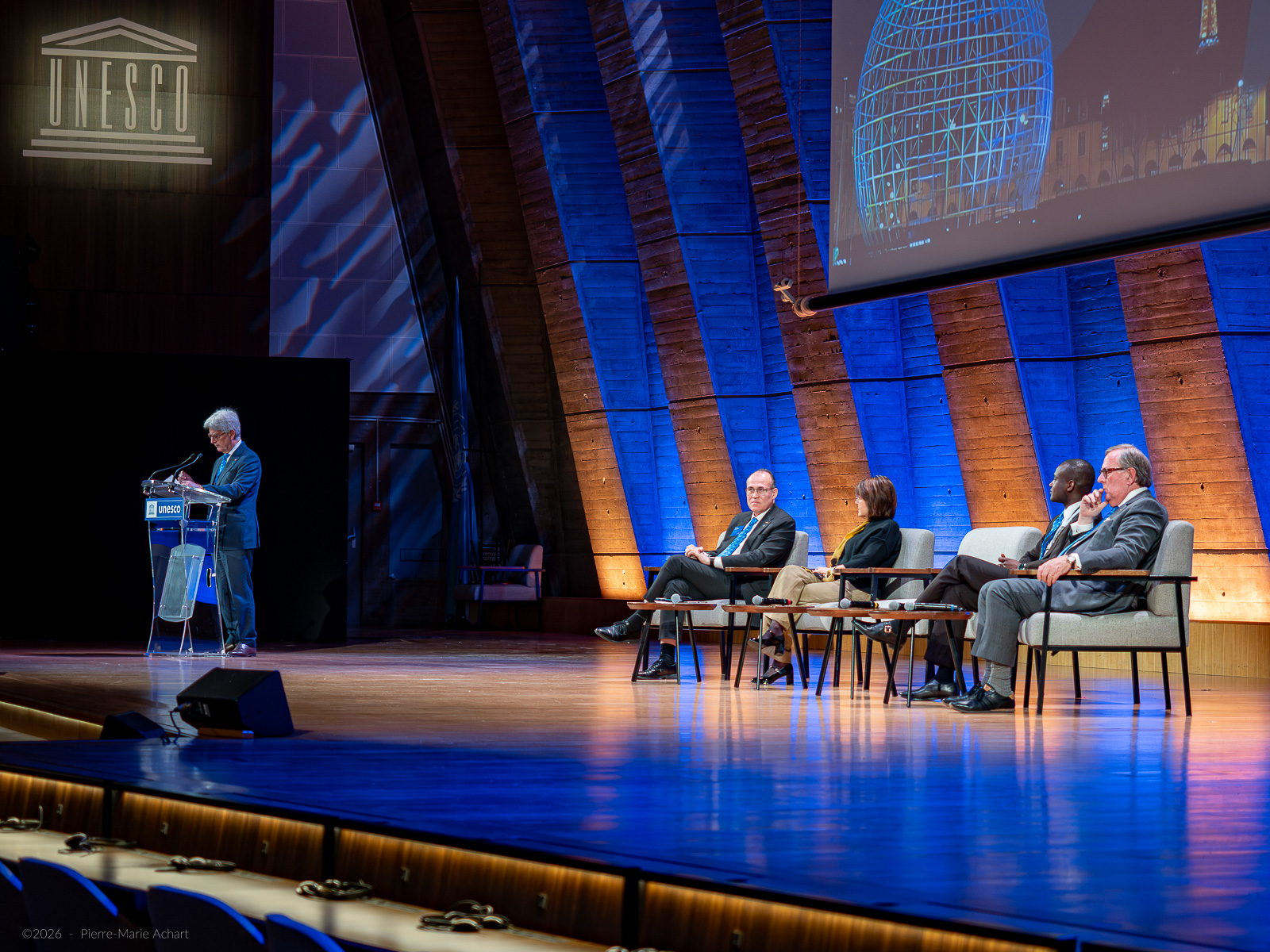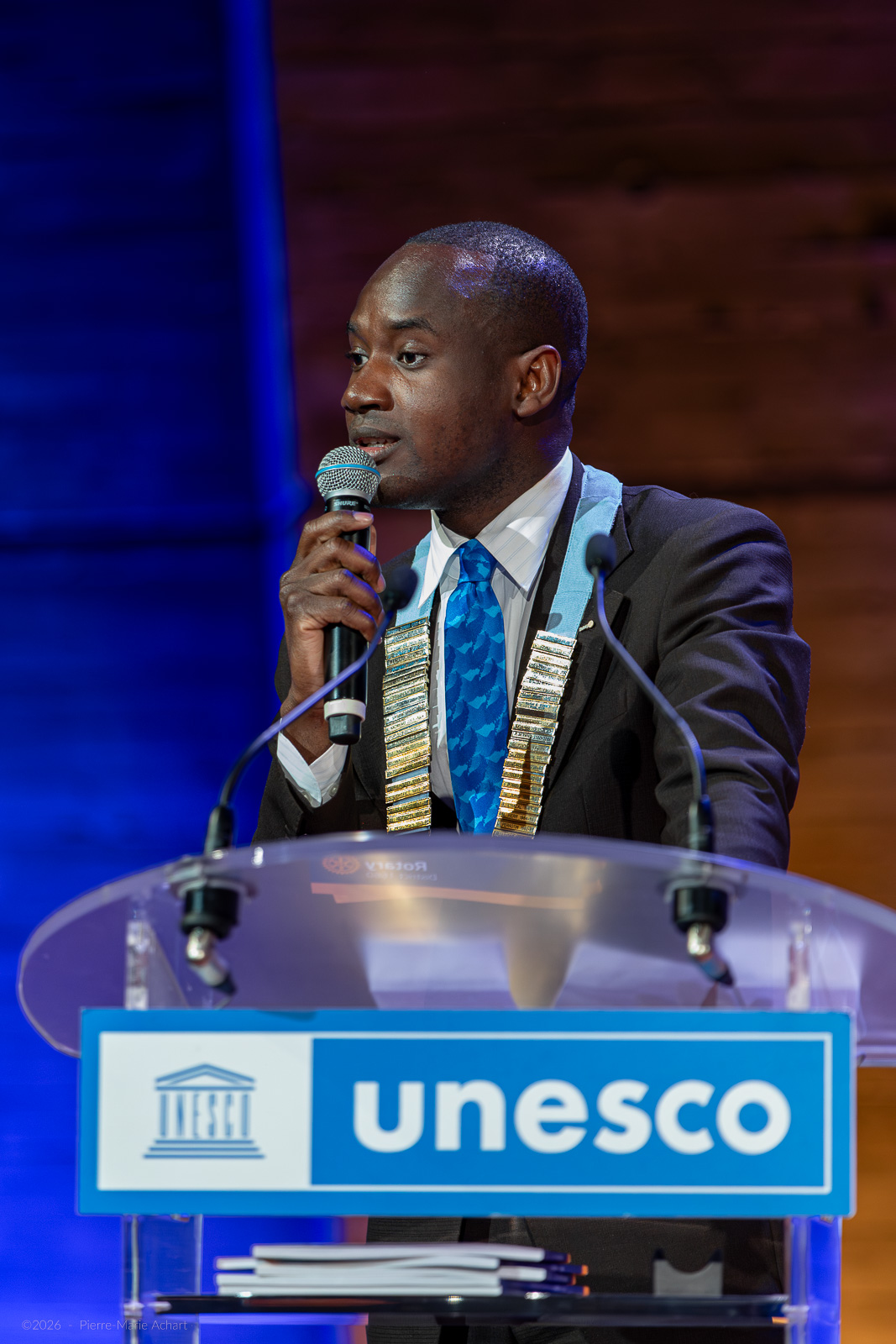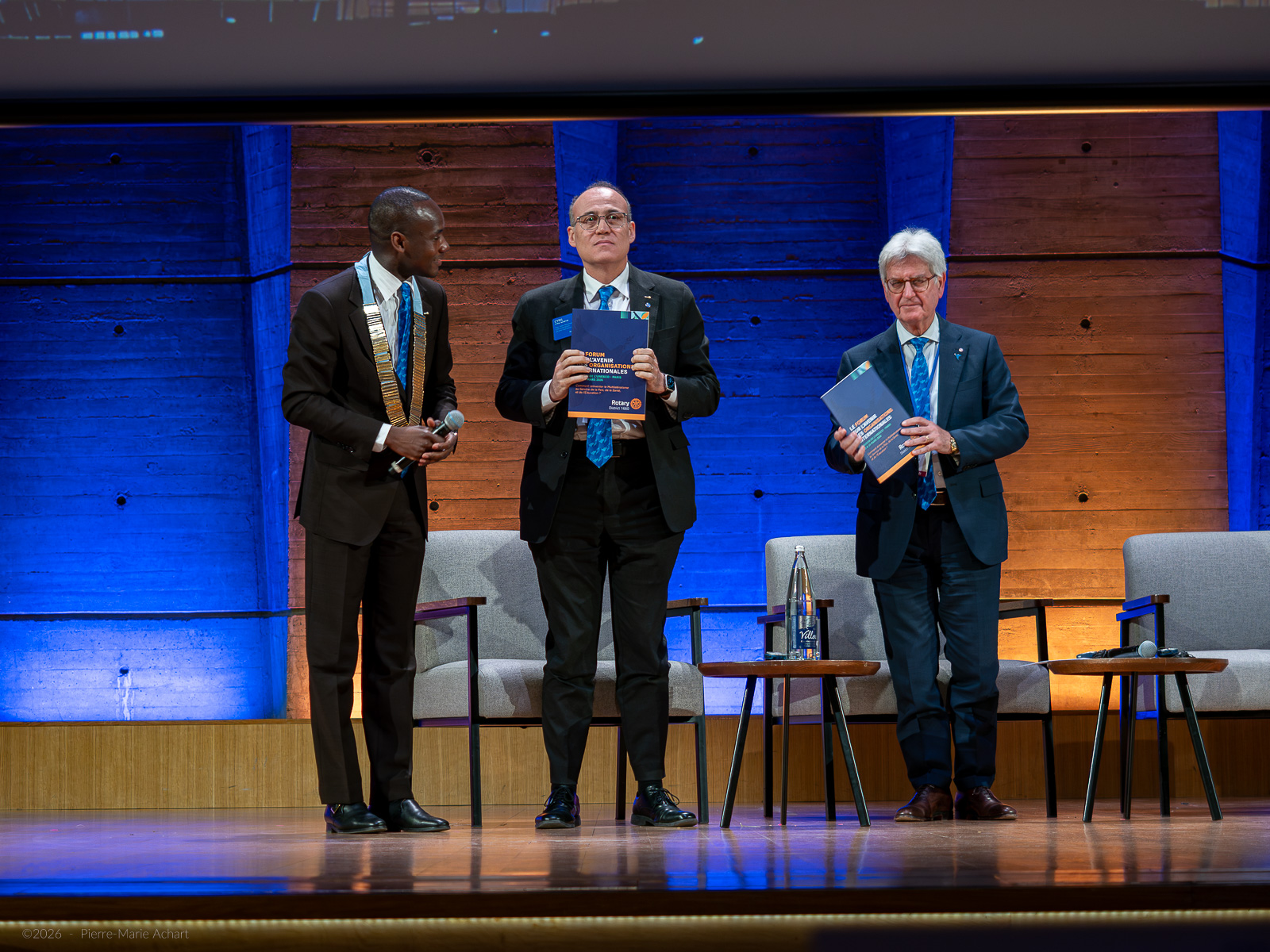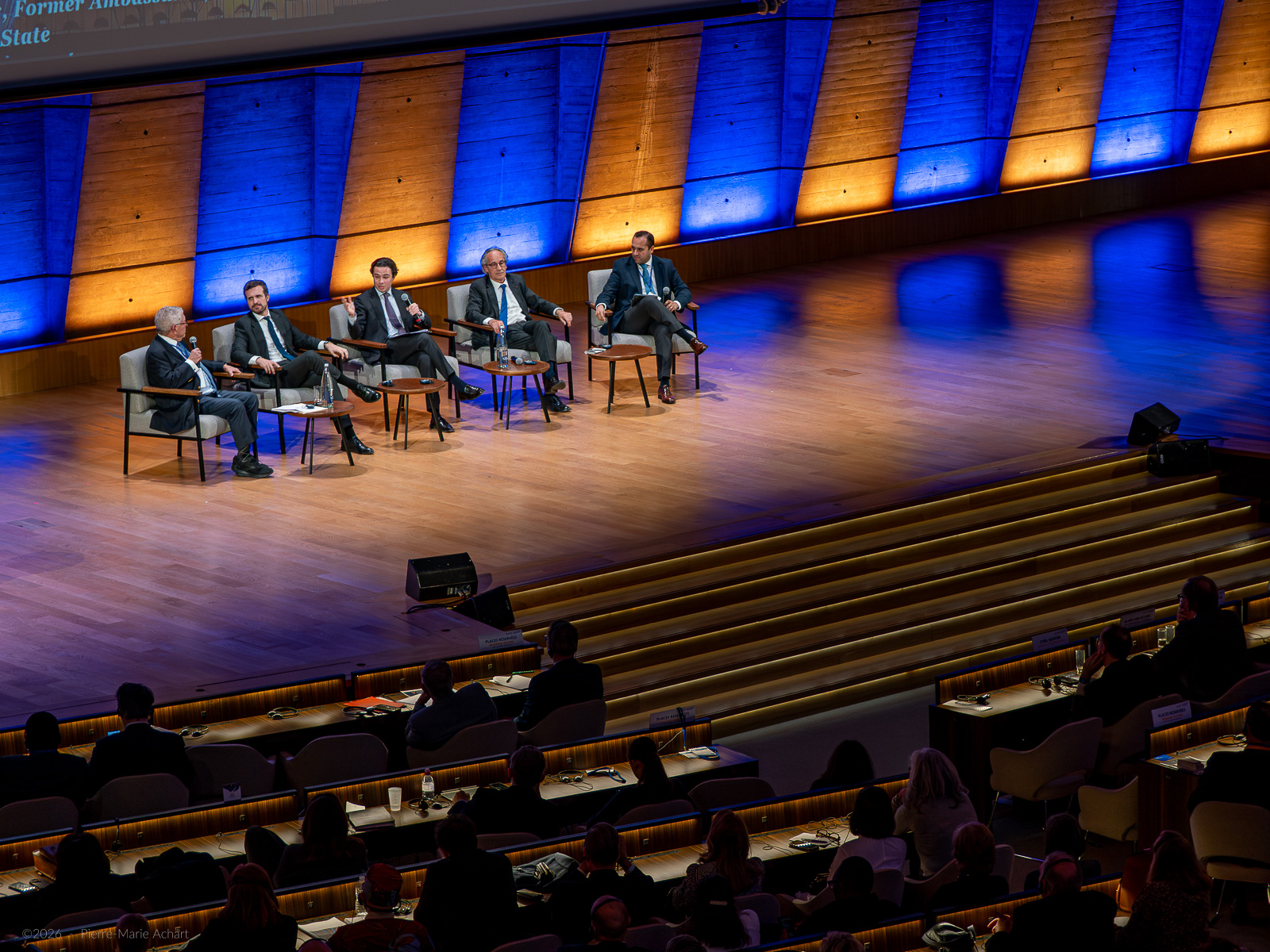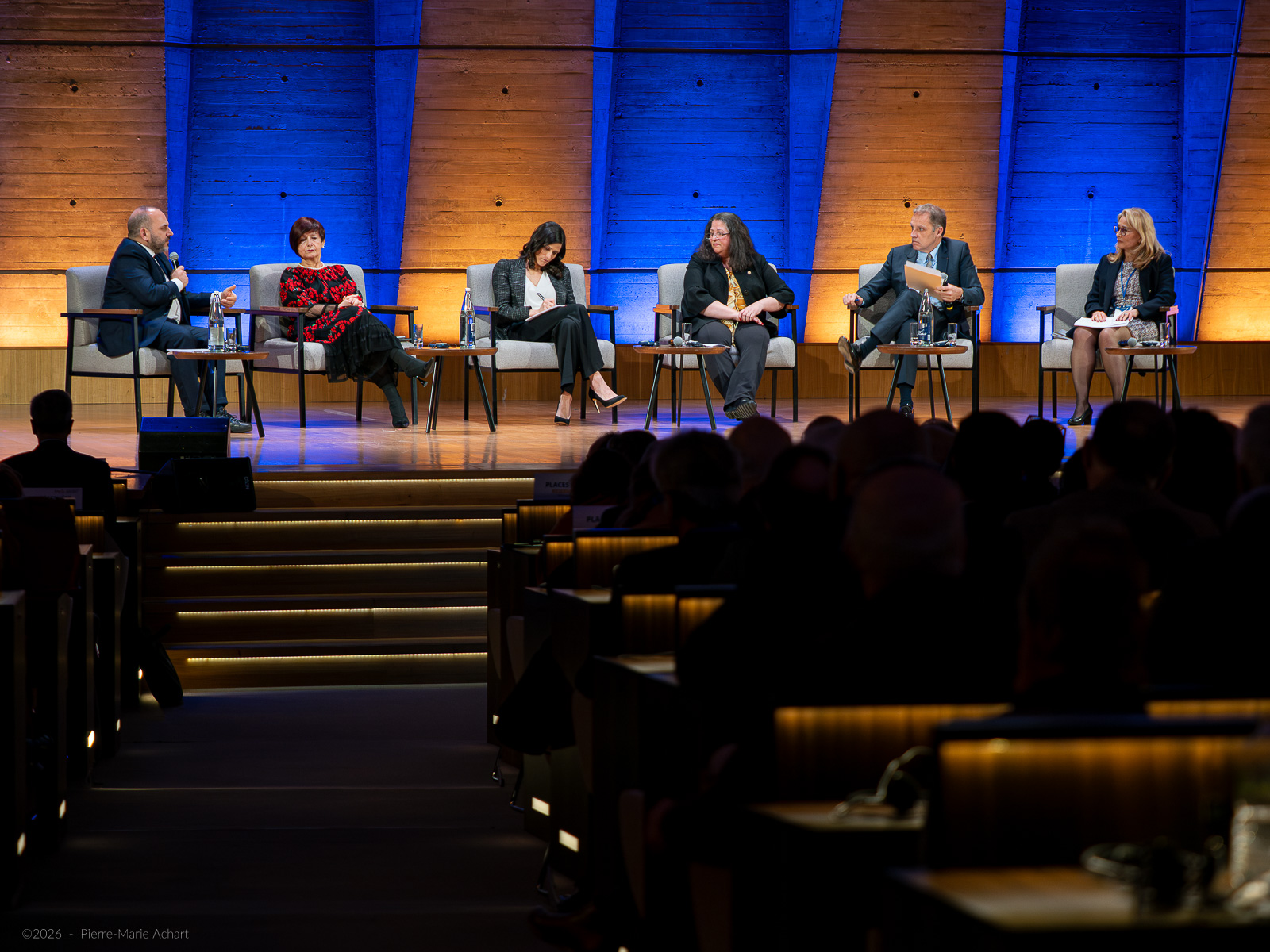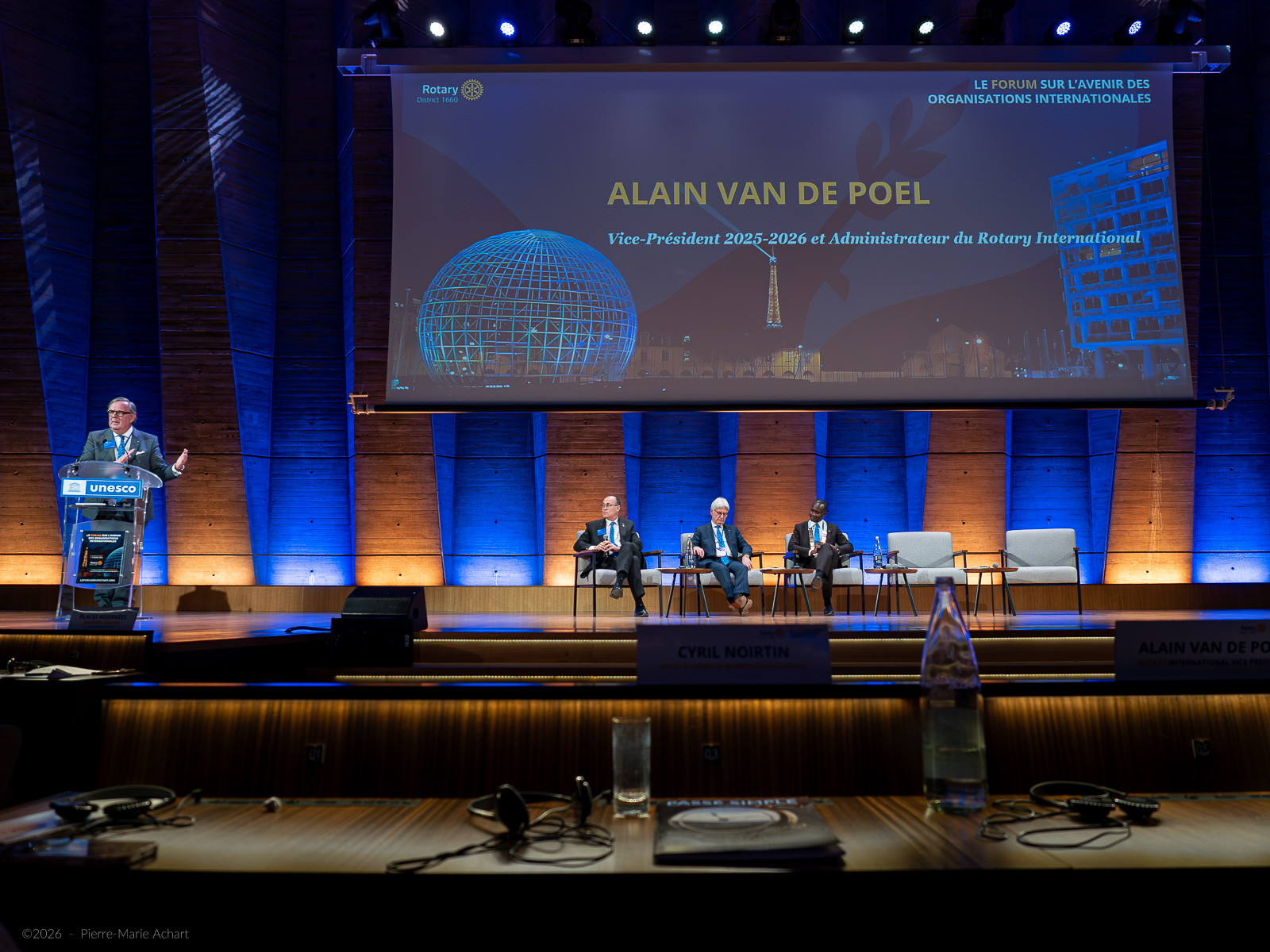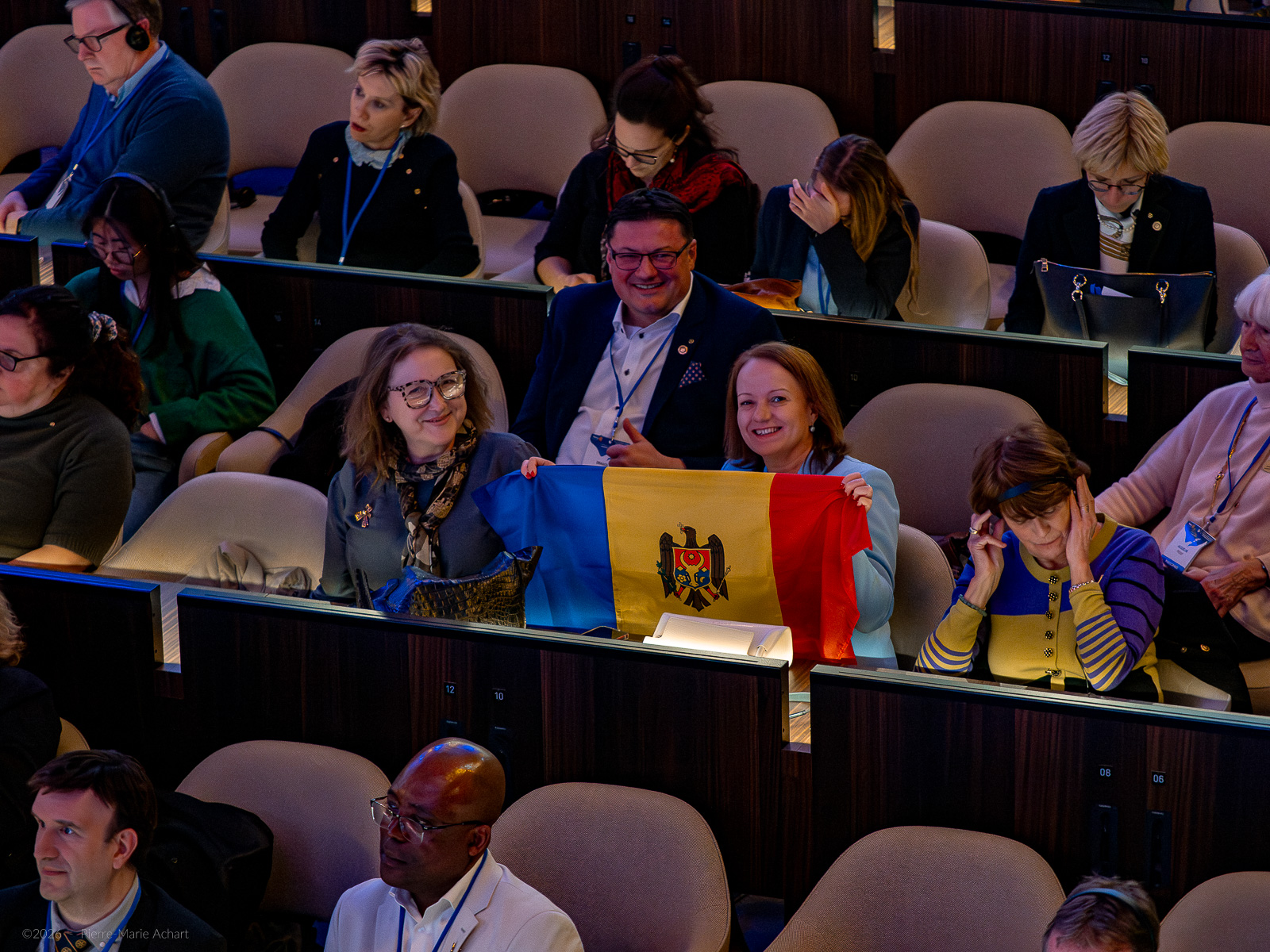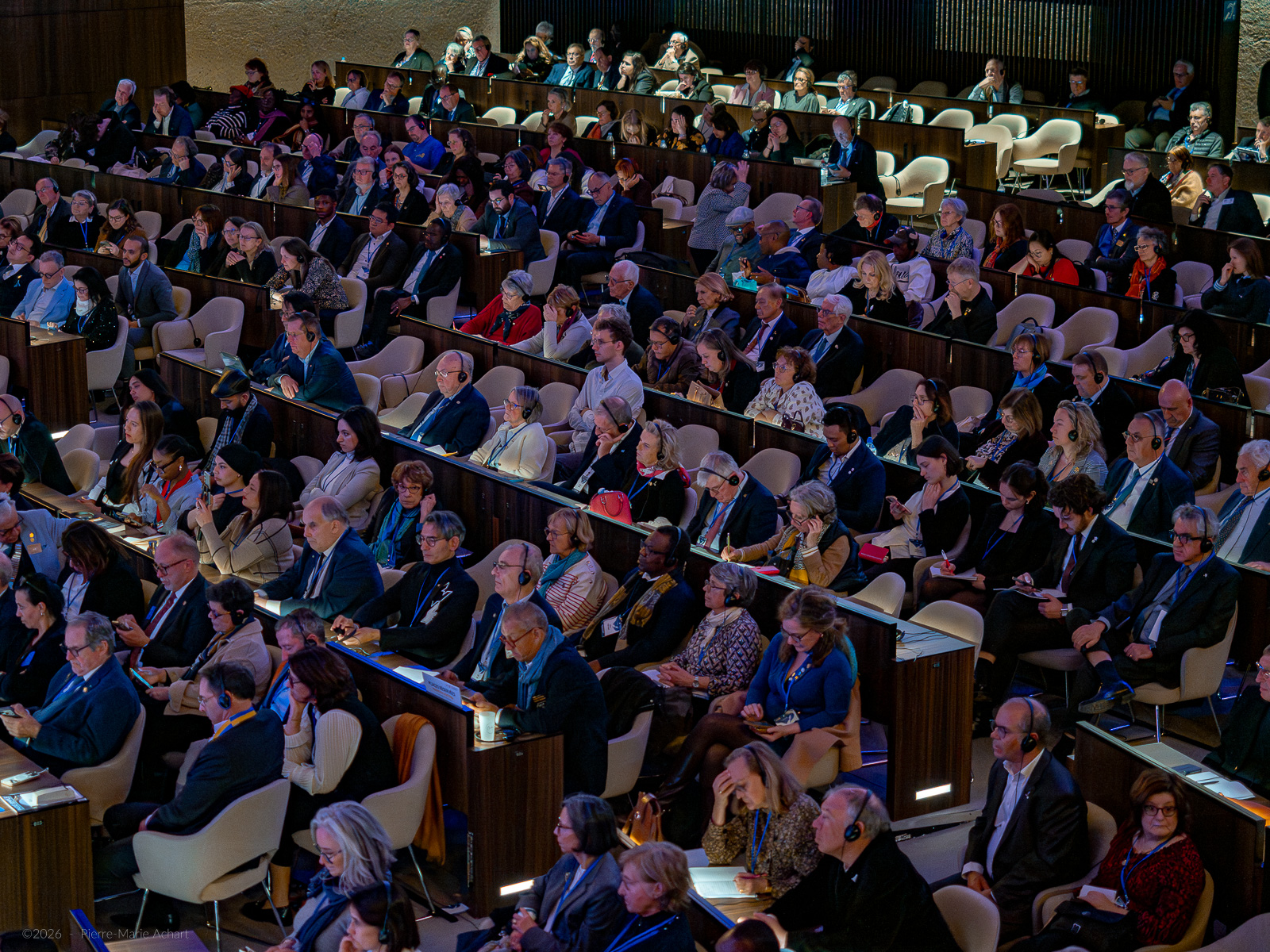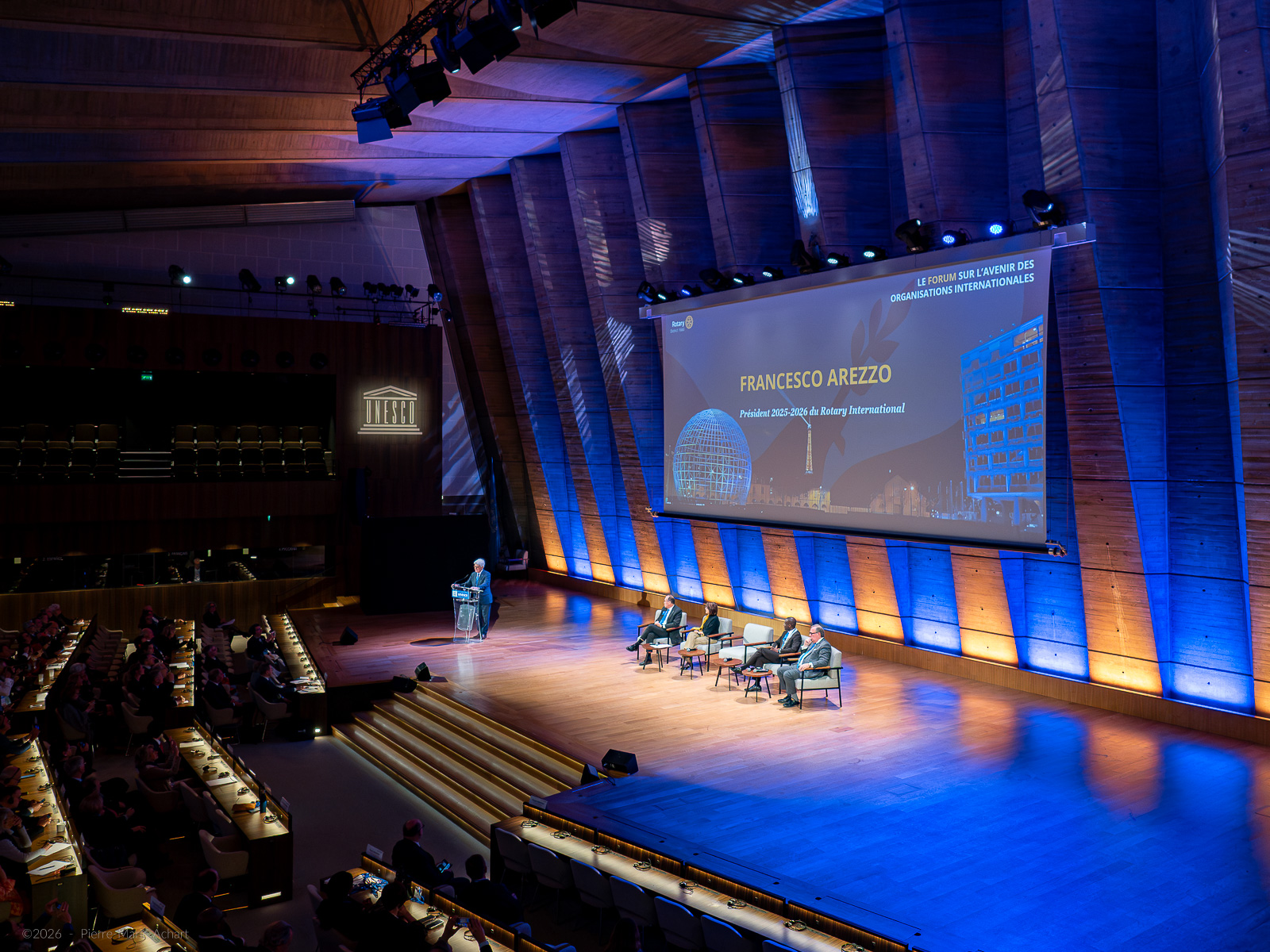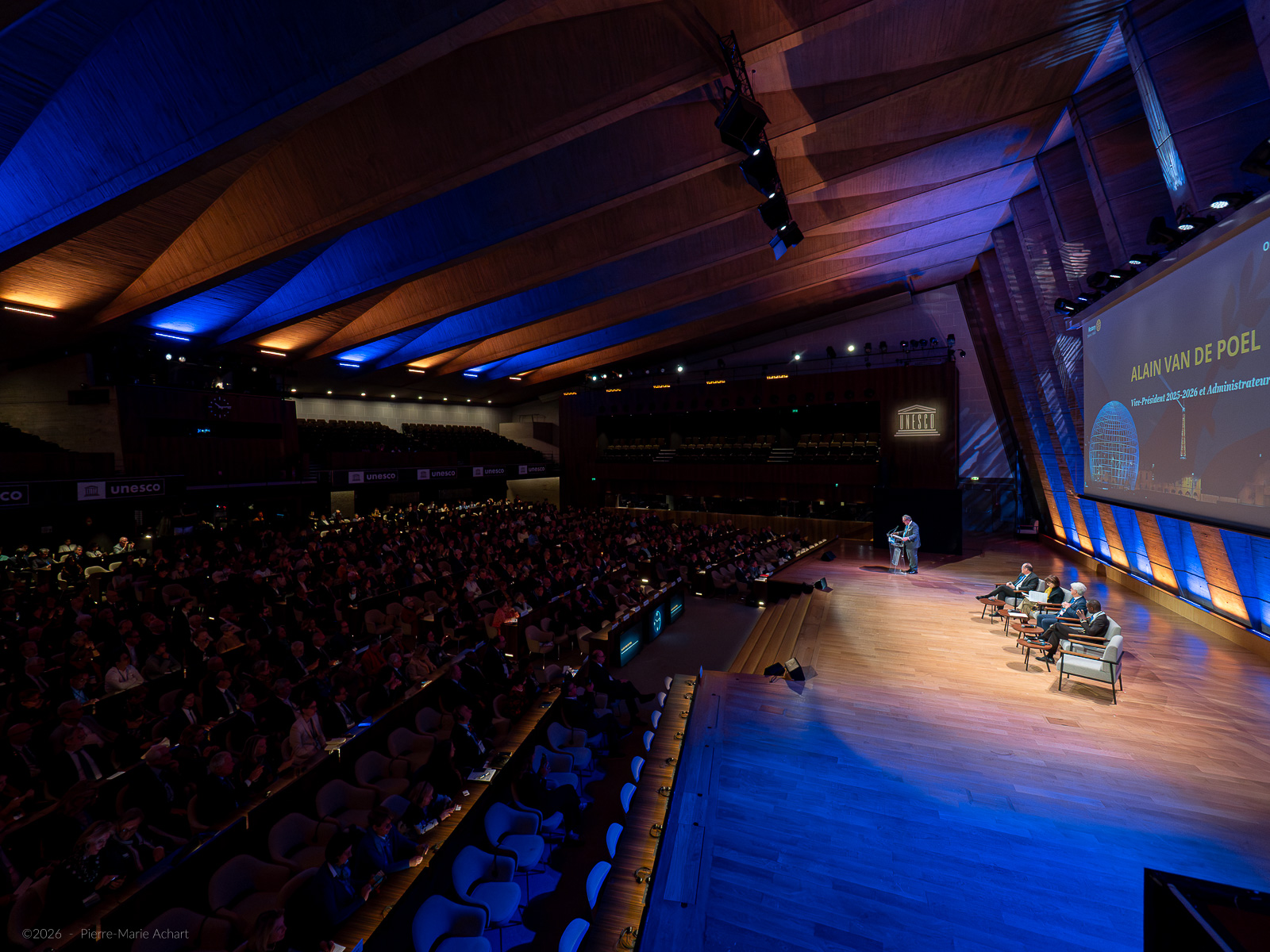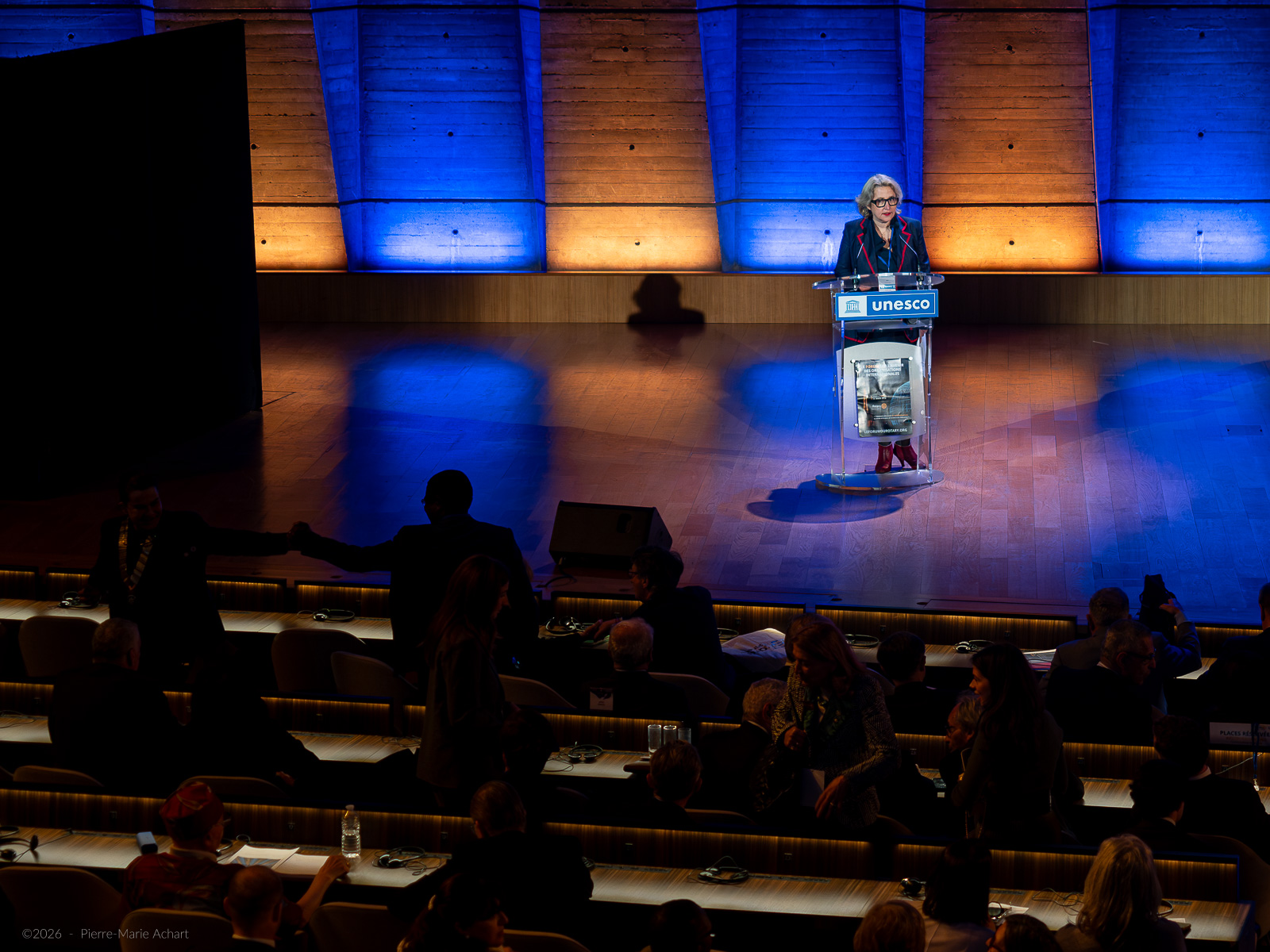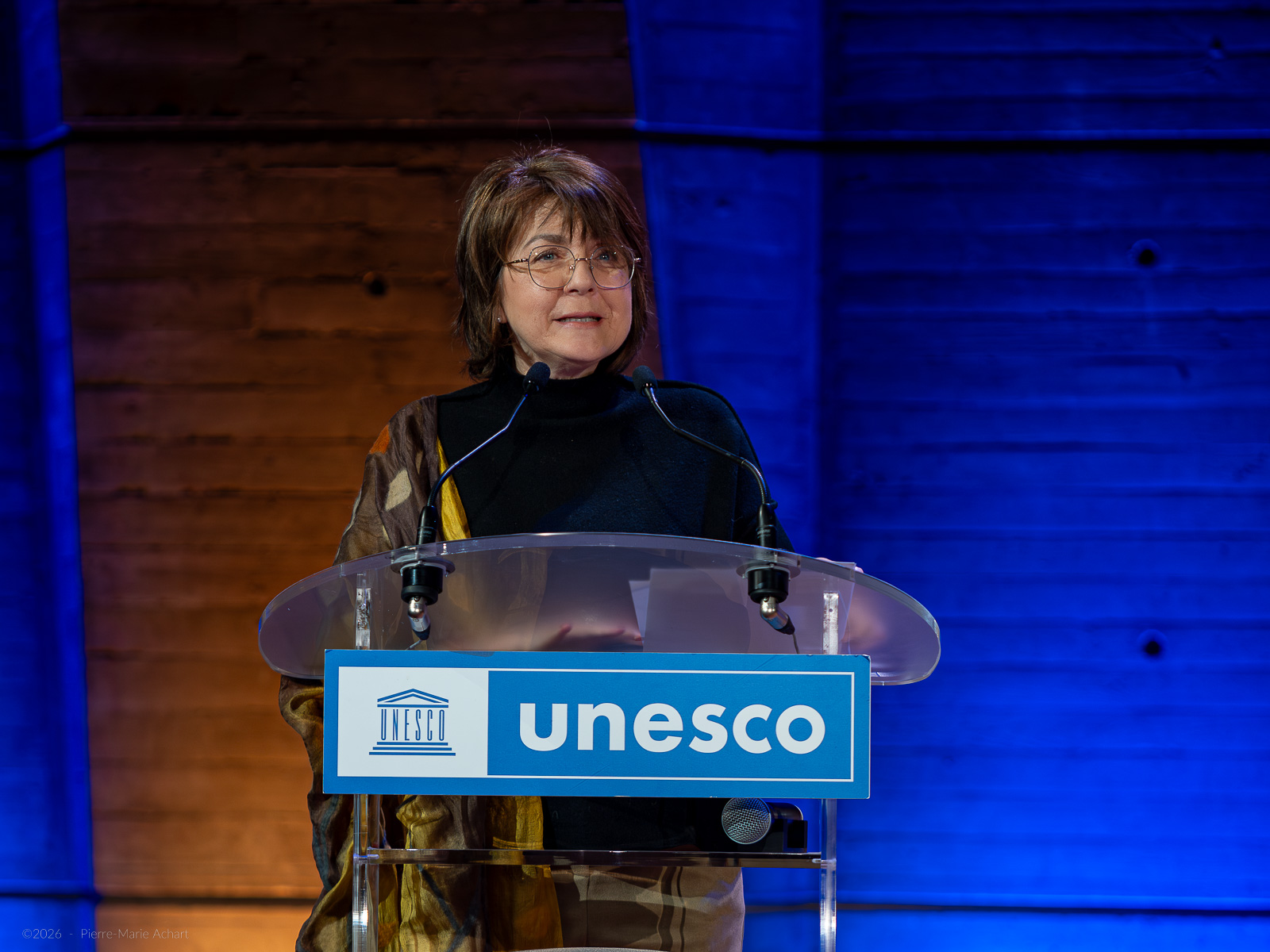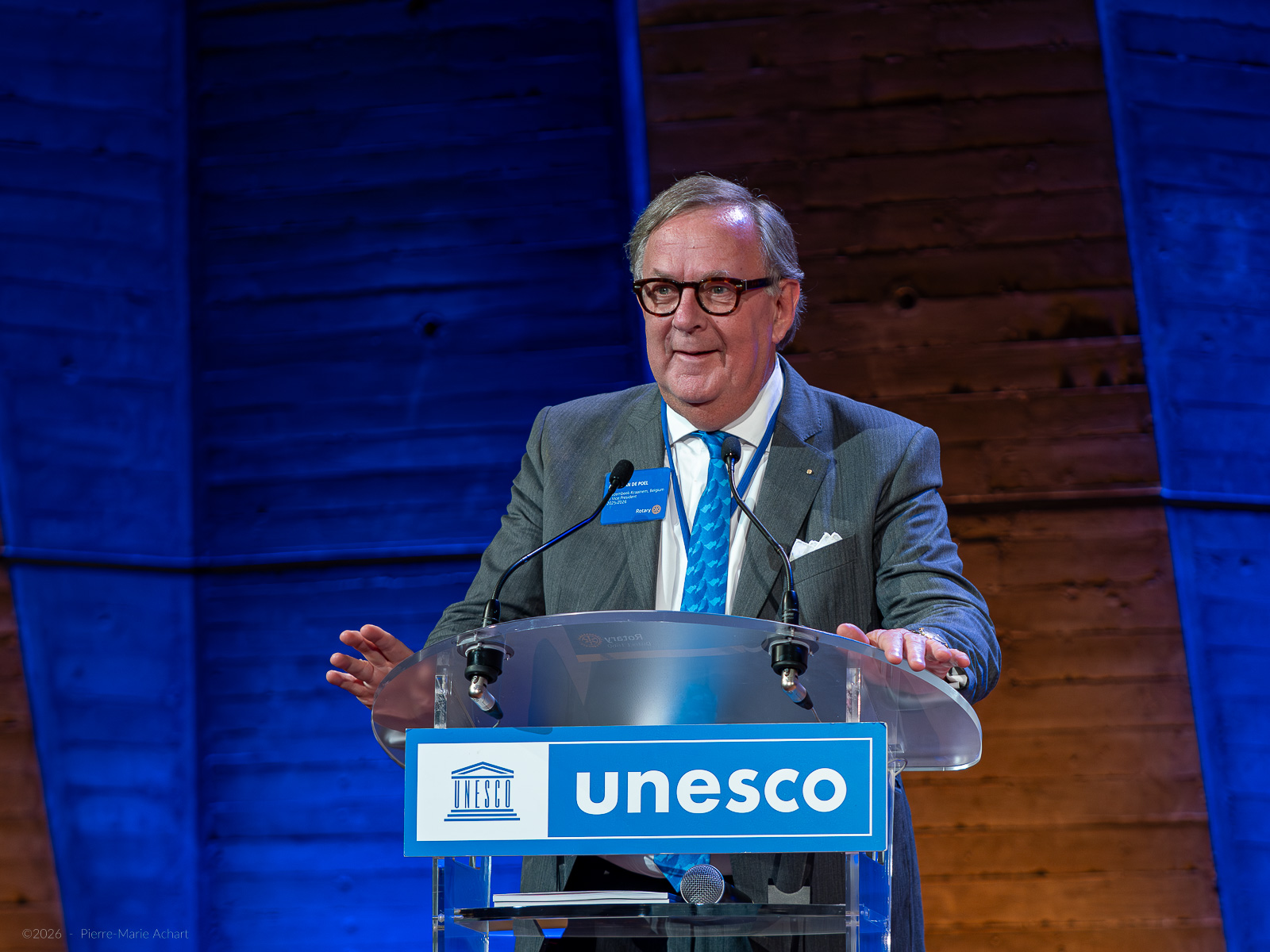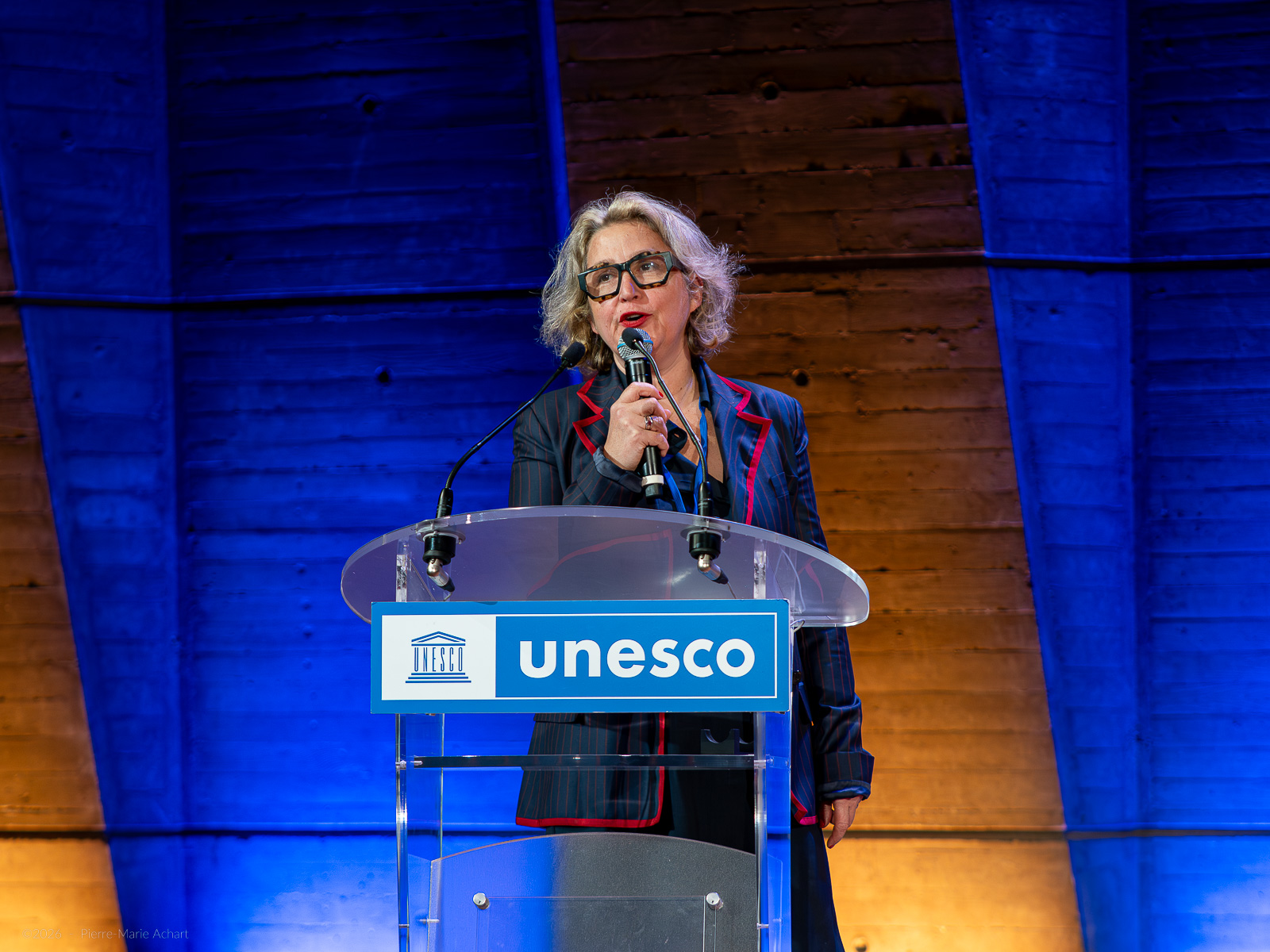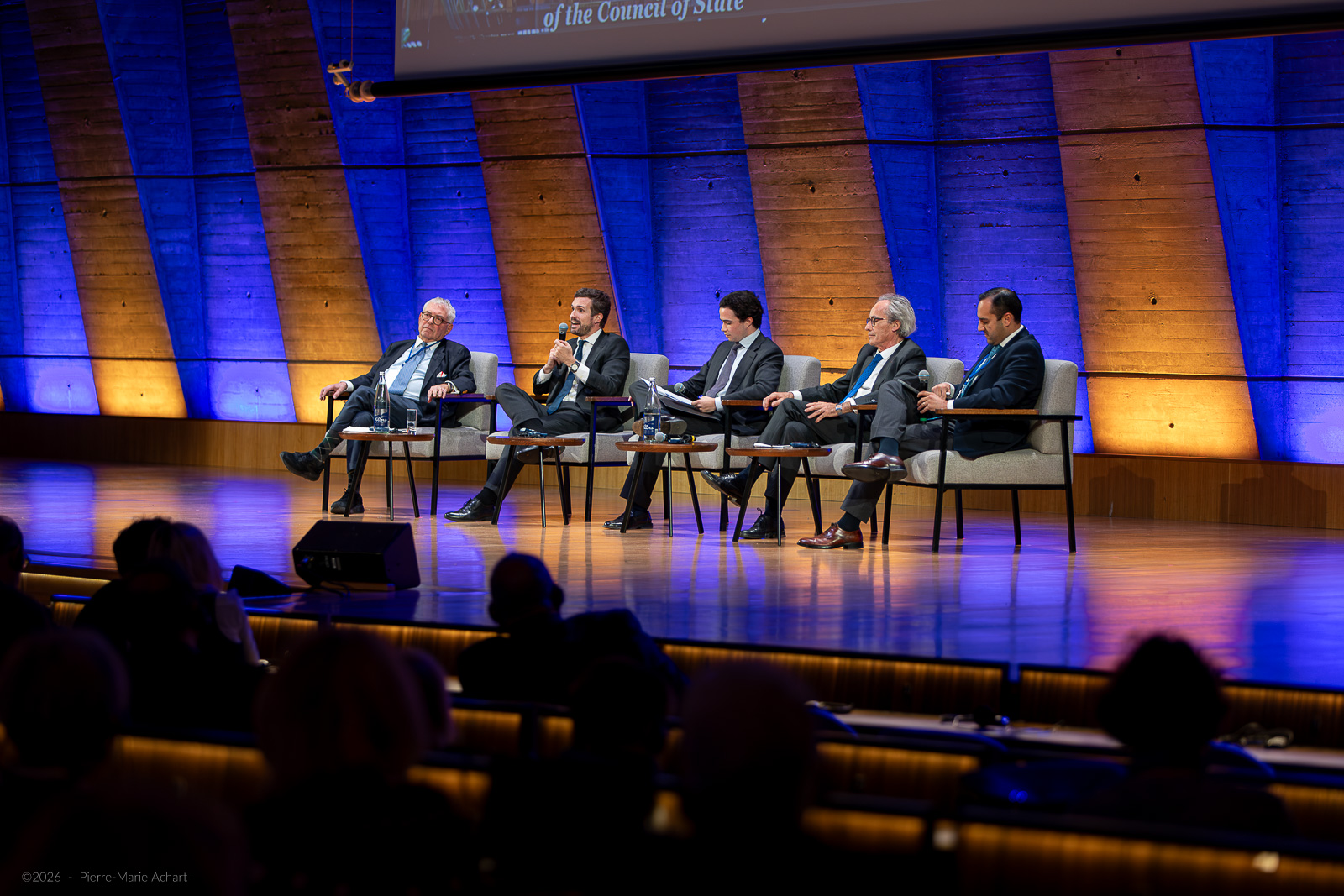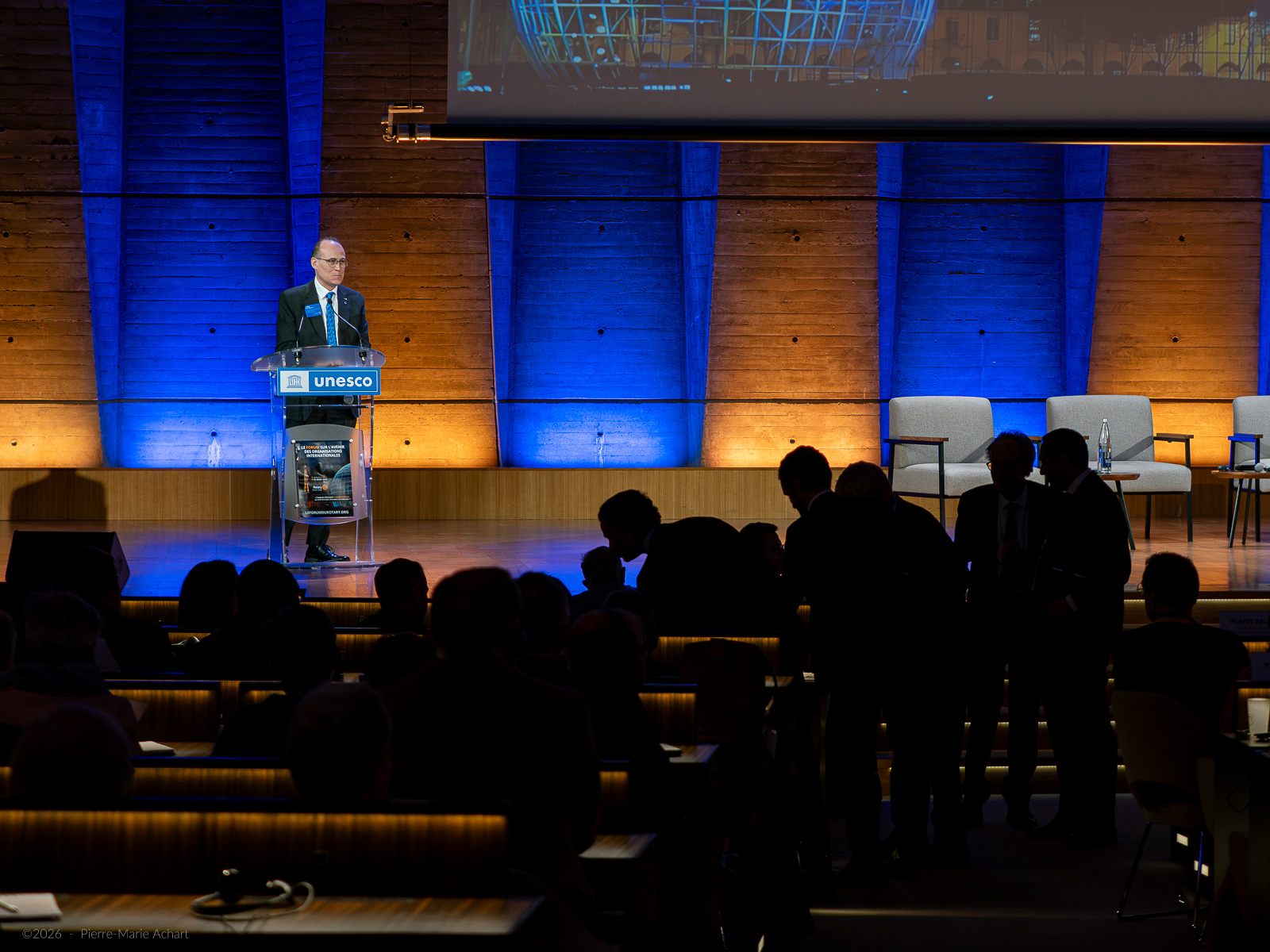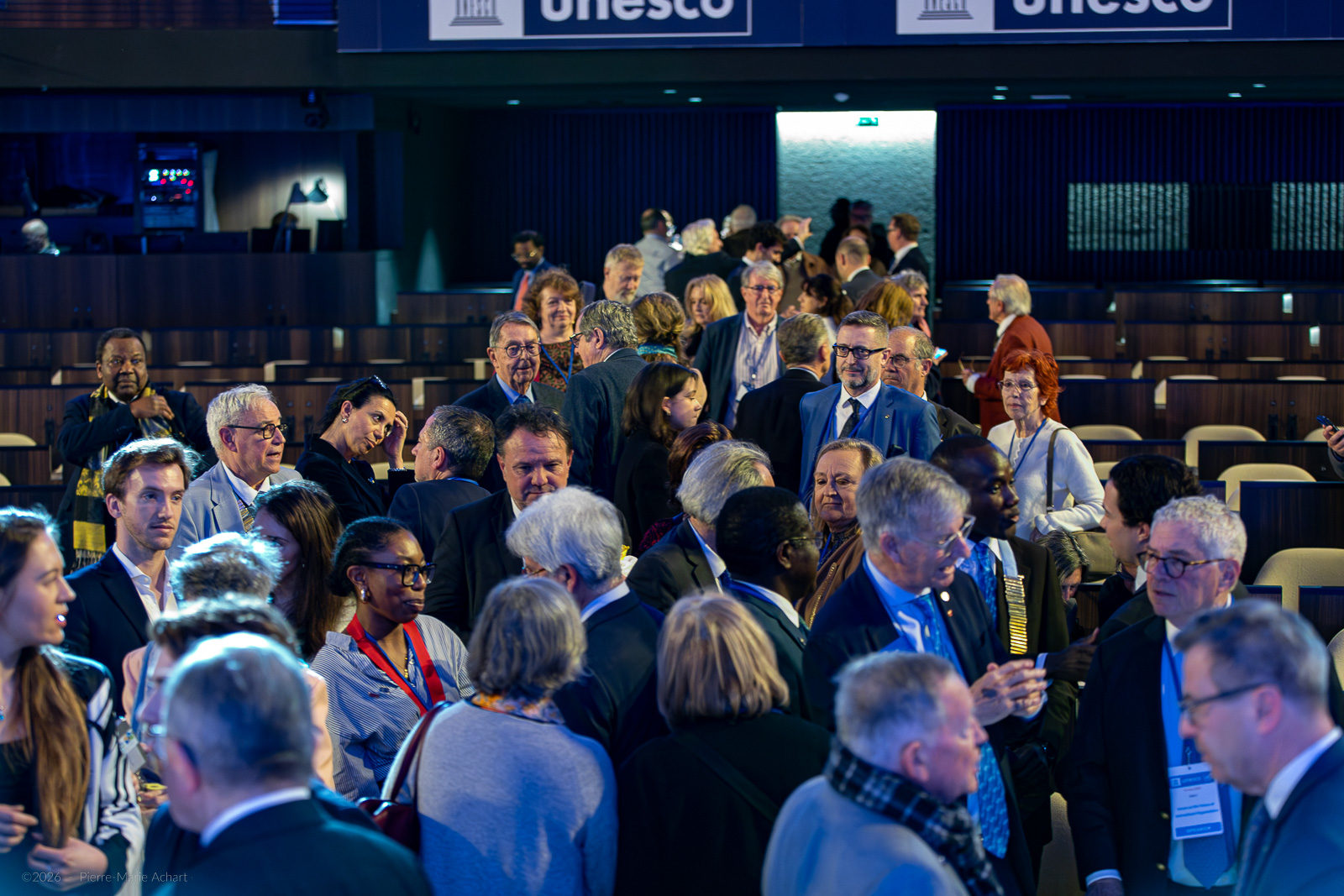
Paris, March 14, 2026 — Held at the iconic UNESCO House, the “Forum on the Future of International Organizations” offered more than a platform for dialogue; it delivered a carefully orchestrated program that reflected Rotary’s commitment to transforming ideas into action. Organized with the support of UNESCO and led by Rotary International District 1660, the forum brought structure, depth, and a clear sense of purpose to discussions on the future of multilateralism.
The day began with a high-level opening session that set the tone for what would follow—an emphasis on collaboration, inclusivity, and the indispensable role of civil society in global governance. In this context, Rotary’s historical contribution to the creation and evolution of international institutions was revisited, not as a matter of legacy alone, but as a foundation for renewed engagement in addressing today’s complex challenges.
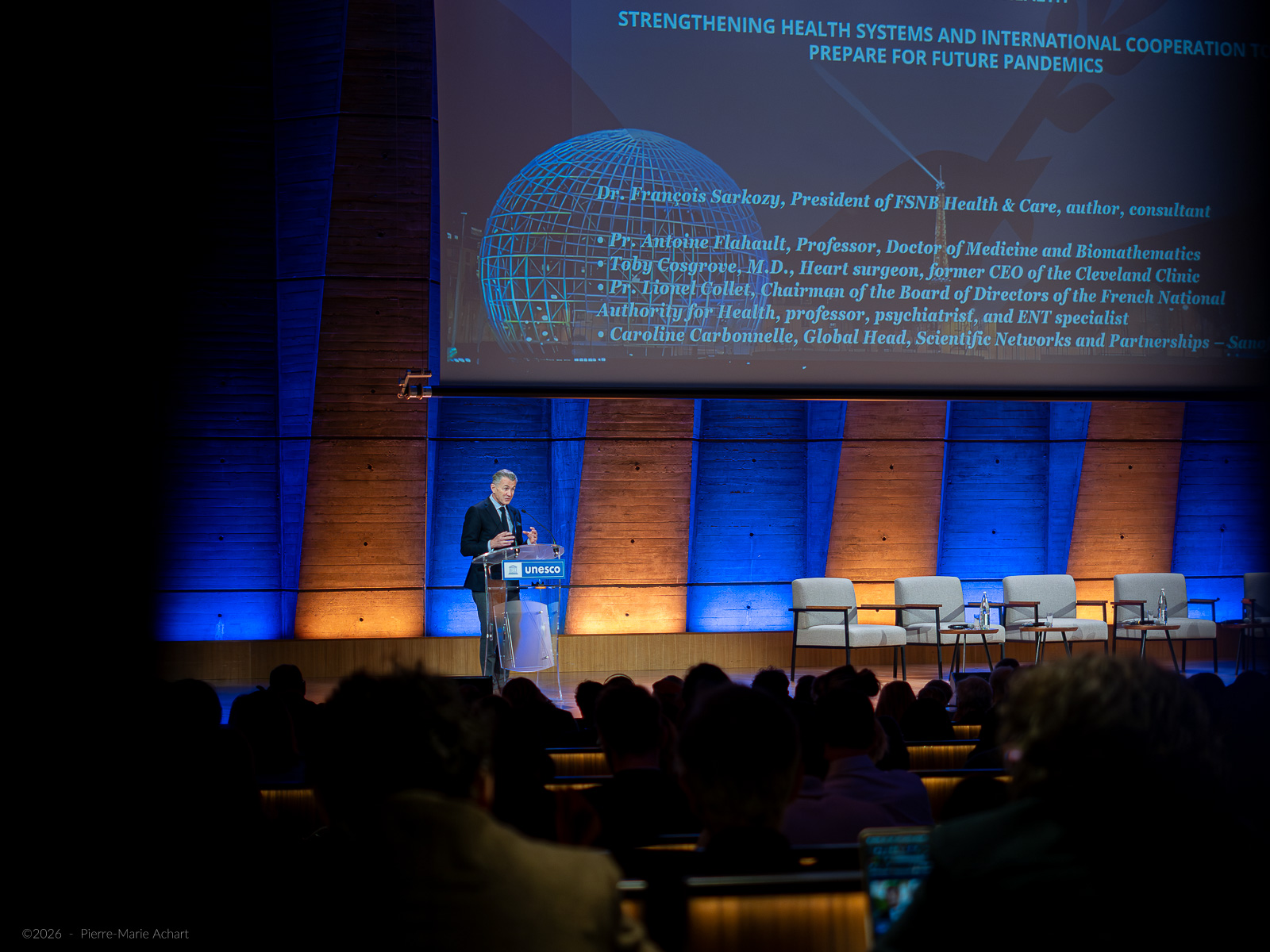
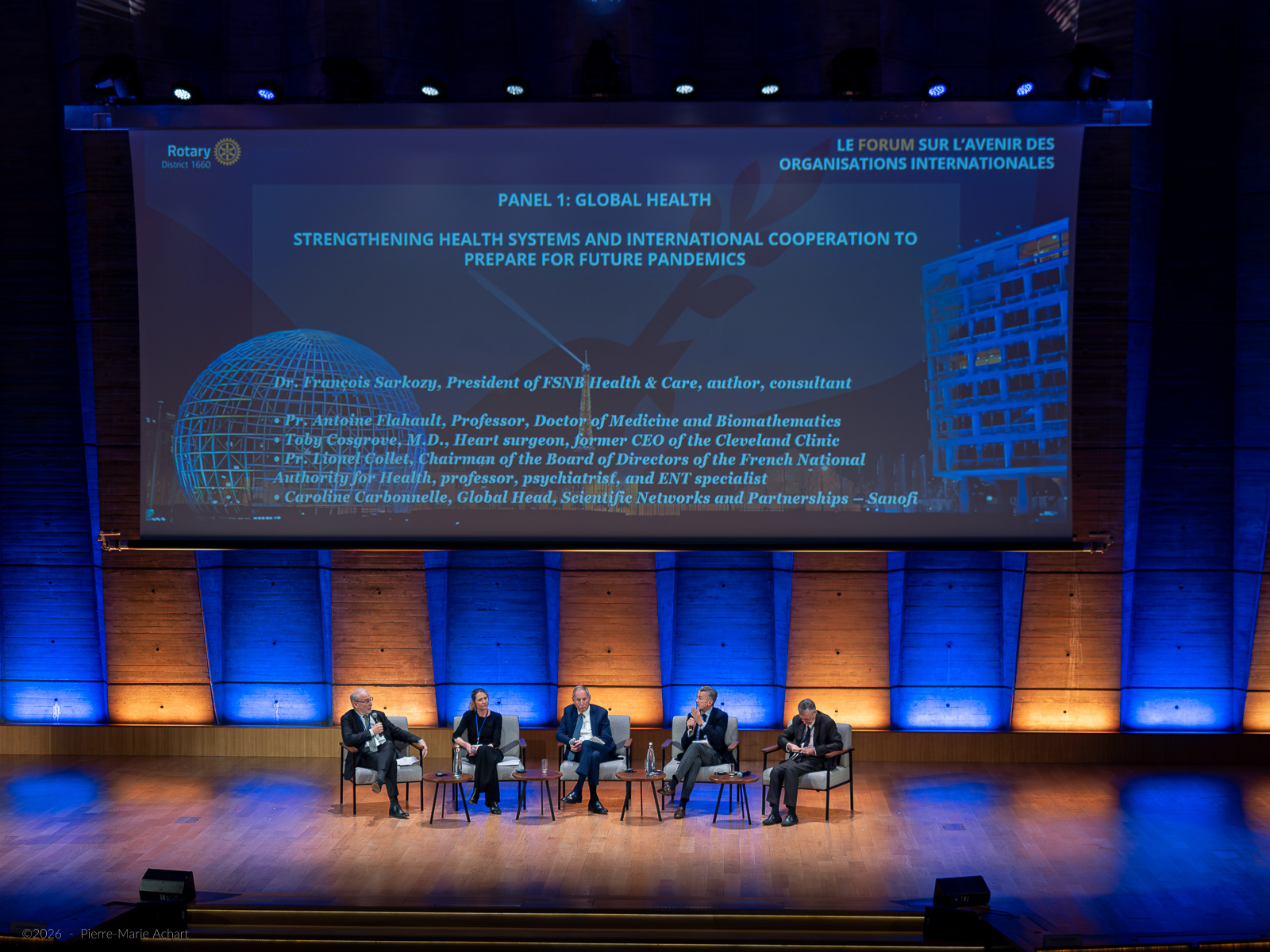
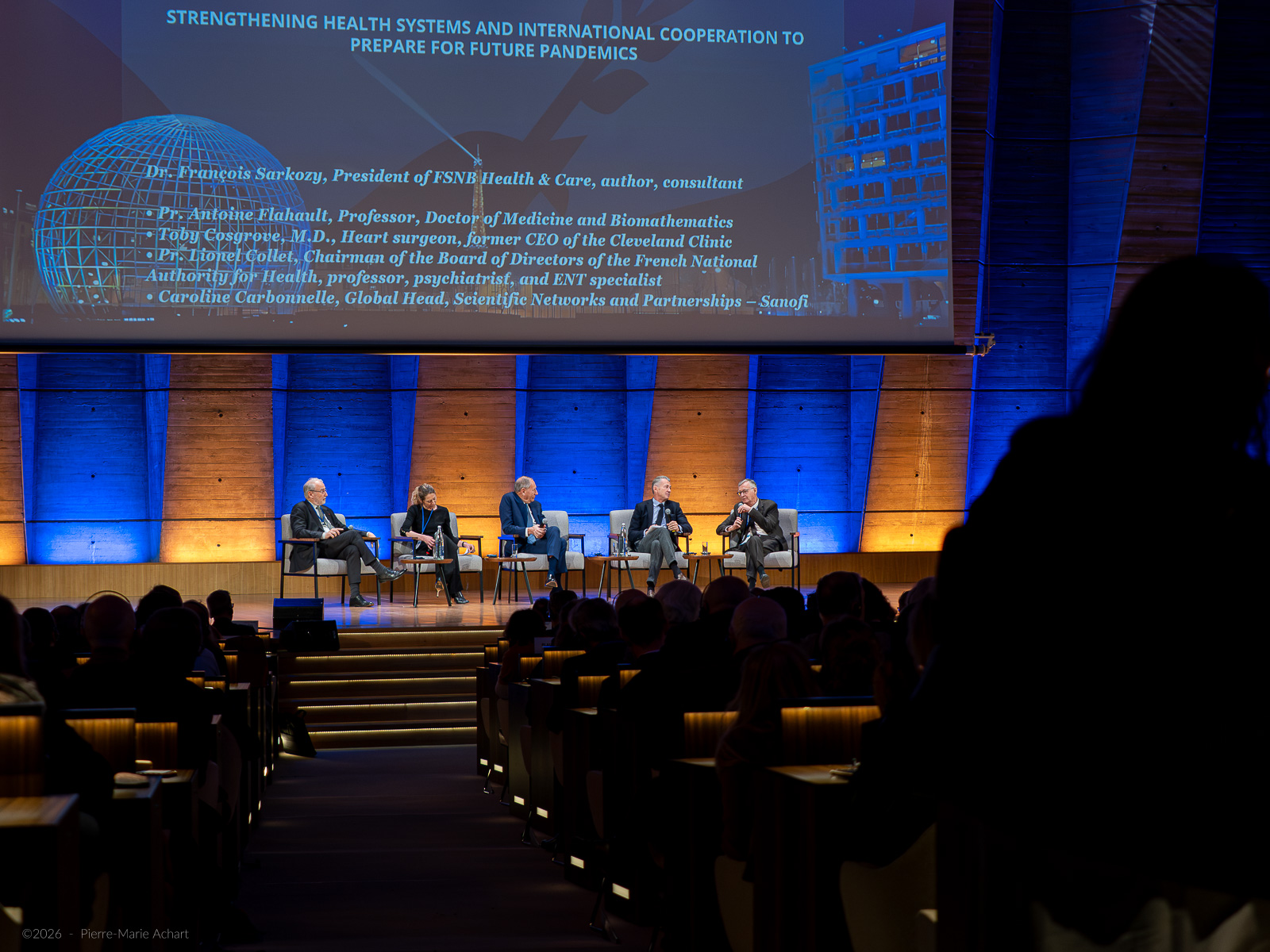
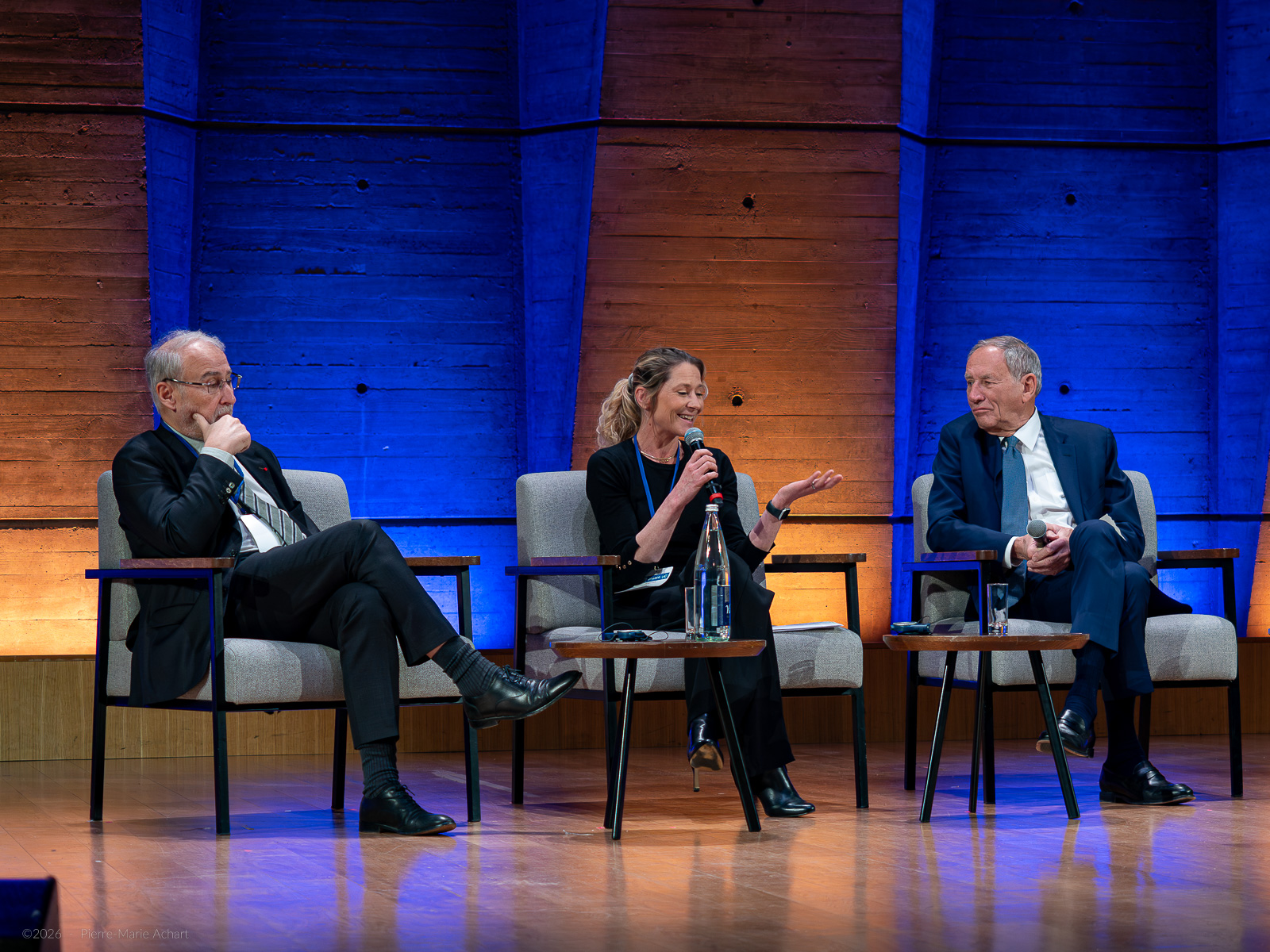
As the program unfolded, the forum moved seamlessly from vision to substance. The first discussions focused on global health, underscoring the urgent need for stronger international coordination and resilient health systems in the face of future pandemics. This theme resonated deeply with Rotary’s long-standing leadership in public health initiatives, reinforcing the organization’s credibility in this domain.
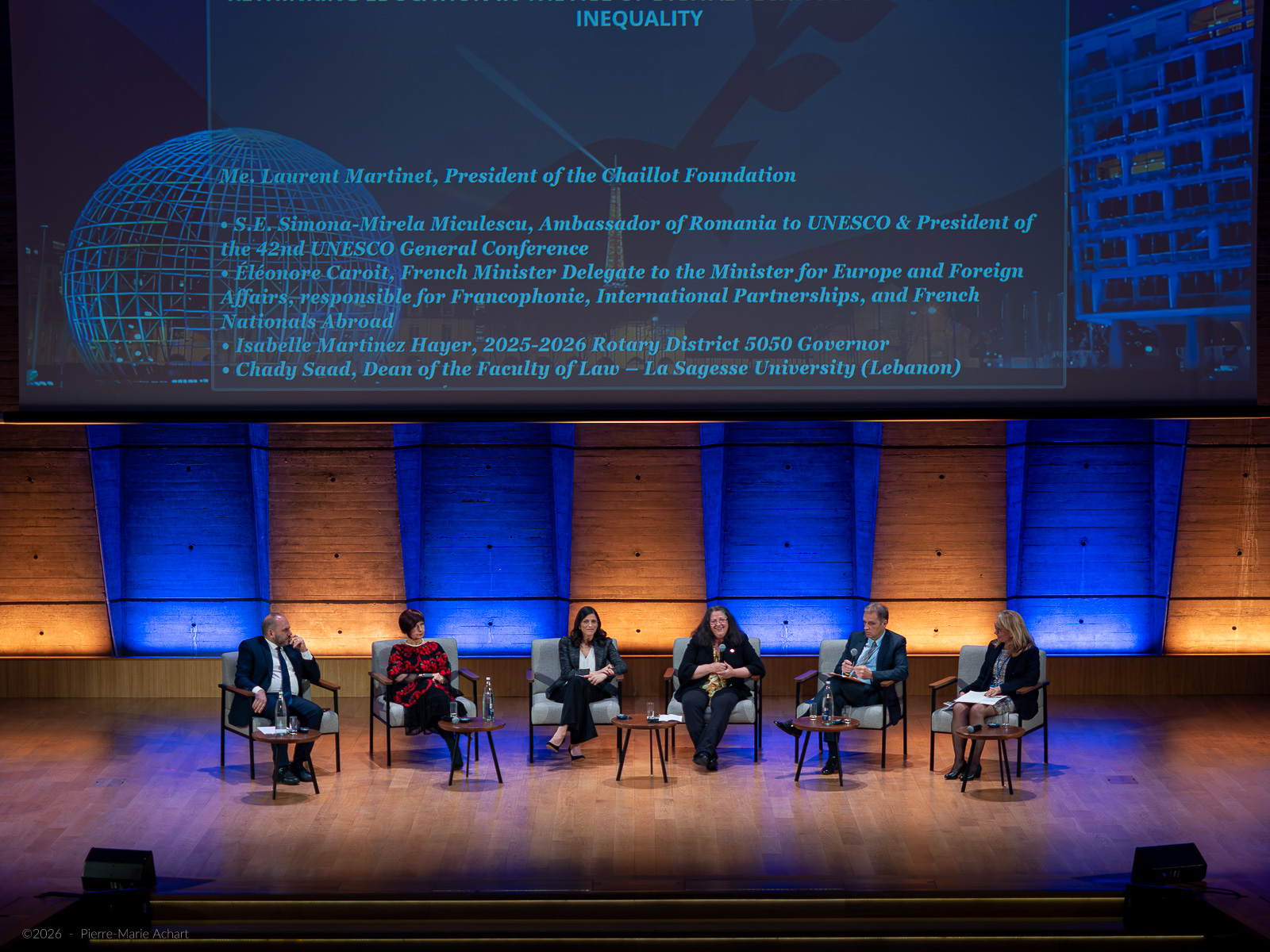
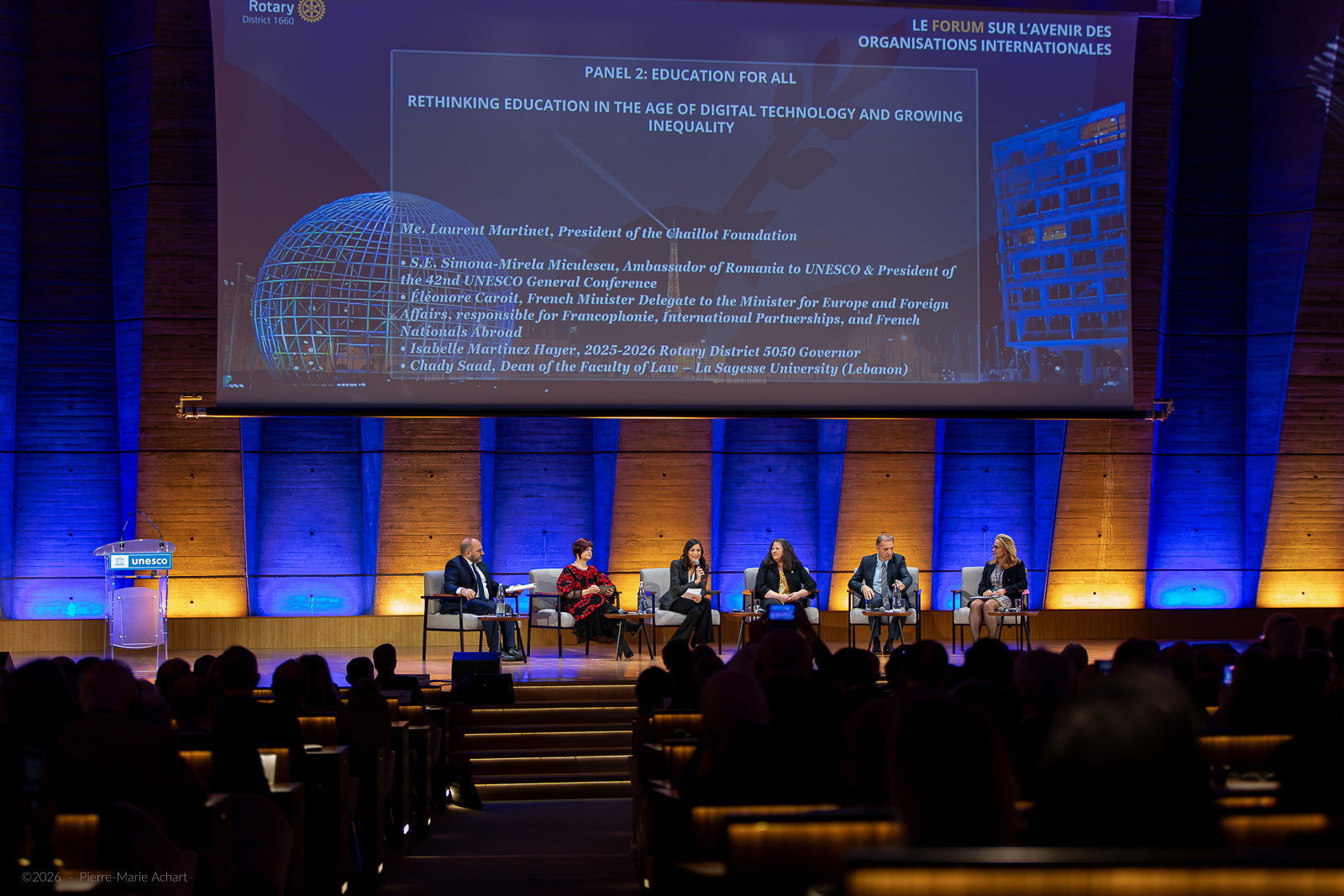
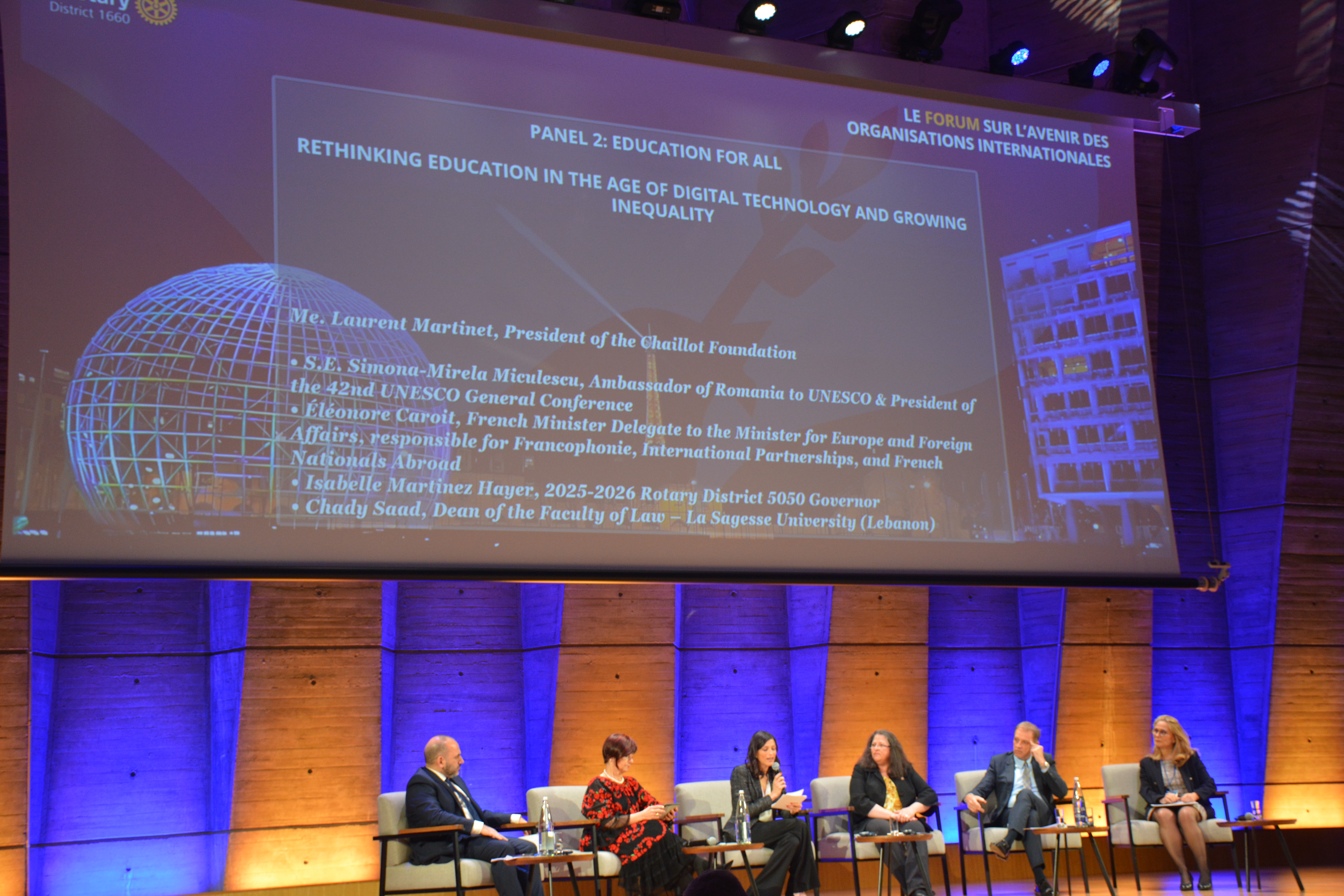
Attention then shifted to education, where speakers explored how digital transformation and widening inequalities are reshaping access to learning worldwide. The conversation highlighted the necessity of inclusive, adaptable education systems—an area where Rotary’s grassroots projects continue to create tangible impact across communities.
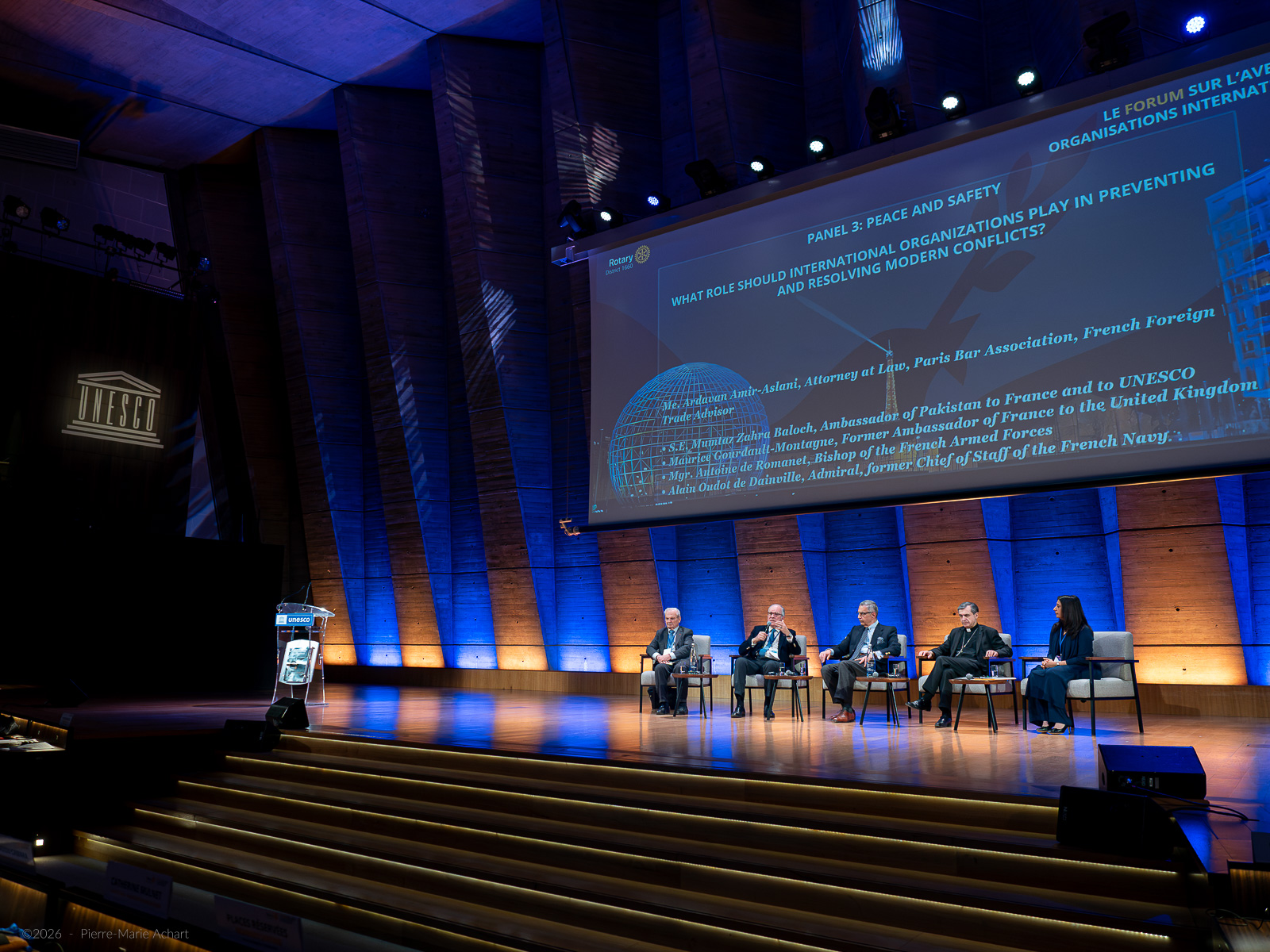
In the afternoon, the focus turned to peace and security, a cornerstone of Rotary’s mission. Participants examined the evolving role of international organizations in conflict prevention and resolution, emphasizing that sustainable peace requires not only institutional frameworks but also active community engagement. This perspective echoed Rotary’s approach of combining global vision with local action.
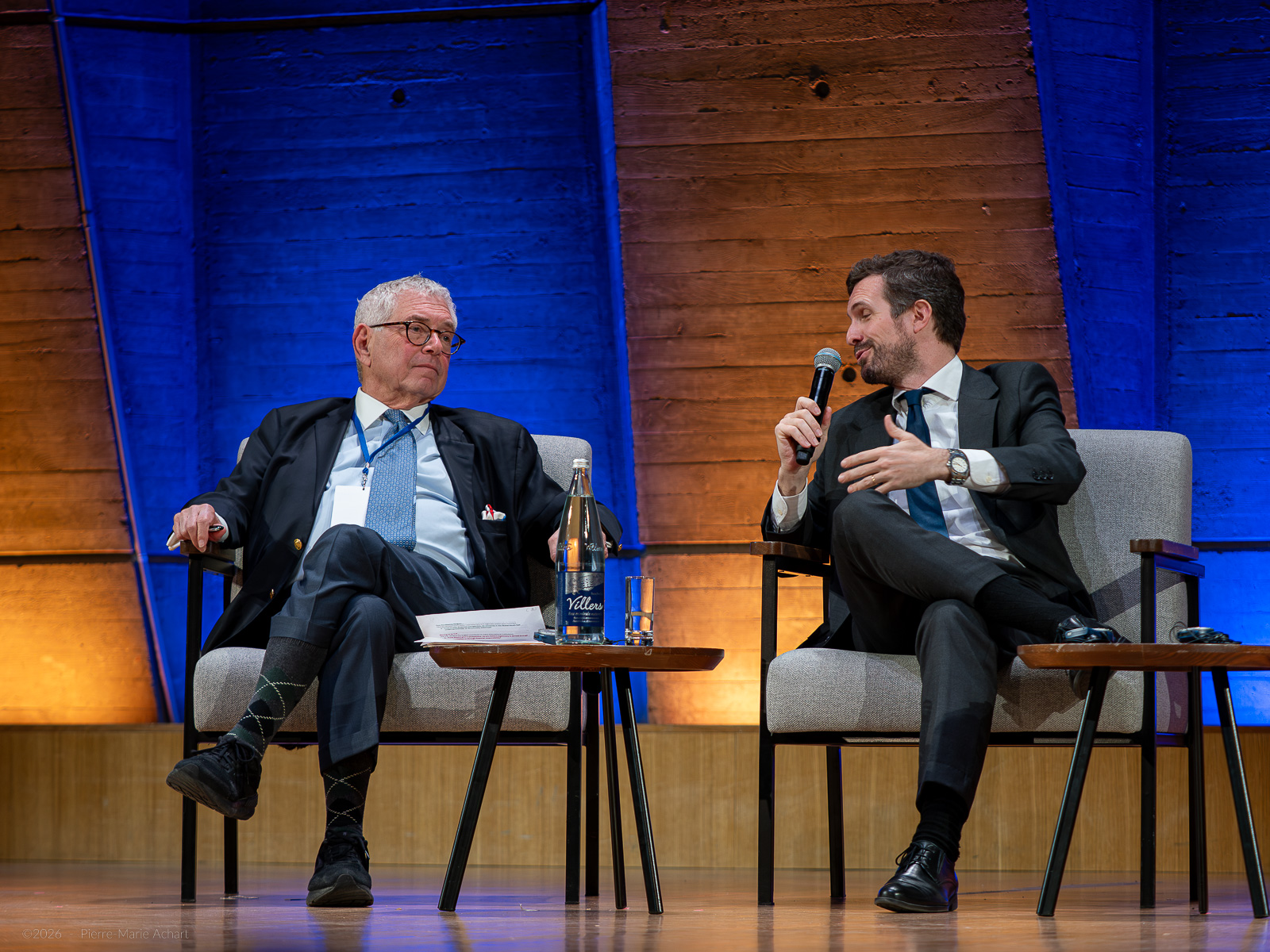
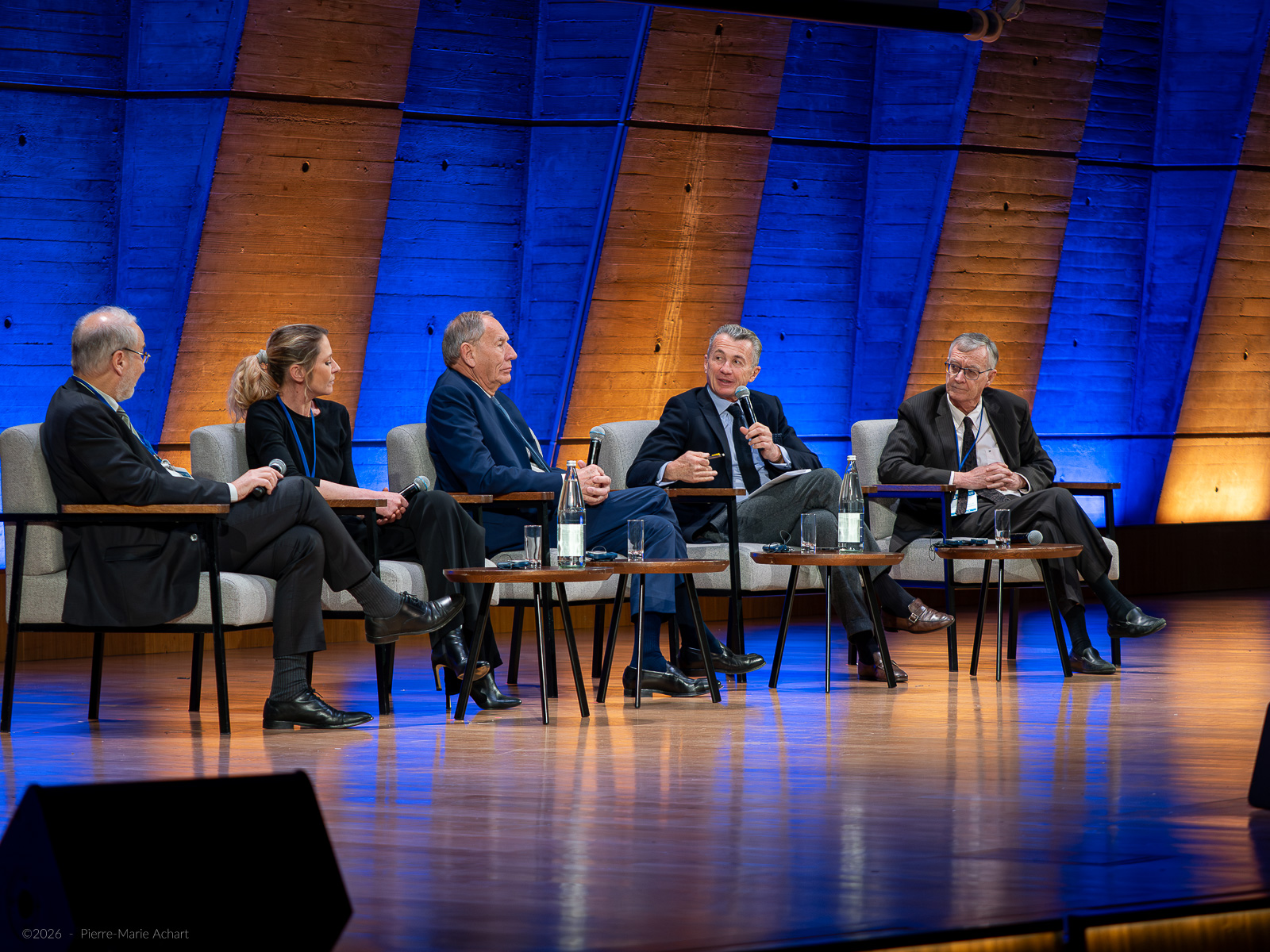
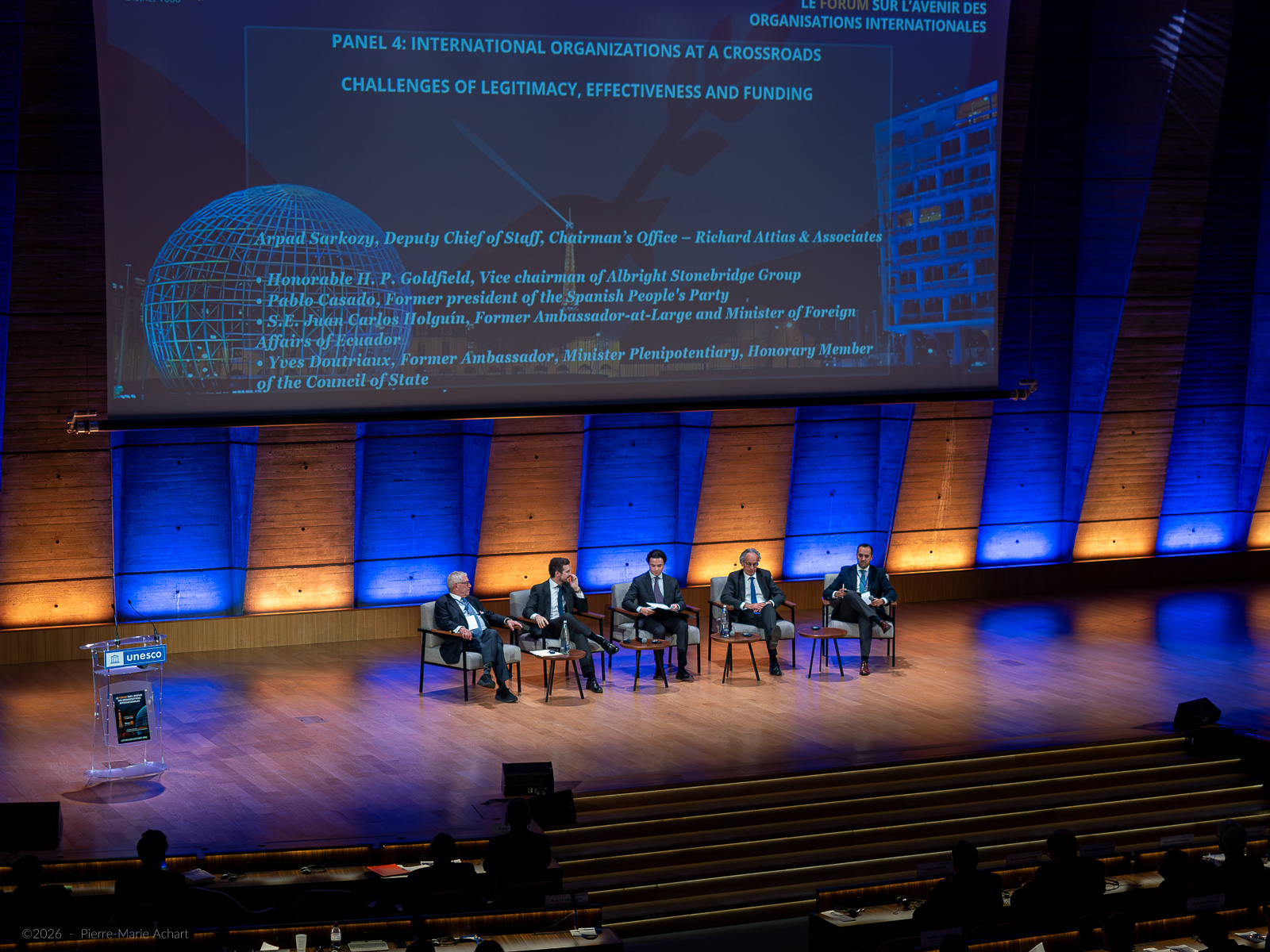
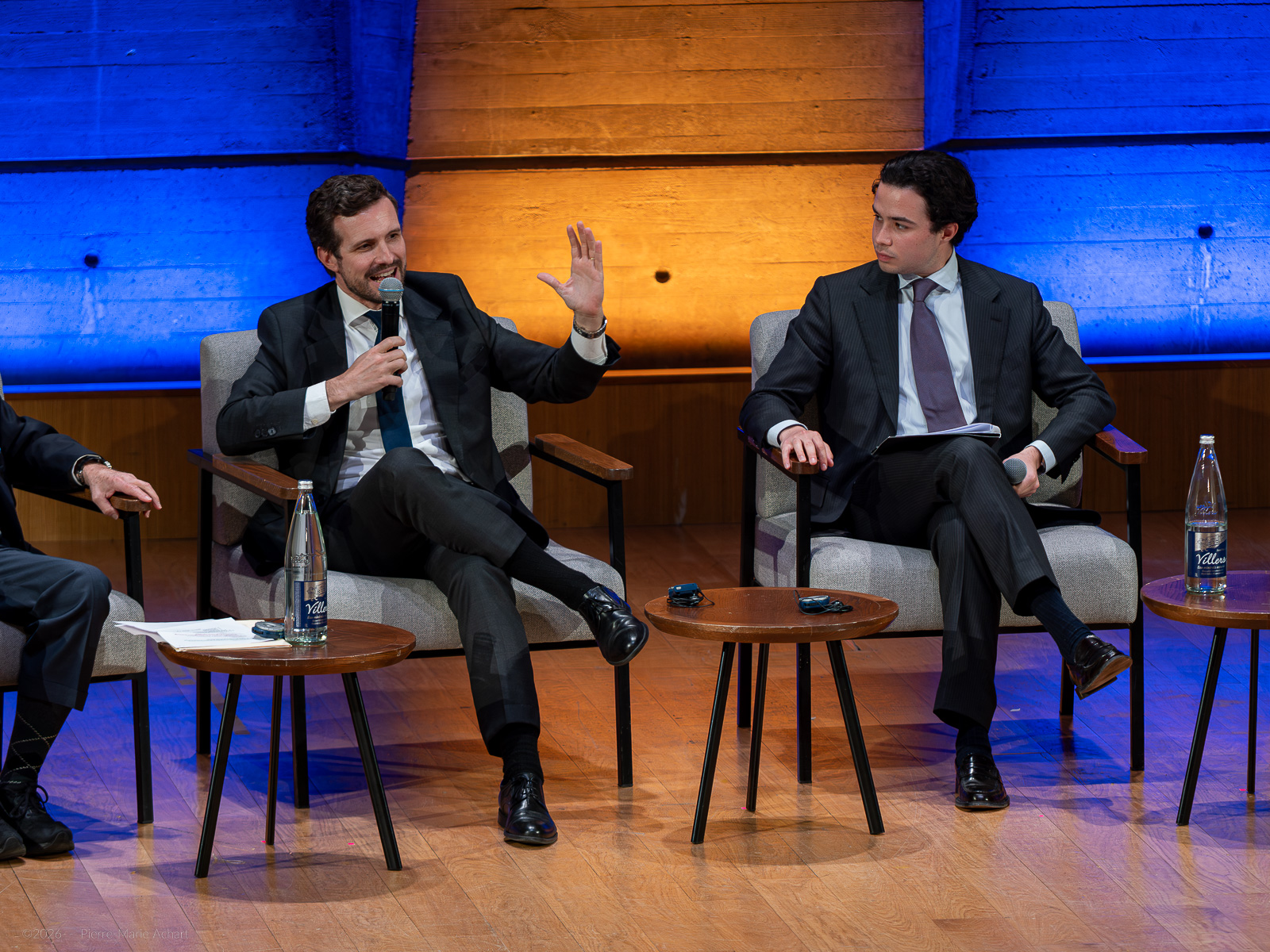
The final thematic discussions addressed the future of international organizations themselves, confronting critical questions around legitimacy, funding, and effectiveness. In an era marked by declining trust in institutions, the dialogue pointed toward the need for more agile, transparent, and participatory governance models—principles that align closely with Rotary’s own operational philosophy.
The forum concluded with a forward-looking “Roadmap to Action,” consolidating the day’s discussions into a set of concrete commitments. This outcome-oriented approach underscored Rotary’s determination to move beyond dialogue and actively contribute to shaping international policy. The insights generated in Paris are set to inform a comprehensive white paper to be shared with key global institutions, further amplifying the forum’s impact.
Complementing the main event, the preceding Rotary Intercountry Committees (ICC) meeting on March 13 provided a practical demonstration of Rotary’s unique strength: its ability to foster cross-border collaboration at the grassroots level. Together, these engagements illustrated a coherent vision—one in which civil society plays an essential role in strengthening and reimagining international cooperation.
Through its structured program and diverse participation, the Paris forum reaffirmed Rotary’s position as both a partner to global institutions and a catalyst for meaningful change. In a rapidly evolving world, the message emerging from UNESCO House was clear: the future of international organizations will depend not only on institutional reform, but on the collective capacity to connect global ambitions with local action.
Photo Credit ; Pierre Marie Achard