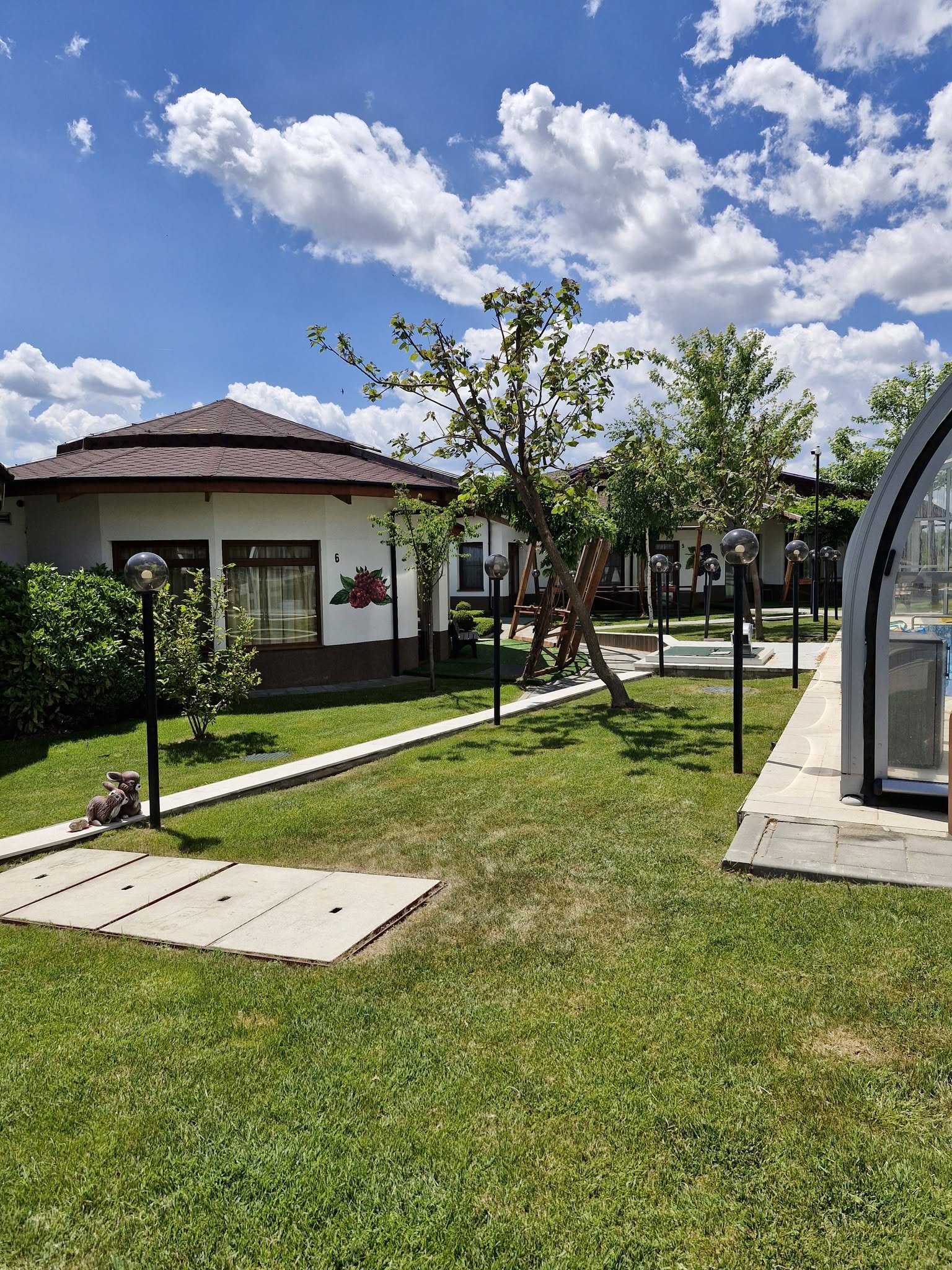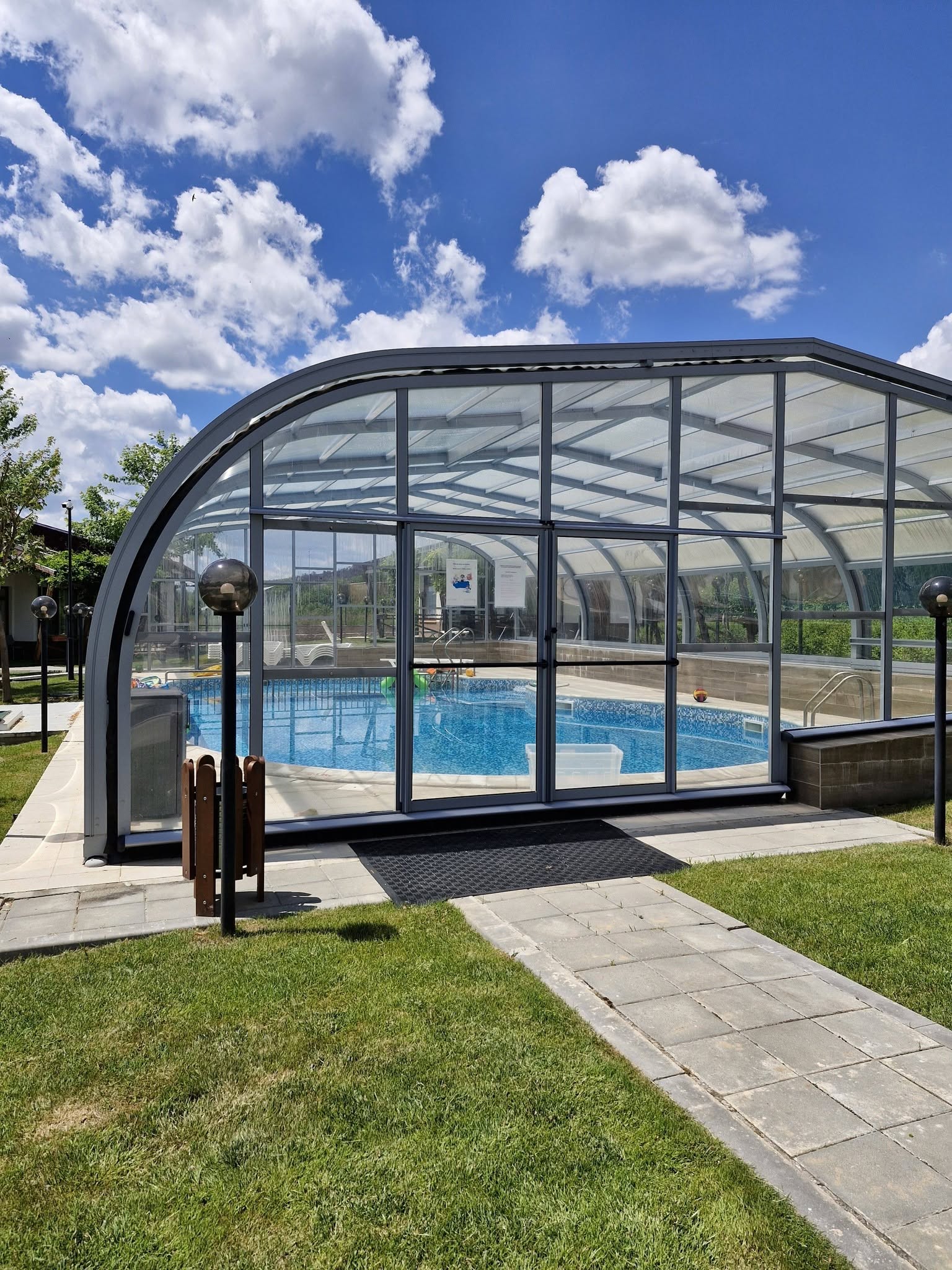
A children’s rehabilitation centre in Opitsvet, Bulgaria, can now reduce its electricity costs, offer a greener outdoor environment, and invest more resources in care for children with oncohaematological diseases. This is the lasting impact of a Rotary Global Grant led by Rotary Club Sofia International, District 2482, which created a solar park and bio-garden for the Rehabilitation Centre for Children with Oncohaematological Diseases.
The project connects three important needs: better recovery conditions, environmental responsibility and practical education. The newly built solar park produces renewable energy for the centre and helps lower its electricity expenses. This means that resources previously spent on energy can be redirected towards rehabilitation services and the everyday needs of the children and their families.
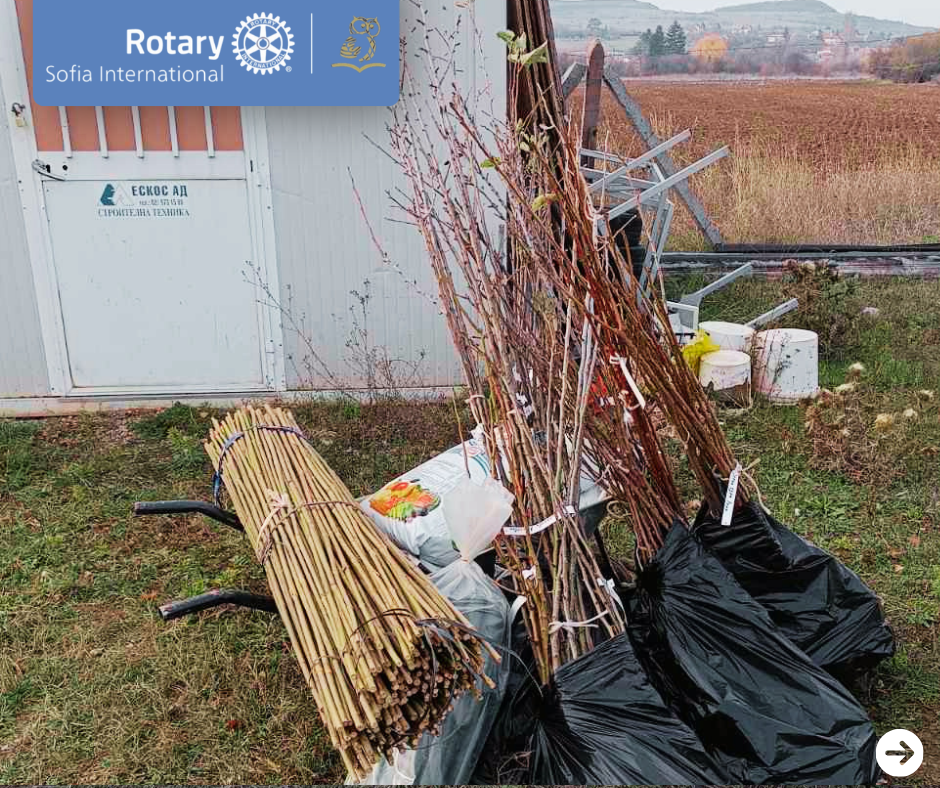
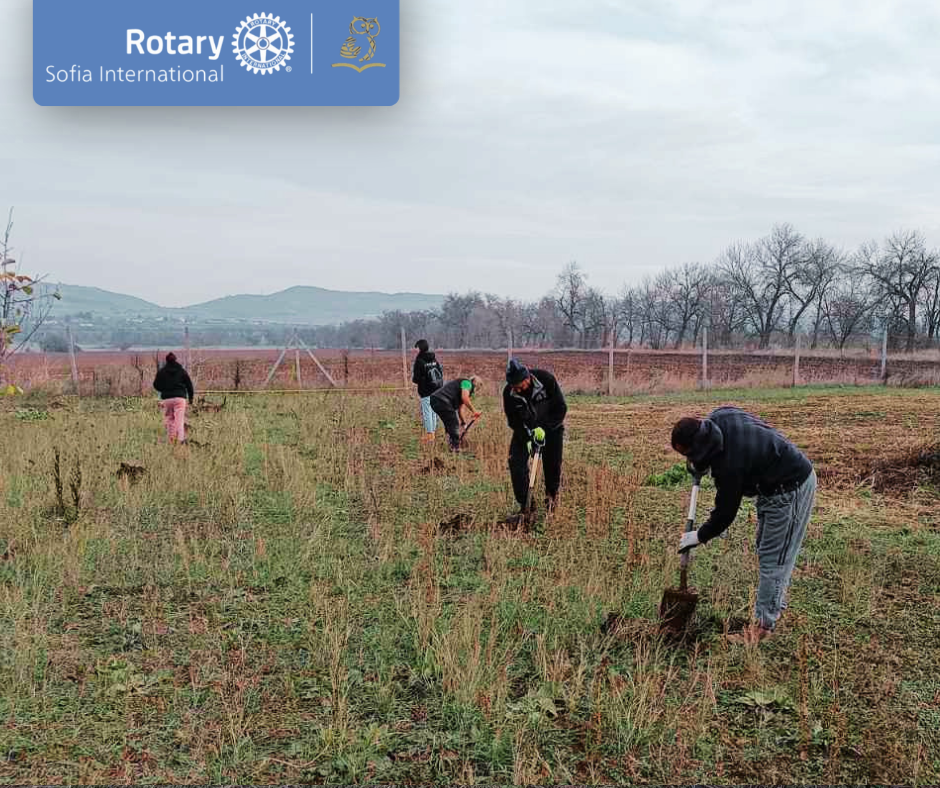
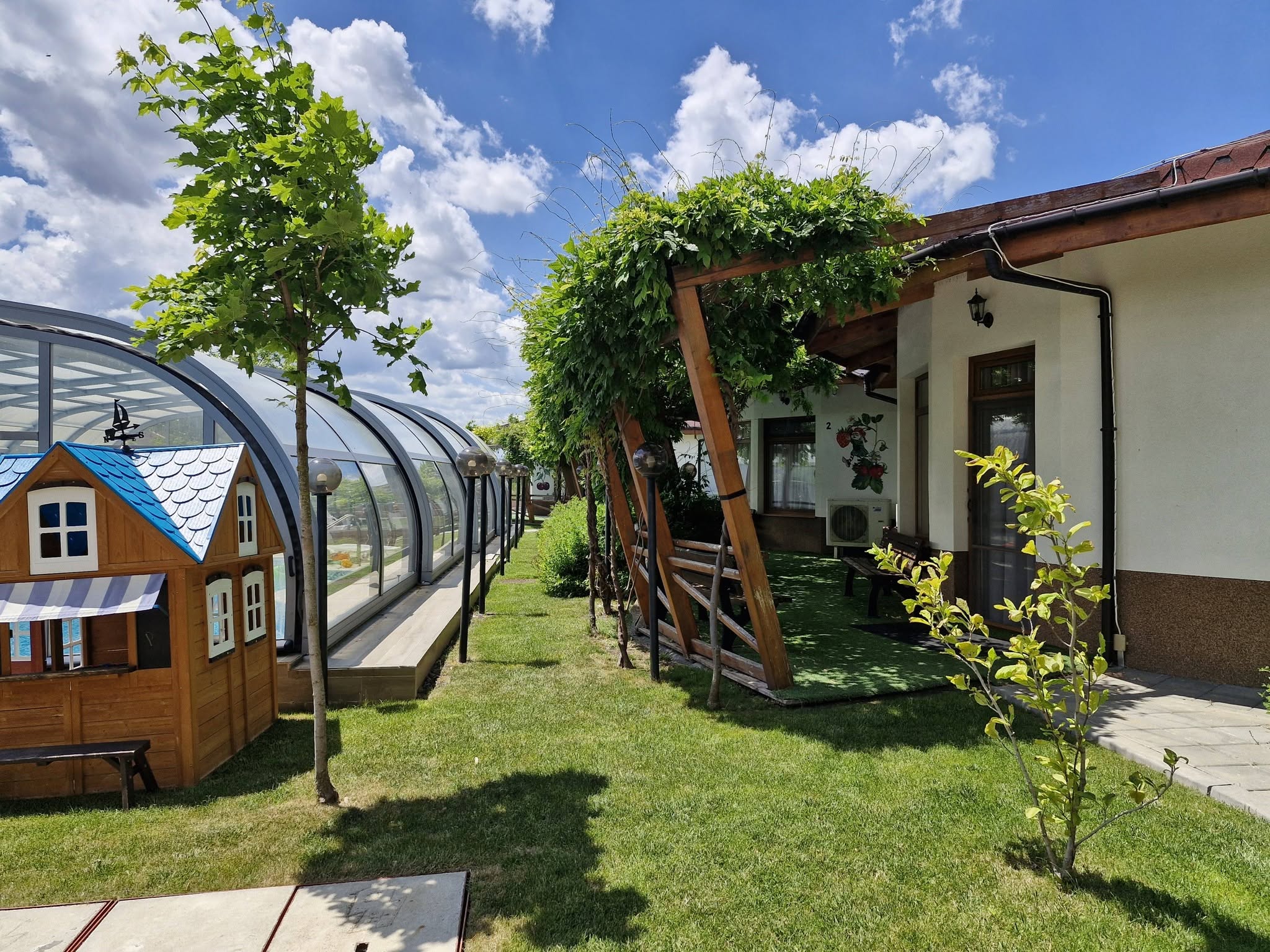
The bio-garden adds another dimension to the project. With 100 newly planted trees, the space will improve the microclimate around the centre and provide opportunities for outdoor activities, learning and contact with nature. For children, families and staff, it is not only an environmental improvement, but a more pleasant and meaningful setting for recovery, education and shared time.
The project was made possible through trust built over time. The main international partner, Rotary Club St. Simons, USA, had already worked with Rotary Club Sofia International on a previous Global Grant project supporting a centre for children with special educational needs in Samokov. That cooperation created a strong foundation for future partnership. A key role was played by Hamza Tota, representative of Rotary Club St. Simons, who visited Bulgaria, learned more about local needs and later supported the initiative for the centre in Opitsvet.
Gradually, the project brought together 18 Rotary clubs and districts from nine countries — Bulgaria, the United States, Switzerland, South Africa, Greece, Serbia, England, Sweden and Germany. Bulgarian support included District 2482 and clubs such as Rotary Club Kazanlak, Rotary Club Sofia, Rotary Club Shumen, Rotary Club Sofia Vitosha and other friends of the initiative.
The total project budget reached USD 55,000, with support from The Rotary Foundation, international partners, donors and friends. Rotary Club Sofia International also organised a charity event at the National History Museum in Sofia, attended by more than 150 guests. More than BGN 20,000 were raised and directed towards the project.
After the funding was secured, the implementation began with technical preparation, construction planning and coordination with contractors. The solar park was then built, followed by the creation of the bio-garden. Training for staff and practical activities for children and families added an educational element focused on renewable energy, environmental protection and sustainable living.
In June, Rotarian friends from Cape Town, South Africa — Helene Visser, Jackie Claydon and Graham Claydon — visited the centre and saw how their district support and personal donations had helped create practical improvements on site.
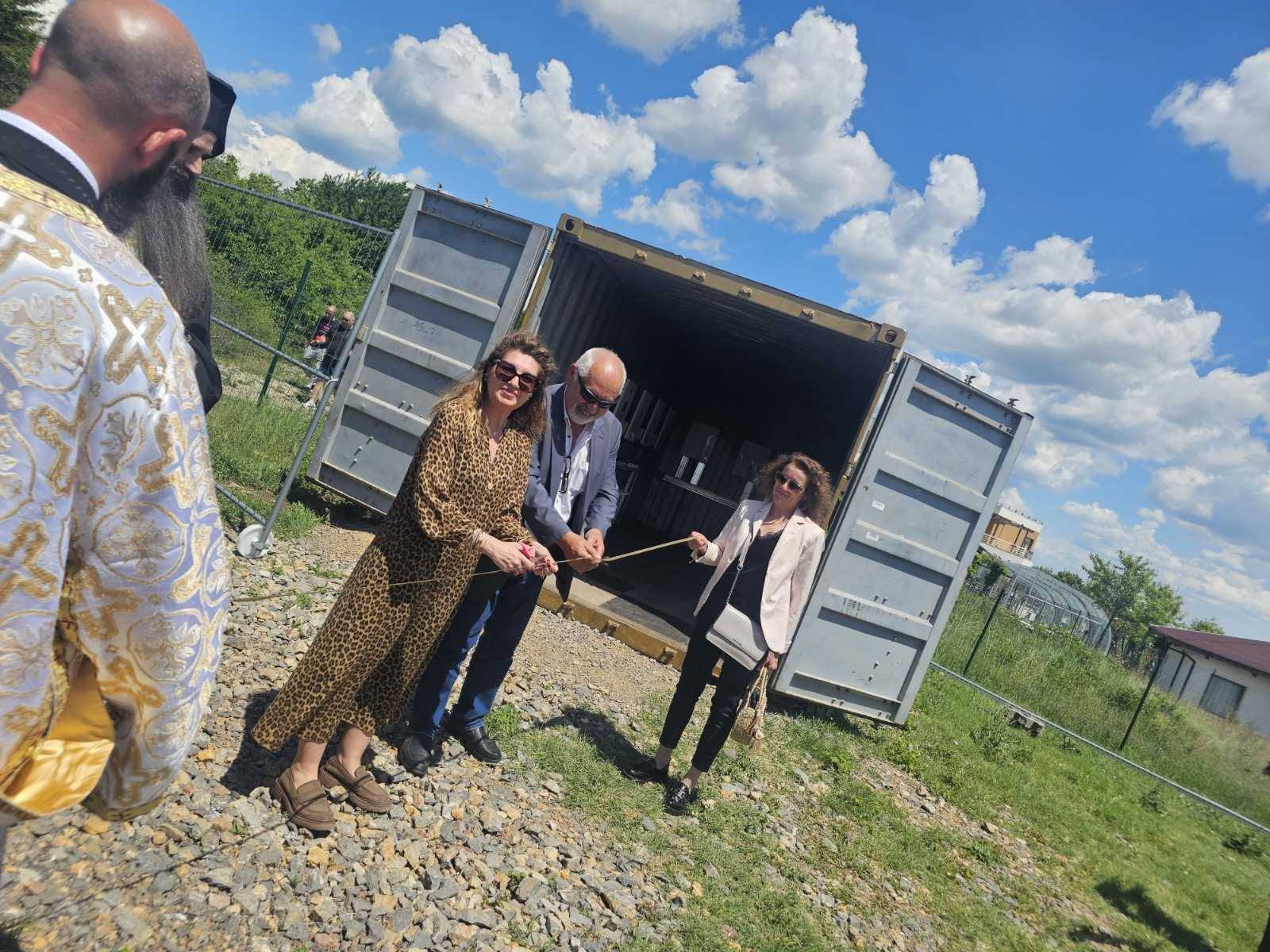
The solar park was officially opened on 31 May 2026 in the presence of Rotary representatives, partner organisations, donors, the local community, the centre’s team and guests.
This Global Grant shows how Rotary partnerships can turn shared values into long-term community benefit. In Opitsvet, green energy now supports care, a garden supports learning and recovery, and international friendship has become a practical investment in children, families and a more sustainable future.